
Modern automobiles are sophisticated marvels of engineering, integrating complex systems designed to enhance performance, comfort, and, most critically, safety. Among these crucial safety features is the Anti-lock Braking System (ABS), a technology that has profoundly impacted accident prevention since its widespread adoption. When a dashboard warning light illuminates, it’s the vehicle’s way of communicating a potential issue, and few are as significant as the ABS light. Far from a mere nuisance, an illuminated ABS light signals a fault within a vital safety system, demanding a clear understanding and prompt technical investigation. This article delves into the technological intricacies of the ABS system, the implications of its warning light, common diagnostic challenges, and the broader context within automotive technology.
Understanding the Anti-lock Braking System (ABS)
The Anti-lock Braking System is a cornerstone of active vehicle safety, designed to prevent the wheels from locking up during sudden, hard braking maneuvers. Wheel lock-up, particularly on slippery surfaces, causes a loss of steering control, potentially leading to skidding and increased stopping distances. ABS mitigates this risk by maintaining traction, allowing the driver to steer around obstacles even under emergency braking conditions.
The Core Function of ABS
At its essence, ABS works by modulating the hydraulic pressure applied to individual brake calipers. Instead of a continuous, forceful application that could lock a wheel, ABS rapidly pulses the brake pressure. This rapid cycling (often hundreds of times per second) prevents the wheels from ceasing rotation entirely while still applying maximum braking force. The result is controlled deceleration, enhanced stability, and the invaluable ability to maintain directional control, significantly improving driver safety and reducing accident severity. Without ABS, a driver might instinctively pump the brakes to prevent locking, but a computer system can perform this action with far greater speed and precision, optimizing braking force for each wheel independently.
How ABS Technology Works
The functionality of the ABS system relies on a network of sensors, a sophisticated control module, and a hydraulic modulator unit. Each wheel is equipped with a wheel speed sensor, which continuously monitors the rotational speed of that specific wheel. These sensors typically use a reluctor ring (a toothed wheel) and a magnetic pickup to generate a pulse signal that varies with wheel speed.
The data from these sensors is transmitted to the ABS control module (also known as the ABS ECU or HCU – Hydraulic Control Unit). This module acts as the brain of the system, constantly comparing the speed of all four wheels. If it detects that one wheel is slowing down significantly faster than the others, indicating an imminent lock-up, the module sends commands to the hydraulic modulator.
The hydraulic modulator contains a series of precisely engineered valves and a pump. When commanded by the control module, these valves can selectively reduce, hold, or increase the hydraulic pressure to individual brake lines. For example, if the front-left wheel is about to lock, the module commands the modulator to briefly reduce the hydraulic pressure to that wheel’s brake caliper. Once the wheel regains traction and begins to rotate closer to the speed of the other wheels, the pressure is reapplied. This rapid, pulsatile action is what drivers feel as a vibration through the brake pedal during hard ABS braking.
Evolution and Integration of ABS
Initially an independent system, ABS has evolved to become an integral part of a broader suite of electronic stability systems. Modern vehicles often combine ABS with Traction Control (TC), which prevents wheel spin during acceleration, and Electronic Stability Control (ESC), which helps prevent skidding by selectively applying brakes and reducing engine power. These systems share many common components, particularly the wheel speed sensors and the central control module, creating a highly integrated safety network. A fault detected within the ABS system can therefore often impact or disable these related stability features, underscoring the critical importance of addressing an illuminated ABS warning light promptly. The technological synergy between these systems makes modern vehicles significantly safer, capable of reacting to challenging road conditions with unparalleled speed and precision.
Deciphering the Illuminated ABS Warning Light
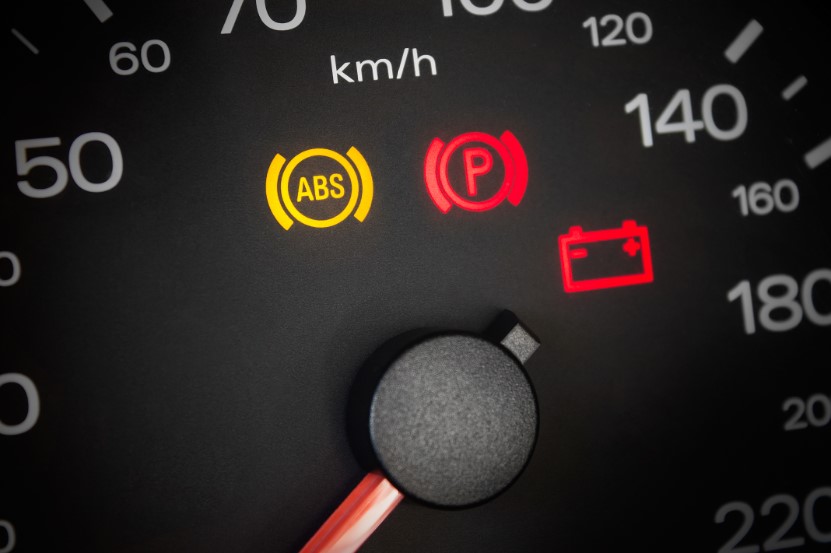
When the ABS warning light illuminates on your dashboard, it’s a clear signal from your vehicle’s onboard diagnostic system. This isn’t a mere suggestion; it’s an indication that a critical safety feature is experiencing a malfunction. Understanding what this light implies is the first step toward effective resolution.
The Immediate Implication
The most crucial immediate implication of an illuminated ABS light is that your Anti-lock Braking System is not fully operational, or at least, has a detected fault that prevents it from functioning as designed. This does not necessarily mean your regular friction brakes have failed. In most cases, the conventional hydraulic braking system, which provides the primary stopping force, will continue to work. You will still be able to brake the car. However, in an emergency braking situation where wheel lock-up would typically occur, the ABS will not engage to prevent it. This significantly increases the risk of skidding, loss of steering control, and extended stopping distances, particularly on wet, icy, or loose surfaces. Therefore, while you can still brake, the enhanced safety net provided by ABS is temporarily compromised or entirely offline.
Common Scenarios for Illumination
The ABS light can behave in a few distinct ways, each offering subtle clues about the nature of the issue:
- Brief Flash at Startup: This is entirely normal. Every time you start your car, the ABS control module performs a self-diagnostic check. If all components are functioning correctly, the ABS light will illuminate briefly and then extinguish within a few seconds. This indicates the system is ready and operational.
- Constant Illumination During Driving: This is the most common scenario for a fault. If the ABS light stays on after the initial self-check, or illuminates while you are driving, it means the system has detected an error that prevents it from working correctly. This could be due to a faulty sensor, a problem with the control module, or an issue with the hydraulic unit.
- Intermittent Illumination: An ABS light that flickers on and off, or illuminates only under certain conditions (e.g., when turning, hitting a bump, or after heavy rain), often points to an electrical issue such as a loose connection, corroded wiring, or a wheel speed sensor that is sporadically losing its signal. Intermittent faults can be particularly challenging to diagnose as they may not consistently produce a fault code.
The Relationship with Other Warning Lights
The ABS system is frequently interconnected with other vehicle stability technologies. Consequently, an ABS light may not appear in isolation. It’s common for it to illuminate simultaneously with other warning lights, offering further diagnostic clues:
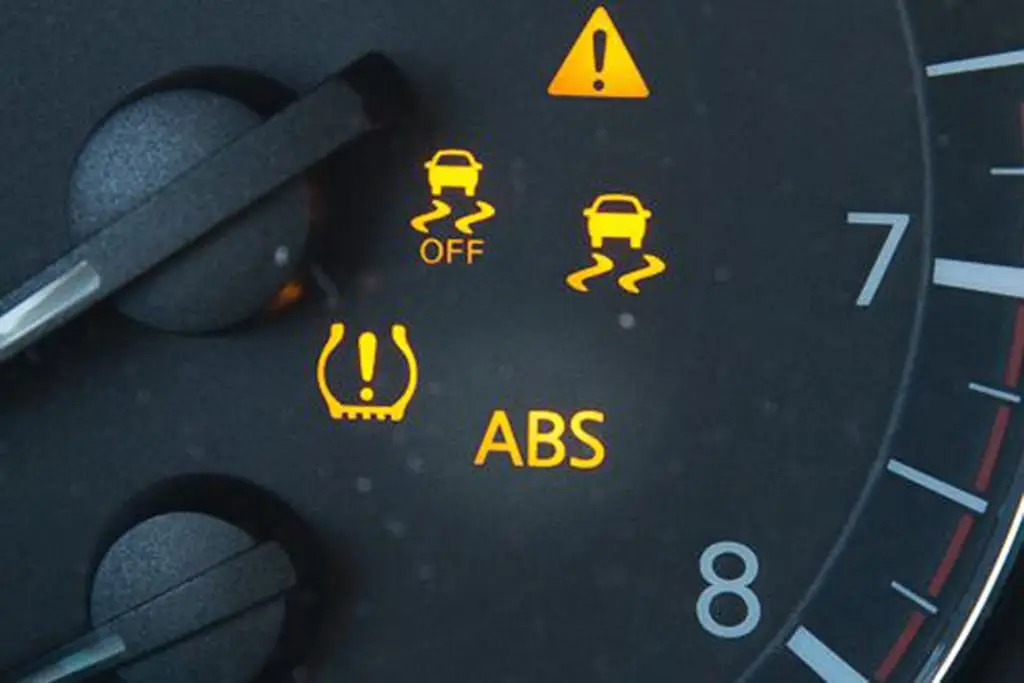
- Traction Control (TC) Light / Electronic Stability Control (ESC) Light: These systems heavily rely on the same wheel speed sensor data as ABS. If there’s a fault with a wheel speed sensor or the ABS control module, it will almost certainly disable TC and ESC as well, causing their respective warning lights to illuminate. This combination points towards a primary fault within the shared sensor or control unit.
- Brake Warning Light (Red ‘BRAKE’ or ‘!’): While primarily indicating low brake fluid or a parking brake engagement, a persistent red brake warning light in conjunction with the ABS light can occasionally signify a more severe fault within the primary brake system that might also affect the ABS. However, typically, the ABS light addresses issues specific to the anti-lock function, while the red brake light points to hydraulic system integrity. If both are on, especially with a spongy pedal, it demands immediate attention as primary braking function might be compromised.
Understanding these signals is crucial for a driver, as it transitions the situation from “something is wrong” to “I need to understand what is wrong and how urgently it needs professional technical attention.”
Common Technical Issues Triggering the ABS Light
Pinpointing the exact cause of an illuminated ABS light requires a systematic technical approach. While the symptom (the light) is clear, the underlying malfunction can stem from various components within the sophisticated ABS architecture.
Wheel Speed Sensor Malfunctions
The wheel speed sensors are the “eyes” of the ABS system, providing crucial real-time data on each wheel’s rotation. A malfunction in any of these sensors is perhaps the most common reason for the ABS light to illuminate.
- Explanation of the Sensor’s Role: Each sensor continuously sends electrical pulses to the ABS control module, allowing it to calculate individual wheel speeds. This data is fundamental for detecting potential wheel lock-up.
- Causes of Failure:
- Dirt and Debris: Accumulation of road grime, brake dust, or metallic particles on the sensor or its reluctor ring can interfere with its ability to read speed accurately.
- Physical Damage: Sensors are often exposed near the wheels and can be damaged by impacts (e.g., hitting a pothole), flying road debris, or even during brake service if mishandled.
- Wiring Issues: The wiring harness connecting the sensor to the control module can suffer from corrosion, fraying, rodent damage, or loose connections, interrupting the signal.
- Internal Sensor Failure: Like any electronic component, the sensor itself can fail internally due to age, heat cycles, or manufacturing defects.
- Impact on ABS System: An inaccurate or absent signal from even one wheel speed sensor means the ABS control module cannot accurately determine if a wheel is about to lock. To prevent erroneous braking interventions (or non-interventions), the system typically disables itself, triggering the warning light.
ABS Control Module Problems
The ABS control module is the central processing unit, analyzing sensor data and issuing commands to the hydraulic modulator. Its failure is less common than sensor issues but often more complex and costly to resolve.
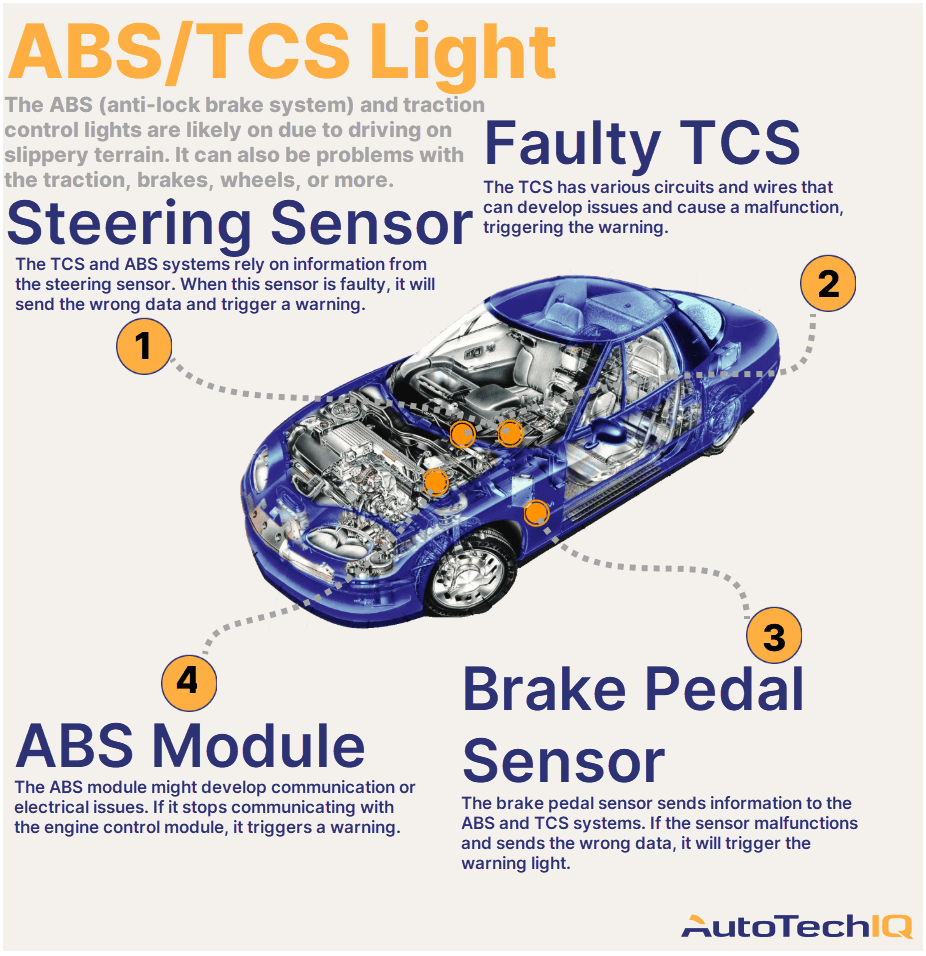
- Role of the Module: It contains complex electronic circuitry, microprocessors, and software algorithms that interpret sensor inputs, make decisions about brake pressure modulation, and communicate with other vehicle systems.
- Causes of Failure:
- Internal Component Failure: Solder joint cracks, capacitor failure, or microprocessor damage can occur due to vibration, heat, or age.
- Software Glitches: Corrupted software or firmware within the module can lead to erratic behavior or complete system shutdown.
- Power Supply Issues: Faults in the power or ground circuits supplying the module can prevent it from operating correctly.
- Water Ingress: Exposure to moisture can corrode internal components.
- Complexity of Diagnosis and Repair: Diagnosing a faulty ABS module often involves advanced diagnostic tools capable of communicating directly with the module, checking its internal status, and testing its outputs. Repair usually involves replacing the entire module, which can be expensive and may require programming or coding to the specific vehicle.
Hydraulic Pump/Valve Body Issues
The hydraulic modulator unit, which houses the ABS pump and solenoid valves, is responsible for physically adjusting brake fluid pressure to each wheel.
- How These Components Modulate Brake Pressure: The pump rapidly cycles brake fluid to increase pressure when needed, and the solenoid valves (typically two per wheel) open and close to reduce or hold pressure in individual brake lines.
- Causes of Failure:
- Internal Blockages: Contamination in the brake fluid can clog the delicate valves, preventing proper pressure modulation.
- Electrical Motor Failure: The pump is driven by an electric motor; if this motor fails, the system cannot build or release pressure.
- Solenoid Problems: Individual solenoid valves can stick open or closed, preventing precise control of fluid flow.
- Impact on ABS: Any issue with the hydraulic unit directly impairs the system’s ability to physically intervene in the braking process, leading to a system disablement and the illumination of the warning light.
Wiring and Electrical Connectivity
While often overlooked, the integrity of the electrical wiring and connections throughout the ABS system is paramount for its proper function.
- The Importance of Intact Wiring: Every sensor signal, power supply, and control command relies on a robust and continuous electrical pathway.
- Causes:
- Corrosion: Exposed wiring or connectors can corrode over time, especially in areas subjected to road salt or moisture, leading to increased resistance or intermittent connections.
- Loose Connections: Vibrations or improper seating can cause plugs and connectors to loosen, disrupting signal flow.
- Physical Damage: Rodent damage (chewing through wires), abrasion against other vehicle components, or impacts can sever circuits.
- Effect: A compromised electrical circuit can lead to erratic sensor readings, power loss to the module, or failure of the module to communicate with the hydraulic unit, all of which will trigger the ABS warning light.
Diagnosis and Resolution: A Technical Approach
Addressing an illuminated ABS light moves beyond simple observation into the realm of technical diagnostics. Given the system’s complexity and its role in safety, a methodical and informed approach is crucial.
Initial Steps for the Driver
While professional intervention is almost always necessary, drivers can take a few immediate, prudent steps:
- Safety First: Check Conventional Brakes: Confirm that the regular friction brakes are still functioning. If the brake pedal feels spongy, goes to the floor, or the red ‘BRAKE’ light is also illuminated and steady, it indicates a more critical primary braking system failure, requiring immediate and careful driving to a safe location or roadside assistance.
- Avoid Hard Braking Situations: Since ABS functionality is compromised, drive cautiously and increase following distances, anticipating the need for longer stopping distances, especially on adverse road conditions.
- Consult the Owner’s Manual: The manual provides specific information regarding your vehicle’s warning lights, including the ABS light, and may offer initial troubleshooting advice or emphasize specific safety precautions.
The Role of Diagnostic Tools (OBD-II Scanners)
The primary tool for diagnosing ABS issues is an OBD-II (On-Board Diagnostics II) scanner. Modern vehicles are equipped with an OBD-II port that allows external devices to communicate with the vehicle’s various Electronic Control Units (ECUs), including the ABS module.
- Explanation of How Professional Scanners Access ABS-Specific Trouble Codes (DTCs): When an ABS fault occurs, the control module stores a Diagnostic Trouble Code (DTC) in its memory. These codes are alphanumeric, e.g., “C0035 – Left Front Wheel Speed Sensor Circuit.” Professional-grade diagnostic scanners (often called “scan tools”) can connect to the OBD-II port, read these specific ABS DTCs, and often provide additional data streams such as live wheel speed sensor readings, enabling a more detailed analysis than generic scanners.
- Differences Between Generic OBD-II Scanners and Advanced Automotive Diagnostic Tools: Basic, inexpensive OBD-II scanners can typically only read generic “P-codes” (powertrain codes) related to the engine and transmission. They often cannot access “C-codes” (chassis codes) related to ABS, airbags, or body control modules. Advanced automotive diagnostic tools, used by professional technicians, have broader vehicle protocol support, allowing them to access, read, and sometimes even clear “C-codes” from the ABS module, view live data from its sensors, perform actuation tests, and even re-calibrate components.
- Interpreting Common ABS Codes: Technicians use these codes as a starting point. A code like “C0035” doesn’t necessarily mean the sensor itself is bad, but rather that there’s an issue in the circuit of the left front wheel speed sensor, which could be the sensor, its wiring, or even the control module’s input for that sensor. Further testing (e.g., multimeter checks for continuity and resistance, oscilloscope checks for sensor waveform) is often required.
Professional Automotive Technician Intervention
While a diagnostic scanner provides invaluable clues, full resolution often requires the expertise and equipment of a professional automotive technician.
- Why DIY Might Be Limited Beyond Basic Checks: DIY diagnostics with a generic scanner can only go so far. Without the ability to read ABS-specific codes or perform live data analysis, identifying the root cause of a complex ABS issue is difficult. Furthermore, repairs often involve critical braking components, requiring specialized tools and adherence to safety protocols.
- The Need for Specialized Knowledge and Equipment: Technicians possess the training to interpret complex diagnostic data, understand vehicle-specific wiring diagrams, and safely work with hydraulic brake systems. They have access to advanced scan tools, oscilloscopes, multimeters, and specialized brake bleeding equipment.
- Calibration and Programming Requirements: After replacing certain ABS components, especially the ABS control module itself, it often requires “coding” or “programming” to the specific vehicle, a process that can only be done with manufacturer-specific diagnostic software. Some systems also require sensor calibration after replacement to ensure accurate readings.
Preventive Maintenance and System Integrity
While not always directly linked to preventing an ABS light, maintaining overall brake system health indirectly supports ABS integrity.
- Regular Brake Fluid Checks and Flushes: Brake fluid is hygroscopic (absorbs moisture), and contaminated or old fluid can lead to internal corrosion within the hydraulic modulator and other brake components, potentially contributing to ABS issues over time.
- Keeping Wheel Speed Sensors Clean: During wheel or brake service, inspecting and cleaning wheel speed sensors and reluctor rings can help prevent debris buildup that might interfere with their operation.
- Addressing Related Issues Promptly: Don’t ignore a constantly illuminated ABS light. Early diagnosis and repair can prevent the problem from escalating or affecting other interconnected systems.
The Broader Implications for Vehicle Technology and Safety
The Anti-lock Braking System is more than just a standalone feature; it represents a foundational technology that underpins the sophisticated safety architecture of modern vehicles. Its significance extends beyond emergency stops, influencing the development and integration of numerous advanced driver-assistance systems.
ABS as a Foundational Safety Technology
The invention and widespread adoption of ABS fundamentally transformed automotive safety. Before ABS, even skilled drivers struggled to maintain control during hard braking on slippery surfaces. The technology provided an unprecedented level of control and stability, significantly reducing the incidence of accidents caused by skidding and loss of steering. Its proven effectiveness made it a mandatory feature in many regions globally, cementing its status as one of the most impactful active safety innovations of the 20th century. Its success paved the way for the acceptance and development of other electronic aids, demonstrating the power of sensor-driven, computer-controlled systems in enhancing vehicle dynamics.
Interconnectedness of Modern Automotive Systems
In contemporary vehicles, ABS rarely operates in isolation. It forms the backbone for a host of interconnected systems that work in concert to manage vehicle dynamics:
- Electronic Stability Control (ESC): This system uses the same wheel speed sensors as ABS, along with yaw rate and steering angle sensors, to detect and correct skids. If ESC detects the vehicle deviating from the driver’s intended path, it selectively applies individual brakes and/or reduces engine power to bring the vehicle back under control. ABS is critical to ESC’s ability to apply brakes precisely without locking wheels.
- Traction Control (TC): Similar to ESC, TC uses wheel speed sensors to prevent wheel spin during acceleration, primarily by reducing engine power or applying brakes to the slipping wheel.
- Advanced Driver-Assistance Systems (ADAS): Many ADAS features, such as Automatic Emergency Braking (AEB), Adaptive Cruise Control (ACC), and Lane Keeping Assist (LKA), rely on the ABS system for their braking capabilities. AEB, for instance, uses radar or camera data to detect impending collisions and can automatically apply the brakes. Without a fully functional ABS, the effectiveness and safety of such interventions would be severely compromised. A fault in one system, such as ABS, can therefore cascade through and disable several other critical safety and convenience features, highlighting the deep integration of modern vehicle electronics.
The Future of Braking Systems
The evolution of braking technology continues at a rapid pace, building upon the principles established by ABS. Concepts like brake-by-wire systems, which replace traditional hydraulic connections with electronic signals, offer even faster response times and greater precision. Integrated Braking Systems (IBS) combine the functions of ABS, ESC, and conventional hydraulic braking into a single, more compact, and efficient unit. These advancements are particularly relevant for autonomous vehicles, where sophisticated, fault-tolerant braking systems are absolutely paramount for safety and reliability. As vehicles become more autonomous and connected, diagnostics will also evolve, potentially incorporating predictive maintenance algorithms and over-the-air updates to resolve issues before they become critical. The foundational understanding of systems like ABS will remain essential, even as the implementation becomes more advanced and seamless.
In conclusion, the illuminated ABS light on your dashboard is a direct communication from your vehicle’s intricate technological network, signaling a compromise in a critical safety system. Understanding the technical components of ABS, the common failure modes, and the importance of professional diagnosis are not just about fixing a light, but about maintaining the integrity of your vehicle’s advanced safety features and ensuring your continued safety on the road. Ignoring this warning is to knowingly diminish a fundamental layer of vehicle protection.
aViewFromTheCave is a participant in the Amazon Services LLC Associates Program, an affiliate advertising program designed to provide a means for sites to earn advertising fees by advertising and linking to Amazon.com. Amazon, the Amazon logo, AmazonSupply, and the AmazonSupply logo are trademarks of Amazon.com, Inc. or its affiliates. As an Amazon Associate we earn affiliate commissions from qualifying purchases.