
In the world of personal finance and asset management, jewelry often occupies a unique space between a discretionary luxury purchase and a tangible investment. For many consumers and amateur investors, the “925” stamp found on the underside of a ring or the clasp of a necklace is a familiar sight, yet its profound financial implications are often misunderstood. This hallmark is not merely a design detail; it is a critical indicator of purity, a certificate of value, and a standardized metric that dictates the resale potential of a precious metal asset.

Understanding what “925” signifies is the first step in treating a jewelry collection as more than just an aesthetic choice. It is about understanding the liquidity of silver, the global standards of the precious metals market, and the distinction between a fashion accessory and a store of wealth.
Understanding the 925 Hallmark: Purity as a Financial Asset
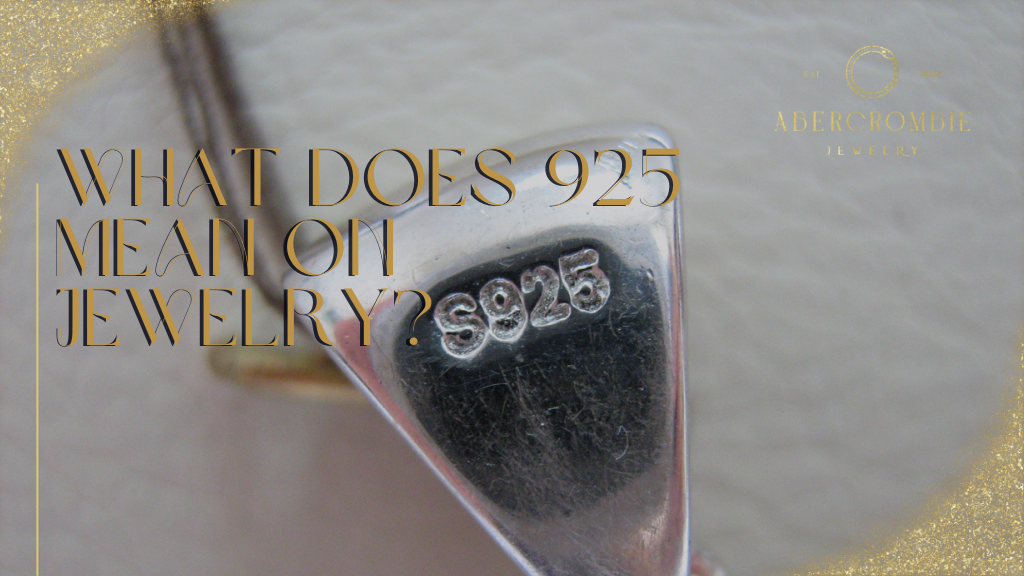
The “925” hallmark is the international standard for sterling silver. It signifies that the piece is composed of 92.5% pure silver and 7.5% other metals, typically copper. This ratio is not arbitrary; it is a calculated balance designed to maximize the metal’s utility while maintaining its status as a precious asset.
The Definition of Sterling Silver
Pure silver, often designated as 999 (99.9% purity), is exceptionally soft and malleable. While highly valuable, pure silver is generally impractical for jewelry or functional items because it scratches, dents, and loses its shape with minimal pressure. By introducing 7.5% of an alloy—most commonly copper—the silver gains the structural integrity required to hold intricate designs and withstand daily wear.
From a financial perspective, the 925 stamp serves as a guarantee of silver content. In many jurisdictions, including the United States and the United Kingdom, stamping a piece with “925” or “Sterling” when it does not meet that threshold is a form of consumer fraud. For the buyer, this mark provides a level of security, ensuring that the item possesses an intrinsic “melt value” that can be calculated and recovered.
Why 92.5%? The Balance of Value and Durability
The history of the 925 standard dates back centuries, but its modern relevance lies in market consistency. Investors and collectors prefer 925 sterling silver because it represents a high-grade precious metal that remains functional. When you purchase a piece of 925 jewelry, you are acquiring a commodity that is traded on global exchanges. Unlike base metals or costume jewelry, which lose virtually all their value the moment they leave the store, sterling silver retains a baseline value pegged to the spot price of silver.
The Economics of Jewelry: How Hallmarking Affects Resale Value
When evaluating jewelry as a part of a financial portfolio or a side hustle in the resale market, the 925 stamp is the primary determinant of the item’s “floor price.” In finance, the floor price is the minimum value an asset can have, regardless of market sentiment or brand popularity.
Identifying Authentic Liquid Assets
In the context of personal finance, liquidity refers to how quickly an asset can be converted into cash without a significant loss in value. 925 sterling silver is considered a highly liquid asset in the secondary market. Because the purity is standardized, any reputable jeweler, coin dealer, or precious metal refiner can immediately calculate the value of the piece based on its weight.
If you own a silver chain weighing 100 grams and it is stamped with 925, you know that you possess exactly 92.5 grams of fine silver. By checking the current “spot price” of silver (the price at which it is currently trading on the market), you can determine the intrinsic value of your asset in seconds. This transparency is what separates precious metal jewelry from other consumer goods.
Premium Brand Value vs. Melt Value
It is important for investors to distinguish between the “retail value” and the “melt value.” When you buy a 925 silver piece from a luxury brand like Tiffany & Co. or David Yurman, you are paying a significant premium for the brand’s design, marketing, and corporate identity. Financially, this is known as “intangible value.”
However, if you were to sell that same piece during a financial emergency or as part of a portfolio liquidation, the buyer might only offer the “melt value”—the price of the raw silver content. For those looking to build a collection with high resale potential, the goal is often to find 925 pieces where the purchase price is as close to the spot price of silver as possible, thereby minimizing the “spread” and maximizing the eventual return on investment.

Silver as a Strategic Diversification Tool
In a volatile economy, many individuals turn to precious metals to diversify their holdings. While gold often takes center stage, silver—particularly in the form of 925 jewelry and flatware—serves as an accessible entry point for building a tangible asset base.
Silver vs. Gold: The “Poor Man’s Gold” in a Portfolio
Silver is frequently referred to as “the poor man’s gold,” but this moniker belies its strategic importance. Silver has a much lower entry price than gold, allowing for incremental investing. A college student or a young professional might not have the capital to buy a one-ounce gold coin, but they can easily acquire several 925 silver rings or bracelets over time.
Because silver is an industrial metal as well as a precious one (used in solar panels, electronics, and medical devices), its price movements are often different from gold. This lack of perfect correlation makes silver an excellent tool for diversification. If the tech sector booms, industrial demand for silver may rise, potentially increasing the value of your 925 jewelry even if gold remains stagnant.
Hedging Against Inflation with Precious Metals
One of the primary reasons to own 925 silver is to hedge against inflation. As the purchasing power of fiat currency (like the dollar or the euro) declines, the price of hard assets tends to rise. Silver has maintained its value over centuries of economic shifts. By holding jewelry stamped with 925, you are holding a physical hedge that exists outside the digital banking system. It is an asset that cannot be “printed” into oblivion, providing a layer of security during periods of monetary expansion or currency devaluation.
Navigating the Market: How to Verify and Value Your 925 Assets
To successfully manage jewelry as a financial asset, one must be able to verify authenticity and understand the logistics of the silver market. Not everything that shines is silver, and not everything stamped “925” is authentic.
Detecting Counterfeits and Fraud
The high demand for sterling silver has led to an influx of counterfeits. Fraudulent items are often made of brass or nickel and “flash-plated” with a thin layer of silver, then stamped with a fake 925 mark. For the investor, these items are worthless.
To protect your capital, it is essential to perform basic due diligence. The “Magnet Test” is a simple starting point; silver is non-magnetic, so if a magnet sticks to your “925” jewelry, it is likely a base metal core. More advanced investors might use acid testing kits or electronic precious metal testers. Furthermore, authentic 925 jewelry will often feature additional hallmarks, such as the manufacturer’s registered trademark or a country-of-origin stamp, which add layers of traceability and value.
Tax Implications and Storage Costs
Like any investment, silver comes with secondary costs. While 925 jewelry is small enough to be stored in a home safe, a large collection can become a liability. Insurance for high-value jewelry is a recurring expense that must be factored into your ROI (Return on Investment) calculations.
Additionally, in many jurisdictions, selling silver for a profit can trigger capital gains taxes. However, jewelry often falls under “personal use property” rules, which may offer different tax treatments compared to bullion or coins. Consulting with a financial advisor or tax professional is recommended for those who treat high-end 925 jewelry as a serious part of their estate or investment strategy.
The Long-Term Outlook for 925 Jewelry
As we move further into a digital-first economy, the appeal of physical assets continues to grow. The 925 hallmark remains the gold standard (or rather, the silver standard) for trust and value in the jewelry industry. Whether you are a casual buyer or a seasoned collector, understanding the financial reality behind those three small numbers is essential.
By viewing 925 jewelry through the lens of personal finance, you transform a simple purchase into a strategic move. You begin to see your jewelry box not just as a collection of ornaments, but as a diversified portfolio of precious metal assets. The 925 mark is more than a label; it is a declaration of purity that ensures your jewelry will always carry a measurable, reclaimable value in the global marketplace. In a world of fluctuating markets and digital currencies, the weight of a sterling silver asset remains a timeless constant in a well-rounded financial plan.
aViewFromTheCave is a participant in the Amazon Services LLC Associates Program, an affiliate advertising program designed to provide a means for sites to earn advertising fees by advertising and linking to Amazon.com. Amazon, the Amazon logo, AmazonSupply, and the AmazonSupply logo are trademarks of Amazon.com, Inc. or its affiliates. As an Amazon Associate we earn affiliate commissions from qualifying purchases.