
Tesla, Inc. is a name synonymous with innovation, often sparking debate and admiration in equal measure. While many recognize it primarily as an electric vehicle (EV) manufacturer, the scope of Tesla’s technological endeavors extends far beyond sleek cars. At its core, Tesla is a technology company, aggressively pursuing advancements in sustainable energy, artificial intelligence, and advanced manufacturing to accelerate the world’s transition to a sustainable future. This deep dive will explore the multifaceted technological landscape that defines what Tesla truly does.
Revolutionizing Personal Transportation: The Electric Vehicle Ecosystem
Tesla’s most visible contribution to the technological world is undoubtedly its line of electric vehicles. From its inception, Tesla aimed to prove that EVs could be not just practical but superior to gasoline-powered cars in performance, safety, and digital integration. This vision has led to a comprehensive ecosystem of automotive technology that continues to push industry boundaries.
The Tesla Vehicle Lineup: Performance, Design, and Software Integration
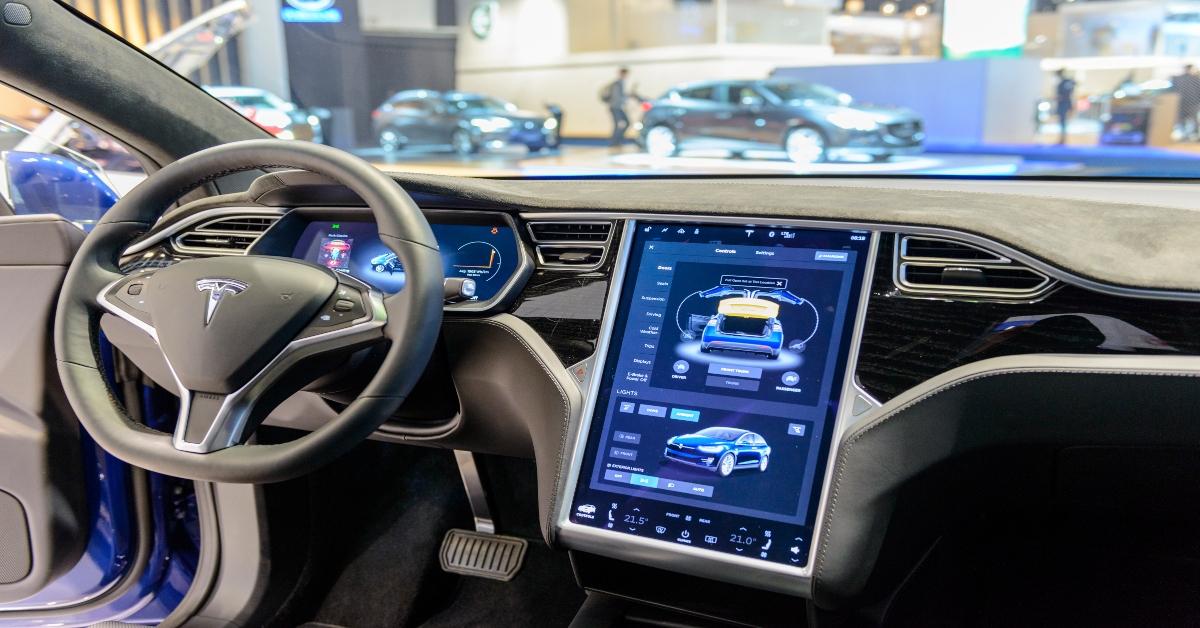
Tesla’s vehicle models – including the Model S, Model 3, Model X, Model Y, Cybertruck, and the upcoming Roadster and Semi – are more than just cars; they are sophisticated, software-defined machines. Each model is engineered for high performance, characterized by rapid acceleration, long range, and a low center of gravity dueking to battery placement, enhancing handling and safety.
The design philosophy prioritizes minimalism and aerodynamics, reducing drag to maximize efficiency. Internally, the driver experience is dominated by large central touchscreens, serving as the command center for infotainment, navigation, climate control, and vehicle settings. This software-centric approach allows for over-the-air (OTA) updates, continually improving features, performance, and even adding new functionalities long after purchase. This transforms the traditional automotive ownership model, making Tesla vehicles dynamic platforms that evolve with time, rather than static products. Features like “Sentry Mode,” “Dog Mode,” and advanced cabin preconditioning demonstrate a level of software integration and user experience previously unseen in the automotive industry.
Autopilot and Full Self-Driving (FSD): Pioneering AI in Automotive
Perhaps the most ambitious and technologically intensive aspect of Tesla’s automotive division is its development of autonomous driving capabilities. Tesla’s Autopilot system, a suite of advanced driver-assistance features, leverages an array of cameras, ultrasonic sensors, and radar (though radar has been deemphasized in recent iterations for a camera-only “Tesla Vision” approach) to provide adaptive cruise control, lane keeping, automatic lane changes, and self-parking.
The more advanced Full Self-Driving (FSD) package represents Tesla’s bold leap into true autonomy. FSD is not merely an assistance system; it’s an AI-driven software stack designed to navigate complex urban and highway environments without human intervention. This involves cutting-edge computer vision, neural networks, and extensive data processing. Tesla collects vast amounts of real-world driving data from its fleet, which is then used to train its neural networks, iteratively improving the system’s ability to perceive, predict, and plan driving maneuvers. The development of FSD is a grand technological undertaking, pushing the boundaries of real-world AI application and challenging conventional notions of vehicle control.
Charging Infrastructure: The Supercharger Network
A critical component of Tesla’s EV ecosystem is its proprietary Supercharger network. Recognizing that widespread EV adoption required convenient and rapid charging options, Tesla invested heavily in building a global network of high-speed charging stations. This infrastructure uses proprietary technology to deliver significant power, allowing Tesla vehicles to gain hundreds of miles of range in minutes.
The Supercharger network is not just about power; it’s a seamless user experience. Tesla vehicles automatically route to available Superchargers, pre-condition their batteries for optimal charging speed, and manage billing directly, removing the friction often associated with public charging. This vertical integration – from vehicle manufacturing to charging infrastructure – demonstrates Tesla’s holistic approach to technology, ensuring that its core product (the EV) is supported by an equally robust and technologically advanced ecosystem. The recent move to open Superchargers to non-Tesla EVs in various regions further solidifies its position as a leader in charging technology, aiming to accelerate the entire EV industry.
Beyond the Road: Transforming Energy Generation and Storage
While known for cars, a significant portion of “what Tesla does” lies in its commitment to sustainable energy generation and storage solutions. The company’s mission statement emphasizes accelerating the world’s transition to sustainable energy, a goal that extends far beyond eliminating tailpipe emissions.
Solar Energy Solutions: Roofs and Panels
Tesla offers a range of solar energy products designed to integrate renewable electricity generation directly into homes and businesses. This includes traditional solar panels, which convert sunlight into electricity, and the innovative Solar Roof. The Solar Roof system integrates photovoltaic cells directly into aesthetically pleasing glass tiles, creating a seamless and durable roofing solution that generates clean energy without the look of conventional panels.
These solar products are designed for efficiency, durability, and integration. They are often coupled with Tesla’s battery storage solutions to create a comprehensive energy ecosystem, ensuring that homes and businesses can generate their own power and store it for use when the sun isn’t shining. The technological challenge here involves not just the efficiency of the solar cells, but also the durability, ease of installation, and aesthetic appeal of the overall system, aiming for widespread adoption over traditional energy sources.
Grid-Scale and Residential Battery Storage: Powerwall and Megapack
Central to Tesla’s energy vision are its advanced battery storage systems: Powerwall for residential and light commercial use, and Megapack for utility-scale applications. These systems store surplus solar energy, electricity from the grid during off-peak hours, or provide backup power during outages.
The Powerwall is a compact, integrated battery system designed to store energy and provide intelligent energy management for homes. It maximizes solar self-consumption, reduces reliance on the grid, and offers energy independence. The Megapack, on the other hand, is a massive battery storage system designed for utility-scale projects. These industrial-sized batteries can store hundreds of megawatt-hours of energy, enabling grid stabilization, integration of intermittent renewable energy sources (like wind and solar), and replacement of fossil fuel “peaker” plants. The technology behind these systems involves sophisticated battery chemistry, thermal management, power electronics, and intelligent software to optimize energy flow and ensure grid reliability. Tesla’s expertise in large-scale battery manufacturing and deployment directly translates into these impactful energy solutions.
Integrated Energy Management: Towards Sustainable Ecosystems
Tesla’s energy products are not standalone devices; they are components of an integrated energy management ecosystem. Through software platforms, homeowners and utility providers can monitor energy production, consumption, and storage in real-time. This smart management system optimizes energy usage, making decisions about when to charge, when to discharge, and when to draw from the grid, all to maximize efficiency and cost savings while minimizing environmental impact. The development of such integrated systems requires deep technological expertise in power electronics, software development, data analytics, and artificial intelligence, allowing Tesla to offer comprehensive solutions for a sustainable future, from individual homes to national grids.
The Technological Bedrock: Batteries, AI, and Manufacturing Innovation
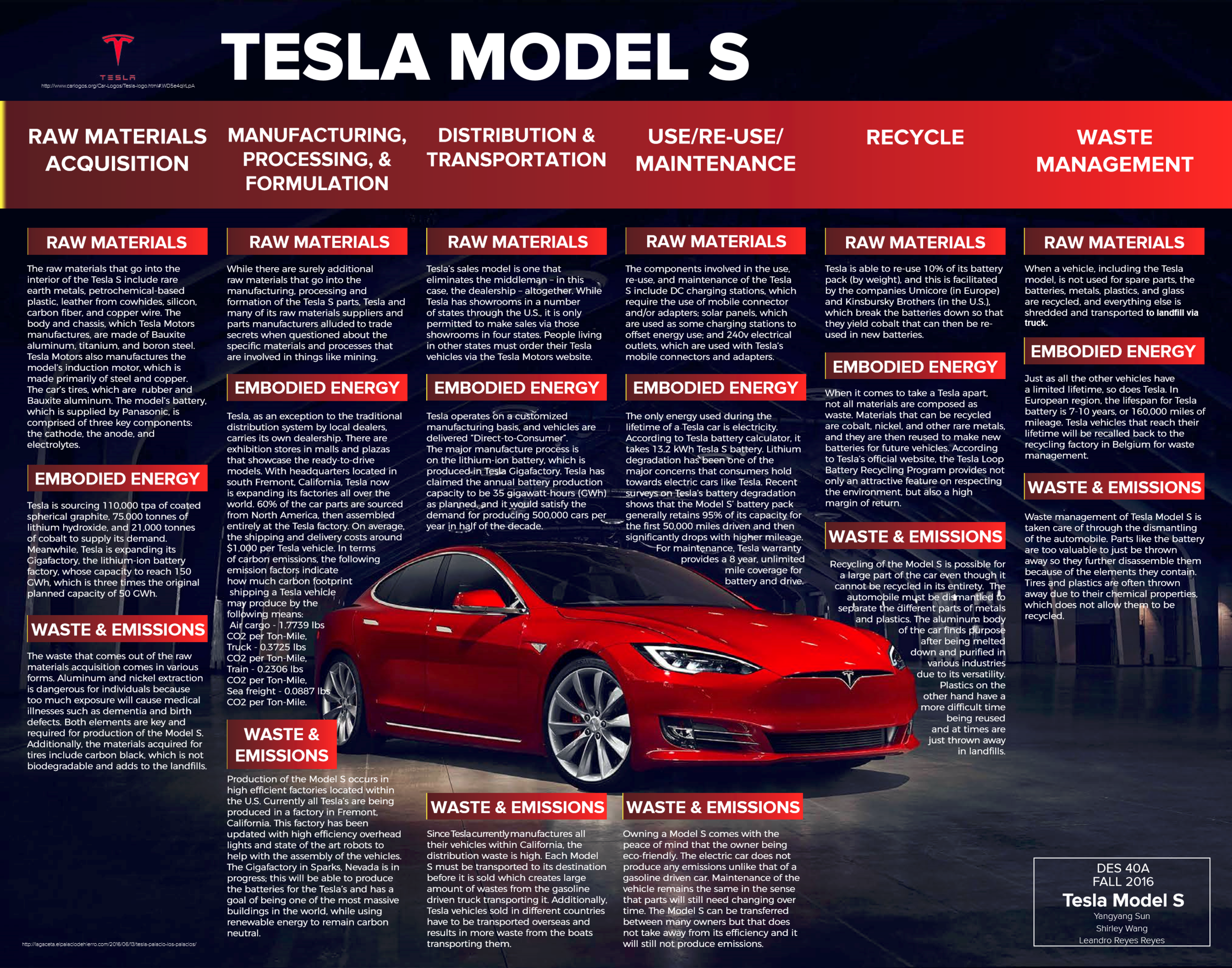
Underlying all of Tesla’s products and services are foundational technological advancements in key areas: battery chemistry, artificial intelligence, and manufacturing processes. These are the unsung heroes that enable Tesla’s ambitious goals.
Advancements in Battery Technology and Production
Batteries are the heart of Tesla’s operations, powering its vehicles and energy storage products. Tesla has consistently pushed the envelope in battery technology, focusing on increasing energy density, extending lifespan, improving safety, and reducing costs. While Tesla often partners with other battery manufacturers, it also conducts significant in-house research and development, particularly in cell design and manufacturing processes.
The “4680” battery cell, for instance, represents a significant technological leap. It promises increased range, power, and a substantial reduction in manufacturing cost, achieved through innovations in cell form factor, material chemistry (e.g., silicon anodes, nickel-based cathodes), and a dry electrode manufacturing process. Tesla’s efforts extend to vertical integration in battery production, from sourcing raw materials to recycling, aiming for a closed-loop system that enhances sustainability and supply chain control. These innovations are critical for making EVs more affordable and energy storage more widespread.
AI and Machine Learning: From FSD to Dojo
Artificial intelligence and machine learning permeate almost every aspect of Tesla’s technology. Beyond the FSD software, AI is crucial for optimizing battery performance, managing energy grids, and even improving manufacturing efficiency. Tesla employs a massive team of AI researchers and engineers, focusing on areas like computer vision, neural network architecture, reinforcement learning, and data pipelines.
A significant investment in this area is “Dojo,” Tesla’s custom-built supercomputer designed specifically for training its FSD neural networks. Dojo is an incredibly powerful, scalable machine learning training platform, built with custom silicon (the D1 chip) and a unique networking architecture. Its purpose is to process the colossal amounts of real-world driving data collected by Tesla’s fleet, allowing for rapid iteration and improvement of its AI models. Dojo represents Tesla’s commitment to vertical integration in AI hardware and software, providing an unparalleled advantage in developing sophisticated AI systems.
Gigafactories and Advanced Manufacturing Processes
Tesla’s approach to manufacturing is as revolutionary as its products. The concept of the “Gigafactory” signifies a massive, highly integrated facility designed to produce entire vehicles and battery packs under one roof, often including raw material processing and recycling. These factories are characterized by extreme automation, advanced robotics, and a focus on continuous process improvement.
Tesla strives to make the “machine that makes the machine” better, faster, and more efficient. Innovations in casting (e.g., Giga Press for large single-piece castings), cell-to-pack battery integration, and highly automated assembly lines aim to reduce production costs, simplify supply chains, and accelerate output. The goal is not just to build cars but to industrialize sustainable technology at an unprecedented scale. These factories are themselves vast technological undertakings, employing sophisticated software for logistics, quality control, and predictive maintenance, making them living laboratories for advanced manufacturing.
Tesla’s Vision for the Future: Expanding the Technological Frontier
Tesla’s technological journey is far from complete. The company consistently hints at and actively pursues new frontiers, expanding its definition of what it does and what is possible.
Robotics and General AI: The Optimus Bot
Perhaps one of Tesla’s most ambitious future projects is the development of the “Optimus” humanoid robot. Envisioned as a general-purpose bipedal robot, Optimus aims to perform dangerous, repetitive, or boring tasks, eventually augmenting or even replacing human labor in various settings. This project leverages Tesla’s extensive expertise in AI (particularly computer vision and neural networks), advanced robotics (motors, actuators, control systems), and battery technology.
Optimus represents a significant leap towards general artificial intelligence and robotics, pushing beyond the confines of automotive applications. If successful, it could redefine industries ranging from manufacturing and logistics to personal assistance, demonstrating Tesla’s long-term vision for applying its core technologies to broader societal challenges.
Expanding Electrification and Sustainability Efforts
Tesla’s commitment to accelerating the world’s transition to sustainable energy means continuous expansion into new forms of electrification and sustainability efforts. This includes ongoing improvements to EV battery range and charging speeds, broader adoption of grid-scale storage, and potentially new applications for its battery and AI technologies. The Cybertruck and Tesla Semi are prime examples of applying EV technology to new market segments (pick-up trucks and heavy-duty transport), showcasing the versatility and scalability of its underlying tech.
The company’s focus also extends to optimizing the entire lifecycle of its products, from sustainable sourcing of materials to advanced recycling programs for batteries and vehicle components, further cementing its role as a leader in circular economy principles within the tech sector.
Impact and Influence: Shaping the Future of Tech and Industry
What Tesla does has profound implications, not just for its own market share but for the broader technology landscape and global industries.
Accelerating EV Adoption and Renewable Energy Transitions
Tesla’s most undeniable impact has been its role in popularizing electric vehicles and proving their viability. By demonstrating that EVs can be desirable, high-performing, and technologically advanced, Tesla forced traditional automakers to accelerate their own EV development, leading to a global shift away from internal combustion engines. Similarly, its energy storage products have showcased the practical application and economic benefits of renewable energy integration, inspiring utilities and governments to invest more heavily in sustainable energy infrastructure. Tesla has, in essence, set a new benchmark for technological ambition and execution in crucial sectors.
Challenging Traditional Industries with Disruptive Innovation
Tesla operates as a disruptor, challenging established norms across multiple industries. Its direct-to-consumer sales model, software-defined vehicles, OTA updates, and vertically integrated approach to manufacturing and energy have forced competitors to rethink their own strategies. From silicon design for AI to large-scale casting in manufacturing, Tesla’s technological choices often diverge from industry standards, proving that audacious innovation can yield significant advantages. Its willingness to take risks and invest heavily in long-term technological bets continues to define its unique position and influence the trajectory of technology and industry worldwide.
In conclusion, “what Tesla does” is fundamentally about leveraging cutting-edge technology to build a sustainable future. Through its groundbreaking electric vehicles, integrated energy solutions, and foundational advancements in AI, battery technology, and manufacturing, Tesla is not just a company that builds products; it is an engineering powerhouse that continues to redefine technological boundaries and inspire a global transition towards a more sustainable and technologically advanced world.
aViewFromTheCave is a participant in the Amazon Services LLC Associates Program, an affiliate advertising program designed to provide a means for sites to earn advertising fees by advertising and linking to Amazon.com. Amazon, the Amazon logo, AmazonSupply, and the AmazonSupply logo are trademarks of Amazon.com, Inc. or its affiliates. As an Amazon Associate we earn affiliate commissions from qualifying purchases.