
In the competitive landscape of consumer goods, every ingredient tells a story. For brands, understanding the precise role and perception of core components is not merely a scientific exercise but a strategic imperative. Taurine, an organic acid widely recognized yet often misunderstood, serves as a prime example. From energy drinks to pet food, its presence spans diverse product categories, each leveraging its properties to craft a unique brand narrative. For marketers and brand strategists, the question “what does taurine do?” extends beyond its biochemical functions; it delves into how those functions translate into consumer benefits, brand claims, and ultimately, market differentiation.
This article explores the multifaceted world of taurine through a brand lens, examining how its scientific underpinnings inform strategic marketing, influence consumer perception, and shape corporate identity in various industries. We will dissect the art of crafting compelling brand narratives around this ubiquitous ingredient, while also addressing the risks and regulatory nuances that come with its powerful, sometimes misrepresented, image.
Taurine’s Multifaceted Role: Beyond the Ingredient List
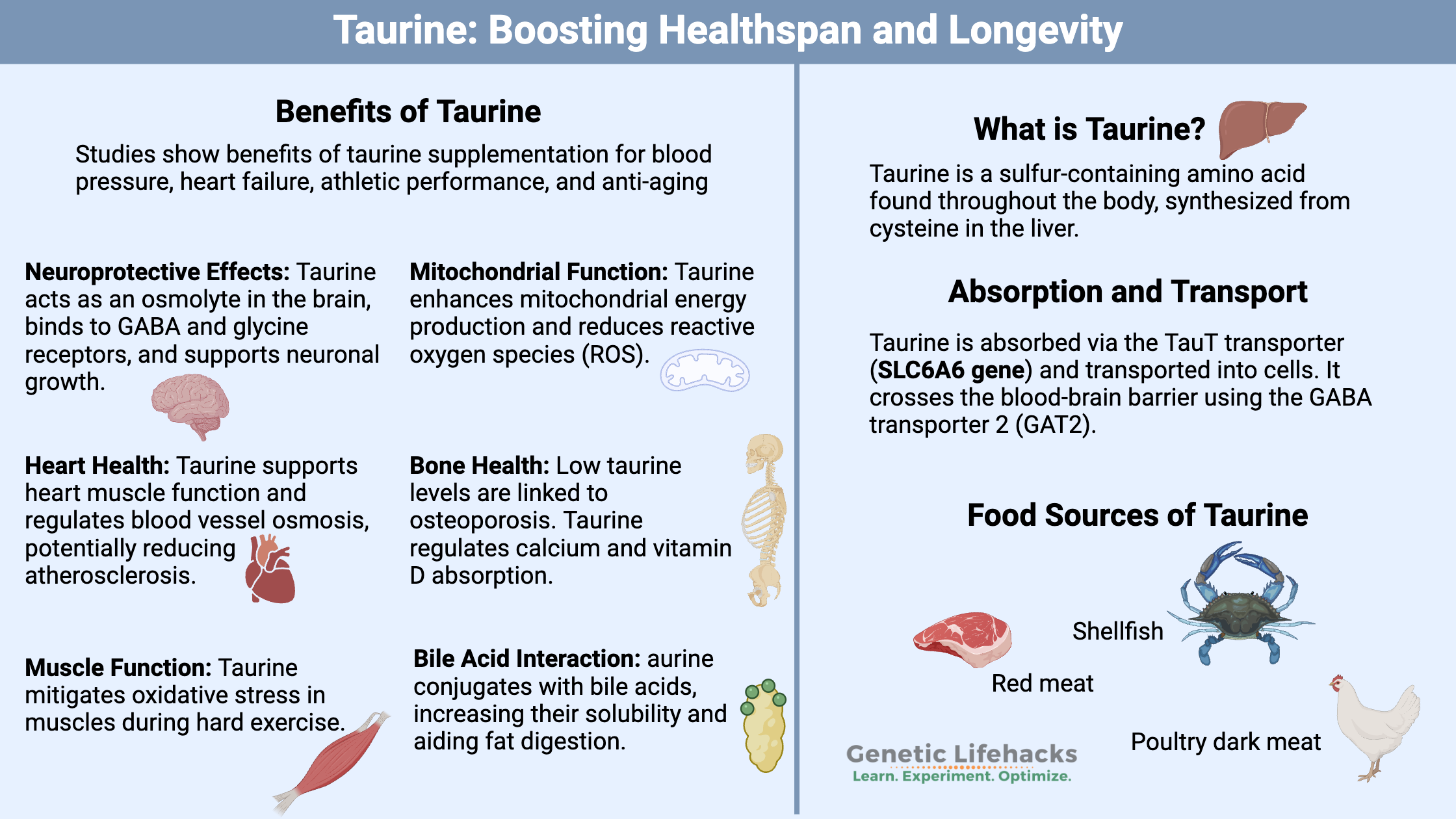
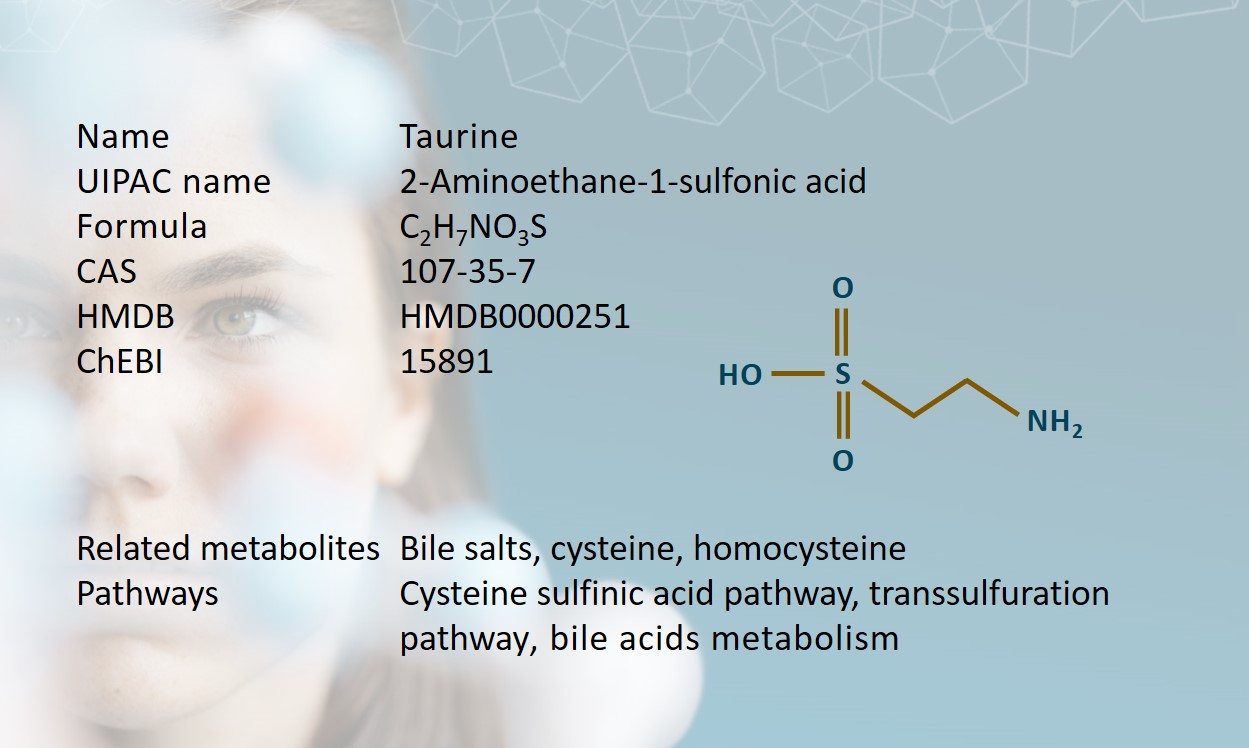
Taurine is not an amino acid in the traditional sense, as it lacks a carboxyl group, but it is often referred to as one due to its prevalence in proteins and its functional resemblance to amino acids. It’s naturally found in the human body, particularly in the brain, heart, eyes, and muscles, and in many animal-sourced foods. For brands, its natural occurrence and wide distribution offer a foundation for various product claims, but the nuance lies in how these claims are made and perceived.
The Scientific Foundation for Brand Claims
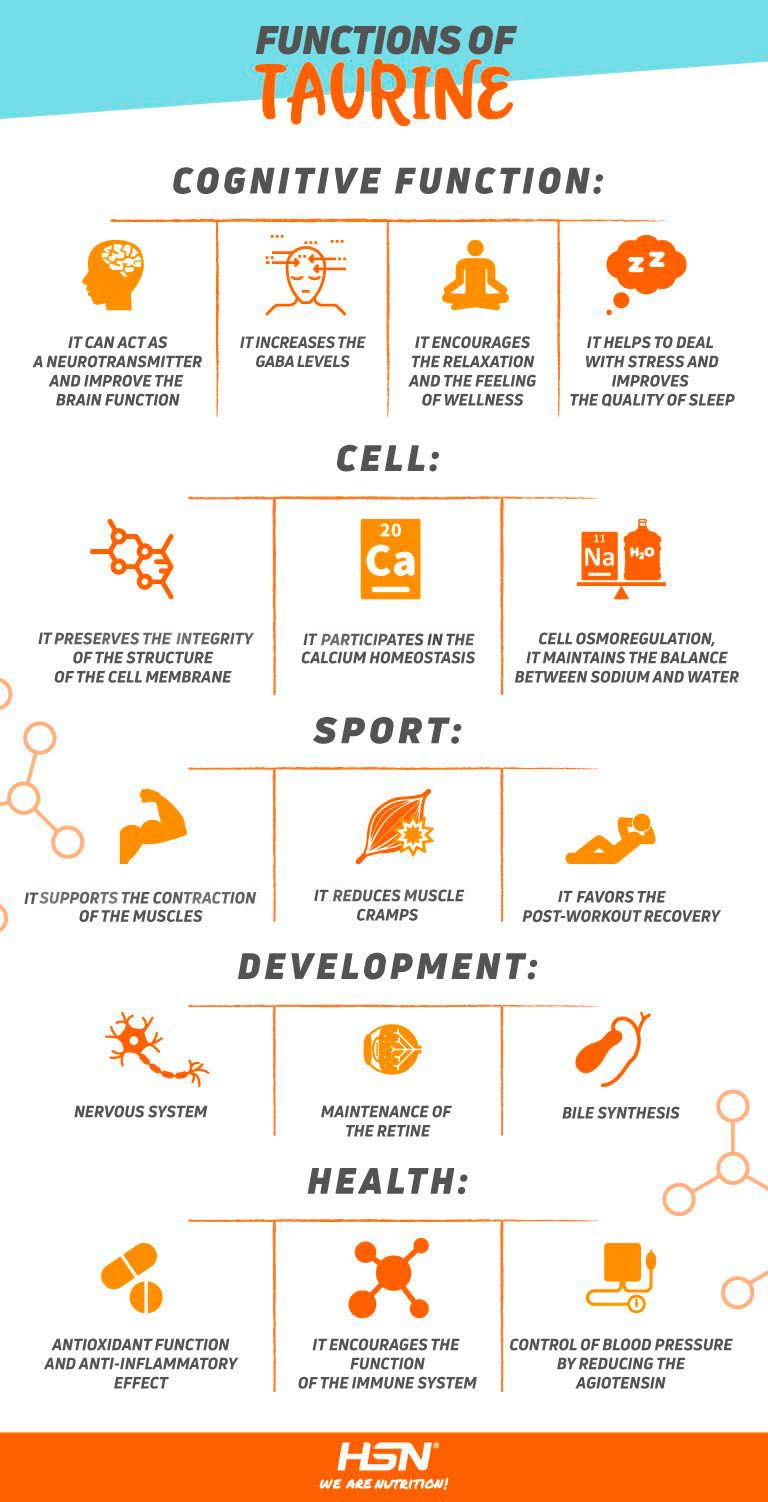
Scientifically, taurine plays several critical roles in the body. It’s involved in osmoregulation (maintaining proper hydration and electrolyte balance in cells), bile salt formation (essential for fat digestion), calcium signaling (crucial for nerve function and muscle contraction), and acts as an antioxidant, protecting cells from damage. Perhaps most relevant to consumer products, taurine is found in high concentrations in metabolically active tissues and plays a role in mitochondrial function, the “powerhouses” of our cells.
It’s important to clarify that taurine does not directly provide energy like carbohydrates or fats. Instead, it supports the body’s natural energy production processes. This distinction is critical for brands. A brand claiming “taurine gives you energy” might face scrutiny, whereas “taurine supports natural energy metabolism” or “taurine helps maintain cellular energy levels” is more scientifically accurate and therefore, more defensible.
For brands focusing on performance and recovery, taurine’s role in muscle function, antioxidant defense, and reducing exercise-induced muscle damage can be highlighted. For those in the wellness space, its contributions to heart health, vision, and nervous system function offer powerful positioning opportunities. Understanding these precise scientific mechanisms allows brands to develop claims that are both compelling and credible, avoiding the pitfalls of exaggeration that can erode trust.
Consumer Perception and Aspiration
The public’s understanding of taurine is largely shaped by its association with energy drinks. For many, it’s an ingredient linked to a quick “boost,” often bundled with caffeine and other stimulants. This perception, while powerful for certain product categories, also presents a branding challenge. Some consumers might view taurine as an artificial or potentially unhealthy additive, even though it’s naturally occurring and generally recognized as safe.
Brands must navigate this dual perception carefully. For an energy drink, the association with a “boost” aligns perfectly with their desired brand image. However, for a health supplement targeting heart health or cognitive function, this existing perception might need to be actively reshaped or circumvented. The aspirational aspect often centers around enhanced performance, improved focus, or overall vitality. Brands tap into these desires by associating taurine with achieving peak physical or mental states. The challenge is to differentiate the specific benefits of taurine from the overall product experience, especially when it’s part of a complex formulation. Effective branding in this context involves not just stating “what taurine does,” but how it contributes to the consumer’s desired outcome, and in a way that resonates with their values and understanding of health.
Crafting a Compelling Brand Narrative Around Taurine
The journey from a biochemical compound to a key brand differentiator requires strategic insight and creative execution. Brands that successfully integrate taurine into their narrative do so by deeply understanding its properties and aligning them with consumer desires.
Highlighting Unique Selling Propositions (USPs)
The secret to effective branding with taurine lies in isolating and emphasizing specific USPs that resonate with target audiences. For instance, a sports nutrition brand might focus on taurine’s role in “muscle recovery and electrolyte balance,” appealing to athletes seeking to optimize their post-workout regimen. A cognitive supplement brand, on the other hand, might highlight its contribution to “neurotransmitter function and mental clarity,” targeting professionals or students.
The key is not to list all the benefits, but to select the most relevant and impactful ones for a given product and audience. This requires careful market research to identify unmet needs and consumer aspirations. Is the brand aiming for an “all-natural” image? Then emphasizing taurine’s natural occurrence and role in the body becomes crucial. Is the brand about peak performance? Then its role in cellular efficiency and endurance might take center stage. Each choice dictates the tone, visuals, and messaging of the brand.
Strategic Marketing and Messaging
Once USPs are identified, they must be translated into compelling marketing and messaging. This involves crafting taglines that encapsulate the core benefit, developing visual identities that evoke the desired feelings (e.g., dynamism for energy, serenity for focus), and creating content that educates and persuades.
For example, an energy drink might use bold, action-oriented imagery and slogans like “Unleash Your Power” to amplify the perceived “boost” from taurine and caffeine. In contrast, a wellness brand might opt for softer, scientific visuals and educational content explaining taurine’s role in “cellular longevity” or “cardiac support.” Digital marketing channels offer an opportunity to dive deeper into the science, using blogs, infographics, and expert testimonials to build credibility. Social media campaigns can engage users with challenges or stories that demonstrate the product’s benefits, subtly reinforcing taurine’s role within that experience. The consistency of this messaging across all touchpoints – from packaging to advertisements – is paramount to building a strong and recognizable brand identity.
Differentiating in a Saturated Market
In categories where taurine is a common ingredient, differentiation becomes even more challenging. Simply stating “contains taurine” is rarely enough. Successful brands delve into how their taurine is sourced (e.g., synthetic vs. naturally derived), the concentration used, or how it interacts with other ingredients in their proprietary blend.
Consider the example of premium pet food brands. While many pet foods contain taurine, a brand might differentiate itself by emphasizing “human-grade taurine for optimal feline heart health” or “taurine specifically balanced for large breed dogs.” This level of detail elevates the ingredient from a mere line item to a hallmark of quality and specialized care. In the human supplement market, a brand might focus on the purity of its taurine, its vegan source, or its combination with other synergistic compounds, offering a more targeted benefit than generic alternatives. This strategic differentiation helps carve out a unique niche and justifies a premium price point, transforming a common ingredient into a distinct brand advantage.
Brand Risks and Regulatory Considerations
While taurine offers significant branding opportunities, it also comes with inherent risks, particularly concerning regulatory compliance and consumer trust. Brands must navigate a complex landscape of scientific understanding, public perception, and legal constraints.
Navigating Misinformation and Overstated Claims
The most significant brand risk associated with taurine stems from misinformation and the temptation to make exaggerated claims. The historical association of taurine with the intense effects of energy drinks has led to both overstatements of its benefits and unwarranted concerns about its safety. Brands that claim taurine is a direct stimulant or that it provides miraculous health cures risk not only regulatory action but also severe damage to their credibility.
Regulatory bodies in many countries scrutinize health claims rigorously. Claims about taurine’s effects on energy, cognition, or physical performance must be substantiated by robust scientific evidence. Brands making claims without this backing can face fines, product recalls, and irreparable harm to their reputation. Building a brand around taurine requires a commitment to scientific accuracy and responsible marketing, ensuring that all claims are truthful, not misleading, and adequately supported.
Building Trust Through Transparency
In an era of increasing consumer skepticism, transparency is a brand’s most valuable asset. For products containing taurine, this means openly communicating its source, purpose, and the scientific basis for its inclusion. Rather than just listing taurine on an ingredient panel, brands can use packaging, websites, and marketing materials to educate consumers about “what taurine does” in an accessible and truthful manner.
This transparency extends to addressing common misconceptions. For example, some brands actively counter the myth that taurine is derived from bull semen (it is not; its name comes from taurus, Latin for bull, because it was first isolated from ox bile). By proactively providing accurate information, brands can build a relationship of trust with their audience. Clear labeling, detailed FAQs, and accessible scientific explanations contribute to this trust, positioning the brand as an honest and reliable source of information, not just a product seller. Brands that embrace transparency demonstrate a commitment to consumer well-being, which ultimately strengthens brand loyalty and advocacy.
Case Studies: Taurine in Action Across Diverse Brands
Examining how different brands have successfully integrated taurine into their strategies provides valuable insights into its branding power. These examples demonstrate that “what does taurine do” can be interpreted and leveraged in various compelling ways, depending on the brand’s core mission and target audience.
The Energy Drink Giant: Red Bull’s Legacy
Perhaps the most iconic example of taurine in brand storytelling is Red Bull. When Red Bull first launched, taurine was a relatively unknown ingredient to the general public, often generating curiosity and even suspicion. Red Bull, however, masterfully integrated taurine (alongside caffeine and B vitamins) into its “gives you wiiings” narrative. Their branding focused not just on the ingredients themselves, but on the outcome: enhanced performance, increased alertness, and the ability to push limits.
Red Bull didn’t just sell a drink; it sold an experience and a lifestyle. Through extreme sports sponsorships, music events, and a consistent message of peak performance, Red Bull built a global brand that became synonymous with energy and ambition. While debates about taurine’s exact contribution to Red Bull’s effects continued, the brand’s powerful marketing ensured that taurine became an integral, albeit somewhat mysterious, part of its legendary status. This case illustrates how a brand can take an ingredient, even one facing skepticism, and embed it within a larger, aspirational narrative that transcends mere product features.
Health & Wellness Supplements: A Different Angle
Beyond the high-octane world of energy drinks, taurine finds a very different brand identity in the health and wellness supplement sector. Here, brands focus on its scientifically supported roles in bodily function, often without the stimulant association. For example, brands like NOW Foods or Life Extension offer standalone taurine supplements, emphasizing its benefits for cardiovascular health, neurological support, and antioxidant protection.
Their branding strategy is rooted in scientific credibility and a focus on long-term wellness rather than immediate effects. Messaging highlights research, recommended dosages, and the purity of their ingredients. The packaging often features clinical designs, and marketing efforts target health-conscious consumers seeking proactive solutions for specific health concerns. These brands leverage taurine’s established scientific profile to position themselves as trusted providers of foundational nutrients, demonstrating how the same ingredient can be branded entirely differently based on the product’s purpose and the consumer’s needs.
Functional Foods and Beverages: Subtle Integration
A growing category where taurine is finding its niche is functional foods and beverages, such as enhanced waters, protein bars, or certain dairy products. In this context, taurine’s branding is often more subtle, woven into a broader message of holistic wellness or specific functional benefits without being the primary hero ingredient.
For example, a brand of “focus-enhancing” sparkling water might list taurine alongside L-theanine and B vitamins, positioning the product as a natural way to achieve mental clarity without the jitters. A recovery-focused protein bar might include taurine to support muscle health, integrating it into a comprehensive blend of ingredients designed for post-exercise nutrition. Here, taurine contributes to the overall “functional” aspect of the food, aligning with a brand identity centered on intelligent nutrition and everyday well-being. The challenge for these brands is to effectively communicate taurine’s role without overwhelming the consumer, allowing it to subtly reinforce the product’s functional promise.
Conclusion
The question “what does taurine do?” is far more than a biological inquiry for brands; it’s a foundational strategic question. A deep understanding of taurine’s scientific properties, coupled with an awareness of consumer perceptions and regulatory landscapes, empowers brands to craft compelling narratives, differentiate their products, and build lasting trust.
Whether it’s fueling peak performance in an energy drink, supporting foundational health in a supplement, or subtly enhancing a functional food, taurine’s versatility offers a spectrum of branding opportunities. However, success hinges on accuracy, transparency, and a commitment to responsible marketing. In an increasingly discerning market, brands that effectively articulate the “what” and “why” behind their ingredients, like taurine, are best positioned to resonate with consumers, stand out from the competition, and cultivate enduring brand loyalty. For brand strategists, taurine serves as a powerful reminder that every ingredient, no matter how small, can be a cornerstone of a powerful and persuasive brand identity.
aViewFromTheCave is a participant in the Amazon Services LLC Associates Program, an affiliate advertising program designed to provide a means for sites to earn advertising fees by advertising and linking to Amazon.com. Amazon, the Amazon logo, AmazonSupply, and the AmazonSupply logo are trademarks of Amazon.com, Inc. or its affiliates. As an Amazon Associate we earn affiliate commissions from qualifying purchases.