
Taleggio is a cheese that occupies a unique space in the culinary world, often serving as a litmus test for a consumer’s sophistication and openness to bold flavor profiles. While many cheeses are defined by a singular, straightforward profile—creamy, sharp, or salty—Taleggio offers a complex, multi-layered experience that challenges the palate. Understanding its flavor profile requires a shift in perspective, moving away from the mild, mass-produced varieties found in standard grocery aisles toward the nuanced, historical tradition of Italian washed-rind cheeses. To truly grasp what Taleggio tastes like, one must appreciate the delicate balance between its assertive aroma and its unexpectedly gentle, luxurious texture.
The Sensory Architecture of Taleggio
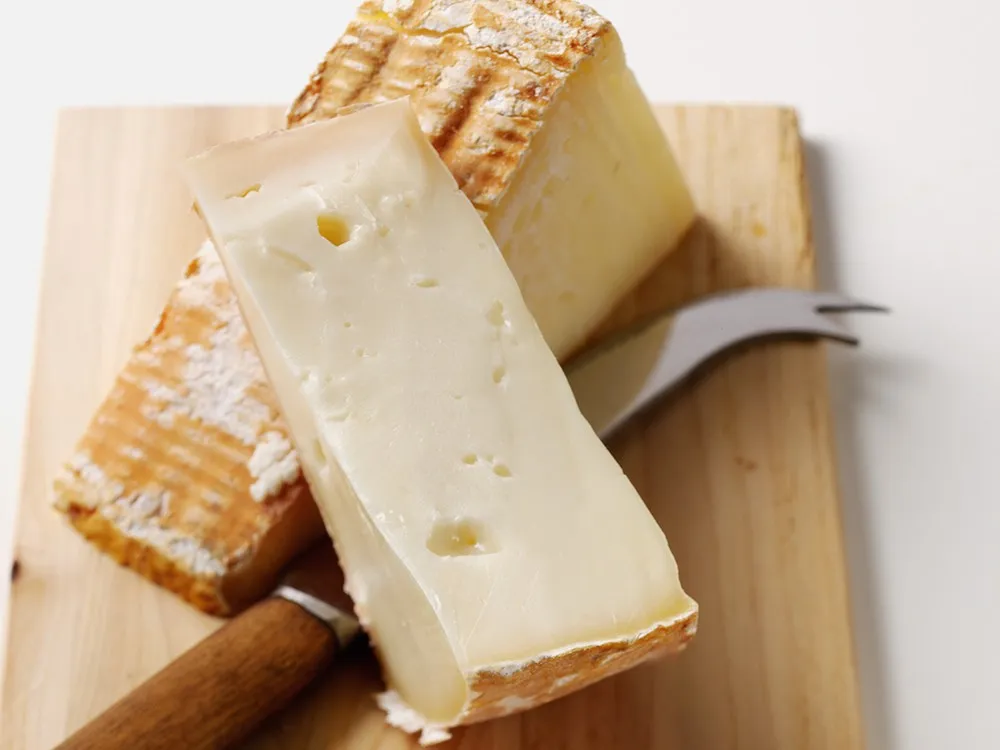
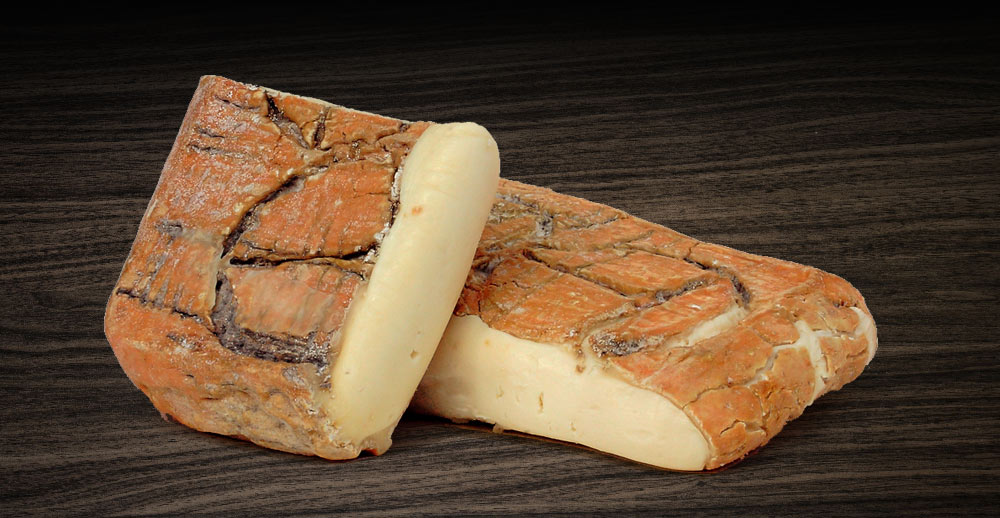
The flavor of Taleggio is an exercise in contrast. At first glance, its appearance—a square, ivory-colored block with a thin, dusty, orange-pink rind—suggests a pungent experience. The aroma is undeniably earthy, often described as “funky” or reminiscent of a damp cellar or forest floor. For the uninitiated, this scent can be intimidating. However, the true beauty of Taleggio lies in how this olfactory intensity masks a remarkably mild and approachable interior.
The Contrast Between Aroma and Palate
When the cheese is sliced, the rind—the primary source of that intense, barnyard-like aroma—is usually separated from the paste, though it is technically edible. The interior, or the “paste,” possesses a semi-soft, buttery consistency that coats the tongue. On the palate, the initial sensation is one of profound creaminess, followed quickly by a mild, fruity tang. It lacks the aggressive acidity of a goat cheese or the biting saltiness of a Pecorino. Instead, Taleggio offers a savory, yeast-driven profile that leans toward notes of melted butter, toasted hazelnuts, and a faint, lingering sweetness.
Understanding the Washed-Rind Process
The unique taste of Taleggio is a direct result of its production method. As a washed-rind cheese, it is periodically bathed in brine during its aging process, which typically lasts between six to ten weeks. This washing technique encourages the growth of specific bacteria, notably Brevibacterium linens, on the surface. These bacteria are responsible for the distinctive orange hue of the rind and the pungent, savory aromatic compounds. This process ensures that the exterior remains moist and flavorful, while the interior undergoes a gradual ripening that transforms the curd into a silky, semi-liquid state.
Navigating the Flavor Profile
To describe Taleggio simply as “salty” or “stinky” is to do it a disservice. It is a nuanced food that shifts in character based on age and preparation. A younger Taleggio will be firmer and more acidic, while an aged wheel will be much softer, almost runny, with a deepened, savory umami quality that can evoke thoughts of cured meats or mushrooms.
Notes of Earth and Nut
When you consume Taleggio, the flavor progression typically follows a distinct path. It begins with a clean, milky sweetness that mirrors the high-quality cow’s milk used in its production in the Lombardy region of Italy. As the cheese warms on the tongue, that initial sweetness recedes, giving way to an earthy, savory mid-palate. Many aficionados detect subtle hints of wild mushrooms, truffles, or toasted nuts. This is not the sharp, stinging flavor of an aged cheddar, but rather a mellow, rounded richness that feels substantial and grounding.

The Role of Terroir and Tradition
The flavor profile is inextricably linked to the geography of its origin. Produced primarily in the Val Taleggio area, the cheese benefits from the alpine environment and the specific diet of the cows that graze there. This “terroir” imparts a floral and grassy undertone that occasionally makes its way into the finish. When purchasing Taleggio, seek out “Taleggio DOP” (Denominazione di Origine Protetta). This certification guarantees that the cheese is produced according to traditional methods, ensuring that the interplay between the rind’s pungency and the interior’s sweetness is authentic and balanced.
Incorporating Taleggio into Culinary Applications
Because Taleggio is a semi-soft cheese with a high moisture content, its flavor changes significantly when subjected to heat. This makes it a versatile tool for chefs and home cooks alike who are looking to add depth to their dishes without overwhelming them with acidity or extreme sharpness.
Melting Qualities and Culinary Potential
Taleggio is one of the premier melting cheeses in Italian cuisine. Because it lacks a tough, stringy texture, it liquefies into a velvety, glossy sauce when heated. When melted, the pungency of the rind dissipates significantly, leaving behind a smooth, savory base that pairs perfectly with polenta, risotto, or roasted vegetables. A dish like risotto with Taleggio and radicchio is a classic example of how the cheese’s sweet, earthy qualities balance the bitterness of the greens and the starchiness of the rice.
Pairing Strategies for the Ultimate Experience
To appreciate the taste of Taleggio at its best, it should be served at room temperature. Cold Taleggio is muted; warmed Taleggio is aromatic and expressive. When pairing with wine, opt for reds from the same region, such as a Barbera or a Nebbiolo. These wines possess enough structure to stand up to the cheese’s richness while providing bright acidity to cut through the fat. If you prefer white wine, a crisp, mineral-forward wine like a Vermentino or a lightly oaked Chardonnay can highlight the buttery, nutty notes of the cheese. For non-alcoholic pairings, a tart fruit compote—such as pear or fig—provides a necessary sugar contrast to the savory notes of the rind.
Overcoming the “Funky” Barrier
The primary barrier to enjoying Taleggio is the fear of its intensity. Many consumers equate a strong smell with a bad flavor, but in the world of artisan cheese, the nose is often more aggressive than the tongue. If you find the aroma of the rind overwhelming, the simplest solution is to trim the rind before serving. While the rind contains the depth of the cheese’s character, the paste remains delicious on its own.
The Progression of an Aficionado
Transitioning toward enjoying Taleggio is a sign of a maturing palate. It requires the diner to appreciate the “funky” notes as intentional expressions of fermentation rather than signs of spoilage. By starting with smaller bites and allowing the cheese to sit out for at least 30 to 45 minutes before consumption, the flavors fully awaken. Over time, the intensity that once seemed intimidating becomes the very reason the cheese is sought after. The complexity of the flavor—the way it moves from sweet to savory to earthy—offers a satisfaction that simpler, milder cheeses simply cannot provide.
The Final Verdict on Taste
Ultimately, Taleggio tastes like a journey. It begins with the rustic, challenging scent of the alpine countryside, transitions into a lush, buttery texture that provides immediate comfort, and finishes with a sophisticated, lingering savouriness. It is a cheese that demands patience, rewarding the eater with a profound depth of flavor that lingers long after the last bite. Whether melted over a hot dish or enjoyed simply on a slice of rustic bread, Taleggio stands as a testament to the idea that true flavor is found in the middle ground between the delicate and the bold. It is essential for anyone looking to expand their culinary horizons and experience the authentic, historical heart of Italian dairy craftsmanship.
aViewFromTheCave is a participant in the Amazon Services LLC Associates Program, an affiliate advertising program designed to provide a means for sites to earn advertising fees by advertising and linking to Amazon.com. Amazon, the Amazon logo, AmazonSupply, and the AmazonSupply logo are trademarks of Amazon.com, Inc. or its affiliates. As an Amazon Associate we earn affiliate commissions from qualifying purchases.