
In the rapidly evolving landscape of digital entertainment, the vocabulary used by players often reflects the shifting dynamics of how games are played, perceived, and developed. One of the most prevalent and polarizing terms to emerge in recent years is “sweaty.” While the word conjure images of physical exertion, its application within the gaming sphere is deeply rooted in the intersection of software design, hardware optimization, and the psychological pressure of modern competitive environments.
To understand what it means to be “sweaty” is to understand the current state of the gaming industry. It is a term that encapsulates the friction between casual enjoyment and the relentless pursuit of perfection enabled by high-end technology and sophisticated matchmaking algorithms.
Defining the “Sweat”: The Anatomy of High-Effort Play
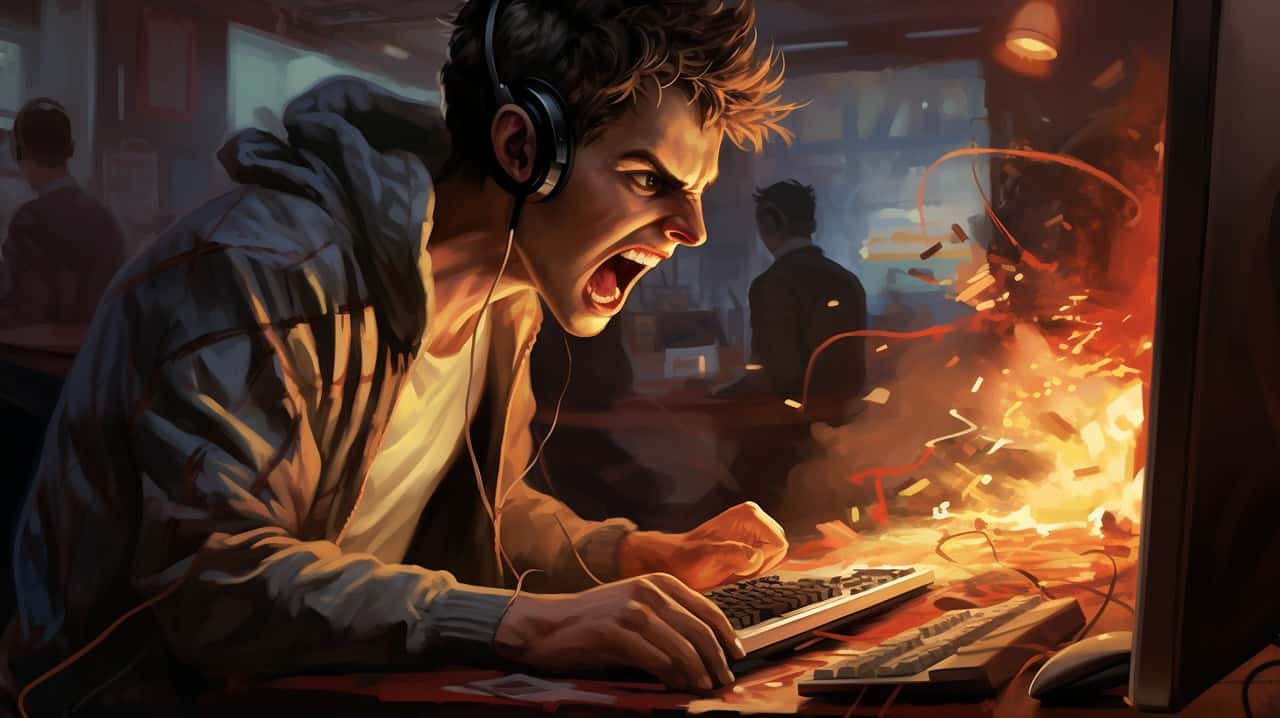
At its most basic level, a “sweaty” player is someone who is trying incredibly hard to win, often to the point of perceived overexertion in a setting that others consider casual. The term originates from the literal idea that a player is working so hard—moving their hands across a controller or keyboard with such intensity—that they are physically perspiring.
The Origins and Etymology of the “Tryhard”
Before the term “sweaty” dominated voice chats and Discord servers, the gaming community used the label “tryhard.” Both terms describe the same phenomenon: a player who refuses to “turn off” their competitive drive, regardless of the stakes. In the early days of online shooters like Halo or Counter-Strike, these players were often respected for their skill but mocked for their intensity.
As gaming transitioned from a niche hobby to a global tech powerhouse, the term “sweaty” gained traction, particularly within the battle royale genre. Games like Fortnite, Apex Legends, and Call of Duty: Warzone created environments where a single mistake could result in immediate disqualification from a match. This high-stakes environment necessitated a “sweaty” approach, which eventually bled into every corner of online multiplayer software.
Identifying Sweaty Behavior: Mechanics and Mindset
Sweaty gameplay is characterized by the use of “meta” (Most Effective Tactic Available) strategies. This includes:
- Optimal Loadouts: Using only the statistically superior weapons or characters, often identified through data mining and software analysis.
- Advanced Movement: Utilizing exploits or complex mechanical inputs, such as “slide-canceling,” “bunny hopping,” or “crouch-strafing,” to become a harder target.
- Constant Vigilance: Maintaining a level of focus that leaves no room for experimentation or relaxation.
For a sweaty player, the game is no longer a sandbox for digital exploration; it is a system to be solved and dominated through mechanical precision.
The Technological Evolution of Competitive Gaming
The rise of the “sweat” is not merely a social shift; it is a direct result of advancements in software engineering and hardware capabilities. The tools available to modern gamers have lowered the barrier to professional-level performance, creating a crowded field where everyone is vying for a competitive edge.
Skill-Based Matchmaking (SBMM) and the Friction of Algorithmic Play
Perhaps the most significant technological driver of “sweaty” culture is Skill-Based Matchmaking (SBMM). Modern multiplayer titles utilize complex machine-learning algorithms to analyze player data—including Kill/Death ratios, win percentages, and even movement patterns—to place them in lobbies with opponents of similar skill levels.
From a software design perspective, SBMM is intended to protect new players from being overwhelmed by veterans. However, for the average-to-above-average player, it creates a “hamster wheel” effect. Because the algorithm constantly adjusts the difficulty to match the player’s peak performance, every match feels like a high-stakes tournament final. This technological implementation forces players to play “sweaty” just to remain competitive, effectively eliminating the possibility of a “casual” session.
Hardware Advantages: From High Refresh Rates to Custom Controllers
The “sweaty” phenomenon is also fueled by the hardware arms race. In the current era, the difference between winning and losing often comes down to milliseconds of input latency.
- High-Refresh Hardware: Players utilizing 240Hz or 360Hz monitors paired with high-end GPUs have a distinct visual advantage over those on standard 60Hz displays. The smoother frame delivery allows for more precise tracking and faster reaction times.
- Input Optimization: Software suites like NVIDIA Reflex and AMD Radeon Anti-Lag are designed to minimize the delay between a mouse click and an on-screen action.
- Pro-Grade Peripherals: Custom controllers with back paddles and mechanical-switch keyboards allow for complex inputs that would be impossible on standard hardware.
When a player invests thousands of dollars into a high-performance rig, their playstyle naturally shifts toward the “sweaty.” The technology demands a level of performance that justifies the investment, further blurring the line between hobbyist and professional.
The Cultural Divide: Casual vs. Competitive Playstyles
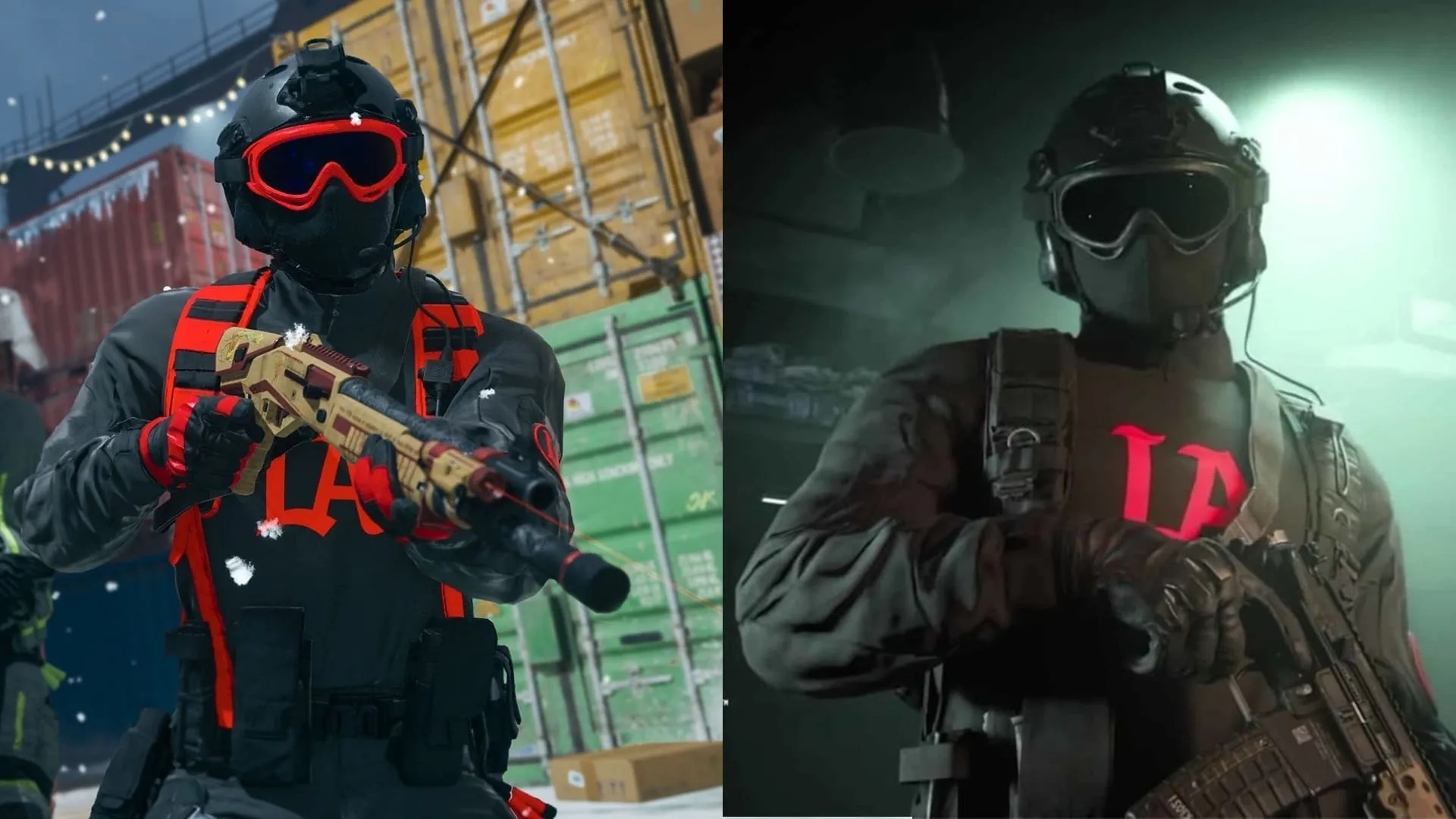
The tension surrounding “sweaty” gaming highlights a growing schism in the digital community. As gaming becomes more integrated with social media and content creation, the pressure to perform has never been higher.
The “Tryhard” Paradox
There is an inherent paradox in the criticism of sweaty players. In almost any other discipline—sports, music, or coding—putting in maximum effort is praised. In gaming, however, “sweating” is often used as a pejorative. This stems from a desire for “escapism.” Many users view video games as a way to unwind after a day of work or school. When they encounter a player who is utilizing every mechanical exploit and high-end peripheral to win a low-stakes match, it disrupts the relaxing nature of the software.
Conversely, competitive players argue that playing to win is the fundamental purpose of the game. To them, “sweating” is simply the act of engaging with the game’s systems to their fullest extent. This cultural clash is a recurring theme in the feedback loops between developers and their player bases.
Content Creation and the “Sweat” Economy
The rise of platforms like Twitch and YouTube has commodified high-level play. Streamers and content creators are often rewarded for “high-kill” games and flashy mechanics. To maintain an audience, these creators must play at a “sweaty” level consistently. This has a trickle-down effect: viewers see their favorite streamers using specific “meta” builds and movement techniques, and they replicate them in their own matches.
This “sweat economy” ensures that the highest level of play is always visible, setting a new standard for what is considered “normal” performance. As a result, the average skill floor of the entire gaming population rises, making the environment more intense for everyone involved.
Impact on Game Design and Software Development
Developers are acutely aware of the “sweaty” meta-game, and it heavily influences how they build and update their software. Every patch note, balance change, and new feature is a response to how the most dedicated players are interacting with the system.
Balancing Meta-Games and Power Creep
When a certain strategy becomes too “sweaty”—meaning it is so effective that it becomes mandatory for success—developers must step in to “nerf” (weaken) or “buff” (strengthen) various elements. This constant cycle of balancing is a technical necessity to prevent the game from becoming stagnant.
However, this often leads to “power creep,” where new content must be increasingly complex or powerful to compete with the existing meta. This cycle rewards players who spend time studying frame data and patch notes, further entrenching the sweaty culture within the game’s ecosystem.
Accessibility vs. Depth in Modern UI/UX
The “sweaty” trend also impacts User Interface (UI) and User Experience (UX) design. Developers must balance providing deep, technical information (such as detailed weapon stats and recoil patterns) for competitive players while keeping the interface accessible for casual users. Features like “Ranked Modes” are software-based solutions designed to partition the “sweaty” players away from the casual population, though these systems are often circumvented by “smurfing” (experienced players creating new accounts to play against beginners).
The Future of High-Stakes Gaming: AI and Advanced Analytics
As we look toward the future, the concept of being “sweaty” will likely be redefined by artificial intelligence and big data. We are already seeing the emergence of AI-driven coaching software that analyzes a player’s VODs (Video on Demand) to provide real-time feedback on their positioning and aim.
Furthermore, telemetry data is becoming more granular. Developers can now track exactly where a player’s crosshair is at every millisecond of a match. This data-driven approach to gaming suggests that “sweating” will move beyond mechanical skill and into the realm of pure optimization. In the future, the “sweatiest” players may not be the ones with the fastest reflexes, but the ones who best utilize AI-augmented tools to perfect their digital performance.
In conclusion, “sweaty” is more than just a slang term for a competitive player. It is a reflection of a technological era where the lines between software, hardware, and human performance are increasingly blurred. As long as there are rankings to climb and algorithms to master, the “sweat” will remain a fundamental part of the gaming experience, driving both innovation in game design and intensity in the digital arena.
aViewFromTheCave is a participant in the Amazon Services LLC Associates Program, an affiliate advertising program designed to provide a means for sites to earn advertising fees by advertising and linking to Amazon.com. Amazon, the Amazon logo, AmazonSupply, and the AmazonSupply logo are trademarks of Amazon.com, Inc. or its affiliates. As an Amazon Associate we earn affiliate commissions from qualifying purchases.