
The question “what does Surge taste like?” transcends a mere inquiry into flavor; it delves into the very essence of brand identity, strategic positioning, and the intricate dance between sensory experience and consumer loyalty. For beverage brands, taste is not merely an attribute; it is the cornerstone upon which an entire corporate identity is built, marketed, and sustained. Surge, a citrus-flavored soda initially launched by The Coca-Cola Company in the 1990s, offers a compelling case study in how a distinct taste profile can define, differentiate, and even resurrect a brand in a fiercely competitive market.

The Sensory Foundation of Brand Identity
In the realm of consumer goods, particularly food and beverages, the product’s taste is its most potent and direct communication with the consumer. It is the immediate, visceral experience that shapes perception, drives repeat purchases, and ultimately dictates market longevity. For a brand like Surge, understanding and leveraging its unique flavor profile was not just about concocting a pleasant drink, but about engineering a specific market position and forging a memorable identity.
Beyond Flavor: Crafting a Brand Experience
A brand’s taste is never an isolated element; it is part of a holistic sensory experience. Packaging, aroma, texture, and even the sound of a carbonated drink being poured all contribute to the overall perception. However, the taste itself remains paramount. For Surge, its distinctive citrus explosion was meticulously crafted to evoke a sense of exhilaration and intensity, directly aligning with its “fully loaded citrus soda” marketing slogan. This wasn’t just a drink; it was an experience designed to be bold, impactful, and memorable, targeting a demographic that sought an alternative to the perceived mellowness of traditional sodas. The brand’s identity was thus intrinsically linked to the powerful, almost aggressive, nature of its flavor profile.
The Role of Taste in Consumer Loyalty
Taste is a powerful driver of consumer loyalty. When a specific flavor resonates deeply with an individual, it can create an almost addictive appeal, fostering brand attachment that goes beyond rational choice. For Surge, its unique blend of sweet, tart, and intensely carbonated citrus became a signature. Consumers who gravitated towards this specific profile found it difficult to substitute, leading to a dedicated following. This loyalty is not just about preference; it’s about the brand delivering on a specific, unique sensory promise that competitors either couldn’t or wouldn’t replicate. The distinctiveness of Surge’s taste built a loyal niche, a testament to how sensory differentiation can cultivate enduring customer relationships and even fuel demand for a brand’s return years after its initial discontinuation.
Surge: A Case Study in Palate-Driven Branding
Surge’s journey through the beverage market illustrates the profound impact of a product’s core taste on its brand trajectory, from initial market entry to cult-like resurgence. Its flavor was not just a recipe; it was a strategic weapon.
Initial Impact: The 90s Refreshment Wars
Launched in 1996, Surge entered a market dominated by established cola giants and a growing array of niche beverages. Its branding explicitly positioned it against Mountain Dew, aiming to capture a younger, more adventurous demographic seeking an “extreme” taste experience. The flavor profile — an incredibly sweet, intensely citrus, highly carbonated soda — was a direct manifestation of this strategy. It was designed to be unapologetically bold, to “hit harder” and “quench with an edge.” The taste was an integral part of its rebellious brand image, a sensory expression of its challenge to the status quo. It wasn’t designed to be universally appealing in a subtle way, but rather intensely appealing to a specific segment, relying on its aggressive flavor to carve out a distinct identity. This focused sensory assault was key to its initial, albeit brief, success.
The Resurgence: Leveraging Nostalgia and Distinct Flavor
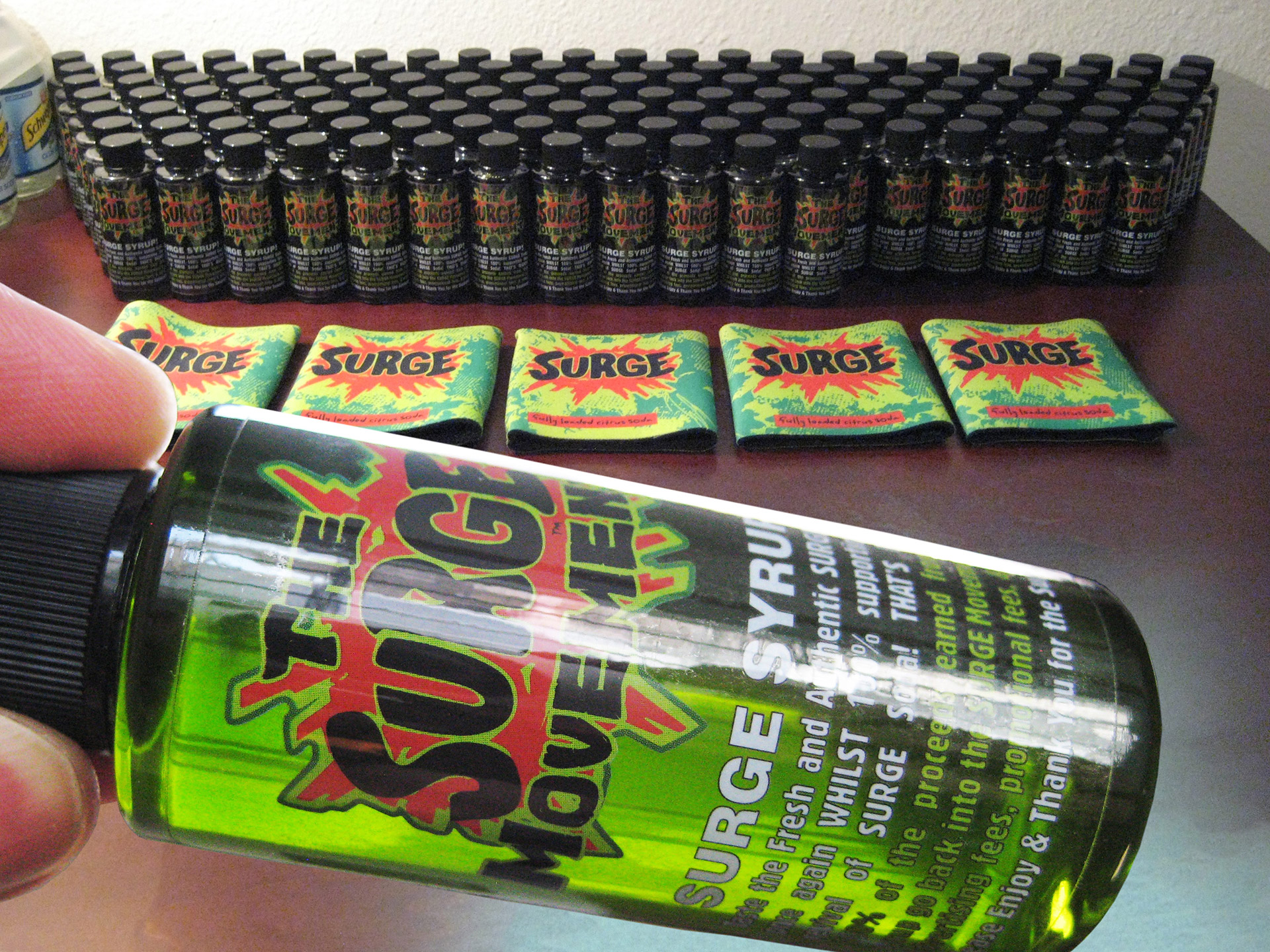
After its discontinuation in 2000, Surge developed a cult following, largely fueled by nostalgia for its distinctive taste. Online communities formed, petitioning Coca-Cola for its return. This grassroots movement highlighted the enduring power of a specific flavor memory. When Coca-Cola re-launched Surge in 2014, initially through Amazon and later in select retail stores, it was a direct response to this demand. The “resurgence” was entirely predicated on the desire for that specific, unforgettable taste experience. The marketing strategy for the re-launch wisely leaned into this nostalgia, celebrating the return of the original flavor. This demonstrated that a truly unique taste profile can transcend market cycles, creating a legacy that brands can later tap into, turning past popularity into future sales. The brand’s taste became its most powerful asset for revival.
Deconstructing Surge’s Flavor Profile and Its Market Position
To understand Surge’s brand strategy, one must dissect its flavor. It’s not just “citrus”; it’s a carefully engineered symphony of sensations designed to occupy a specific niche.
The “Citrus Blast” Profile: Differentiating in a Crowded Market
Surge’s taste is characterized by an assertive, almost electrifying burst of citrus, dominated by strong notes of lemon and lime, underpinned by a significant sweetness. Unlike many other citrus sodas that might aim for a more balanced or subtly refreshing profile, Surge was engineered for intensity. Its high sugar content and aggressive carbonation amplify this effect, delivering a sharp, almost biting sensation on the palate. This “blast” effect was critical to its brand differentiation. In a market where many beverages aimed for broad appeal, Surge deliberately opted for a more polarizing, yet highly memorable, taste. It wasn’t trying to be everyone’s favorite; it aimed to be the favorite for those who craved an unadulterated, high-energy citrus hit. This specific sensory delivery was its competitive edge, creating a distinct “flavor personality” that stood out.
Packaging the Palate: Visuals and Marketing Messaging
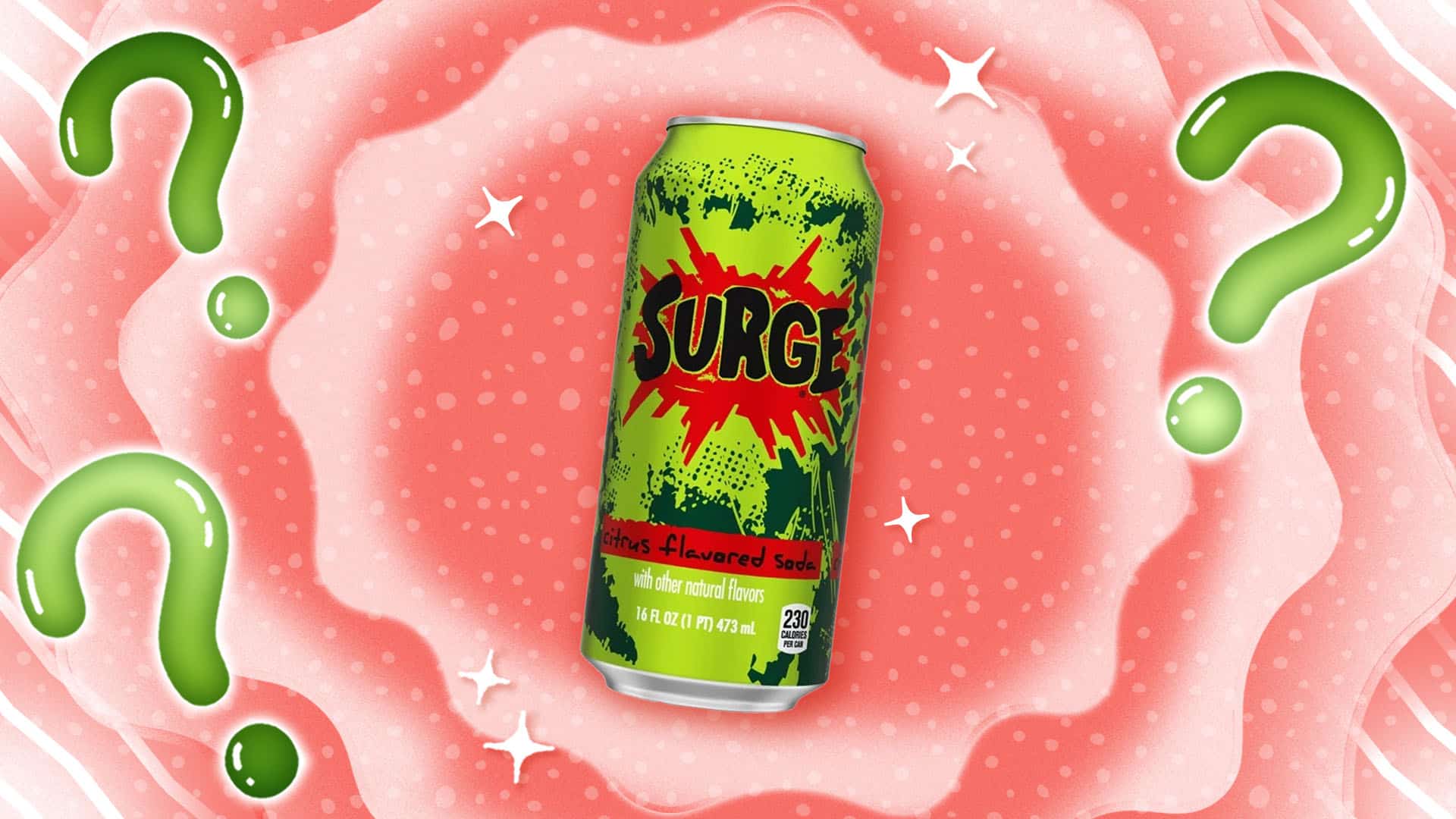
The visual identity and marketing messaging for Surge were perfectly synchronized with its taste profile. The vibrant green packaging, often featuring dynamic, angular graphics, visually communicated the “surge” of energy and flavor promised by the drink. Slogans like “Feed the Rush” and “Fully Loaded Citrus Soda” didn’t just describe the drink; they described the experience of drinking it, an experience directly tied to its intense taste. This synergy between the sensory product, its visual representation, and its verbal messaging created a cohesive brand narrative. The taste itself was a narrative—a story of extreme refreshment, high energy, and bold individuality—that was consistently reinforced across all brand touchpoints.
The Enduring Power of a Distinct Taste in Brand Longevity
The journey of Surge underscores a fundamental principle in brand strategy: a unique and compelling taste can be a brand’s most enduring asset, fostering community and offering resilience against market shifts.
Cultivating Community Through Shared Sensory Experience
The strong, distinct taste of Surge was instrumental in cultivating a dedicated community. For its enthusiasts, sharing a Surge was more than just sharing a drink; it was sharing a specific, intense sensory experience that few other beverages could replicate. This shared experience formed the basis of connection, sparking conversations, memories, and collective advocacy for its return. This phenomenon highlights how a product’s taste, when sufficiently unique and impactful, can become a cultural touchstone, binding consumers together and transforming passive consumption into active community engagement. Brands that achieve this level of sensory connection build a foundation of loyalty that is remarkably resilient.
Adapting Flavor for Evolving Consumer Preferences
While Surge’s success was tied to its original, intense flavor, the long-term longevity of any brand also hinges on its ability to adapt. As consumer preferences evolve towards less sugary options or more natural ingredients, brands built on distinct flavor profiles face the challenge of maintaining their core identity while innovating. For Surge, this could mean exploring lower-sugar variants that retain the “blast” essence, or incorporating new natural citrus notes without diluting the original appeal. The brand lesson here is that while a strong, original taste anchors identity, strategic evolution of that taste — or new product lines that complement it — is crucial for sustained relevance in an ever-changing market. The question then becomes not just “what does Surge taste like?” but “what could Surge taste like while remaining unmistakably Surge?” This forward-looking perspective on taste ensures that a powerful brand asset continues to drive engagement and market share for decades to come.
aViewFromTheCave is a participant in the Amazon Services LLC Associates Program, an affiliate advertising program designed to provide a means for sites to earn advertising fees by advertising and linking to Amazon.com. Amazon, the Amazon logo, AmazonSupply, and the AmazonSupply logo are trademarks of Amazon.com, Inc. or its affiliates. As an Amazon Associate we earn affiliate commissions from qualifying purchases.