
While the common perception of a Supreme Court Justice revolves around landmark social decisions and constitutional interpretations, their role as the ultimate gatekeepers of the American economy is perhaps their most significant day-to-day impact. In the world of “Money”—encompassing personal finance, corporate strategy, and global investing—a Supreme Court Justice acts as the final referee. Their decisions dictate the flow of capital, the limits of regulatory power, and the stability of the markets. To understand what a Supreme Court Justice does is to understand the legal infrastructure that allows the modern financial system to function.
Defining the Role: The Judicial Gatekeeper of the National Economy
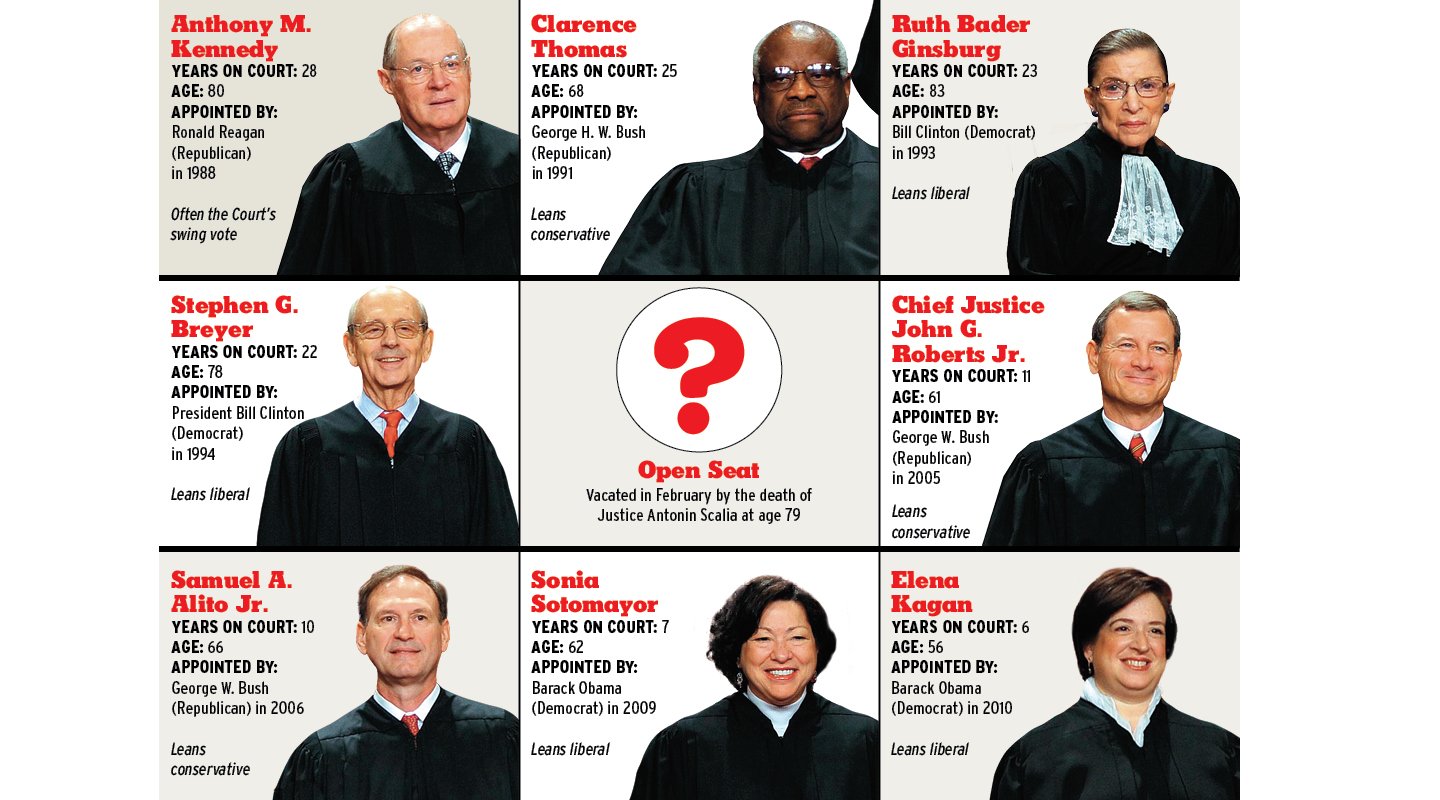
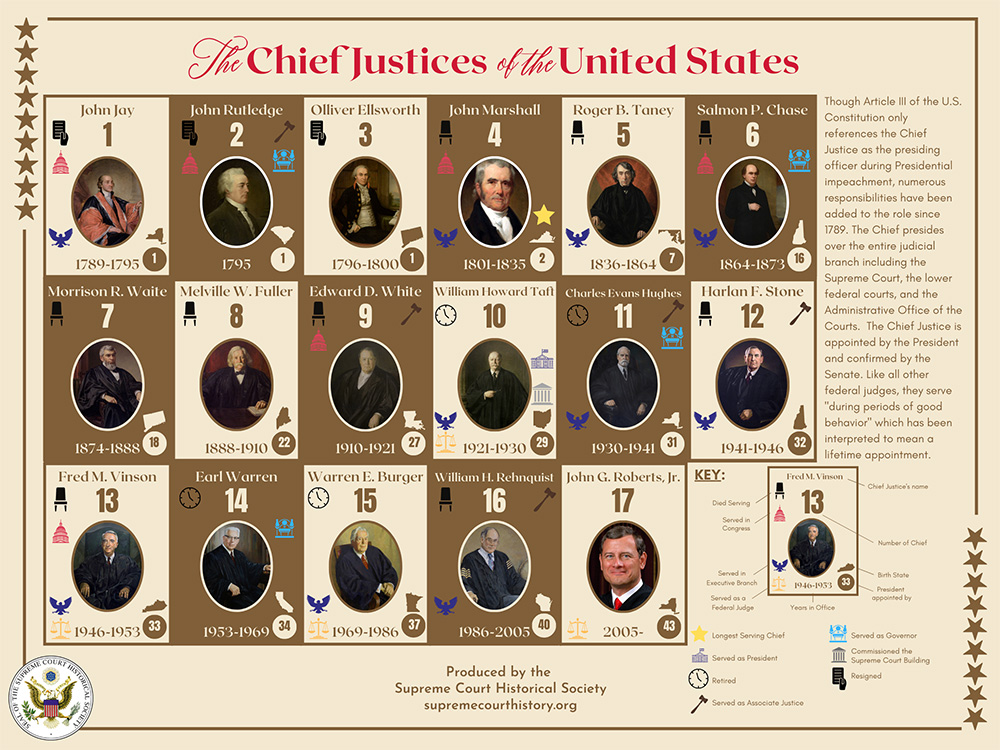
A Supreme Court Justice does not simply “judge” in a vacuum; they serve as the final authority on the rules of the game for every business and investor in the United States. Unlike lower court judges, a Justice has the power to set precedents that can instantly shift the valuation of entire industries. Their primary economic function is the interpretation of federal statutes and the determination of how much power administrative agencies—like the SEC, the IRS, or the FTC—actually hold.
Interpreting Federal Regulations and Fiscal Policy
One of the most critical tasks of a Justice is presiding over cases involving “Administrative Law.” When the Internal Revenue Service (IRS) issues a new tax rule or the Securities and Exchange Commission (SEC) updates disclosure requirements for public companies, these rules are often challenged in court. A Supreme Court Justice determines if these agencies have exceeded the authority granted to them by Congress.
For a business owner or a personal investor, this is vital. If a Justice votes to limit the power of a regulatory body, it often leads to a “pro-market” environment where companies have more freedom but less oversight. Conversely, upholding strict regulations can provide consumer protections that ensure long-term market stability, even if it increases short-term compliance costs.
The Power of Precedent in Corporate Law
In the niche of business finance, predictability is more valuable than gold. A Supreme Court Justice provides this predictability through stare decisis—the principle of following previous rulings. When the Court hears cases involving corporate liability, mergers, or contract disputes, the Justices are essentially defining the “cost of doing business.” By establishing clear precedents, they allow corporations to calculate risk more accurately, which in turn influences stock prices and venture capital flow.
The Intersection of Individual Rights and Financial Security
Beyond the macro-level corporate decisions, a Supreme Court Justice directly impacts the “Money” niche through the lens of individual financial security and property rights. Their interpretations of the Constitution protect—or reshape—the ways in which Americans earn, save, and protect their wealth.
Protecting Property Rights and Contract Enforceability
At the heart of any capitalist system is the right to own property and the ability to enforce a contract. A Supreme Court Justice spends a significant portion of their tenure hearing cases that involve the “Takings Clause” of the Fifth Amendment. This clause prevents the government from taking private property for public use without just compensation.
Whether it is a dispute over land use, intellectual property (patents and copyrights), or the seizure of financial assets, the Justices define the boundaries of ownership. For entrepreneurs and holders of intellectual property, the Court is the final shield against the erosion of their most valuable assets. Without a strong Supreme Court to uphold these rights, the incentive to innovate or invest in long-term projects would vanish.
Impact on Labor Markets and Income Equality
A Supreme Court Justice also plays a pivotal role in the labor market, which is the primary source of income for most Americans. Decisions regarding collective bargaining, wage and hour laws, and workplace discrimination are all within the Court’s purview. These rulings dictate the balance of power between employers and employees.
For instance, rulings that favor arbitration clauses in employment contracts can change the financial landscape for gig workers and corporate employees alike, often making it more difficult to pursue class-action lawsuits for unpaid wages. For the “Money” enthusiast, understanding these rulings is essential for navigating career strategy and understanding the future of the American workforce.
Market Volatility and the “Supreme Court Effect” on Investing
Sophisticated investors and hedge fund managers track the Supreme Court’s docket as closely as they track Federal Reserve meetings. This is because a single decision can trigger massive market volatility or create “windfall” opportunities in specific sectors.
Antitrust Litigation and Market Competition
In an era dominated by “Big Tech” and massive conglomerates, antitrust law has become a central focus for the Court. A Justice must decide what constitutes a monopoly and how much competition is required for a healthy economy. When the Court takes up an antitrust case, it can lead to the breaking up of companies or the blocking of multi-billion dollar mergers.
For the investor, these decisions are “make or break.” A ruling that allows a major merger to proceed can send the stocks of both companies soaring, while a ruling that increases antitrust scrutiny can lead to a sell-off in the tech sector. The Justice, therefore, acts as an unintentional architect of the S&P 500’s performance.
Environmental Regulations and the Energy Sector
The Supreme Court is increasingly the arena where the future of energy is decided. By ruling on the scope of the Clean Air Act or the authority of the Environmental Protection Agency (EPA), Justices effectively pick winners and losers in the energy market. A decision that limits the government’s ability to regulate carbon emissions may provide a financial boost to traditional fossil fuel companies while slowing the growth of the renewable energy sector. Conversely, upholding strict environmental standards can drive billions of dollars into “Green Finance” and ESG (Environmental, Social, and Governance) investing.
The Long-Term Financial Legacy: Why Investors Track Court Appointments
Because Supreme Court Justices serve lifetime appointments, their influence on the economy is not a fleeting trend; it is a generational shift. A Justice appointed today may still be shaping financial regulations and tax law thirty years from now. This longevity creates a unique form of “legal risk” or “legal opportunity” for long-term financial planning.
Lifetime Tenure and Intergenerational Economic Shifts
When a new Justice is appointed, the financial markets often perform a “stress test” to see how the Court’s ideological balance has shifted. A more conservative Court might favor deregulation and limited government spending, which generally appeals to short-term market interests. A more liberal Court might favor consumer protections and expanded social safety nets, which can provide broader economic stability but may involve higher taxes.
For those focused on personal finance and retirement planning, the “lean” of the Court affects everything from the future of Social Security and Medicare to the taxability of 401(k) distributions. A Justice’s philosophy on the “Commerce Clause” determines how much the federal government can intervene in the national economy, affecting the very value of the dollar in your pocket.
Navigating Emerging Financial Technologies (FinTech)
The most modern aspect of a Justice’s role involves applying 18th-century constitutional principles to 21st-century financial technology. As Bitcoin, blockchain, and decentralized finance (DeFi) move into the mainstream, they inevitably end up before the Supreme Court.
A Justice must decide if a digital token is a security, how privacy laws apply to digital transactions, and who has the right to regulate the “code” that governs modern money. For those involved in “Online Income” and “Side Hustles” within the digital space, the Supreme Court is the ultimate decider of whether their business model remains legal and profitable.
Conclusion: The Supreme Court as the Foundation of Financial Trust
Ultimately, what a Supreme Court Justice does is maintain the “Rule of Law,” which is the bedrock of all financial systems. Without a reliable, independent judiciary to settle disputes, interpret complex financial statutes, and protect the rights of both the individual and the corporation, the American economy would lose its status as the world’s safest haven for capital.
While we often focus on the political drama of the Court, its true power lies in its ability to provide the stability required for a thriving market. Whether you are a retail investor, a corporate executive, or someone simply trying to manage a household budget, the decisions made by the nine Justices on the Supreme Court are the silent currents that move the sea of global finance. To follow the “Money” is to follow the Court.
aViewFromTheCave is a participant in the Amazon Services LLC Associates Program, an affiliate advertising program designed to provide a means for sites to earn advertising fees by advertising and linking to Amazon.com. Amazon, the Amazon logo, AmazonSupply, and the AmazonSupply logo are trademarks of Amazon.com, Inc. or its affiliates. As an Amazon Associate we earn affiliate commissions from qualifying purchases.