The Anatomy of Flavor: Deconstructing Summer Sausage
Summer sausage is a staple in gourmet gift baskets and charcuterie boards, yet its distinct profile is often misunderstood by those outside of traditional culinary circles. At its core, summer sausage is a semi-dry fermented sausage. Unlike fresh sausages that require thorough cooking, summer sausage undergoes a process of curing, fermentation, and smoking that gives it a unique shelf stability and a flavor profile that balances tang, spice, and savory richness.
The Role of Fermentation
The defining characteristic of summer sausage is its slight tanginess. This acidity is not a sign of spoilage, but rather the result of lactic acid production. During the curing process, beneficial bacteria (often introduced via a starter culture) consume sugars within the meat mixture and convert them into lactic acid. This process drops the pH level of the meat, which not only acts as a natural preservative but also imparts a sharp, appetizing “zing” that cuts through the fat. This acidic note is the hallmark of a high-quality summer sausage; without it, the product would taste flat and one-dimensional.
The Influence of Smoke and Cure
The savory depth of summer sausage is primarily driven by the smoking process. Traditionally, these sausages are cold-smoked or lightly hot-smoked over hardwoods like hickory, applewood, or oak. This imparts a subtle, earthy, and sometimes woody aroma that permeates the tightly packed meat. Complementing this is the curing salt—typically sodium nitrite—which does more than just ensure safety. It reacts with the proteins in the meat to develop that signature deep, vibrant red hue and provides a slightly salty, “cured” meat finish that is reminiscent of high-end salami or prosciutto.
Flavor Profiles and Textural Nuances
When you bite into a slice of summer sausage, you are experiencing a carefully calibrated interaction between fat and protein. The texture is firm and dense, designed to be sliced thinly, yet it possesses a “snap” or creamy mouthfeel depending on the ratio of ingredients used by the manufacturer.
The Balance of Fat and Protein
A premium summer sausage relies on a specific ratio of lean meat to fat—usually pork fat—to achieve the perfect mouthfeel. The fat serves as the carrier for flavor; as the sausage sits on the palate, the fat slowly melts, coating the tongue and releasing the encapsulated seasonings. If the fat content is too low, the sausage becomes dry and granular; if too high, it feels greasy. When executed correctly, the fat acts as a mellowing agent, balancing the sharp, acidic bite of the fermentation with a luxurious, rich coating that lingers long after the chew.
The Spice Blend: A Complex Harmony
While the tang and salt provide the base, the “top notes” of summer sausage come from the seasoning blend. Most traditional recipes utilize a foundation of:
- Black Pepper: Providing a sharp, pungent heat that lingers at the back of the throat.
- Mustard Seed: Adding a subtle, nutty crunch and an aromatic bitterness that enhances the tang.
- Garlic: Providing the savory “umami” foundation that ties the meat and spices together.
- Coriander or Allspice: Used in more artisanal varieties, these spices offer floral or warm undertones that complicate the palate, moving the experience from a simple snack to a sophisticated tasting journey.
Strategic Selection: Identifying Quality in the Market
For consumers or culinary enthusiasts navigating the aisles, understanding what “good” summer sausage tastes like is essential for brand selection and personal satisfaction. Not all sausages are created equal, and price points often reflect the rigor of the production process.
Mass-Produced vs. Artisanal Craftsmanship
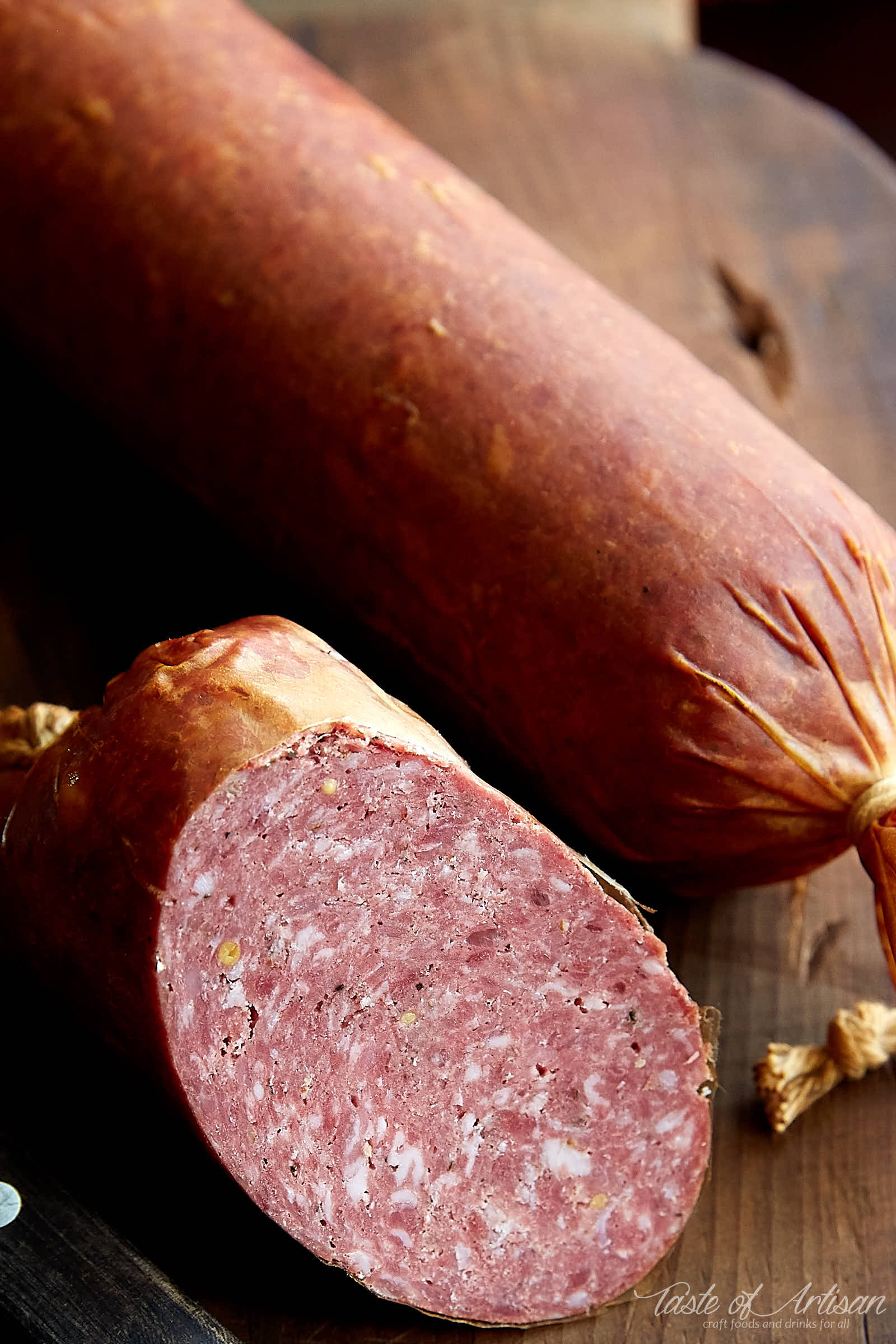
Mass-produced summer sausages often rely on citric acid to mimic the tang of fermentation. This creates a “chemical” or one-note sourness that is harsh and lingers unpleasantly on the tongue. In contrast, authentic fermented sausage offers a complex, deep, and rounded acidity. When sampling, look for a firm, uniform texture. If the interior looks like a soft paste, it suggests a lack of proper drying time or excessive fillers like soy protein or cereal binders, which dilute the meat’s natural, intense flavor.
Identifying Quality Indicators
To determine the quality of a summer sausage, consider the following sensory markers:
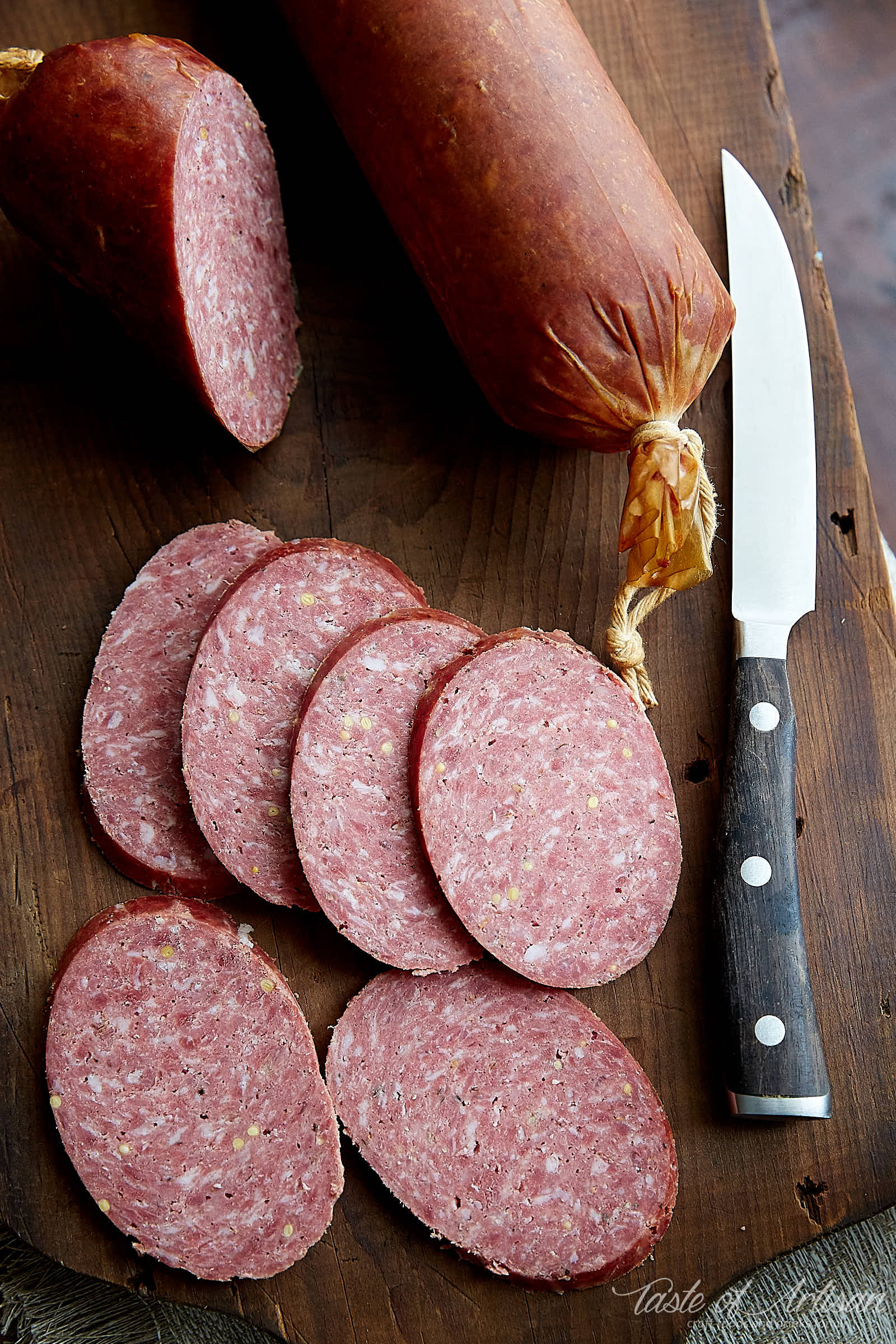
- Uniformity: The fat particles should be evenly distributed. Large, gaping holes in the meat denote poor casing fill or air pockets.
- Aroma: Upon slicing, you should be greeted by a robust scent of smoke and garlic. If the product smells metallic or exclusively like salt, it is likely lacking in natural wood-smoking and has been over-processed.
- The Aftertaste: A high-quality summer sausage should leave the palate clean. If you feel a coating of waxy, low-quality lard on the roof of your mouth, it indicates the use of low-grade animal fats that do not emulsify properly during the curing phase.
Culinary Applications and Pairings
Understanding the flavor profile of summer sausage is only half the journey; the other half is knowing how to elevate it. Because the sausage is bold, salty, and acidic, it serves as a versatile anchor for both simple and complex culinary setups.
Creating the Perfect Charcuterie Balance
The goal when serving summer sausage is to provide “counterpoints” to its intense flavor.
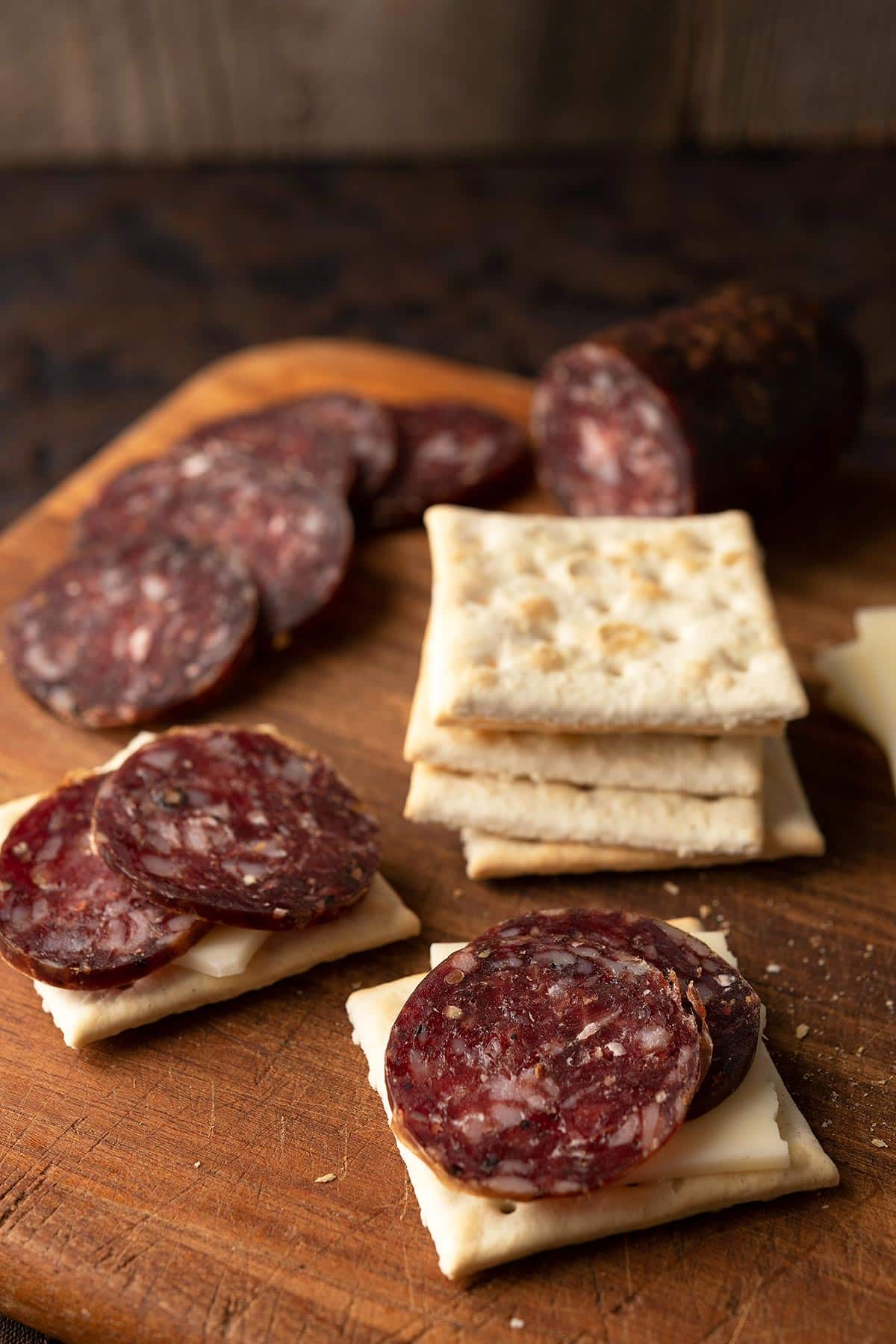
- Sweetness: Sharp cheeses like aged cheddar or mild varieties like Gouda provide a creamy contrast to the salt. Fruit-based accompaniments, such as fig jam or honey-roasted nuts, counteract the acidity of the fermentation.
- Crunch: Acidic, crisp pickles or pickled vegetables (like pickled onions or cornichons) mirror the fermented tang, cleansing the palate between bites and preventing the richness from becoming overwhelming.
- Bread: A crusty sourdough or a firm rye bread provides a neutral canvas that absorbs the oils and balances the density of the meat.
The Modern Culinary Evolution
In recent years, the summer sausage market has seen an infusion of exotic flavor profiles. We are now seeing the introduction of jalapeño-cheddar varieties, which add a layer of heat and creaminess, or venison-based sausages that offer a leaner, gamier profile. These variations maintain the fundamental “tang and smoke” foundation but build upon it, allowing for a more tailored tasting experience. Whether you prefer the traditional garlic-forward profile or the modern, spice-heavy iterations, the defining characteristic remains the same: a complex interplay of acid, salt, and smoke that rewards a slow, mindful tasting.
Ultimately, summer sausage is a study in preservation turned into an art form. Its taste is a bridge between history and modern convenience—a robust, shelf-stable delicacy that relies on the marriage of time-tested bacterial science and culinary artistry. When you understand the components of that flavor—the lactic acid, the hardwood smoke, and the curated spice blends—you transition from a casual snacker to an informed connoisseur, capable of distinguishing the subtle nuances that separate an ordinary stick of meat from a true culinary achievement.