
Schumacher Electric has long been a household name in the automotive maintenance industry, providing reliable, rugged battery chargers for both DIY enthusiasts and professional mechanics. When operating these devices, users often encounter a variety of digital codes or light indicators on the interface. Among the most frequent inquiries from users involves the “SUL” status. Understanding this specific indicator is critical for battery health and longevity, as it relates directly to the chemical state of your battery.
Decoding the SUL Status: Understanding Sulfation
When your Schumacher charger displays the “SUL” code, it is not pointing toward a malfunction of the charger itself, but rather a diagnostic report concerning the battery you are attempting to charge. SUL stands for “Sulfation.”

The Chemistry of Sulfation
To understand why your charger identifies this condition, one must look at what happens inside a lead-acid battery. These batteries function through a chemical reaction between lead plates and sulfuric acid. Under ideal conditions, this reaction is reversible: when the battery discharges, lead sulfate crystals form on the plates, and when it charges, those crystals dissolve back into the electrolyte.
However, if a battery is left in a discharged state for an extended period, or if it is subjected to frequent shallow discharges, these lead sulfate crystals begin to harden. They transition from a soft, easily dissolved state into large, crystalline structures that coat the surface of the battery plates. This process is known as sulfation. When these crystals harden, they create an insulating barrier that prevents the battery from accepting a charge, effectively reducing its capacity and, eventually, rendering the battery useless.
Why Your Charger Detects SUL
The Schumacher charger’s microprocessor is programmed to perform a diagnostic check before initiating a full charging cycle. It monitors the internal resistance of the battery. If the charger detects that the battery is failing to accept current at the expected rate or shows signs of high internal impedance, it concludes that the plates are obstructed by sulfate buildup. Displaying “SUL” is the charger’s way of informing the user that the battery is currently unable to reach a full state of charge due to this chemical accumulation.
The Desulfation Mode: How Schumacher Chargers Respond
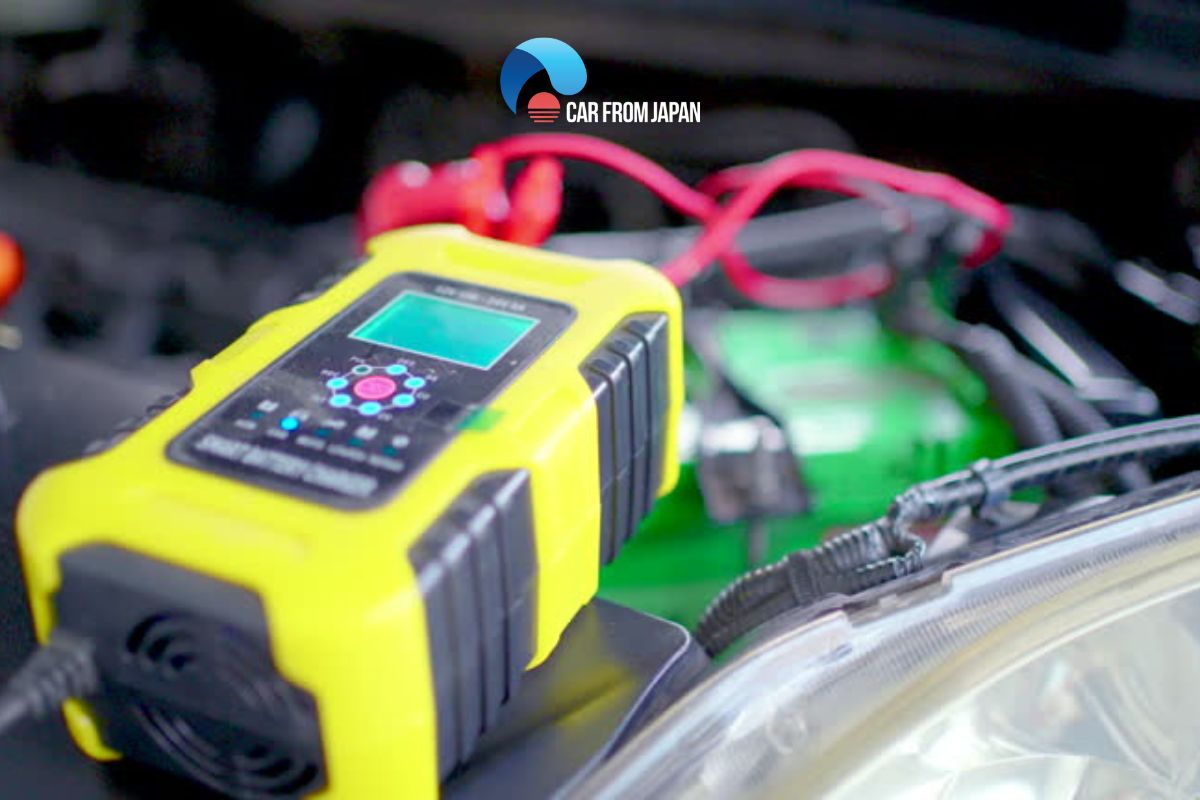
One of the most valuable features of modern, microprocessor-controlled Schumacher chargers is their ability to attempt a recovery process. When the charger senses SUL, it often switches to a specialized “Desulfation” or “Reconditioning” mode.
How the Reconditioning Process Works
During the desulfation phase, the charger does not simply pump a standard amperage into the battery. Instead, it utilizes high-frequency pulses of electricity. These pulses are designed to resonate with the hardened lead sulfate crystals. By applying specific voltage spikes, the charger attempts to break down the hardened crystals, effectively encouraging them to dissolve back into the electrolyte solution.
This process is not instantaneous. It can take several hours, or in cases of severe neglect, several days. The Schumacher unit will often cycle between these pulses and rest periods, monitoring the battery’s voltage response to see if the internal resistance is dropping. If the resistance begins to decrease, the charger knows the process is working and will continue until the battery reaches a state where it can accept a standard bulk charge.
Managing Expectations for Recovery
It is essential to understand that desulfation is not a miracle cure for every battery. If a battery has been neglected for years or has suffered from extreme physical degradation, the sulfation may be permanent. If the Schumacher charger runs through its desulfation routine and eventually flashes an “Error” or “F01” code, or continues to display “SUL” indefinitely, it indicates that the sulfate crystals have hardened to a point where they are electrically irreversible. In such cases, the battery has reached the end of its functional life and must be replaced.
Preventive Maintenance: Avoiding the SUL Code
While a Schumacher charger’s ability to detect and attempt to fix sulfation is a powerful tool, the best approach is to prevent the condition from occurring in the first place. Sulfation is a primary cause of premature battery failure, but it is largely preventable through proactive maintenance.
The Importance of a “Floating” Charge
The most common cause of sulfation is leaving a battery partially or fully discharged for too long. If you have a vehicle, boat, or lawn tractor that sits idle for weeks or months at a time, the battery will naturally lose its charge through internal self-discharge. Once the voltage drops below a certain threshold, the chemical hardening process begins.
Using a “smart” Schumacher battery maintainer is the ideal solution. Unlike an old-school trickle charger that could overcharge and boil a battery, modern smart chargers provide a “float” or “maintenance” mode. This keeps the battery at its optimal voltage without overcharging it, ensuring that the chemistry remains stable and preventing the conditions that allow lead sulfate to harden.
Regular Inspection and Cleanliness
Beyond electronic management, physical maintenance plays a role in battery health. Ensure that the battery terminals are free of corrosion, as high-resistance connections can trick a charger into thinking a battery is worse off than it actually is. Furthermore, if you are using a flooded lead-acid battery with removable caps, periodically checking the electrolyte levels and adding distilled water (if necessary) is vital. A low electrolyte level exposes the battery plates to air, which accelerates the sulfation process exponentially.
Troubleshooting Your Charger and Battery
If you encounter the “SUL” indicator, follow a logical troubleshooting path to determine whether the battery can be saved.
Step-by-Step Diagnostic Routine
- Verify Connections: Ensure that the Schumacher clamps are securely attached directly to the battery terminals. A loose or corroded connection can provide false readings to the microprocessor.
- Check for Parasitic Draw: If your battery is in a vehicle, ensure no accessories—such as dome lights, dash cams, or GPS units—are pulling power. A parasitic draw will fight against the charger’s attempts to desulfate, potentially leading to a persistent SUL message.
- Patience is Key: If the charger begins the desulfation process, do not interrupt it. Allow the charger to complete its cycle. Many users prematurely disconnect the charger because they see the “SUL” display, inadvertently cutting off a successful recovery attempt.
- Environment Matters: Batteries do not react well to extreme temperatures. If the battery is frozen or extremely hot, the chemical reaction required for charging or desulfation will be hindered. Allow the battery to reach room temperature before initiating a deep-cycle charge.

Knowing When to Call It Quits
If you have run the Schumacher charger’s recovery cycle two or three times over the course of several days and the “SUL” message persists, the battery is likely “dead” in a chemical sense. The active material on the plates has essentially fallen off or become so heavily shielded by sulfate that no amount of current will restore its capacity. At this stage, attempting further recovery is futile and may result in the charger overheating or the battery casing bulging due to excessive heat. Responsible disposal of the old battery and the purchase of a new unit is the only remaining option.
In summary, seeing “SUL” on your Schumacher charger is a diagnostic flag—it is the device’s way of communicating the internal state of your battery. By respecting this code, allowing the charger to run its recovery sequence, and implementing better maintenance habits for your vehicle’s power supply, you can significantly extend the life of your batteries and avoid the frustration of unexpected failures.
aViewFromTheCave is a participant in the Amazon Services LLC Associates Program, an affiliate advertising program designed to provide a means for sites to earn advertising fees by advertising and linking to Amazon.com. Amazon, the Amazon logo, AmazonSupply, and the AmazonSupply logo are trademarks of Amazon.com, Inc. or its affiliates. As an Amazon Associate we earn affiliate commissions from qualifying purchases.