
In the world of global franchising, few products carry as much historical weight and brand equity as the Subway BMT. To the casual diner, it is simply a sandwich comprised of pepperoni, salami, and ham. However, to brand strategists and marketing historians, the BMT represents a masterclass in how a brand can evolve its identity without losing its heritage. While many know the modern acronym used to describe the sandwich, the true origins of the BMT are rooted in the early days of the company’s expansion and a clever nod to urban infrastructure.
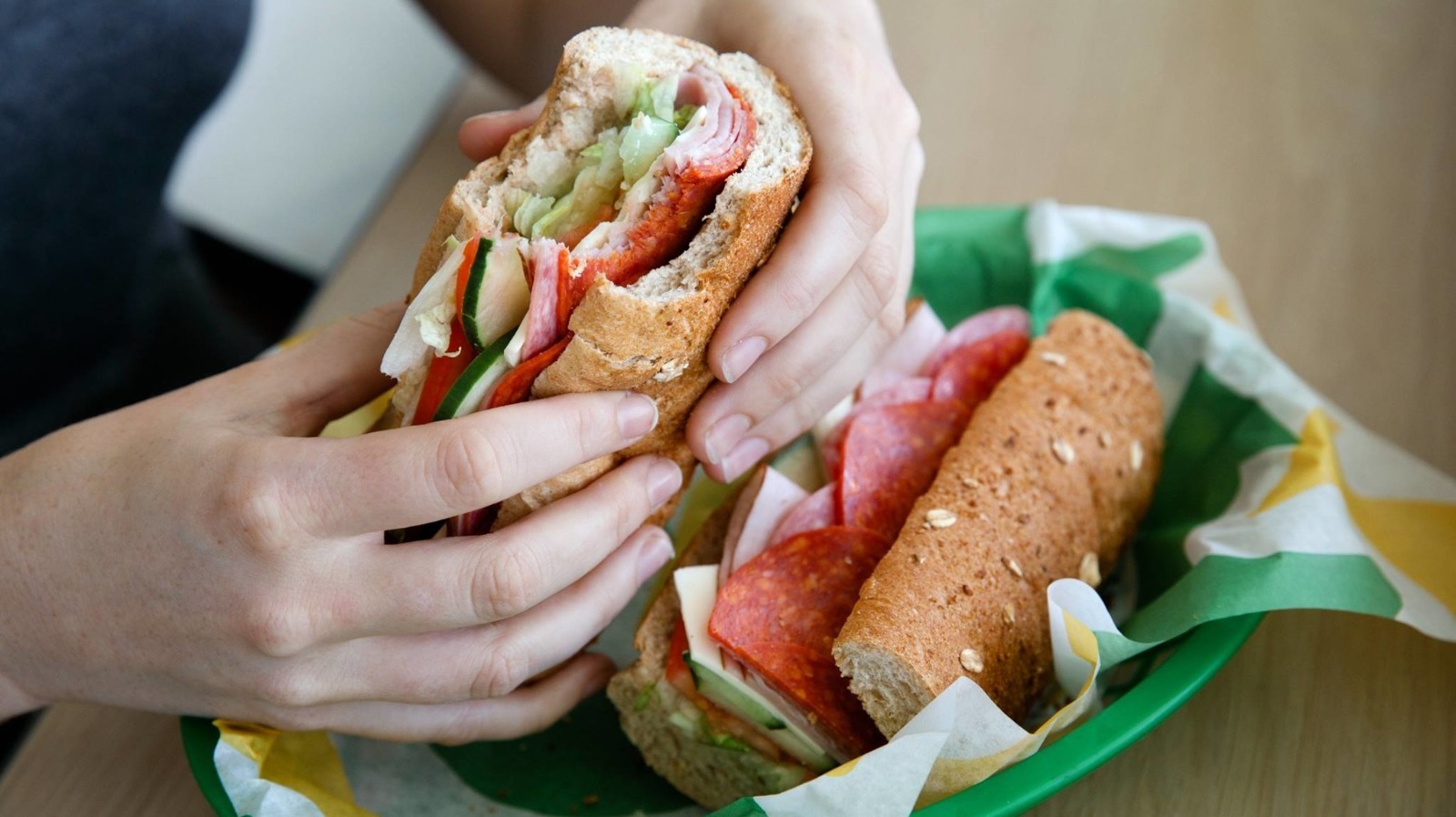
To understand what the BMT stands for is to understand the trajectory of Subway itself—from a singular “submarine” shop in Connecticut to a global powerhouse that successfully navigated the transition from local novelty to international household name.
The Historical Roots: From Transit to Taste
The origins of the BMT date back to the early 1970s, a formative period for the Subway brand. At the time, the company was still finding its footing, competing in a crowded marketplace of delicatessens and sandwich shops. The name “BMT” was not originally a descriptor of the ingredients, but rather a direct reference to the Brooklyn-Manhattan Transit system in New York City.
The New York Connection
Founders Fred DeLuca and Peter Buck chose the name as a tribute to the New York City subway system. This was a strategic move in corporate identity. Even though the first Subway locations were in Connecticut, the association with New York City provided an immediate sense of urban authenticity and “big city” scale. The New York subway was iconic, bustling, and synonymous with the fast-paced lifestyle of the American Northeast. By naming their flagship sandwich after a major transit line, Subway was essentially borrowing the cultural capital of one of the world’s most famous cities.
Bridging the Gap Between Concept and Consumer
The decision to use an acronym like BMT served a dual purpose in brand strategy. First, it reinforced the “Subway” theme of the restaurant. If the restaurant is named after a transit system, the products should reflect that ecosystem. Second, it created a sense of intrigue. For customers outside of the New York metropolitan area, the BMT was a mysterious, high-impact name that felt more substantial than a generic “Italian Sub.” This early stage of the brand’s life focused on building a cohesive narrative where the environment (the shop) and the product (the sandwich) were inextricably linked.
The Pivot: Strategic Rebranding for a Global Audience
As Subway began its aggressive expansion across the United States and eventually into international markets, a branding challenge emerged. The “Brooklyn-Manhattan Transit” reference began to lose its relevance. A consumer in California, London, or Sydney had no emotional or cognitive connection to a defunct New York transit company. In fact, by the 1950s, the BMT transit line had already been absorbed into the New York City Transit Authority, making the reference even more obscure over time.
The Birth of the Backronym
In one of the most successful examples of brand pivoting, Subway redefined the acronym to stand for “Biggest, Meatiest, Tastiest.” This was not merely a change in definition; it was a shift in value proposition.
By transitioning the BMT from a geographic reference to a qualitative descriptor, the marketing team accomplished three critical objectives:
- Universal Relevance: Everyone understands “Biggest, Meatiest, Tastiest,” regardless of their familiarity with New York infrastructure.
- Product Positioning: It shifted the focus from the sandwich’s origin to its physical attributes, directly addressing the customer’s desire for value and flavor.
- Heritage Preservation: It allowed the brand to keep the “BMT” name—which by then had significant name recognition—without having to explain an outdated historical reference.
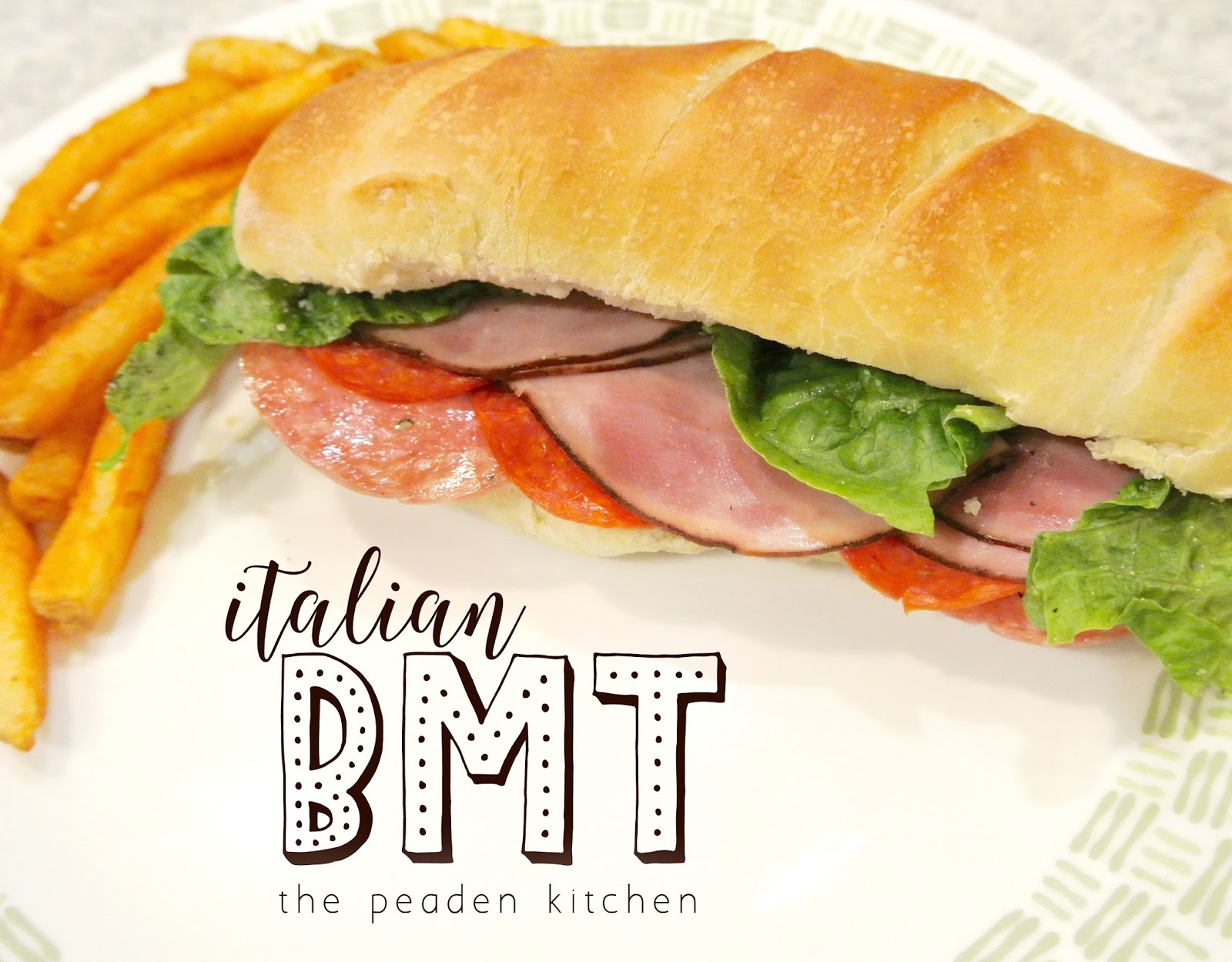
Mnemonic Branding and Consumer Psychology
The “Biggest, Meatiest, Tastiest” campaign is a classic example of a “backronym”—an acronym that is assigned a new meaning after the fact. From a brand strategy perspective, this is a powerful tool for maintaining continuity. It prevents the alienation of long-time customers who are used to the name while providing a clear, benefit-driven message for new customers. The adjectives chosen were deliberate: “Biggest” appeals to value, “Meatiest” appeals to protein-hungry consumers, and “Tastiest” is the ultimate subjective hook.
Brand Identity and Consistency in Fast Food
The longevity of the BMT name speaks to the importance of “brand anchors” in the fast-food industry. In an era where menus are constantly rotating and “limited-time offers” dominate marketing budgets, the BMT has remained a constant. This consistency is vital for building long-term brand equity.
The Role of Mystery in Brand Engagement
Part of the BMT’s success as a brand icon is the “mystery” factor. For decades, the question “What does BMT stand for?” has been a recurring topic of conversation among consumers. This creates a form of organic engagement that marketers dream of. When a brand has a “secret” or a piece of trivia associated with its flagship product, it encourages word-of-mouth marketing. It transforms the sandwich from a commodity into a conversation piece.
Menu Engineering and the Power of Names
In the discipline of menu engineering, the name of a product significantly influences its perceived value. If the BMT had been renamed “The Italian Salami and Pepperoni Sub,” it likely would have faded into the background. The three-letter acronym, however, provides a punchy, rhythmic quality that is easy to remember and fast to order.
In the high-speed environment of quick-service restaurants (QSR), reducing “cognitive load”—the amount of mental effort required to make a decision—is key. “I’ll have a BMT” is a frictionless transaction. This efficiency is a core component of Subway’s operational brand identity, which prioritizes speed and customization.
The Legacy of the BMT in Modern Marketing
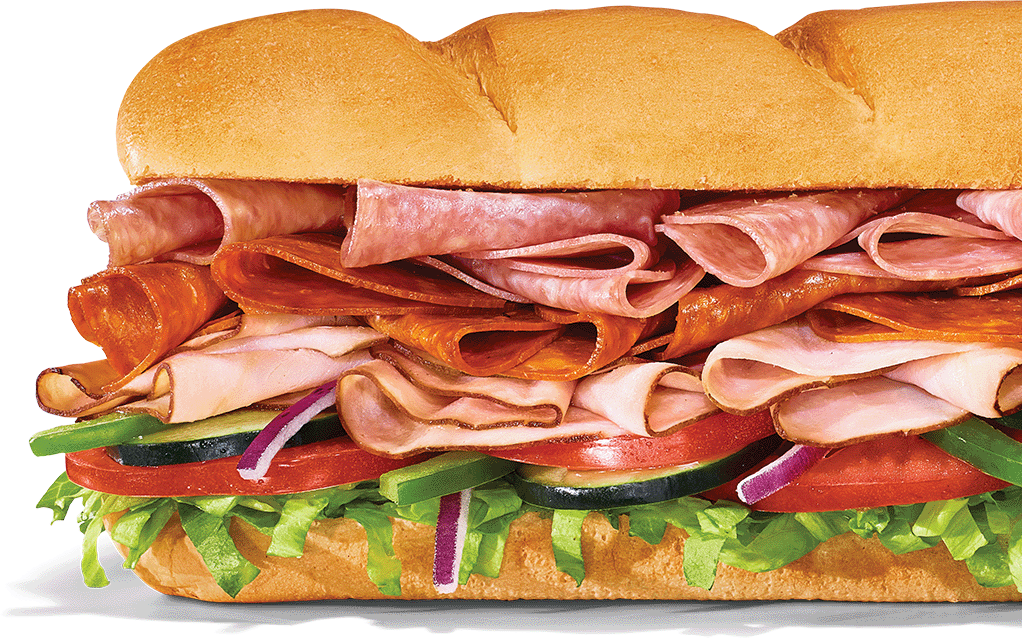
As Subway underwent its massive “Subway Series” rebranding in recent years—moving toward pre-set chef-inspired sandwiches rather than just “build-your-own” options—the BMT was one of the few legacy items to be protected and elevated. Now often referred to as the “Italian B.M.T.,” it serves as a bridge between the company’s past and its future.
Leveraging Nostalgia in Corporate Identity
Modern brand strategy often involves a delicate balance between innovation and nostalgia. By keeping the BMT front and center, Subway signals to its core customer base that while the brand is modernizing, it is not abandoning the flavors that made it successful. This is a common tactic used by legacy brands like Coca-Cola or McDonald’s, where certain “hero products” are treated as untouchable assets that anchor the rest of the changing menu.
Lessons for Brand Strategists
The BMT’s evolution provides several key takeaways for professionals in brand management and corporate identity:
- Adaptability is Key: Don’t be afraid to change the meaning of a brand asset if the original context is no longer serving the business.
- Contextual Relevance: A brand must speak the language of its current audience. What worked for a local shop in 1975 needs to be reinterpreted for a global audience in 2024.
- Maintain Brand Equity: If you have a name that people recognize, find a way to keep the name even if you change the story behind it. Recognition is one of the hardest things to build; once you have it, you should protect it.
The story of the BMT is more than just a piece of fast-food trivia. it is a narrative of how a brand can move through time, shifting its focus from the gritty streets of New York transit to a superlative-driven global marketing message. Whether it stands for the Brooklyn-Manhattan Transit or the “Biggest, Meatiest, Tastiest” sandwich, the BMT remains an indelible part of Subway’s corporate identity, proving that a well-crafted name can survive even the most radical brand transformations.
aViewFromTheCave is a participant in the Amazon Services LLC Associates Program, an affiliate advertising program designed to provide a means for sites to earn advertising fees by advertising and linking to Amazon.com. Amazon, the Amazon logo, AmazonSupply, and the AmazonSupply logo are trademarks of Amazon.com, Inc. or its affiliates. As an Amazon Associate we earn affiliate commissions from qualifying purchases.