
In the modern financial landscape, the word “stock” is tossed around with such frequency that it has become a staple of daily news cycles and coffee shop conversations alike. We hear about the “stock market” being up or down, “tech stocks” soaring, or individuals “trading stocks” from their mobile devices. But for many, the fundamental concept remains shrouded in jargon and complexity. At its core, understanding what stock means is the first step toward financial literacy and long-term wealth creation.
This guide strips away the complexity to explore the essence of stock, how it functions within the global economy, and why it remains one of the most powerful tools for personal finance and business growth.

Defining Stock: The Foundation of Ownership
To understand what stock means, one must first understand the concept of a corporation. A corporation is a legal entity that is separate from its owners. When a company wants to grow—perhaps to build a new factory, develop a new product, or expand into international markets—it needs capital. One of the primary ways it raises this money is by selling “pieces” of itself. These pieces are called stocks.
Equity and Fractional Ownership
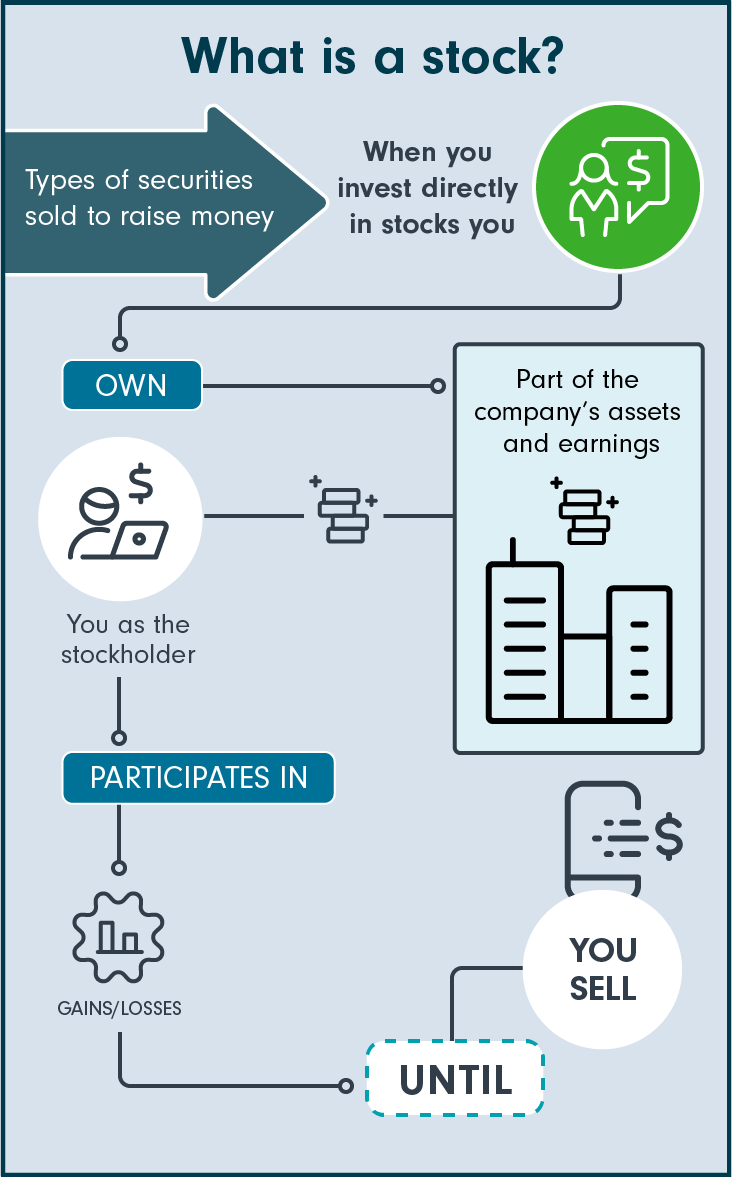
When you buy a stock, you are purchasing equity. “Equity” is simply a fancy word for ownership. If a company is divided into one million shares and you buy one share, you own one-millionth of that company. While that may seem insignificant, it entitles you to a claim on a portion of the company’s assets and its future earnings.
As a stockholder (or shareholder), you are a part-owner. You aren’t just a customer or an observer; you have a vested interest in the company’s success. If the company thrives, the value of your “piece” increases. If the company fails, your piece may lose value. This relationship between the investor and the corporation is the bedrock of modern capitalism.
Common Stock vs. Preferred Stock
Not all stocks are created equal. When investors enter the market, they typically encounter two primary types of shares:
- Common Stock: This is what most people are referring to when they talk about “stocks.” Owners of common stock usually have voting rights at shareholder meetings (typically one vote per share) and may receive dividends. However, in the event of bankruptcy, common stockholders are last in line to receive any remaining assets.
- Preferred Stock: This type of stock functions somewhat like a hybrid between a stock and a bond. Preferred stockholders usually do not have voting rights, but they have a higher claim on assets and earnings. For instance, they receive dividends before common stockholders do.
How the Stock Market Functions
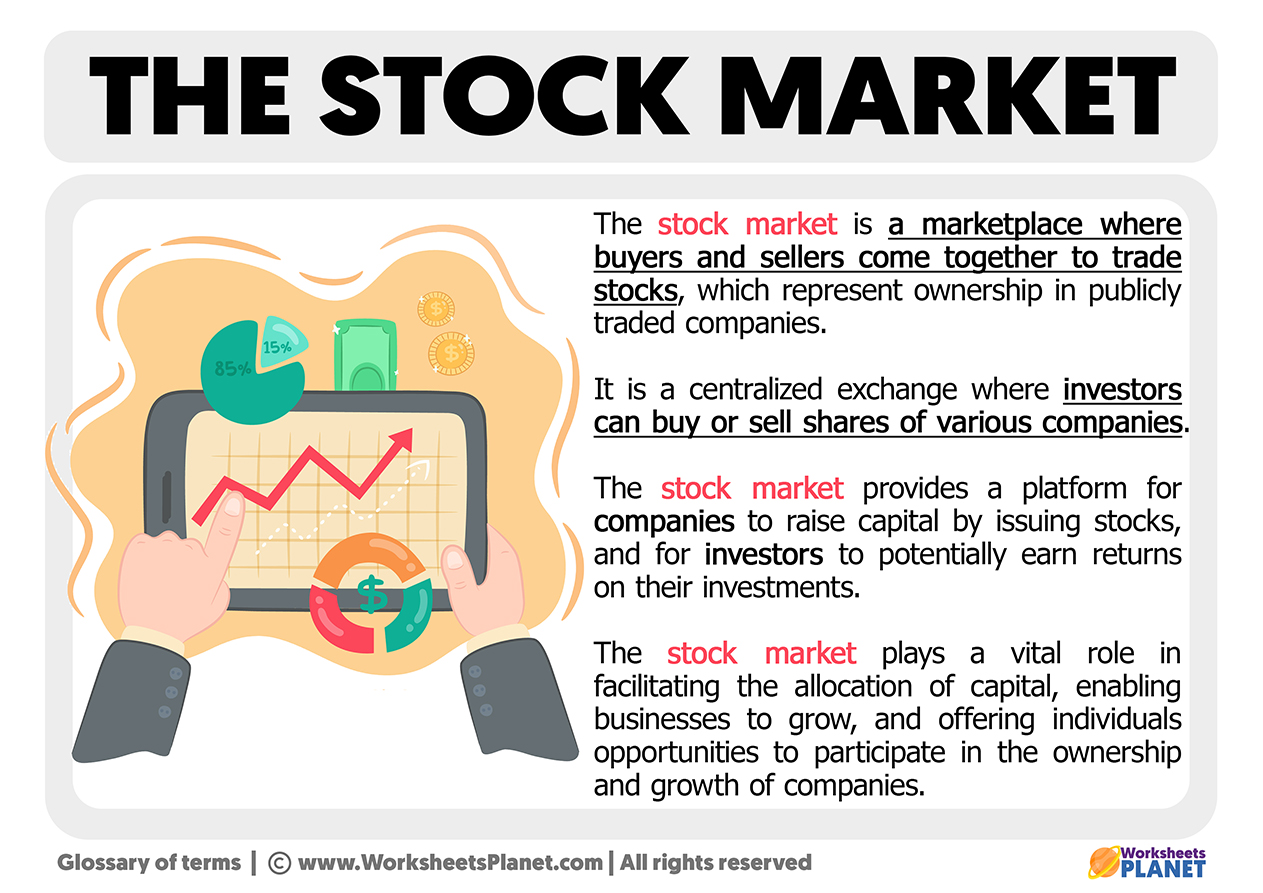
Understanding what a stock is constitutes only half of the equation; the other half is understanding the marketplace where these shares are bought and sold. This ecosystem is known as the stock market, a vast network of exchanges that facilitates the flow of capital from investors to businesses.
The Role of Publicly Traded Companies
A company begins as a “private” entity, owned by its founders, employees, or early-stage investors like venture capitalists. If the company grows sufficiently large, it may choose to go “public” through an Initial Public Offering (IPO).
During an IPO, the company sells shares to the general public for the first time. Once the IPO is complete, the shares trade on the “secondary market”—this is the stock market we see on the news. At this stage, the company no longer receives money when shares are traded; instead, investors trade among themselves.
Stock Exchanges and Indices
Stocks are traded on exchanges, such as the New York Stock Exchange (NYSE) or the NASDAQ. These exchanges act as regulated marketplaces that ensure fair and orderly trading.
To track how the “market” as a whole is doing, we use indices. For example, the S&P 500 tracks the performance of 500 of the largest companies in the United States. When people say “the market is up,” they usually mean that these indices, representing a broad cross-section of stocks, have increased in value.
The Mechanics of Supply and Demand
What determines the price of a stock? In the short term, it is almost entirely driven by supply and demand. If more people want to buy a stock (demand) than sell it (supply), the price goes up.
This demand is influenced by many factors: a company’s quarterly earnings report, news about a new product, changes in interest rates, or even broader geopolitical events. Over the long term, however, a stock’s price tends to reflect the fundamental health and profitability of the underlying business.
Why Investors Buy Stocks: Building Wealth Through Equity
For the individual investor, stocks are a vehicle for financial independence. While they carry more risk than a savings account, they historically offer much higher returns, making them essential for goals like retirement or purchasing a home.
Capital Appreciation
The most common way to make money in stocks is through capital appreciation. This is the “buy low, sell high” strategy. If you buy a share of a company for $50 and its value grows to $100 over five years, you have doubled your investment. This growth reflects the market’s belief that the company is now more valuable or profitable than it was when you initially invested.
Dividend Income
Some companies, particularly older and more established ones, share their profits directly with shareholders in the form of dividends. A dividend is a cash payment made to you simply for owning the stock. For many investors, dividends provide a steady stream of “passive income,” which can be reinvested to buy more shares or used to cover living expenses.
Compounding Interest and Long-Term Growth
The real “magic” of the stock market is compounding. When you earn a return on your investment—whether through price increases or dividends—and you leave that money in the market, your earnings begin to earn their own earnings. Over decades, this exponential growth can turn modest monthly contributions into a significant nest egg. This is why financial advisors emphasize starting early; time is the most valuable asset an investor has.
The Risks and Realities of the Market
While the rewards of stock ownership are significant, it is not a guaranteed path to wealth. Investing in stocks requires a calculated acceptance of risk and an understanding of market psychology.
Volatility and Market Sentiments
The stock market is volatile, meaning prices can swing dramatically in short periods. These swings are often driven by “market sentiment”—the collective emotions of millions of investors. Fear can lead to a mass sell-off (a “bear market”), while optimism can lead to rapid price increases (a “bull market”). Understanding that volatility is a natural feature of the market, rather than a bug, is crucial for maintaining the emotional discipline required to stay invested during downturns.
Diversification as a Risk Mitigation Tool
One of the greatest risks in the stock market is “concentration risk”—putting all your money into a single company. If that company fails, your investment goes to zero. To mitigate this, savvy investors use diversification.
By owning a variety of stocks across different industries (tech, healthcare, energy, etc.) and different geographic regions, you ensure that the failure of one company doesn’t ruin your entire portfolio. This is often achieved through Mutual Funds or Exchange-Traded Funds (ETFs), which allow you to buy a “basket” of hundreds of stocks in a single transaction.
Starting Your Journey: From Theory to Portfolio
Now that we have answered “what does stock mean,” the question becomes: how do you participate? Modern technology has democratized the stock market, making it accessible to almost anyone with an internet connection.
Brokerage Accounts and Digital Platforms
To buy stock, you need a brokerage account. In the past, this required calling a human broker on the phone. Today, digital platforms and apps allow you to open an account in minutes. Many of these platforms offer commission-free trading, meaning you can buy and sell shares without paying a fee to the middleman.
Fundamental vs. Technical Analysis
Once you have an account, you must decide what to buy. Investors generally fall into two camps:
- Fundamental Analysts: They look at the company’s “vitals”—its revenue, profit margins, management team, and industry competition—to determine its true value.
- Technical Analysts: They look at price charts and historical patterns to predict future price movements.
For the long-term personal investor, fundamental analysis (or simply buying broad market index funds) is generally considered the more reliable path to building wealth.
Conclusion: The Power of Participation
At its heart, a stock is a symbol of partnership. It represents a bridge between your personal capital and the innovative power of the world’s most successful businesses. By understanding that stock means ownership, you shift your perspective from being a mere consumer of the economy to being a participant in its growth. While the market requires patience and a tolerance for risk, the historical trajectory of the stock market has always been one of progress. Understanding “what stock means” is the key that unlocks the door to that progress.
aViewFromTheCave is a participant in the Amazon Services LLC Associates Program, an affiliate advertising program designed to provide a means for sites to earn advertising fees by advertising and linking to Amazon.com. Amazon, the Amazon logo, AmazonSupply, and the AmazonSupply logo are trademarks of Amazon.com, Inc. or its affiliates. As an Amazon Associate we earn affiliate commissions from qualifying purchases.