
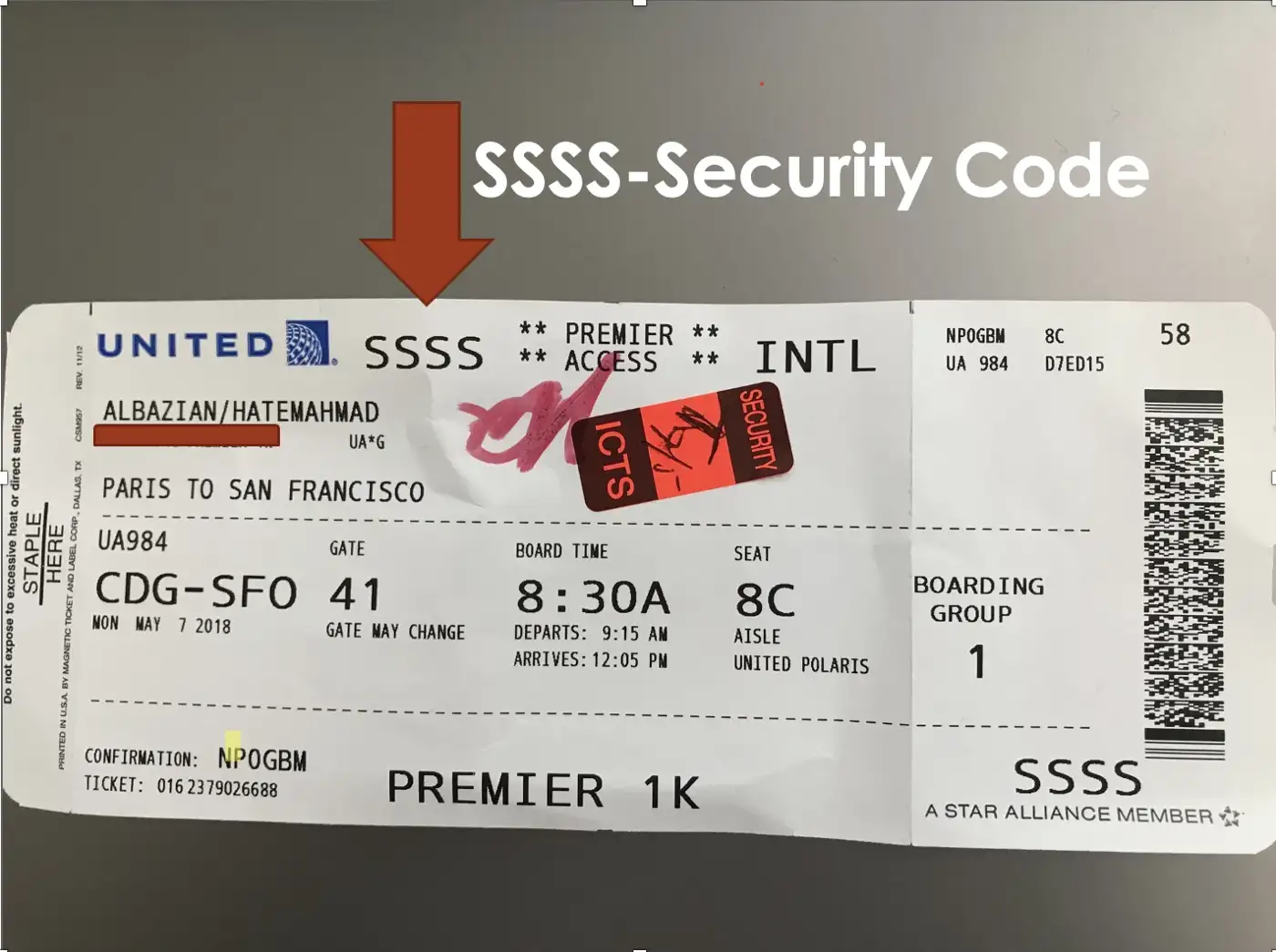
For any seasoned traveler, the sight of “SSSS” printed on a boarding pass can induce an immediate sense of dread. It’s a seemingly innocuous four-letter code that signals one thing: your journey through airport security is about to become significantly more involved, potentially delaying your plans and testing your patience. More than just a random selection, “SSSS” stands for Secondary Security Screening Selection, a designation by the U.S. Transportation Security Administration (TSA) that flags a passenger for additional, more intensive security checks before they are permitted to board their flight.
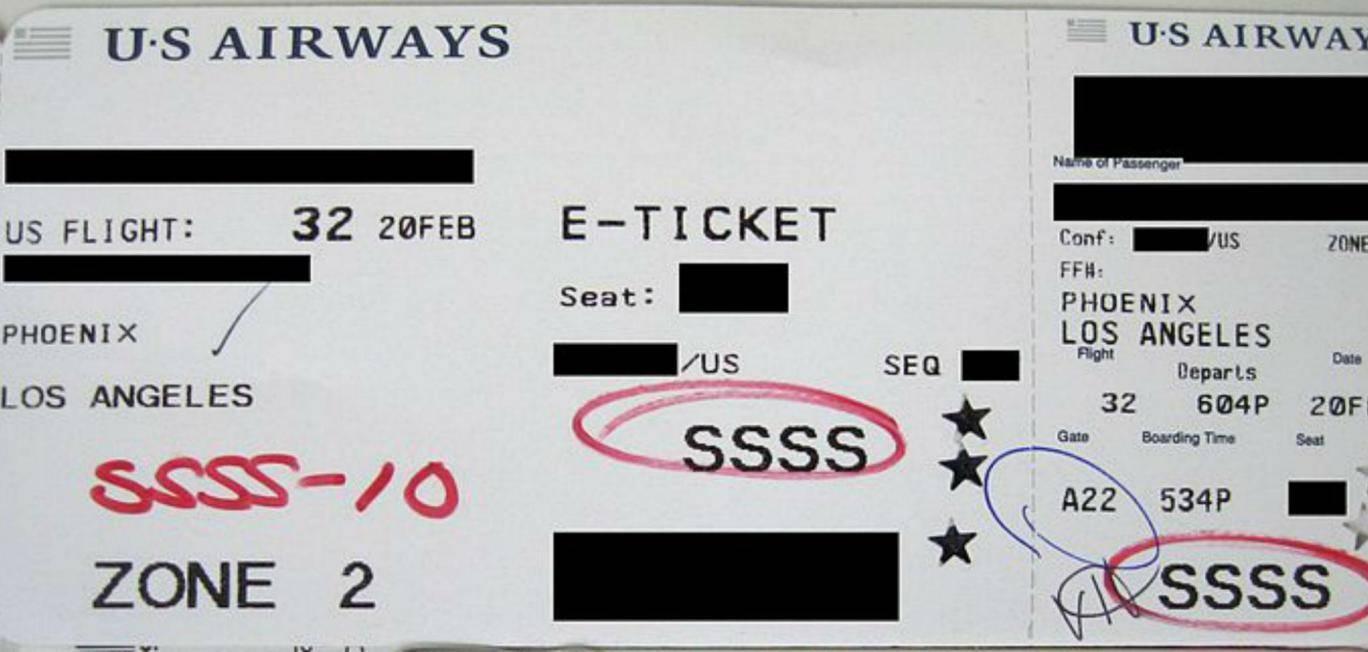
This article delves into the meaning, implications, and underlying mechanisms of the SSSS designation. We’ll explore the sophisticated technological algorithms that often determine who gets flagged, the real-world impact on travelers’ finances and schedules, and practical advice on how to navigate this enhanced screening process. From understanding the “tech” behind the selection to the “money” implications of delays and the subtle impact on “brand” perception for both passengers and airlines, decoding SSSS is crucial for anyone navigating the complexities of modern air travel.
Decoding the “SSSS” Mark: What It Signifies
The appearance of “SSSS” on your boarding pass isn’t a suggestion; it’s a mandate. This seemingly simple alphanumeric code is a directive for ground staff and security personnel to subject the flagged individual to a more thorough and prolonged screening process. While inconvenient, its purpose is rooted in national and international security efforts, aimed at identifying potential threats that might otherwise go unnoticed during standard screening procedures.
The Basics: What SSSS Stands For
At its core, “SSSS” is an acronym for Secondary Security Screening Selection. This means that a traveler has been identified for enhanced scrutiny beyond the typical walk through a metal detector or baggage scan. Primarily enforced for flights departing from or arriving in the United States, particularly on international routes, the SSSS designation is a critical component of the TSA’s multi-layered approach to aviation security. It’s a non-negotiable directive: if you have SSSS on your boarding pass, you will undergo additional screening, and you will not be permitted to board your flight until these checks are completed to the satisfaction of security personnel.
The system is designed to catch anomalies, verify identities, and ensure that no individual poses a threat to air travel. While often associated with international travel, SSSS can appear on domestic itineraries as well, albeit less frequently. It is an integral part of broader intelligence-driven security measures, aiming to maintain the safety of the skies in an ever-evolving threat landscape.
The Enhanced Screening Process
So, what exactly happens when you’re flagged with SSSS? The experience typically unfolds in several stages, each more intensive than standard security checks:
- Manual Pat-Down: Expect a thorough, hands-on pat-down by a security officer. This is often more meticulous than the standard pat-down, focusing on all areas of the body and clothing. Passengers have the right to request a private screening with an officer of the same gender.
- Baggage Search (Carry-on and Checked): Every item in your carry-on luggage will be meticulously inspected. This includes unpacking bags, examining individual items, and potentially testing electronics. If you have checked luggage, it may also be subject to a manual search before being loaded onto the aircraft.
- Explosive Trace Detection (ETD): Security officers will swab your hands, clothing, shoes, and all your belongings with a small cloth. This cloth is then inserted into an ETD machine, which analyzes for microscopic traces of explosive materials.
- Intensive Questioning: You may be asked a series of questions about your travel plans, the purpose of your trip, your occupation, who packed your bags, and whether you’ve been given anything by others to carry. While these questions can feel intrusive, it’s essential to answer them truthfully and calmly.
- Electronic Device Checks: All electronic devices, from laptops to tablets and phones, might need to be powered on to demonstrate functionality. Some devices may undergo additional screening or swabbing.
This entire process can add significant time to your journey – anywhere from 15 minutes to over an hour, depending on the airport, the officers, and the specific circumstances. It’s crucial to remain cooperative and polite throughout, as resistance or aggression will only complicate matters further. The process concludes only when security personnel are fully satisfied that you pose no threat, at which point your boarding pass will be stamped or signed, allowing you to proceed to your flight.
The Algorithm Behind the Alarm: How Passengers are Selected
The selection for SSSS is rarely a random event. Instead, it’s the outcome of sophisticated data analysis and predictive algorithms, deeply intertwined with the “Tech” aspects of modern aviation security. While the exact criteria remain classified for obvious security reasons, general principles and common triggers have emerged over time, offering insights into how passengers are flagged.
The Role of Technology and Data Analytics
At the heart of the SSSS selection process lies a complex interplay of technology and data analytics. Government agencies, primarily the TSA and Customs and Border Protection (CBP) in the U.S., leverage vast databases and advanced algorithms to identify potential risks. This system is part of the broader Secure Flight Program, which mandates airlines to collect specific passenger data and transmit it to the TSA.
The data points that feed into these algorithms are extensive and can include:
- Passenger Name Record (PNR) Data: This is a comprehensive digital record of your travel itinerary, including your name, address, phone number, email, credit card details, seat assignments, meal preferences, and even travel agent information.
- Booking Behavior: Certain patterns can trigger flags. These include booking a one-way international ticket, purchasing a ticket last-minute, paying in cash (especially for international flights), or traveling without checked luggage on an international itinerary.
- Travel History: Frequent travel to certain “high-risk” countries, previous interactions with law enforcement, or past discrepancies in travel documents can contribute to a flag.
- Passport and Visa Information: Inconsistencies or issues with these critical documents can also be a trigger.
- Flight Patterns: Booking complex itineraries with multiple short layovers, or frequently changing flight dates immediately after booking, might also be considered unusual.
The algorithms analyze these data points, often looking for anomalies or patterns that deviate from typical traveler behavior. It’s a form of predictive analytics designed to identify potential security risks before they manifest. While highly effective, these systems are not infallible and can sometimes lead to false positives, flagging innocent travelers due to an unusual combination of circumstances or simply because their name is similar to someone on a watchlist.
Watchlists and Government Databases
Another critical component of the SSSS selection process involves watchlists and government databases. When an airline submits your passenger data to the TSA through the Secure Flight Program, your name is cross-referenced against various government databases. These include:
- The No Fly List: Individuals on this list are prohibited from boarding a commercial aircraft.
- The Selectee List: This list contains individuals who are not prohibited from flying but require enhanced screening – these are the individuals who receive the SSSS designation.
- Other Intelligence Databases: Beyond these, there are other classified databases that consolidate information from various intelligence agencies, both domestic and international.
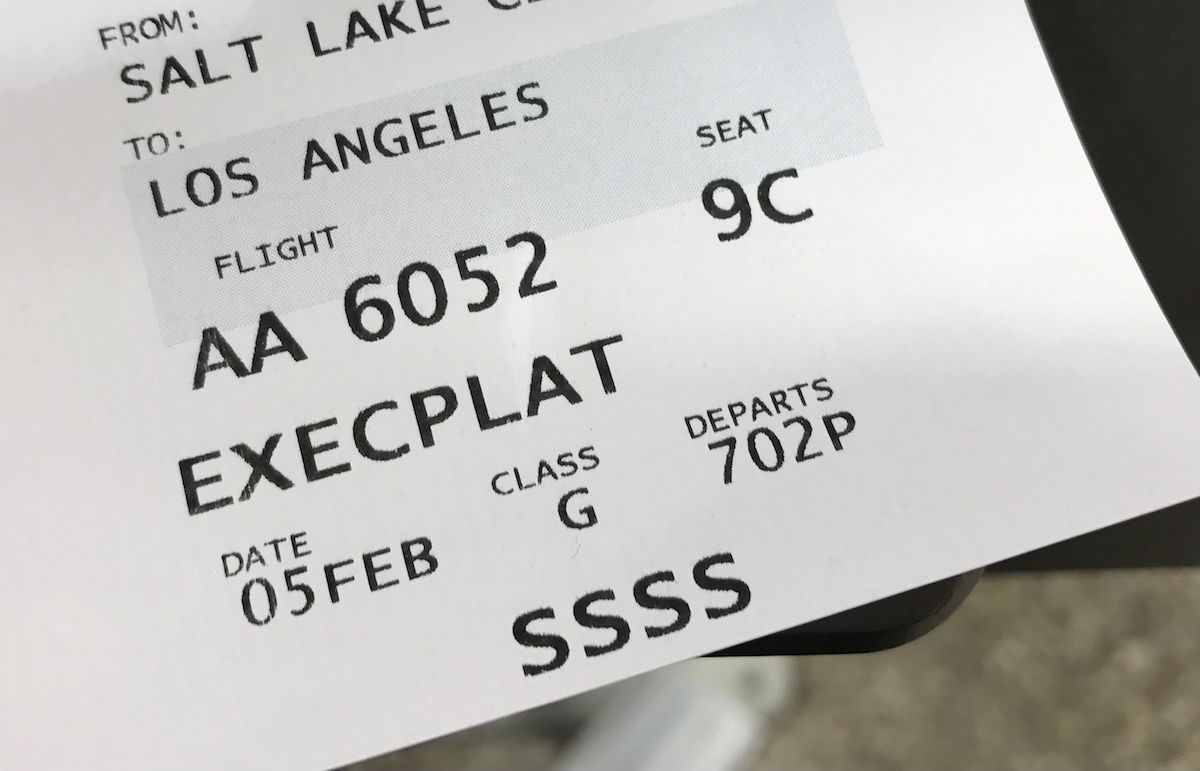
The comparison process is rapid and automated. If your name, or a name similar to yours, appears on the Selectee List, or if the algorithm identifies a sufficient number of suspicious behavioral patterns, the “SSSS” code is electronically transmitted back to the airline and printed on your boarding pass. This immediate integration of various data sources is a testament to the sophistication of modern digital security infrastructure, but it also highlights potential challenges related to data privacy and the accuracy of such massive databases. For those frequently flagged incorrectly, this system can feel arbitrary and frustrating, underscoring the need for redress mechanisms.
Navigating the SSSS Experience: Tips and Implications
Being flagged with SSSS can be a stressful and time-consuming experience, but knowing what to expect and how to react can significantly ease the process. Beyond the immediate inconvenience, SSSS can have tangible impacts on your travel plans and even your finances, touching upon the “Money” and “Brand” aspects of the travel ecosystem.
What to Do If You’re Flagged
If you find “SSSS” on your boarding pass, your primary goal should be to cooperate fully and remain calm. Here are practical steps to navigate the situation:
- Arrive Extra Early: This is perhaps the most crucial tip. For international flights, aim to be at the airport at least 3-4 hours before your scheduled departure. Domestic flights with SSSS might require 2-3 hours. This buffer time is essential to complete the additional screening without missing your flight.
- Be Prepared for Enhanced Screening: Have your passport, boarding pass, and any other necessary travel documents readily accessible. Be ready to unpack your bags, remove all electronics, and undergo a physical pat-down and explosive trace detection.
- Cooperate and Be Polite: Engage with security officers respectfully. They are simply doing their job, and arguing or showing aggression will not change the outcome and could potentially escalate the situation. Answer questions truthfully and concisely.
- Know Your Rights: While you must undergo the screening, you have certain rights. You can request a private screening room if you prefer not to be screened in public, and you can request a security officer of the same gender for pat-downs.
- Don’t Attempt to Circumvent the Process: There’s no way around SSSS. Attempting to bypass the screening will only lead to further delays, potential fines, or even being denied boarding.
Impact on Travel Plans and Finances
The financial and logistical ramifications of an SSSS flag can be significant:
- Missed Connections: The most common financial impact is missing a connecting flight, especially on complex international itineraries. This can lead to rebooking fees, purchasing new tickets, or even overnight stays at your own expense. Travel insurance often has clauses regarding missed connections, but whether an SSSS delay specifically triggers coverage can depend on the policy.
- Lost Time and Opportunity Cost: The hours spent undergoing secondary screening are lost time, which can impact business travelers’ schedules, lead to missed meetings, or cut short precious vacation time.
- Stress and Frustration: While not directly financial, the psychological toll of being singled out, subjected to intense scrutiny, and potentially missing travel segments can be considerable.
- Non-Refundable Expenses: If a missed flight leads to missing a pre-paid cruise, tour, or hotel reservation, those expenses might be non-refundable, representing a direct financial loss.
It’s vital for travelers, especially those who travel frequently or have itineraries that might trigger SSSS, to factor in these potential delays and financial risks.
The “Brand” Perspective: Airlines, Government, and Passengers
The SSSS system also touches upon various “Brand” aspects within the travel industry:
- Airline Brand Reputation: Airlines are legally obligated to enforce SSSS. While they strive to maintain a positive customer experience, the SSSS process is outside their direct control. However, their brand can still be affected by how efficiently their ground staff manages the process, communicates with flagged passengers, and assists with rebooking if delays occur. A streamlined, empathetic approach can mitigate negative perceptions.
- Government/TSA Brand: The TSA and other security agencies walk a tightrope between ensuring national security and maintaining public trust and convenience. Their “brand” is continuously shaped by public perception of their effectiveness, fairness, and respect for passenger rights. Instances of overzealous screening or prolonged delays can erode this trust, while efficient, professional screening can bolster it.
- Personal Brand/Reputation (if frequently flagged): While not a “brand” in the corporate sense, frequent SSSS flagging can feel like a personal indictment. Travelers might worry about being seen as suspicious, leading to anxiety about future travel. For those consistently flagged due to mistaken identity or outdated information, it can feel like a blight on their “travel reputation.” The Department of Homeland Security Traveler Redress Inquiry Program (DHS TRIP) exists for individuals to seek redress if they believe they have been incorrectly placed on a watchlist, helping to clear their name and restore their travel convenience. Engaging with DHS TRIP can be a way to proactively manage one’s “travel brand” and alleviate persistent SSSS designations.
Minimizing Your Chances and What the Future Holds
While no method guarantees you’ll never receive an SSSS designation, understanding the common triggers can help you minimize your chances. Furthermore, the landscape of airport security is constantly evolving, driven by technological advancements and the ever-present need for enhanced safety.
Practical Steps to Potentially Avoid SSSS
Based on common SSSS triggers and advice from frequent travelers, here are some practical steps you can take:
- Book Round-Trip Tickets: One-way international tickets are a common flag. Opting for a round-trip ticket, even if you don’t use the return leg, can sometimes help.
- Avoid Last-Minute Bookings: Booking flights with very short notice, especially international ones, can raise a red flag.
- Pay with Credit Card: Paying for flights with cash, particularly for high-value or international tickets, is another known trigger. Using a credit card creates a traceable financial record.
- Check In Online Early: Sometimes, an SSSS flag will prevent you from completing online check-in. If you can check in online successfully, it might indicate you haven’t been flagged for SSSS on that particular flight. However, an SSSS mark can still appear even after online check-in during boarding pass printing at the airport or at the gate.
- Use Known Traveler Programs (KTPs): Programs like TSA PreCheck or Global Entry (which includes TSA PreCheck) can significantly streamline your security experience. While they don’t guarantee you won’t get SSSS (the SSSS designation overrides KTP benefits), they generally reduce your chances and make the standard security process faster if you’re not flagged.
- Maintain Consistent Personal Information: Ensure your name, date of birth, and gender are identical across all your travel documents (passport, airline tickets, loyalty program profiles). Discrepancies can lead to flags.
- Address Past Issues via DHS TRIP: If you believe you’ve been repeatedly and incorrectly flagged for SSSS, you can file a redress request with the Department of Homeland Security Traveler Redress Inquiry Program (DHS TRIP). This program allows individuals to resolve issues related to watchlists, misidentification, and denied boarding.
The Evolving Landscape of Airport Security
The methods for identifying and screening passengers are constantly evolving, driven by advancements in “Tech” and the ongoing need to balance security with traveler convenience. The future of airport security will likely see:
- Increased Use of Biometrics and AI: Facial recognition, fingerprint scanning, and other biometric identification methods are becoming more prevalent. AI-powered analytics are being integrated into baggage scanning and passenger flow management to identify anomalies more efficiently and accurately. These technologies aim to create a more seamless experience for most travelers while allowing security personnel to focus on genuine threats.
- Advanced Predictive Analytics: Data analysis will become even more sophisticated, leveraging broader datasets (while still navigating privacy concerns) to create more precise risk assessments. This could potentially lead to fewer false positives for innocent travelers and more targeted screening.
- Digital Security and Data Privacy Concerns: As more personal data is collected and analyzed, the importance of robust digital security measures to protect this information will grow exponentially. Striking the right balance between security and individual privacy will remain a critical challenge.
- Integrated Security Systems: Expect greater integration between various security systems – from airport entry points to boarding gates – creating a more cohesive and intelligent security network that adapts to emerging threats in real-time.
These technological shifts aim to make air travel safer and, ideally, more efficient. However, the SSSS designation, or a similar form of targeted secondary screening, is likely to remain a necessary tool in the security arsenal, continually adapting its criteria to counter new threats.
In conclusion, “SSSS” on your airline ticket is more than just a random inconvenience; it’s a critical component of modern aviation security, deeply intertwined with technology, data analytics, and global security efforts. While it can be frustrating, understanding its purpose, anticipating the process, and knowing your rights can help mitigate its impact. By staying informed and prepared, travelers can navigate the complexities of air travel with greater confidence, even when faced with the dreaded SSSS.
aViewFromTheCave is a participant in the Amazon Services LLC Associates Program, an affiliate advertising program designed to provide a means for sites to earn advertising fees by advertising and linking to Amazon.com. Amazon, the Amazon logo, AmazonSupply, and the AmazonSupply logo are trademarks of Amazon.com, Inc. or its affiliates. As an Amazon Associate we earn affiliate commissions from qualifying purchases.