
For automotive enthusiasts and casual observers alike, the letters “SRT” affixed to a Dodge vehicle instantly conjure images of raw power, uncompromising speed, and a visceral driving experience. More than just an acronym for “Street & Racing Technology,” SRT represents a pivotal element in Dodge’s overarching brand strategy, meticulously sculpted to define a distinct corporate identity and capture a passionate market segment. It is a masterclass in how a specialized performance division can not only elevate the perceived value and excitement of an entire brand but also solidify its position in the fiercely competitive automotive landscape. Understanding what SRT means for Dodge is to grasp the essence of modern American muscle car branding, revealing layers of strategic positioning, targeted marketing, and the cultivation of an enduring emotional connection with consumers.

The Genesis of a Performance Sub-Brand: Forging Dodge’s Identity
The creation and evolution of SRT mark a deliberate and highly successful effort to carve out a unique space for Dodge within the high-performance vehicle segment. It’s a testament to the power of focusing on core brand strengths and amplifying them through specialized development.
From Engineering Excellence to Brand Distinction
SRT didn’t merely emerge as a marketing gimmick; it was born from a genuine commitment to engineering excellence. Initially a skunkworks operation within Chrysler, Plymouth, and Jeep, focused on developing extreme performance variants, SRT quickly became synonymous with vehicles that pushed the boundaries of power, handling, and braking. For Dodge, this meant leveraging its heritage of muscle cars and injecting it with modern technological prowess. SRT models, from the Viper to the Hellcat, became the ultimate expressions of Dodge’s performance philosophy.
This commitment transcended simple horsepower figures; it was about creating a holistic driving experience that felt distinctly “Dodge.” SRT vehicles were designed to be brutish yet refined, capable on both the street and the track. This dual nature allowed SRT to differentiate Dodge not only from foreign competitors but also from other domestic brands. While Ford had its SVT (Special Vehicle Team) and Chevrolet had its ZL1 and Z06 variants, SRT staked its claim on a specific blend of accessible extreme power, audacious design, and a no-holds-barred attitude. It wasn’t just about making fast cars; it was about making Dodge fast cars, imbued with a distinct character that resonated deeply with a specific type of enthusiast. This focus on core identity, rooted in American muscle car tradition but aggressively forward-looking, transformed SRT from a technical division into an indispensable pillar of Dodge’s brand.
The ‘Halo Effect’: Elevating the Entire Dodge Lineup
Perhaps one of the most significant contributions of SRT to the Dodge brand is its powerful “halo effect.” SRT models, often the most expensive and exclusive vehicles in Dodge’s portfolio, serve as aspirational benchmarks that reflect positively on the entire lineup. When consumers see a Challenger Hellcat Redeye or a Durango SRT Hellcat, the extreme performance, bold styling, and technological sophistication of these halo cars create a ripple effect, imbuing even standard Dodge models with an aura of excitement and capability.
This halo effect is a cornerstone of effective brand strategy. The average consumer might not be able to afford an SRT Hellcat, but the sheer existence of such a vehicle enhances their perception of a standard Charger or Challenger. It suggests that the underlying engineering, design philosophy, and performance DNA that make an SRT car so extraordinary are also present, in varying degrees, throughout the rest of the brand. This strategy makes the Dodge brand appear more dynamic, performance-oriented, and aspirational as a whole. It draws people into showrooms, sparks conversations, and fosters a sense of excitement that might not exist if the brand relied solely on its mainstream offerings. In essence, SRT vehicles are not just profit centers; they are powerful marketing tools that elevate the entire Dodge brand identity, making it synonymous with power, passion, and performance.
SRT as a Cornerstone of Dodge’s Marketing and Brand Strategy
SRT’s impact on Dodge extends deeply into the realm of marketing and overall brand strategy, enabling a highly targeted approach that maximizes resonance with its core audience. It provides a clear, compelling narrative that underpins much of Dodge’s communication.
Targeting the Enthusiast: Precision Marketing for a Niche Audience
SRT provides Dodge with an unparalleled ability to engage directly with the most passionate segment of the automotive market: the performance enthusiast. This isn’t a broad-strokes approach; it’s precision marketing. Dodge’s campaigns for SRT vehicles don’t shy away from emphasizing raw specifications – horsepower, torque, 0-60 times, and quarter-mile speeds are front and center. The language is bold, assertive, and speaks to those who live and breathe automotive performance.
Marketing materials often highlight the track capabilities of SRT models, their aggressive styling, and the sheer audacity of their engineering. This direct address resonates with a demographic that values power, speed, and a commanding presence on the road. By focusing on this niche, Dodge cultivates a highly loyal and vocal customer base that acts as organic brand ambassadors. These enthusiasts don’t just buy a car; they buy into an identity, a community, and a statement. SRT allows Dodge to bypass generic automotive messaging and instead craft narratives that celebrate the thrill of driving, the heritage of muscle cars, and the pursuit of extreme performance, effectively making SRT synonymous with the very best of what Dodge has to offer to its most dedicated fans.
Reinforcing Core Brand Values: Power, Heritage, and American Muscle
Beyond targeting enthusiasts, SRT plays a crucial role in reinforcing Dodge’s core brand values. Dodge has historically been associated with power, accessibility, and an unmistakably American muscle car ethos. SRT takes these values and amplifies them to an extreme degree, ensuring they remain central to the brand’s identity in the modern era.
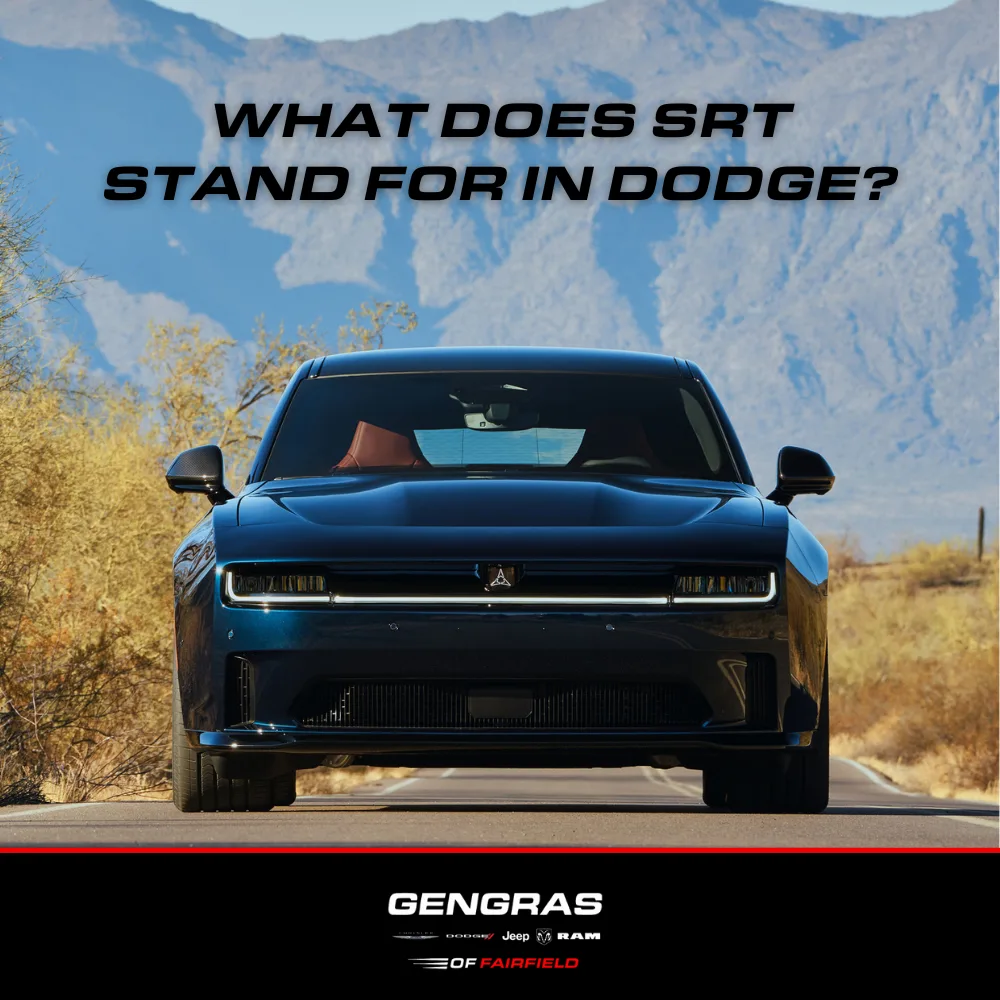
SRT vehicles are designed to embody the spirit of their predecessors, updated with contemporary technology and performance standards. The roar of a Hellcat engine, the aggressive lines of a Challenger, and the sheer brute force of a Durango SRT all hark back to a golden age of American performance, while simultaneously pushing the boundaries of what’s possible today. This strategic alignment ensures that Dodge remains relevant to both traditional muscle car aficionados and a new generation of performance seekers. SRT prevents Dodge from becoming stagnant or losing its unique edge in a crowded market. It acts as a continuous declaration of Dodge’s commitment to high-octane performance, an unwavering testament to its heritage, and a clear signal that the brand remains dedicated to delivering vehicles that are as thrilling to drive as they are iconic to behold. In doing so, SRT becomes an authentic expression of everything Dodge proudly stands for.
Corporate Identity and Design: SRT’s Visual and Emotional Language
The “meaning” of SRT for Dodge is not solely functional; it’s deeply embedded in the brand’s corporate identity, manifested through distinctive design language and the cultivation of profound emotional connections with its audience. SRT vehicles don’t just perform differently; they look and feel different, reinforcing their unique status.
The Aesthetic of Aggression: Design Cues and Brand Recognition
SRT vehicles are unmistakable. Their design is a critical component of their brand identity, visually communicating their aggressive performance capabilities and exclusive status. From wider body kits and pronounced hoods with functional air scoops to unique wheel designs, larger brake calipers, and distinctive badging, every SRT model boasts a visual language that screams power and purpose. These aren’t subtle upgrades; they are bold declarations that set SRT models apart from their standard counterparts and make them instantly recognizable as high-performance machines.
These aggressive aesthetic cues contribute significantly to immediate brand recognition. An SRT badge, often featuring a stylized viper head or a specific performance logo, quickly signals to onlookers that they are witnessing something special. This design philosophy extends to the interior, where performance-oriented seats, unique trim, and specialized instrumentation reinforce the driving-focused nature of the vehicle. By consistently applying these design principles, Dodge has ensured that SRT vehicles possess a coherent and compelling visual identity that reinforces the brand’s message of unadulterated performance. It’s a design strategy that doesn’t just attract attention; it commands respect and admiration, translating directly into enhanced brand desirability and a stronger corporate identity for Dodge as a whole.
Beyond Horsepower: Cultivating an Emotional Connection
While horsepower and torque figures are often the headline grabbers for SRT vehicles, their true meaning for Dodge lies in their ability to cultivate a deep emotional connection with owners and enthusiasts. Owning an SRT isn’t just about possessing a fast car; it’s about experiencing a lifestyle, becoming part of a community, and tapping into an undeniable sense of passion and rebellion. The rumble of an SRT engine, the G-forces felt during acceleration, and the commanding presence on the road evoke powerful emotions – excitement, pride, adrenaline, and a sense of individuality.
This emotional resonance goes beyond the purely rational aspects of vehicle ownership. It fosters fierce brand loyalty and advocacy. Owners become staunch defenders and promoters of the Dodge SRT brand, sharing their experiences, participating in car meets, and engaging with online communities. This organic word-of-mouth marketing is invaluable, creating an authentic bond between the brand and its customers. SRT vehicles become more than just transportation; they are extensions of personal identity, symbols of achievement, and sources of immense joy. By consistently delivering a visceral and emotionally charged driving experience, SRT solidifies its role as a key differentiator for Dodge, ensuring that the brand holds a cherished place in the hearts and minds of its most devoted followers.
The Evolving Landscape: SRT’s Future in the Dodge Brand Portfolio
As the automotive industry undergoes its most significant transformation in a century, the meaning of SRT for Dodge is also poised for evolution, navigating new technological frontiers while striving to preserve its iconic brand legacy.
Adapting to New Challenges: Performance in an Electric Era
The automotive world is rapidly shifting towards electrification, presenting a profound challenge for brands built on internal combustion engine (ICE) power. For Dodge, and by extension SRT, the question is how to maintain the brand’s core identity of extreme performance and muscle car ethos in an electric era. The immediate future has seen electric vehicles like the Dodge Charger Daytona SRT concept emerge, promising “eMuscle” that can deliver instant torque and formidable acceleration without traditional gasoline engines.
This transition requires careful brand strategy. SRT’s legacy is intertwined with the roar of a V8 engine and the smell of high-octane fuel. Replicating the emotional and visceral experience of an ICE SRT in an electric vehicle is paramount to maintaining brand continuity. Dodge must convince its loyal customer base that electric performance can be just as, if not more, thrilling and authentic. This involves not just technological innovation but also a recalibration of marketing messages to emphasize the new forms of performance, perhaps focusing on instantaneous power delivery, advanced handling dynamics, and unique auditory experiences designed to evoke the spirit of SRT. The brand needs to reassure enthusiasts that “performance” for Dodge will remain uncompromising, regardless of the powertrain.

Maintaining Brand Relevancy and Legacy
The ultimate challenge for SRT within the Dodge brand portfolio is to maintain its relevancy and legacy amidst these sweeping changes. SRT has defined Dodge’s performance credibility for decades, creating a formidable reputation. As new technologies emerge, Dodge must skillfully integrate them without diluting the essence of what makes SRT special. This means striking a delicate balance between innovation and tradition.
The brand’s future success will hinge on its ability to evolve SRT beyond just engine type, focusing instead on the broader experience of extreme performance, cutting-edge design, and the emotional connection it fosters. Whether it’s through electric powertrains, new autonomous driving features (if they ever align with a performance brand), or even new ownership models, SRT must continue to be the vanguard of Dodge’s performance aspirations. It must keep pushing boundaries, not just of speed, but of automotive excitement and innovation, ensuring that the letters “SRT” continue to symbolize the pinnacle of Dodge’s commitment to power, passion, and an enduring legacy of American muscle, regardless of how that muscle is powered.
Ultimately, SRT means everything to Dodge’s brand identity. It is the raw, beating heart of its performance division, the audacious statement of its corporate intent, and the aspirational pinnacle for its enthusiasts. SRT has not merely contributed to Dodge’s success; it has defined a significant portion of what Dodge stands for, solidifying its position as an icon of American automotive power and passion, a legacy it is determined to carry into the future.
aViewFromTheCave is a participant in the Amazon Services LLC Associates Program, an affiliate advertising program designed to provide a means for sites to earn advertising fees by advertising and linking to Amazon.com. Amazon, the Amazon logo, AmazonSupply, and the AmazonSupply logo are trademarks of Amazon.com, Inc. or its affiliates. As an Amazon Associate we earn affiliate commissions from qualifying purchases.