
In the dynamic world of modern commerce, payment processing is the bedrock of business operations. For countless entrepreneurs, small businesses, and growing enterprises, Square has emerged as a ubiquitous solution, simplifying everything from swiping credit cards to managing inventory and payroll. Its accessible hardware and user-friendly software have lowered the barrier to entry for accepting digital payments, democratizing financial tools once reserved for larger corporations. However, as with any essential business service, understanding the true cost of using Square is paramount. “What does Square charge?” is not merely a question of numbers; it’s a deep dive into your potential profit margins, operational efficiency, and overall financial strategy.
This comprehensive guide will break down Square’s various fees, explain how they apply to different transaction types and services, and offer insights into optimizing your costs. By shedding light on the intricacies of Square’s pricing model, businesses can make informed decisions, leverage Square’s offerings effectively, and ensure their financial infrastructure supports sustainable growth.
Core Transaction Fees: The Heart of Square’s Business Model
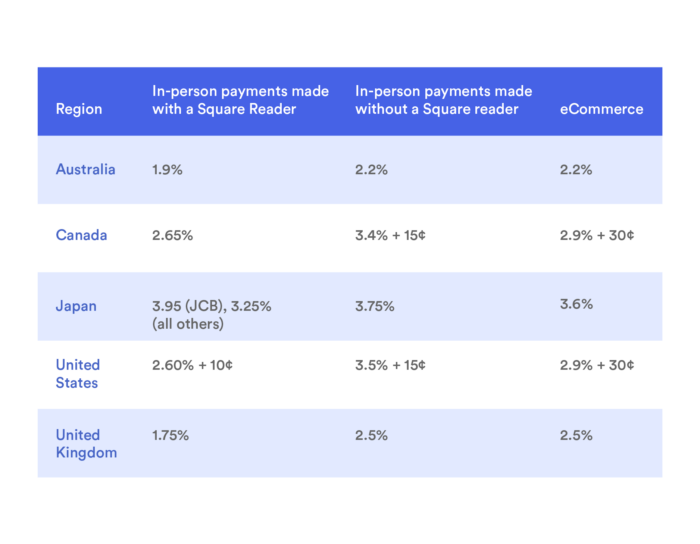
At the core of Square’s revenue generation are its transaction fees, which apply every time a customer makes a purchase using a credit or debit card processed through Square. Unlike traditional merchant accounts that might involve complex tiered pricing or monthly minimums, Square prides itself on a straightforward, pay-as-you-go model. However, the specific percentage and flat fee charged vary depending on how the payment is processed.
In-Person Card Processing Rates
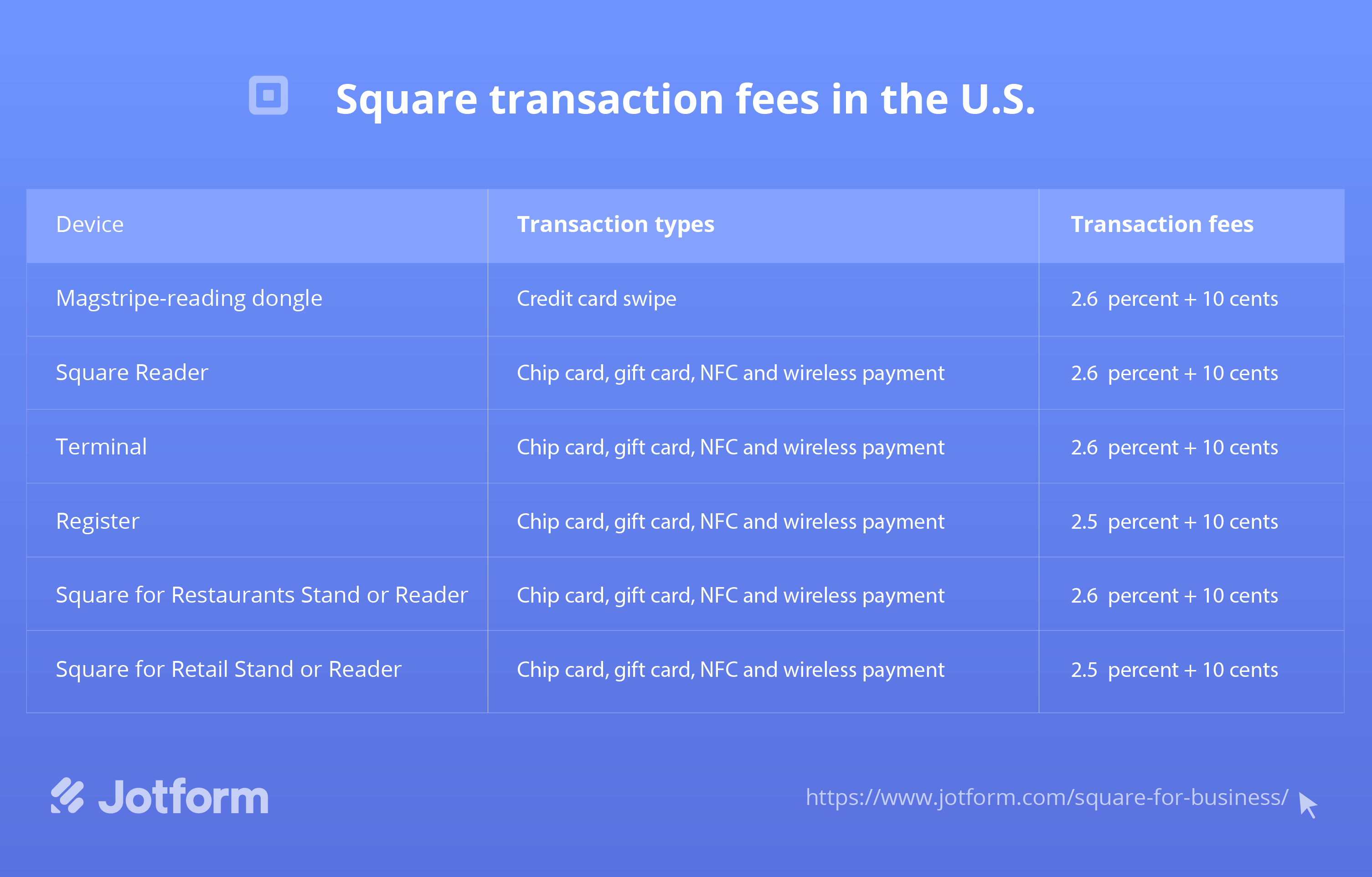
For businesses primarily operating out of a physical location, the most common fees are for in-person transactions. When a customer pays by swiping, dipping (EMV chip cards), or tapping (NFC, contactless payments like Apple Pay or Google Pay) using Square’s hardware (such as the Square Reader, Stand, or Terminal), the fee structure is designed to be simple and predictable. This typically involves a percentage of the transaction amount plus a small flat fee.
Historically, Square has maintained a consistent rate for these transactions, making it easy for businesses to calculate their processing costs. The rationale behind this single rate is to cover interchange fees (what banks charge each other to process transactions), assessment fees (charged by card networks like Visa and Mastercard), and Square’s own operational costs and profit margin. For many small businesses with fluctuating sales volumes, this predictable per-transaction fee is a significant advantage, eliminating the worry of monthly minimums or hidden charges that can erode profits during slower periods.
Online Payment Processing Rates
As commerce increasingly shifts to digital platforms, Square’s online payment processing capabilities have become indispensable. These rates apply to transactions made through a Square Online store, invoices sent via Square, virtual terminal payments (keyed in on a computer), or payments integrated into third-party e-commerce platforms using Square APIs.
Online transactions typically carry a slightly higher fee than in-person payments. This difference is largely due to the increased risk associated with “card-not-present” transactions, where the physical card isn’t present to be verified. Fraud rates tend to be higher in online environments, leading card networks and processors to impose slightly elevated fees to mitigate this risk. Understanding this distinction is crucial for businesses with a significant online presence, as these higher rates can accumulate quickly and impact profitability if not factored into pricing and financial projections.
Manual Entry and Card-Not-Present Rates
When a customer’s card information is manually keyed into a Square device or app (e.g., over the phone), or if a payment is processed through Square’s virtual terminal without a physical card being present, these transactions fall under the “card-not-present” category and generally incur the highest processing fees. This rate reflects the maximum risk for fraud, as there are fewer verification points compared to chip or tap payments.
Businesses that frequently take phone orders, rely on manually entering customer card details, or use Square’s virtual terminal as a primary payment method must be acutely aware of these higher rates. While convenient, the cumulative effect of these fees can significantly impact gross revenue. Strategic planning might involve encouraging customers to use online payment links or in-person methods where possible to minimize these higher-cost transactions.
Beyond Transaction Fees: Other Costs to Consider
While transaction fees form the bulk of Square’s charges, a comprehensive understanding requires looking at other potential costs associated with using their extensive ecosystem. Square has evolved beyond a simple card processor into a full-fledged business management platform, offering a suite of hardware, software, and value-added services, each with its own pricing structure.
Hardware Costs: Initial Investment for Seamless Operations
To accept in-person payments, businesses need Square’s hardware. While the basic Square Reader for magstripe cards is often provided free upon sign-up, more advanced hardware comes with an upfront cost. This includes the Square Contactless and Chip Reader (for tap and chip payments), the Square Stand (which turns an iPad into a complete POS), the Square Terminal (an all-in-one device for payments and receipts), and the Square Register (a fully integrated countertop POS system).
These hardware costs represent an initial investment, not recurring fees. The pricing for each piece of hardware varies, reflecting its features and capabilities. For many businesses, investing in more advanced hardware can pay off by offering a smoother customer experience, enhanced security for chip and contactless payments, and greater operational efficiency. It’s important to view these as capital expenditures that enable payment acceptance rather than ongoing service charges.
Software Subscriptions: Elevating Your Business Operations
Beyond the free basic Square POS app, Square offers specialized software subscriptions tailored to different business types and advanced needs. These include:
- Square for Retail: Designed for retail businesses, offering advanced inventory management, vendor management, and detailed sales reporting.
- Square for Restaurants: Caters to the hospitality industry with features like table management, kitchen display systems, and menu management.
- Square Appointments: For service-based businesses, providing online booking, staff management, and client communication tools.
- Square Payroll: A comprehensive payroll service that handles employee payments, taxes, and benefits.
Each of these premium software solutions comes with a monthly subscription fee, which varies based on the features included and the number of locations or employees. While these are additional costs, they often provide significant value by streamlining operations, improving efficiency, and offering specialized functionalities that generic POS systems lack. Businesses should evaluate whether the benefits and time savings these subscriptions offer outweigh the monthly expense.
Value-Added Services: Enhancing Business Capabilities
Square also offers a range of optional, value-added services, each with its own fee structure. These are designed to extend Square’s utility and provide businesses with additional tools for growth and protection.
- Instant Transfer: For an additional fee per transfer, businesses can access their funds instantly, rather than waiting for the standard 1-2 business day deposit time. This can be crucial for managing cash flow.
- Chargeback Protection: While Square offers tools to help manage chargebacks, some enhanced protection services might carry a fee.
- Marketing Tools: Square offers email marketing campaigns, customer directory management, and loyalty programs that might have subscription tiers or per-use fees.
- Gift Cards: Digital and physical gift card programs typically involve an initial setup cost or a per-card fee.
These services are optional and can be toggled on or off based on a business’s specific needs. They represent opportunities to enhance operations, improve customer engagement, or mitigate risks, but their costs must be factored into the overall financial assessment of using Square.
ACH Payment Processing Fees
For larger transactions, business-to-business payments, or recurring billing, Square also facilitates Automated Clearing House (ACH) transfers. These direct bank transfers often come with a lower transaction fee compared to credit card processing, typically a percentage of the transaction amount up to a cap. While less common for consumer-facing point-of-sale transactions, ACH processing can be a cost-effective option for specific business models, such as subscription services or invoicing for high-value goods and services.
Understanding Square’s Fee Structure: A Cost-Benefit Analysis
Understanding Square’s various charges goes beyond simply knowing the numbers; it involves a strategic cost-benefit analysis to determine its true value for your specific business model. Square’s approach to pricing is a significant differentiator in the payment processing industry, but it’s not a one-size-fits-all solution.
Transparent Pricing vs. Hidden Costs
One of Square’s most compelling selling points is its commitment to transparent pricing. The advertised transaction rates are generally what businesses pay, without monthly statements riddled with obscure fees like PCI compliance fees, gateway fees, or annual charges that often characterize traditional merchant accounts. This simplicity is particularly attractive to startups and small businesses that lack dedicated accounting departments or prefer straightforward financial planning.
However, “transparent” doesn’t necessarily mean “free of complexity.” As highlighted in the previous sections, the existence of different rates for in-person versus online/manual transactions, plus the added costs of hardware, software subscriptions, and value-added services, means that the total cost of using Square can vary significantly based on how a business operates. It requires proactive calculation and understanding to avoid surprises.
When Square’s Fees Make Sense
Square’s pricing model is particularly advantageous for:
- Small Businesses and Startups: With no monthly fees or long-term contracts for basic payment processing, Square minimizes financial risk for businesses with inconsistent or lower sales volumes.
- Mobile and Pop-Up Businesses: The portability of Square’s hardware and its simple setup make it ideal for vendors at markets, food trucks, or mobile service providers.
- Businesses Prioritizing Simplicity: Square’s user-friendly interface and integrated ecosystem simplify payment acceptance, inventory, and basic reporting, freeing up owners to focus on their core business.
- Businesses with Lower Average Transaction Sizes: While the percentage fee applies to all transactions, the flat fee component becomes less significant on higher-value transactions. Conversely, for very small transactions, the combined percentage and flat fee might represent a larger effective rate.
When Square Might Be More Expensive
Conversely, Square’s model might prove more costly for:
- High-Volume Businesses: For businesses processing tens or hundreds of thousands of dollars monthly, the per-transaction percentage fees can accumulate quickly. At certain volumes, traditional merchant accounts with custom-negotiated interchange-plus pricing might offer lower overall rates.
- Businesses with Very High Average Transaction Sizes: While Square’s flat fee is beneficial, for extremely high-value transactions (e.g., car dealerships, luxury goods), a custom percentage rate from a different provider might be more economical.
- Businesses Needing Highly Specialized Features Not Offered by Square: While Square’s ecosystem is robust, highly niche industries might find more tailored (and potentially more cost-effective) solutions elsewhere, rather than paying for a Square subscription with features they don’t fully utilize.
Optimizing Your Square Costs: Strategies for Businesses
Understanding Square’s charges is the first step; strategically managing them is the key to maximizing profitability. By being mindful of how you use Square’s services, businesses can minimize unnecessary expenses and ensure they’re getting the most value for their money.
Choosing the Right Hardware and Software Plan
A common mistake is overspending on hardware or subscribing to software plans with features that are not fully utilized.
- Hardware Audit: Assess your actual payment acceptance needs. Do you truly need a full Square Register, or would a Square Terminal suffice? For purely mobile operations, the smaller readers might be perfectly adequate. Balance initial cost with long-term functionality and customer experience.
- Software Tier Evaluation: Regularly review your Square software subscriptions. Are you using all the advanced features of Square for Retail, Restaurants, or Appointments? If a simpler plan or even the free POS app meets your needs, consider downgrading to save on monthly subscription fees. As your business grows, you can always upgrade.
Encouraging Optimal Payment Methods
Educating customers and guiding them towards lower-cost payment methods can significantly impact your processing fees.
- Promote In-Person Payments: For businesses with both online and physical presences, gently encourage customers to complete purchases in-store when possible, as in-person rates are typically lower.
- Avoid Manual Entry: Minimize manual key-in transactions. If taking orders over the phone, consider sending a Square Invoice or a payment link via email or text for the customer to complete themselves, which often incurs a slightly lower “card-not-present” rate than manual key-in, and shifts the liability slightly.
- Consider ACH for Large Transactions: For B2B transactions or high-value services, explore using Square’s ACH payment option, which typically has a lower percentage fee, often capped at a maximum amount, making it very cost-effective for large sums.
Managing Chargebacks and Disputes Effectively
Chargebacks are not only a loss of revenue but also incur additional fees from Square (and other processors) for handling the dispute.
- Robust Customer Service: Excellent customer service can prevent many disputes from escalating into chargebacks. Address customer concerns promptly and offer refunds or exchanges where appropriate.
- Maintain Detailed Records: For every transaction, especially online or card-not-present ones, keep meticulous records: signed receipts (if applicable), proof of delivery, communication logs, and descriptions of goods/services. This documentation is crucial for successfully defending against fraudulent chargebacks.
- Understand Square’s Dispute Process: Familiarize yourself with how Square handles disputes and chargebacks. Responding quickly and comprehensively with supporting evidence is key to recovering funds and avoiding chargeback fees.
Leveraging Square’s Ecosystem for Efficiency
While some Square services come with additional costs, many are designed to increase overall business efficiency, which can lead to cost savings elsewhere or boost revenue.
- Integrated Inventory Management: If using Square for Retail or Restaurants, utilize its inventory features to prevent stockouts or overstocking, which can reduce waste and optimize purchasing.
- Customer Relationship Management (CRM): Use Square’s customer directory and loyalty programs to build repeat business, often more cost-effective than acquiring new customers.
- Consolidated Reporting: Square’s unified dashboard provides valuable insights into sales trends, employee performance, and inventory. Leveraging these reports can help identify areas for cost reduction or revenue enhancement.
By strategically integrating Square’s various offerings into your business operations, you can transform what might appear as individual costs into a comprehensive system that delivers significant value and efficiency.
Conclusion: Making Informed Financial Decisions with Square
The question “what does Square charge?” is multifaceted, extending beyond simple transaction percentages to encompass a diverse array of hardware, software, and value-added services. Square’s appeal lies in its transparent, pay-as-you-go model for core processing and its expansive ecosystem of tools designed to support businesses of all sizes. However, true financial prudence requires a thorough understanding of each component of its pricing structure.
For many small and growing businesses, Square offers unparalleled convenience, accessibility, and a powerful suite of integrated tools that justify its costs. By analyzing your business’s specific needs, transaction volume, payment methods, and operational requirements, you can strategically select the right combination of Square services to optimize your expenditure. Regularly reviewing your usage, choosing appropriate hardware and software, and implementing strategies to minimize high-cost transactions will ensure that Square remains a cost-effective and powerful ally in your pursuit of financial success. Ultimately, an informed approach to Square’s charges empowers you to make intelligent financial decisions, bolster your bottom line, and confidently navigate the evolving landscape of digital commerce.
aViewFromTheCave is a participant in the Amazon Services LLC Associates Program, an affiliate advertising program designed to provide a means for sites to earn advertising fees by advertising and linking to Amazon.com. Amazon, the Amazon logo, AmazonSupply, and the AmazonSupply logo are trademarks of Amazon.com, Inc. or its affiliates. As an Amazon Associate we earn affiliate commissions from qualifying purchases.