
In the rapidly evolving landscape of consumer behavior, brands are no longer just products on a shelf; they are experiences, symbols, and, increasingly, participants in cultural rituals. One of the most fascinating examples of this phenomenon in recent years is the phrase “split the G.” While it originated in the pubs of Ireland and the UK, its implications stretch far beyond the tavern walls, offering a masterclass in brand strategy, organic marketing, and the psychology of consumer engagement.
To understand what it means to “split the G” is to understand how a brand can transcend its utility and become a cornerstone of social identity.

The Origins and Cultural Mechanics of “Splitting the G”
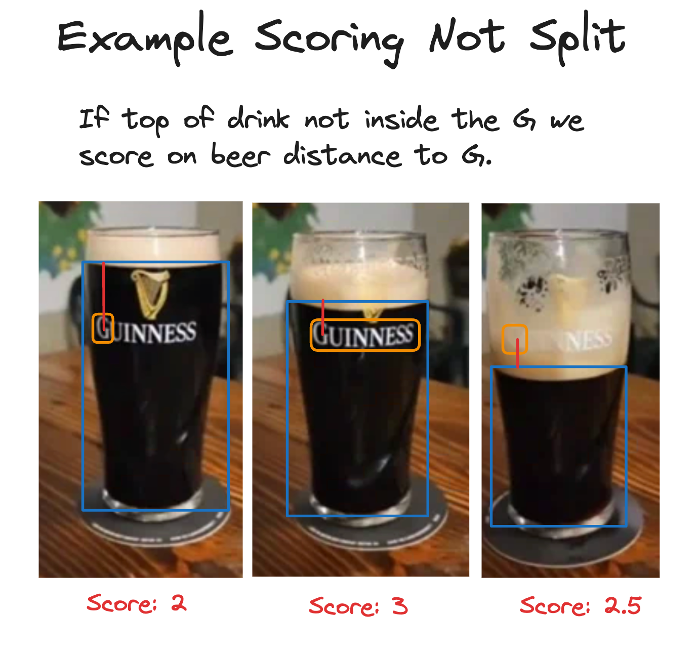
At its most literal level, to “split the G” refers to the act of drinking a pint of Guinness—specifically from a branded tulip glass—so that after the first substantial sip, the line of the foam (the “head”) rests exactly in the middle of the gold-printed “G” in the Guinness logo. It is a feat of precision, timing, and social bravado.
The Anatomy of the Perfect Pour
The ritual is inextricably linked to the physical design of the product’s vessel. The Guinness glass is iconic, designed with a specific curvature to aid the nitrogenation process. The placement of the “G” in the logo is not accidental; it serves as a visual benchmark. By attempting to split the G, consumers are engaging in a tactile interaction with the brand’s corporate identity. This is not just drinking; it is a performance that requires the consumer to pay intimate attention to the brand’s iconography.
The Gamification of Consumption
What makes “splitting the G” a stroke of brilliance for the brand—even though the ritual was largely consumer-led—is the inherent gamification. When a simple act of consumption is turned into a challenge, it creates a “sticky” experience. It transforms a solitary or passive act into a social competition. Friends challenge one another, success is celebrated, and failure (missing the G) results in lighthearted social consequences. For a brand, this is the ultimate win: your product is the centerpiece of a game that reinforces brand recognition with every round.
Building Brand Identity Through Shared Experience
In the world of brand strategy, there is a significant difference between a customer who buys a product and a disciple who participates in a brand’s culture. “Splitting the G” represents the transition from the former to the latter.
Creating “Insider” Communities
One of the core tenets of personal and corporate branding is the creation of an “in-group.” When a consumer knows what it means to split the G, they are signaling their membership in a specific cultural subset. This “insider knowledge” creates a sense of belonging. In a digital age where consumers are bombarded with thousands of advertisements daily, the brands that win are those that foster a sense of community. By participating in this ritual, the consumer isn’t just drinking a stout; they are participating in a storied tradition that feels both ancient and contemporary.
The Role of Social Proof in Organic Marketing
The rise of the “split the G” phenomenon has been hyper-accelerated by social media. Platforms like TikTok and Instagram are flooded with videos of people attempting the challenge. This is “earned media” in its purest form. Instead of the brand paying for a 30-second television spot, thousands of brand ambassadors are creating content for free.
The social proof generated by these interactions is invaluable. When a potential customer sees their peers engaging with a brand in a fun, authentic way, the psychological barrier to entry drops. The brand identity becomes synonymous with “good times” and “authenticity” rather than “corporate messaging.”
The Psychology of Ritual: Why Consumers Crave Specificity

Why does a ritual like splitting the G take hold while other marketing campaigns fail? The answer lies in the psychological need for structure and the human affinity for ritualistic behavior.
From Passive Consumer to Active Participant
Modern marketing often treats consumers as passive recipients of information. “Splitting the G” flips this script. It requires the consumer to be an active participant. There is a “correct” way to interact with the brand, and that specificity is a powerful tool for loyalty. Think of the “Oreo twist” or the “Corona lime.” These are not just suggestions; they are rituals that dictate how the product is used. When a brand dictates—or adopts—a specific ritual, it secures a larger “share of mind” in the consumer’s brain.
Anchoring Brand Loyalty with Sensory Cues
The “G” on the glass acts as a visual anchor. Every time a consumer looks at the glass, they are reminded of the challenge and the brand. This constant reinforcement builds a neural pathway between the visual cue (the logo) and the reward (the social satisfaction of a successful split).
Furthermore, the ritual emphasizes the product’s quality. You cannot split the G if the pint isn’t poured correctly or if the head isn’t creamy enough. Thus, the ritual becomes a self-policing mechanism for quality control. It forces the consumer to appreciate the “perfect pour,” which is the cornerstone of Guinness’s brand promise.
Lessons for Modern Marketers: Replicating the “Split the G” Effect
For brand strategists and marketing professionals, the “split the G” phenomenon offers several high-level takeaways that can be applied across various industries, from software to fashion.
Leveraging Cultural Nuance over Direct Advertising
Direct advertising is often met with skepticism. However, cultural nuance—the “under-the-radar” trends that emerge from actual usage—carries significant weight. Brands should spend less time telling consumers who they are and more time observing how consumers actually use their products.
If a software company notices users have created a “hack” or a specific way of using a tool, the brand should lean into that. Authenticity cannot be manufactured in a boardroom; it is discovered in the wild. By identifying and amplifying these organic behaviors, a brand can achieve a level of cultural relevance that no ad budget can buy.
Turning a Product into a Performance
Whether you are selling a SaaS platform or a physical gadget, consider how the user interacts with the “interface” of your brand. Is there a “ritual” involved in the onboarding process? Is there a signature “sound” or “motion” associated with your product (think of the Apple “Swoosh” or the click of a Zippo lighter)?
“Splitting the G” works because it turns the interface (the glass) into a stage. Brands that find ways to make their user experience performative or shareable will naturally see higher engagement rates. In the digital space, this might look like “wrapped” year-end reviews or milestone badges that users are proud to share.
The Power of Design-Led Strategy
Finally, the “split the G” phenomenon highlights the importance of design. If the Guinness logo were placed an inch higher or lower, the ritual wouldn’t work. This is a reminder that every aspect of a brand’s visual identity—from logo placement to packaging texture—has the potential to become a catalyst for consumer engagement. Design is not just about aesthetics; it is about functionality and the potential for interaction.
Conclusion: The Longevity of the Ritual
What does “split the G” mean? On the surface, it’s a pub game. Beneath the surface, it is a sophisticated interaction between a legacy brand and a modern audience. It proves that even in an era of high-tech digital marketing, the most powerful tool a brand possesses is its ability to foster a shared, tangible experience.
By understanding the mechanics of this ritual, brand strategists can learn how to build deeper connections with their audiences. It’s about more than just a logo; it’s about where that logo sits in the lives of the people who use it. Whether you are a multinational corporation or a personal brand, the goal remains the same: create something so iconic, so engaging, and so culturally resonant that your audience can’t help but want to “split the G.”
aViewFromTheCave is a participant in the Amazon Services LLC Associates Program, an affiliate advertising program designed to provide a means for sites to earn advertising fees by advertising and linking to Amazon.com. Amazon, the Amazon logo, AmazonSupply, and the AmazonSupply logo are trademarks of Amazon.com, Inc. or its affiliates. As an Amazon Associate we earn affiliate commissions from qualifying purchases.