
In the competitive landscape of modern entrepreneurship and professional development, the concept of “spirituality” is often misconstrued. Within the context of personal branding and corporate identity, spirituality does not necessarily refer to religious dogma or metaphysical practices. Instead, it serves as the foundational architecture of an individual’s or a company’s “brand soul.” It is the alignment of internal values with external output. When we define spirituality in a professional sense, we are identifying the intangible essence that differentiates a commoditized service from a trusted, purpose-driven brand.
The Architecture of Authenticity in Branding
At the core of a powerful personal brand lies a set of deeply held beliefs. In the professional sphere, spirituality is synonymous with authentic alignment. It is the practice of ensuring that the public-facing identity of a professional or a corporation is an accurate reflection of their internal mission.

Defining the Value-Driven Narrative
Consumers today are highly sensitive to superficiality. When a brand lacks a spiritual core—a guiding philosophy that transcends profit—it inevitably feels hollow. Establishing a brand’s “spirit” involves articulating why you exist beyond the transaction. This is the difference between saying “I sell accounting software” and “I empower small business owners to find financial freedom.” The latter speaks to an underlying purpose, a mission that resonates on a human level.
The Role of Transparency and Integrity
Spirituality in branding requires a high degree of transparency. It is the radical commitment to the truth of your brand’s capabilities and limitations. When an organization operates with this level of internal awareness, it fosters trust. Integrity becomes the manifestation of this professional spirituality; it is the refusal to compromise core principles for short-term gain. In the eyes of the consumer, this translates to reliability, which is the cornerstone of brand loyalty.
Cultivating the Corporate Soul: Organizational Culture as Identity
A company is more than its ledger or its product line. It is a collective consciousness composed of every individual contributor. When we speak of organizational spirituality, we are discussing the culture that binds employees to a shared vision.
Purpose Over Policy
Traditional corporate management relied on top-down directives and rigid policy manuals. Modern branding, however, recognizes that inspiration is a more effective driver of performance than regulation. A company with a strong internal identity—one that understands its own “spirit”—creates a work environment where employees are not merely task-oriented but mission-driven. When the organizational culture is aligned with a higher sense of purpose, turnover decreases, and the brand’s output becomes consistently more innovative and empathetic.
Conscious Leadership and Emotional Intelligence
The leader of a brand must embody its spiritual components. This involves high levels of emotional intelligence and the ability to steer the ship based on values rather than mere metrics. Conscious leadership recognizes that every business decision has an impact on the broader ecosystem. By making decisions that honor the brand’s core philosophy, leaders cultivate a sense of trust among stakeholders, shareholders, and the public. This is the tangible ROI of an intangible commitment.
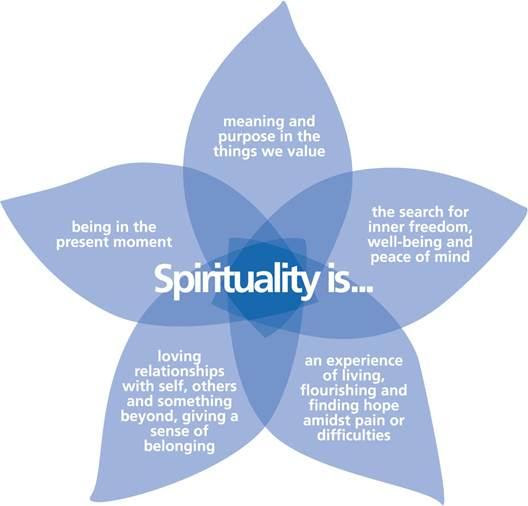
The Intersection of Spirituality and Market Positioning
Market positioning is not just about identifying a demographic or an SEO keyword; it is about establishing a psychological resonance with a specific audience. When a brand operates from a position of spiritual clarity, it naturally attracts a community rather than just a customer base.
Moving Beyond Transactional Marketing
Transactional marketing treats the consumer as a target. Spiritual, or purpose-driven, marketing treats the consumer as a partner in a shared journey. When you clarify the “spirit” of your brand, you are essentially defining the values that you share with your audience. This creates an emotional contract. Customers don’t just buy your product; they buy into the narrative you represent. This is why heritage brands or niche startups that remain true to their origins often outperform larger, faceless competitors.
Resilience Through Value-Alignment
The market is inherently volatile. Companies that anchor themselves to a specific, narrow trend often vanish when that trend fades. Conversely, brands that are anchored to a core set of values—their “spiritual” center—possess the resilience to pivot. Because their identity is rooted in who they are rather than what they sell at a given moment, they can adapt their products and services to meet changing times without losing the essence that makes them unique. This is the strategic advantage of being a values-led organization.
Integrating Spirituality into Your Personal Brand Strategy
For individual professionals, the question of “what does spirituality mean” is a question of “what is my unique contribution?” Your brand is the synthesis of your skills, your personality, and your underlying philosophy.
Identifying Your Core Archetype
Every strong personal brand functions like an archetype—a character in the marketplace that represents specific virtues. To find your brand’s spirituality, you must look inward and ask: What is the primary problem I am uniquely positioned to solve, and what fundamental truth do I believe about that problem? Whether your archetype is the Educator, the Challenger, or the Healer, your brand strategy must lean into that truth consistently. Consistency is the primary way we signal our “spirit” to the market.
The Sustainability of Purpose
Burnout is a common ailment in professional life. It often stems from a disconnect between the work being done and the values of the individual. When you infuse your work with a sense of purpose—essentially, when you operate with a clear internal philosophy—you create a feedback loop of motivation. Doing work that is spiritually aligned with your principles is the ultimate guard against professional fatigue. It ensures that your brand remains energized, sustainable, and ready for long-term growth.

Crafting a Legacy-Oriented Mindset
Finally, spirituality in professional branding encourages a long-term perspective. It shifts the focus from the next quarterly earnings report to the long-term legacy of the individual or the organization. When you operate with the intent to leave a positive footprint on your industry, your decision-making processes change. You prioritize ethical growth, sustainable partnerships, and high-quality output. This is not just a moral stance; it is a sophisticated branding strategy. It positions you as a leader rather than a participant, a force for good rather than just a vendor.
In conclusion, understanding the meaning of spirituality in a professional and branding context is about embracing the depth of your work. It is the deliberate act of aligning internal belief with external action. By fostering this alignment, you elevate your brand from a commodity to an identity. In a world saturated with noise and fleeting trends, the most sustainable competitive advantage remains the authenticity of your mission and the clarity of your purpose. Whether you are building a global corporation or a personal professional profile, your spiritual core is your most valuable asset. Protect it, refine it, and let it lead the way in every strategic decision you make.
aViewFromTheCave is a participant in the Amazon Services LLC Associates Program, an affiliate advertising program designed to provide a means for sites to earn advertising fees by advertising and linking to Amazon.com. Amazon, the Amazon logo, AmazonSupply, and the AmazonSupply logo are trademarks of Amazon.com, Inc. or its affiliates. As an Amazon Associate we earn affiliate commissions from qualifying purchases.