
In the rapidly evolving landscape of health technology, the intersection of biological needs and digital precision has never been more evident than in the field of optometry. For those who rely on corrective lenses, a prescription is more than just a piece of paper; it is a complex set of data parameters that dictates the manufacturing of advanced wearable tech. At the heart of this data is the “SPH” value.
While the average consumer might view SPH as a simple number indicating the strength of their vision correction, in the realm of optical technology and software engineering, it represents a precise measurement of light refraction. Understanding what SPH means for contacts is essential for navigating the future of vision tech, from AI-driven eye exams to the development of smart contact lenses.
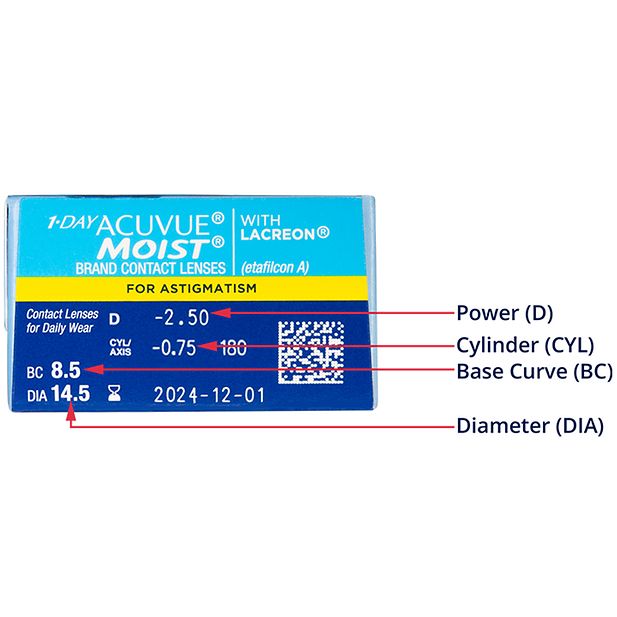
The Digital Translation of Sight: Understanding SPH as a Technical Parameter
SPH, an abbreviation for “Sphere,” is the primary metric used to describe the power of a lens required to correct a refractive error. In technical terms, it measures the lens power, prescribed in diopters (D), needed to focus light directly onto the retina.
The Sphere Value and Digital Refraction
In the context of modern optical software, the SPH value is a numerical representation of whether an eye is myopic (nearsighted) or hyperopic (farsighted). A negative sign (-) preceding the number indicates myopia, where the eye’s software—the brain and the biological lens—cannot properly process distant objects because the light focuses in front of the retina. Conversely, a positive sign (+) indicates hyperopia.
From a tech perspective, this is a binary of sorts. The SPH value tells the manufacturing hardware exactly how much to curve the contact lens material to shift the focal point. Digital refraction systems now use wavefront technology to measure these values with far greater precision than the manual “which is better, one or two?” tests of the past.
Data Precision in Prescriptions
The SPH value is typically measured in increments of 0.25 diopters. However, the next generation of optical tech is moving toward “High-Definition” vision, where software can calculate prescriptions to the 0.01 diopter. This level of granularity allows for the creation of contact lenses that offer a “digital-native” clarity, reducing aberrations that were previously ignored by traditional manufacturing methods.
From Manual Measurement to AI-Driven Analysis
The process of determining a user’s SPH value has transitioned from a subjective experience to a highly sophisticated data-gathering exercise. This shift represents a major milestone in HealthTech and diagnostic software.
Algorithmic Vision Correction
Modern clinics now utilize Auto-Refractors and Aberrometers. These devices function like high-speed cameras integrated with sophisticated image-processing software. They project light into the eye and measure how it bounces off the retina. The onboard AI then calculates the SPH, CYL (Cylinder), and Axis values in milliseconds.
This algorithmic approach minimizes human error. By analyzing thousands of data points on the corneal surface, the software can suggest an SPH value that provides the most stable visual output. For the wearer, this means contact lenses that feel “tuned” to their specific biological interface.
The Role of Software in Mapping Corneal Topography
Beyond simple SPH values, modern contact lens fitting involves corneal topography—a digital 3D mapping of the eye’s surface. Software like the Oculus Keratograph uses thousands of light points to create a “digital twin” of the patient’s eye. The SPH value is then integrated into this 3D model to ensure that the contact lens doesn’t just correct vision but also fits the unique physical geometry of the wearer. This integration of software and physical design is what allows for the production of specialty lenses, such as scleral or orthokeratology lenses.
SPH and the Future of Smart Contact Lenses
As we look toward the future of wearables, the SPH value becomes the foundation upon which “Smart Contacts” are built. Companies like Mojo Vision and various research divisions at tech giants have long been exploring the integration of micro-displays and sensors directly onto the surface of a contact lens.
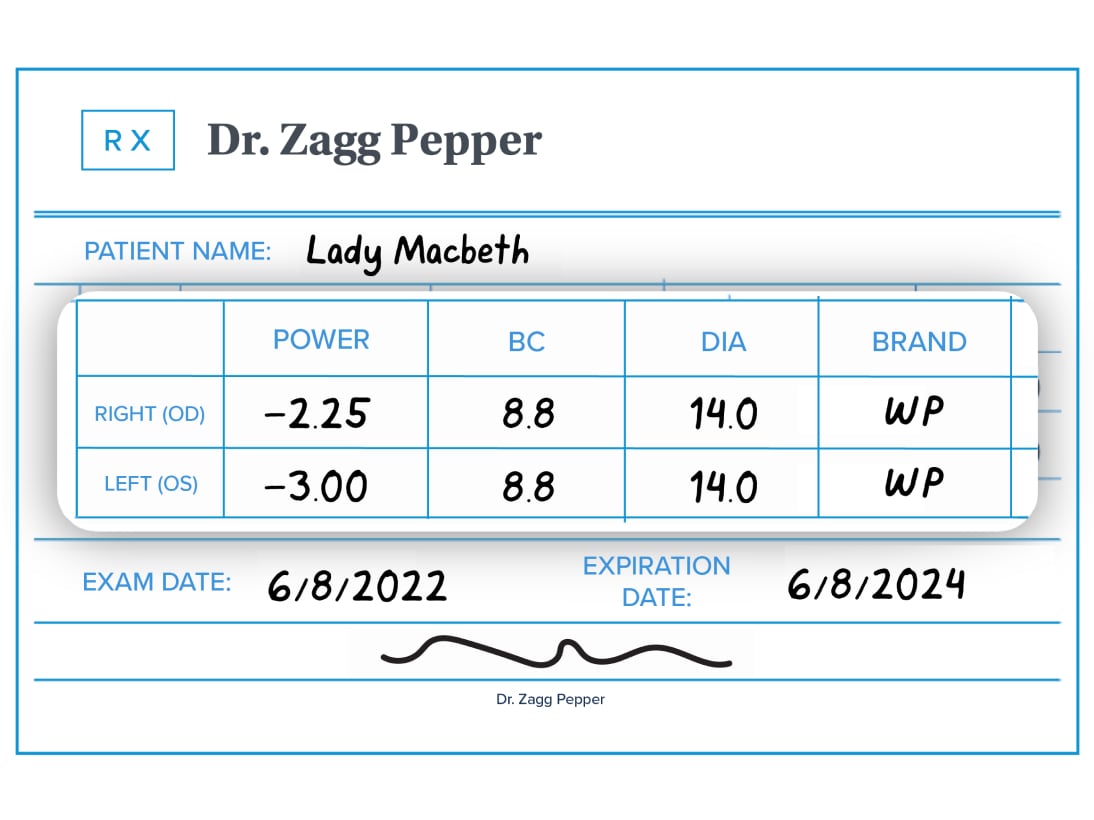
Integrating Augmented Reality (AR)
A smart contact lens must do two things simultaneously: correct the user’s vision (based on their SPH value) and overlay digital information (AR). This presents a massive engineering challenge. The SPH correction must be “built-in” to the lens substrate without distorting the digital display generated by the micro-LEDs.
In this ecosystem, the SPH value is a static variable in a dynamic software environment. Developers must ensure that the AR interface remains legible regardless of whether the user has a -2.00 or a -8.00 SPH prescription. This requires complex optical algorithms that can adjust the projection of light from the micro-display to compensate for the corrective curvature of the lens.
IoT and Real-Time Vision Adjustment
The ultimate goal of vision tech is the “Liquid Lens.” Imagine a contact lens where the SPH value is not fixed. Using electro-active polymers and miniature sensors, a lens could theoretically change its refractive power in real-time. If a user is looking at a smartphone (requiring near-vision) and then looks up at a mountain (requiring distance vision), the software within the lens could adjust the SPH value dynamically. This “Auto-Focus” for the human eye represents the pinnacle of IoT (Internet of Things) integration in personal health.
Security and Data Privacy in Digital Prescriptions
As vision correction moves into the cloud, the SPH value and other prescription data become part of a user’s digital health identity. This brings the focus toward digital security and the protection of biometric data.
Protecting Ocular Biometrics
A contact lens prescription is a unique identifier. In a world where iris scanning is a common security measure, the data used to manufacture a person’s contact lenses is highly sensitive. If a malicious actor gains access to a user’s topographic maps and SPH data, they could theoretically reconstruct a model of the user’s eye.
Modern optical platforms are adopting end-to-end encryption for transmitting prescription data from the doctor’s office to the manufacturing facility. This ensures that the “digital blueprint” of a person’s vision remains private.
The Blockchain of Vision Care
There is a growing movement to store medical prescriptions, including SPH values, on a decentralized ledger (blockchain). This would allow users to own their vision data and seamlessly share it with different providers or hardware manufacturers without relying on a centralized database that could be vulnerable to breaches. In this model, your SPH value becomes a portable digital asset.
The Intersection of Software and Material Science
The final stage of the SPH journey is the translation of digital data into a physical product. This is where high-tech manufacturing and software-driven logistics take center stage.
Hydrogel Engineering via Simulation
Before a single lens is manufactured, software simulations determine how different materials (like silicone hydrogel) will behave when molded into specific SPH curvatures. These simulations predict oxygen permeability and moisture retention. If a lens has a high negative SPH value, it will be thinner in the center; if it has a high positive SPH value, it will be thicker. Software ensures that even at these extremes, the material maintains its structural integrity and physiological compatibility.
Customization at Scale
The “Contact Lens as a Service” (CLaaS) model relies on highly automated supply chains. When a user enters their SPH value into a mobile app, that data is sent to a robotic facility where CNC (Computer Numerical Control) lathes or 3D printing arrays receive the instructions. This allows for “mass customization,” where every individual receives a product tailored specifically to their digital profile, rather than a “best-fit” version from a limited stock.
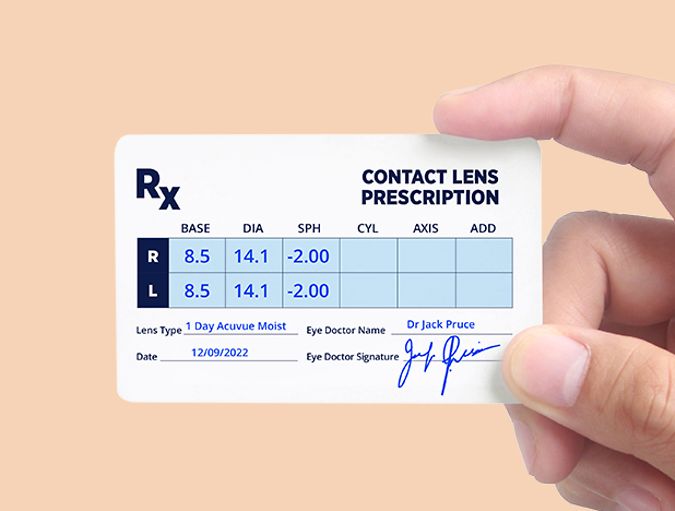
Conclusion: The SPH Value as a Gateway to Enhanced Human Performance
The question of “what does SPH mean for contacts” finds its answer at the intersection of biology and technology. It is no longer just a medical measurement; it is a critical data point in a vast technological ecosystem. From the AI that calculates the prescription to the robotic arms that manufacture the lens, and the future AR displays that will sit atop that correction, the SPH value is the foundational metric of modern vision.
As we continue to merge our physical selves with digital enhancements, understanding these technical parameters becomes vital. The SPH value is the key that unlocks a world of precision, ensuring that as our technology moves forward, our vision—quite literally—stays in focus. Whether through a standard hydrogel lens or a future-gen smart wearable, the SPH value remains the most important line of code in the software of our sight.
aViewFromTheCave is a participant in the Amazon Services LLC Associates Program, an affiliate advertising program designed to provide a means for sites to earn advertising fees by advertising and linking to Amazon.com. Amazon, the Amazon logo, AmazonSupply, and the AmazonSupply logo are trademarks of Amazon.com, Inc. or its affiliates. As an Amazon Associate we earn affiliate commissions from qualifying purchases.