
In the modern digital landscape, audio quality is the invisible backbone of professional content. Whether you are consuming a high-budget cinematic production, a viral podcast, or a complex software tutorial, the clarity and immersion of the sound are rarely accidental. At the center of this auditory architecture sits the sound mixer—a vital technician who balances the technical and artistic elements of sound design. Understanding the role of a sound mixer provides deep insight into the workflows of modern creative technology, revealing how digital signals are manipulated to ensure that the final output is polished, intelligible, and impactful.
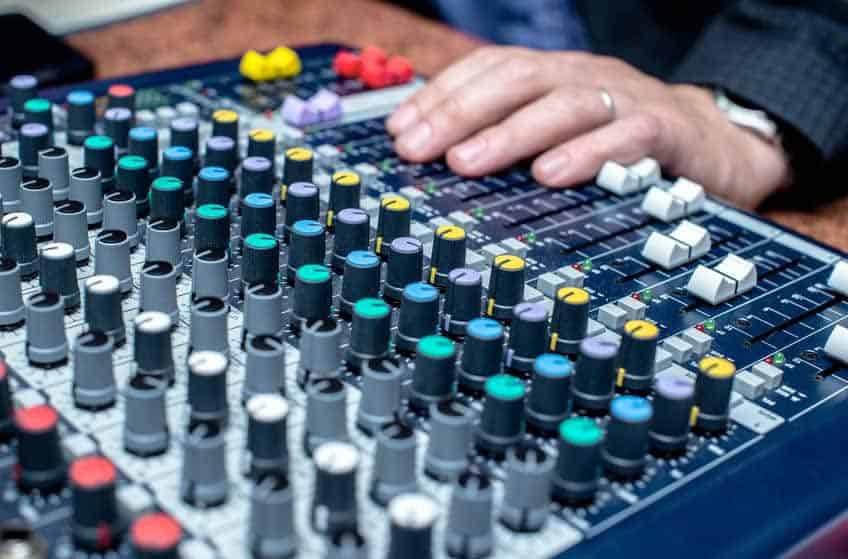
The Technical Foundations of Sound Mixing
At its core, a sound mixer is a professional tasked with balancing multiple audio sources to create a cohesive, balanced soundscape. This role relies heavily on proficiency with Digital Audio Workstations (DAWs) and complex signal routing, bridging the gap between raw, messy field recordings and the pristine, balanced audio required for commercial distribution.
The Digital Audio Workstation (DAW) Environment
The primary tool of the sound mixer is the DAW—software such as Avid Pro Tools, Ableton Live, or Logic Pro. Within this software environment, the mixer manages a multitrack session that may contain hundreds of individual audio files. Each file represents a specific source: dialogue from a microphone, ambient room tone, sound effects (Foley), and musical scores. The sound mixer must organize, route, and process these tracks using a mix of stock and third-party plugins. Proficiency in these tools is not merely about knowing the interface; it is about understanding how to use digital signal processors (DSP) to sculpt the frequency spectrum.
Signal Chain Management and Gain Staging
A fundamental technical responsibility for the sound mixer is gain staging. This is the process of managing the levels of an audio signal at every stage of the process to avoid digital distortion (clipping) while maintaining a sufficient signal-to-noise ratio. If a track is too quiet, boosting it later may introduce unwanted background hiss (noise floor). If it is too hot, it will distort. A sound mixer constantly monitors these levels, ensuring that every element—from the subtle rustle of clothing to a booming explosion—sits comfortably within the “headroom” of the project.
The Artistic Process: Balancing the Sonic Landscape
While the technical aspect provides the foundation, the artistic aspect is what distinguishes a competent mixer from a master. Sound mixing is, ultimately, an act of storytelling through frequency and space. The mixer must make subjective decisions about how loud, how wide, and how “present” each sound should be relative to its counterparts.
Frequency Sculpting with Equalization (EQ)
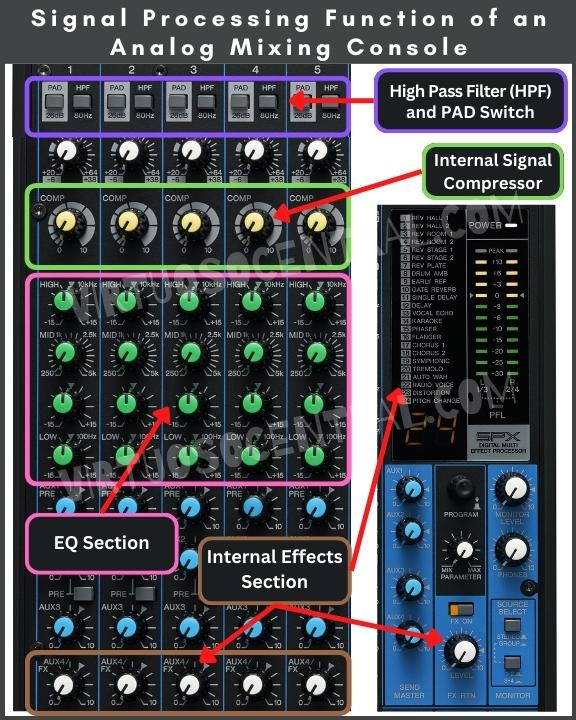
Every sound occupies a specific place in the frequency spectrum, ranging from the low-end rumble (sub-bass) to the high-end sparkle (treble). When these sounds overlap, it causes “frequency masking,” where one sound hides another, resulting in a muddy, incoherent mix. The sound mixer uses equalization (EQ) to carve out space. By subtracting unnecessary low-frequency information from a vocal track, for instance, the mixer allows the bass guitar or kick drum to sit cleanly in the mix without competing. This subtraction-based approach is a hallmark of professional mixing, ensuring that clarity is preserved across all playback systems, from expensive studio monitors to mobile phone speakers.
Dynamic Processing: Compression and Expansion
Dynamics refer to the variance in volume between the loudest and softest parts of an audio file. Unprocessed audio often has high dynamic range, which can be jarring in a media context. A sound mixer employs compressors to tighten this range, essentially turning down the loud peaks and bringing up the quiet valleys. This ensures that the dialogue remains intelligible even in a noisy environment or during a scene with significant background action. Conversely, expanders or gates may be used to remove silence or background noise between speech, creating a “black” or empty space that enhances the perceived cleanliness of the production.
Spatial Positioning and The Stereo Field
Sound mixing is not just about volume and frequency; it is about depth and width. In a stereo or surround-sound mix, the sound mixer uses “panning” to place audio sources within the 360-degree field. By subtly adjusting the volume relationship between the left and right speakers, the mixer can create the illusion of space. Furthermore, the application of artificial reverberation and delay plugins allows the mixer to simulate real-world environments. A dialogue track recorded in a dry, acoustic-treated studio booth can be placed inside a cathedral, a small office, or a cave by manipulating the time-based characteristics of the sound. This spatial manipulation is crucial for immersion, as it tricks the human brain into believing in the physical space of the digital scene.
Integration with Modern Digital Workflows
The role of the sound mixer has evolved alongside advancements in software and AI-driven tools. In the current technological landscape, mixing is no longer just about manual fader adjustments; it involves the strategic deployment of advanced algorithms that streamline repetitive tasks while maintaining high fidelity.
Automation and Technical Efficiency
Modern sound mixers utilize deep automation within their DAWs. Automation allows the mixer to record changes in parameters—such as volume, panning, or EQ frequency—over the duration of a clip. For example, the mixer might automate the volume of a background music bed to duck beneath a speaker’s voice, then rise again during a pause in the dialogue. This dynamic movement ensures that the mix is constantly evolving to serve the content, a technique that would be impossible to perform manually in real-time for complex, layered projects.
AI-Assisted Mixing Tools
Technology trends have introduced AI-driven mixing tools that can assist the mixer in identifying problematic frequencies or applying corrective processing. While these tools do not replace the human ear—as they lack the nuance and narrative intuition of a sound engineer—they have significantly accelerated the “pre-mix” phase. Advanced plugins can now analyze spectral data to suggest EQ cuts or identify resonant frequencies that are causing harshness. By outsourcing the corrective grunt-work to smart software, the professional sound mixer can focus their energy on the creative decisions that define the signature sound of a brand or production.

Quality Control and Final Mastering
The final stage of the mixer’s workflow is rigorous quality control. This involves testing the mix across multiple playback environments to ensure “translation.” A mix that sounds great in a high-end studio but disappears on a laptop speaker has failed to translate. The mixer performs constant A/B testing, checking the output against standardized reference tracks and technical benchmarks. They must adhere to strict technical delivery specifications, such as LUFS (Loudness Units relative to Full Scale) standards, which are required for distribution across streaming platforms like Spotify, Apple Music, or Netflix. This ensures that the content reaches the end-user with consistent volume and clarity, maintaining the integrity of the original creative vision throughout the digital pipeline.
By balancing technical precision with artistic judgment, the sound mixer ensures that the auditory experience is not just functional, but essential to the emotional and cognitive reception of modern media.
aViewFromTheCave is a participant in the Amazon Services LLC Associates Program, an affiliate advertising program designed to provide a means for sites to earn advertising fees by advertising and linking to Amazon.com. Amazon, the Amazon logo, AmazonSupply, and the AmazonSupply logo are trademarks of Amazon.com, Inc. or its affiliates. As an Amazon Associate we earn affiliate commissions from qualifying purchases.