
Social Security stands as a foundational pillar of financial security for millions of Americans, providing a crucial safety net for retirement, disability, and survivorship. For many, understanding what Social Security pays—and how those payments are determined—is a vital, yet often complex, aspect of long-term financial planning. Far from being a simple, one-size-fits-all payout, the amount an individual receives is the culmination of decades of work, strategic decisions, and intricate calculations. This article aims to demystify the intricacies of Social Security payments, exploring the various types of benefits, the factors that influence their value, and practical strategies to help individuals maximize their entitlements, ensuring a clearer path to financial stability in the future.
Understanding the Pillars of Social Security Benefits
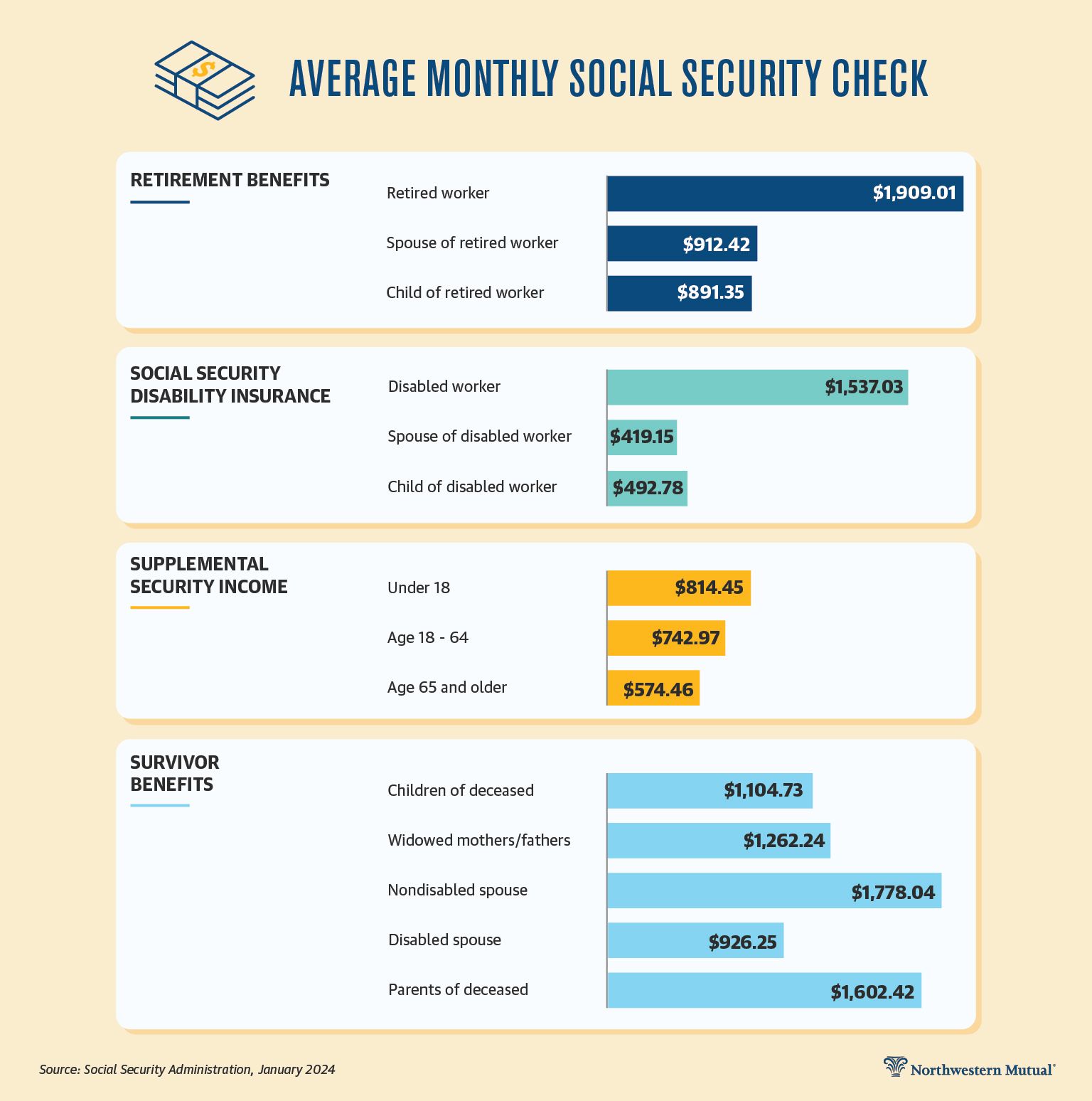
Social Security isn’t a singular program; it’s a comprehensive system offering several distinct types of benefits designed to protect individuals and families across different life stages and circumstances. Each benefit type serves a unique purpose, but all are fundamentally supported by contributions made through payroll taxes during one’s working life.
Retirement Benefits: The Cornerstone
The most widely recognized component of Social Security, retirement benefits, provides a steady stream of income to eligible individuals once they cease working or reduce their work hours in their later years. Eligibility hinges primarily on earning “work credits,” which are accumulated by working and paying Social Security taxes. Most individuals need 40 credits (equivalent to 10 years of work) to qualify. The amount you receive is significantly influenced by your “Full Retirement Age” (FRA), which varies depending on your birth year. For those born in 1960 or later, FRA is 67.
The decision of when to claim retirement benefits is perhaps the most impactful financial choice many individuals will make regarding Social Security. You can start receiving benefits as early as age 62, but doing so results in a permanent reduction in your monthly payment. Conversely, delaying claiming beyond your FRA—up to age 70—can significantly increase your monthly check through “delayed retirement credits.” This strategic choice alone can mean tens of thousands of dollars difference over a lifetime. Additionally, spousal benefits allow a non-working or lower-earning spouse to potentially receive up to 50% of their partner’s primary insurance amount, provided certain conditions are met, highlighting the program’s family-centric design.
Disability Benefits: A Safety Net
For those who suffer a severe medical condition preventing them from engaging in substantial gainful activity, Social Security Disability Insurance (SSDI) offers a critical financial lifeline. Unlike short-term disability insurance, SSDI is designed for long-term or permanent disabilities. Eligibility requires not only a medically determinable physical or mental impairment that is expected to last for at least 12 months or result in death, but also a sufficient work history. The number of work credits needed depends on your age when you become disabled. For example, a 31-year-old would generally need 20 credits earned in the last 10 years, while someone older would need more.
The application process for SSDI is notoriously rigorous and often lengthy, requiring extensive medical documentation and a thorough review by the Social Security Administration (SSA). Despite the challenges, SSDI ensures that individuals who are unable to work due to severe health issues can still receive a portion of their earned benefits, providing essential income for living expenses and healthcare.
Survivor Benefits: Protecting Loved Ones
Social Security also extends its protective reach to families who lose a breadwinner. Survivor benefits provide financial support to eligible family members of a deceased worker, offering a crucial safety net during a time of immense grief and potential financial instability. Eligible beneficiaries typically include widows, widowers, and divorced spouses (under specific conditions); unmarried dependent children under age 18 (or 19 if still in high school); and, in some cases, dependent parents.
The amount of survivor benefits depends on the deceased worker’s earnings record and the relationship of the survivor to the deceased. A widow or widower at full retirement age or older can receive 100% of the deceased worker’s basic benefit amount. Younger widows or widowers caring for the deceased’s children can receive a smaller percentage, as can minor children. These benefits are particularly vital for families with young children, helping to cover living costs and educational expenses, ensuring that the financial impact of a loss doesn’t derail the family’s future entirely.
How Social Security Payments Are Calculated
Understanding the types of benefits is only the first step; grasping how the Social Security Administration (SSA) calculates individual payment amounts is key to comprehending the program’s value. The calculation process is intricate, factoring in an individual’s entire earnings history, adjustments for inflation, and the specific age at which benefits are claimed.
The Role of Your Earnings History
At the heart of Social Security benefit calculations is your “Average Indexed Monthly Earnings” (AIME). The SSA doesn’t just look at your raw earnings; it considers your highest 35 years of indexed earnings. “Indexing” is a crucial step that adjusts past earnings to reflect the general increase in wages over time. This ensures that earlier earnings have a comparable value to more recent ones, preventing inflation from diminishing their impact on your benefit calculation. If you have fewer than 35 years of earnings, zero-earning years will be averaged in, which can significantly lower your AIME and, consequently, your benefit amount. This emphasizes the importance of a long and consistent work history in maximizing your Social Security payout.
Primary Insurance Amount (PIA)
Once your AIME is determined, the SSA uses a progressive formula with “bending points” to calculate your “Primary Insurance Amount” (PIA). The PIA is the monthly benefit you would receive if you claim benefits precisely at your Full Retirement Age (FRA). The bending point formula is progressive, meaning it provides a higher percentage of your average indexed earnings to lower-income workers than to higher-income workers. For example, a certain percentage (e.g., 90%) is applied to the first “bend point” of your AIME, a lower percentage (e.g., 32%) to the amount between the first and second bend points, and an even lower percentage (e.g., 15%) to the amount above the second bend point. This progressive structure is a fundamental aspect of Social Security’s design, aiming to provide a more substantial safety net for those with lower lifetime earnings.
Factors Affecting Your Monthly Check
While PIA provides the baseline, several factors can modify your actual monthly payment. As mentioned, claiming age is paramount. Claiming before your FRA permanently reduces your benefit (e.g., 6.67% per year for the first three years, 5% per year thereafter), while delaying past FRA (up to age 70) earns delayed retirement credits, increasing your benefit by 8% per year. Cost-of-Living Adjustments (COLAs) are another critical factor; these annual increases are designed to help benefits keep pace with inflation, maintaining purchasing power over time.
Other less common but impactful factors include the Windfall Elimination Provision (WEP) and the Government Pension Offset (GPO), which can reduce Social Security benefits for individuals who also receive pensions from employment not covered by Social Security (e.g., certain government jobs). Finally, there are maximum benefit limits that cap the highest possible payment, regardless of how high an individual’s earnings history might be, ensuring a degree of equity within the system.
Navigating the Application Process and Maximizing Your Benefits
Understanding the calculations and benefit types is essential, but equally important is knowing how to navigate the application process and employ strategies to maximize your Social Security payments. Proactive planning can make a substantial difference in your financial well-being during retirement.
When and How to Apply
The SSA offers multiple avenues for applying for benefits, typically starting three months before you wish your benefits to begin. The most convenient method for many is online via the SSA website, which provides clear instructions and an intuitive interface. Alternatively, you can apply by phone or in person at your local Social Security office. Regardless of the method, you will need to provide various documents, including your Social Security card, birth certificate, proof of U.S. citizenship or lawful alien status (if not born in the U.S.), marriage certificate (if applicable), and W-2 forms or self-employment tax returns for the previous year. It is critically important to create a “mySocialSecurity” account well before you plan to retire. This online portal allows you to review your earnings record, estimate future benefits, and proactively identify any discrepancies, ensuring your reported earnings are accurate and complete.
Strategies for Optimizing Your Payments
Maximizing your Social Security benefits often boils down to strategic decision-making. The most significant lever is your claiming age. Delaying benefits beyond your Full Retirement Age (up to age 70) results in a substantial increase in your monthly payout (8% per year). For someone with a FRA of 67, waiting until 70 means a 24% increase in their monthly check for life. This strategy is particularly powerful for those who can afford to delay, or who have a longer life expectancy.
Coordinating with spousal benefits is another key strategy for married couples. It’s often beneficial for the higher-earning spouse to delay claiming to maximize their own benefit, which will also maximize the survivor benefit for their spouse. The lower-earning spouse might claim earlier, providing income while the higher earner’s benefit grows. Understanding these options, and potentially “filing and suspending” (though largely phased out, certain rules apply for those born before 1954), can significantly enhance total household benefits. Additionally, being aware of earnings limits if you work while receiving benefits before your FRA is crucial. Exceeding these limits can temporarily reduce your Social Security payments, which are then restored later at your FRA through a recalculation. Incorporating these considerations into a broader financial plan is vital for a secure retirement.
The Future and Sustainability of Social Security
While Social Security has been a cornerstone of American financial security for decades, its long-term sustainability is a frequent topic of discussion and concern. Understanding the challenges and the program’s enduring importance is crucial for informed public discourse and personal financial planning.
Current Challenges and Proposed Solutions
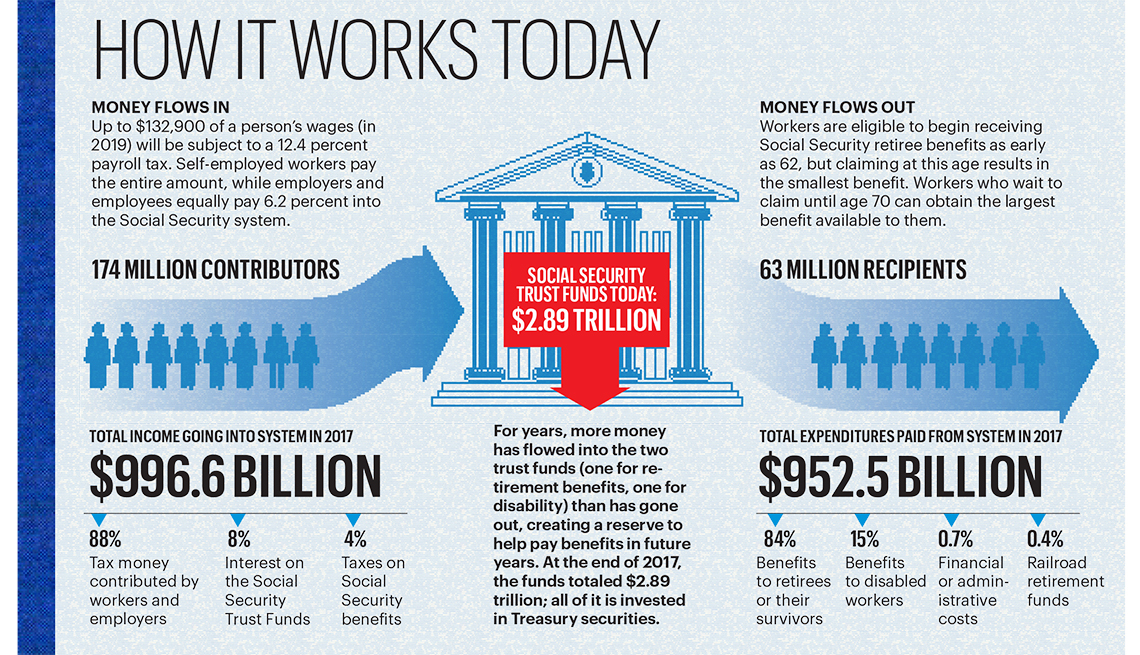
Social Security’s funding mechanism relies primarily on payroll taxes from current workers, which are then used to pay current retirees and beneficiaries—a “pay-as-you-go” system. The primary challenge facing the program is demographic: an aging population means more beneficiaries living longer, coupled with declining birth rates leading to a relatively smaller workforce to support them. This imbalance has led to projections that the Social Security Trust Funds could be depleted in the coming decades, meaning that without legislative action, the program would only be able to pay out about 80% of promised benefits.
Various solutions have been proposed to address these challenges. These include raising the Full Retirement Age further, adjusting the Cost-of-Living Adjustment (COLA) formula to reduce annual increases, increasing the payroll tax rate, or raising the taxable earnings cap (the maximum amount of earnings subject to Social Security taxes). Each of these proposals has economic and social implications, and finding a politically viable consensus remains an ongoing challenge.
Why Social Security Remains Indispensable
Despite the debates about its future, Social Security remains an indispensable program for several compelling reasons. Firstly, it provides a guaranteed, inflation-adjusted income stream that no private pension plan can fully replicate. This predictability is invaluable for retirees, especially during periods of market volatility. Secondly, it serves as an essential safety net for millions, particularly for low-income individuals and those with limited personal savings. For many, Social Security represents their primary, if not sole, source of retirement income, preventing widespread poverty among the elderly and disabled.
Moreover, its comprehensive nature, offering retirement, disability, and survivor benefits, provides a multi-faceted layer of protection that extends beyond the individual worker to their entire family. As a mandatory contribution system, it ensures a baseline level of financial security for virtually all working Americans, fostering a collective responsibility for societal well-being. The program’s foundational role in preventing poverty, providing disability protection, and supporting families underscores its enduring value and its critical place in the nation’s financial landscape.
Conclusion
Social Security, with its multifaceted benefits and intricate payment calculations, is far more than just a government program; it is a complex, yet vital, component of financial security for millions of Americans. From the cornerstone of retirement benefits to the crucial safety nets of disability and survivor benefits, understanding what Social Security pays requires delving into one’s personal earnings history, strategic claiming decisions, and an awareness of the program’s broader economic context.
While challenges to its long-term sustainability exist, Social Security’s role as a guaranteed, inflation-adjusted income stream and a bulwark against poverty remains indispensable. By taking the time to understand your potential benefits, reviewing your earnings record, and making informed decisions about when and how to claim, you can significantly optimize your financial future. Proactive engagement with the Social Security Administration and incorporating these insights into your overall financial plan are key to harnessing the full potential of this enduring and essential American institution.
aViewFromTheCave is a participant in the Amazon Services LLC Associates Program, an affiliate advertising program designed to provide a means for sites to earn advertising fees by advertising and linking to Amazon.com. Amazon, the Amazon logo, AmazonSupply, and the AmazonSupply logo are trademarks of Amazon.com, Inc. or its affiliates. As an Amazon Associate we earn affiliate commissions from qualifying purchases.