
In the current digital epoch, asking “what does social media mean” transcends a simple definition of platforms like Instagram, X (formerly Twitter), or LinkedIn. For the modern brand strategist, social media is the primary theater of operation where corporate identity is forged, tested, and matured. It is no longer a peripheral marketing channel; it is the central nervous system of a brand’s relationship with its global audience.
To understand what social media means in a professional context, one must look past the interface of the apps and examine the underlying shift in power dynamics between organizations and consumers. It represents the transition from controlled, one-way broadcasting to a democratic, multi-directional dialogue. This article explores the profound implications of social media through the lens of brand strategy, corporate identity, and the psychological architecture of modern marketing.

Redefining Communication: From Broadcasting to Community Building
Historically, brand communication was a monologue. Companies purchased airtime or print space to push a curated message toward a passive audience. In this legacy model, “meaning” was dictated by the brand. Today, social media has inverted this structure, meaning that a brand is no longer what it tells the consumer it is—it is what consumers tell each other it is.
The Shift from One-Way to Two-Way Dialogue
Social media has fundamentally changed the “meaning” of a brand’s voice. In the past, a corporate voice was a static set of guidelines used for press releases and advertisements. Now, a brand must be capable of listening as much as it speaks. Two-way dialogue means that every post is an invitation for feedback, critique, or celebration. For a brand, this means social media is a real-time focus group. Strategic brands use these platforms to gather intelligence on consumer sentiment, allowing them to pivot their messaging or product offerings with a speed that was previously impossible.
Fostering Authenticity through Real-Time Engagement
The digital audience has developed a high sensitivity to “corporate speak.” To the modern consumer, social media means a demand for authenticity. This shift has forced brands to move away from overly polished, sterile imagery toward content that feels human and relatable. Engagement is the currency of the social realm; a brand that responds to comments, participates in trending conversations with wit, and acknowledges its mistakes builds a level of “brand equity” that traditional advertising cannot buy. Authenticity is not just a buzzword; it is a survival mechanism in an era where transparency is mandated by the audience.
The Pillars of Personal and Corporate Branding
Whether we are discussing a Fortune 500 company or an individual entrepreneur, the “meaning” of social media is inextricably linked to the construction of a digital persona. The platforms serve as a canvas where the values, aesthetics, and mission of an entity are painted daily.
Consistency as the Foundation of Trust
In brand strategy, consistency is the bedrock of recognition. Social media requires a brand to maintain a unified identity across diverse platforms with different technical requirements and audience demographics. A brand’s “meaning” is diluted if its LinkedIn persona feels like a different entity than its TikTok persona. Strategic branding involves creating a “Core Brand DNA” that remains constant while the “expression” of that DNA adapts to the medium. Consistency in visual language, tone of voice, and value delivery creates a sense of reliability that fosters long-term consumer trust.
Narrative Control in a Decentralized Landscape
One of the most complex aspects of social media for a brand is the loss of narrative control. Because anyone can create content about a brand, the “meaning” of that brand is now decentralized. This is where personal branding and corporate identity intersect. Employees are now brand ambassadors; their social presence contributes to the company’s reputation. Strategically, this means brands must empower their stakeholders to share the “brand story” in a way that feels organic rather than forced. Controlling the narrative now requires a “pull” strategy—creating such compelling values and content that the community wants to replicate and share the brand’s message.
Strategic Implementation: How Social Media Shapes Consumer Perception
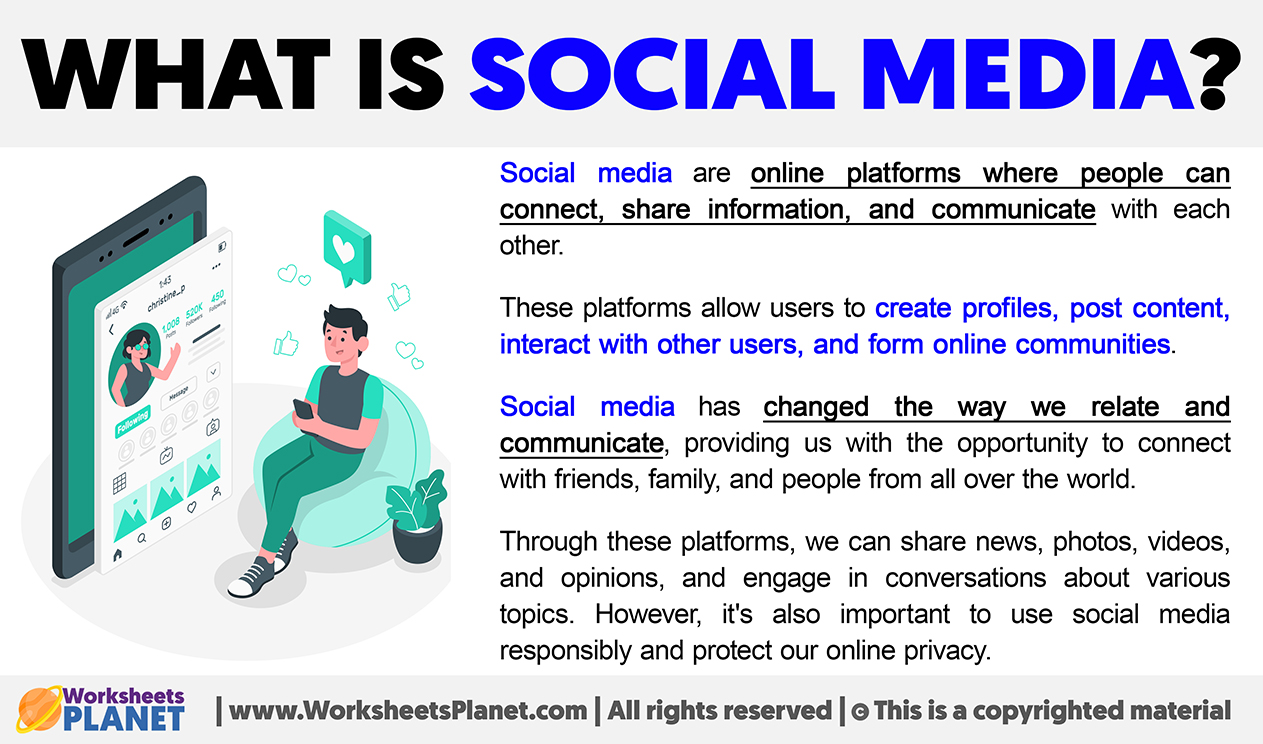
To understand what social media means in a practical marketing sense, we must look at how it influences the psychological journey of the consumer. It is the bridge between a stranger’s first impression and a loyal customer’s advocacy.
Humanizing the Corporate Entity
Perhaps the greatest strategic advantage of social media is its ability to humanize a corporation. By sharing “behind-the-scenes” content, highlighting employee stories, and showcasing the brand’s involvement in social causes, companies can move from being a faceless logo to a living entity with a personality. This humanization is vital because people do not form emotional bonds with corporations; they form bonds with people and values. Social media provides the tools to showcase the “human” side of the business, making the brand more approachable and less intimidating.
Visual Identity and Aesthetic Cohesion
In a world of infinite scrolling, the visual “meaning” of a brand is often captured in a fraction of a second. This has elevated the importance of design and aesthetic strategy. A brand’s social media grid is its modern storefront. The choice of color palettes, typography, and photography styles must convey the brand’s positioning immediately. For example, a luxury brand might use minimalist design and high-contrast imagery to signify exclusivity, while a community-focused non-profit might use warm tones and candid photography to signify accessibility and warmth. Strategy in this area is about ensuring that the visual “vibe” matches the corporate mission.
Case Studies in Brand Transformation via Social Platforms
The true meaning of social media is best observed through its impact on brand trajectories. Many companies have used social strategy to either disrupt established markets or save themselves from obsolescence.
The Disruptor Strategy: Direct-to-Consumer Success
The rise of Direct-to-Consumer (DTC) brands is a testament to the power of social media branding. Companies like Glossier or Warby Parker did not rely on massive television budgets; they used social media to build communities before they even sold products. For these brands, social media meant a direct line to their target demographic, bypassing traditional retail gatekeepers. By leveraging user-generated content (UGC), they turned their customers into their marketing department, creating a “meaning” centered around belonging and shared identity rather than just product utility.
Managing Crisis and Reputation in the Public Square
Social media has also redefined crisis management. When a brand fails, the fallout happens in real-time on social platforms. In this context, social media means accountability. Brands that handle crises well—by being transparent, taking responsibility, and communicating clearly on social channels—often emerge stronger. Conversely, brands that remain silent or defensive find that the community defines the “meaning” of the crisis for them. A proactive social strategy involves having a “crisis playbook” that prioritizes the brand’s core values over short-term legal protection.
The Future of Social Media in Brand Strategy
As we look forward, the meaning of social media continues to evolve. We are moving away from a “more is better” approach to a “depth over breadth” strategy.
Moving Beyond Likes to Community Equity
For years, the “meaning” of success on social media was measured in “vanity metrics” like likes and follower counts. However, brand strategists are now realizing that these numbers often have little correlation with brand health or revenue. The future of social media branding lies in “Community Equity”—the measurable value of a brand’s loyal, engaged, and protective community. This involves moving fans into private groups, Discord servers, or specialized forums where the interaction is deeper and the brand’s meaning is more intensely felt.
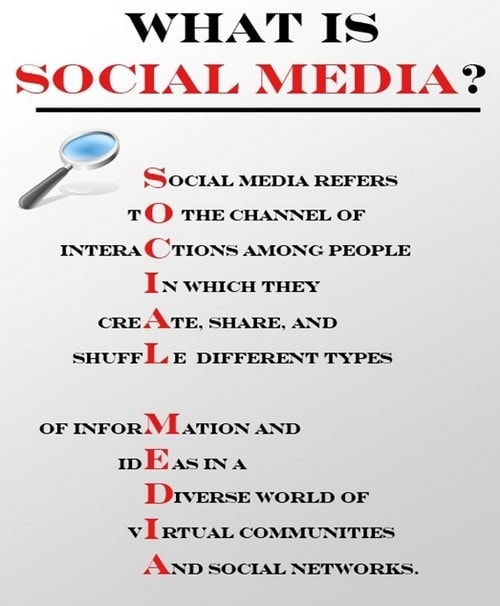
The Integration of Social Commerce and Brand Identity
Finally, the line between social media and the point of sale is disappearing. Social media is becoming a holistic ecosystem where discovery, research, and purchase all happen within the same interface. For brands, this means that every piece of content must be both a branding statement and a potential transaction point. The challenge for strategists is to integrate “shoppability” without losing the “social” element. If a brand becomes too transactional, it loses the emotional connection that social media is designed to foster. The “meaning” of a brand in the future will be defined by its ability to provide value, entertainment, and utility simultaneously.
In conclusion, social media is the most powerful tool ever created for the definition and dissemination of brand identity. It has changed the meaning of marketing from a tactical pursuit of attention to a strategic pursuit of relationship and resonance. For any brand looking to thrive in the modern economy, social media is not just a place to post; it is the place to be. It is the digital manifestation of the brand’s soul, and its management requires a sophisticated blend of design, psychology, and strategic foresight.
aViewFromTheCave is a participant in the Amazon Services LLC Associates Program, an affiliate advertising program designed to provide a means for sites to earn advertising fees by advertising and linking to Amazon.com. Amazon, the Amazon logo, AmazonSupply, and the AmazonSupply logo are trademarks of Amazon.com, Inc. or its affiliates. As an Amazon Associate we earn affiliate commissions from qualifying purchases.