
In an era defined by rapid technological advancement, our methods of communication have undergone a profound transformation. Texting, instant messaging, and various social media platforms have become the dominant conduits for daily interaction, blurring the lines between personal and professional spheres. With this shift comes a continually evolving lexicon—a dynamic tapestry of acronyms, initialisms, and shorthand that can often baffle the uninitiated. Among these, “SMFH” stands out as a particularly expressive, albeit sometimes ambiguous, piece of digital shorthand. Understanding its meaning is not merely about decoding a series of letters; it’s about grasping a facet of contemporary digital communication etiquette, its technological underpinnings, and its impact on how we connect. This article delves into the technological context and societal implications of “SMFH,” offering insights into navigating the rich, complex landscape of modern digital dialogue.

The Evolving Lexicon of Digital Communication
The digital age has ushered in a new epoch for language, where speed and brevity often dictate the form of our written interactions. Technology has not just facilitated communication; it has actively shaped its very nature, leading to the proliferation of specialized linguistic phenomena within apps and platforms.
The Rise of Acronyms and Initialisms in Texting
The genesis of acronyms and initialisms like “SMFH” is deeply rooted in the constraints and conveniences of early digital communication. Originating from the days of SMS messaging with character limits and T9 predictive text on mobile phones, the need to convey maximum information with minimal input was paramount. This necessity fostered a culture of linguistic efficiency. Platforms like AOL Instant Messenger (AIM) and early chat rooms further popularized these abbreviated forms, as users sought to maintain a rapid-fire conversational pace. Today, even without strict character limits on most modern messaging apps, the habit has persisted, evolving into a widely accepted, almost inherent, component of informal digital conversation. These shortcuts are essentially mini-programs for conveying complex ideas or emotions quickly, streamlining the user experience within communication software.
Why Digital Shorthand Became Essential
Beyond mere character saving, digital shorthand serves several crucial functions. Firstly, it enhances the speed of communication, allowing users to express reactions or sentiments almost instantaneously, mimicking the pace of spoken conversation. This real-time exchange is a cornerstone of modern messaging apps, which prioritize immediate feedback. Secondly, it fosters a sense of community and insider understanding. Those who master the lexicon feel part of an exclusive group, creating a subtle barrier for outsiders but strengthening bonds among those “in the know.” From a technological perspective, this efficiency minimizes bandwidth usage and processing power, particularly in older systems, though its cultural impact now far outweighs its technical necessity in most contemporary apps. It’s about cultural efficiency as much as data efficiency.
Bridging Gaps: Generational and Cultural Understandings
The rapid evolution of digital slang creates distinct generational and cultural divides. What is common parlance among teenagers on TikTok might be utterly baffling to their parents, or vice-versa. This gap isn’t just about age; it’s also about digital native vs. digital immigrant status, and the specific online communities one inhabits. Different apps and platforms can cultivate their own unique lexicons. Understanding “SMFH” means recognizing it as part of a dynamic, ever-changing digital dialect, one that requires continuous engagement with contemporary communication trends and the software through which they manifest. Technology provides the platform, but human interaction fills it with evolving meaning.
Deconstructing “SMFH”: Meaning and Context
To truly understand “SMFH,” one must move beyond its literal translation and explore the emotional spectrum it represents, acknowledging the crucial role of context in digital interpretation.
The Literal Interpretation: “Shaking My F***ing Head”
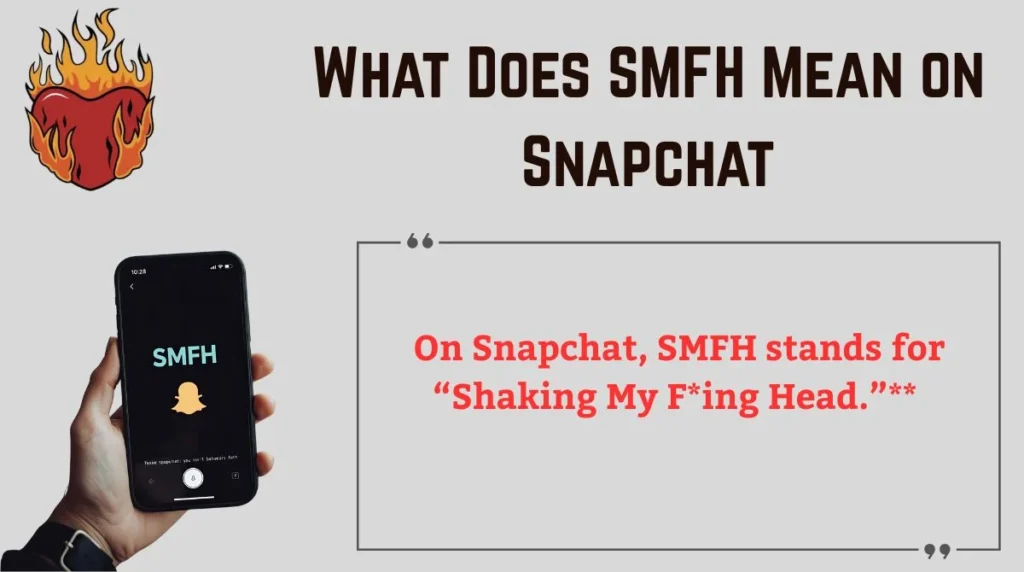
At its core, “SMFH” stands for “Shaking My Fing Head.” The “fing” is an expletive that amplifies the emotion, indicating a strong reaction. The literal act of “shaking one’s head” in non-verbal communication typically conveys disbelief, disappointment, exasperation, or disapproval. In digital text, “SMFH” encapsulates this complex physical gesture into a concise, powerful initialism, allowing users to express a significant emotional response without typing out a lengthy explanation. It’s an efficient emotional software package for messaging apps.
Emotional Spectrum: From Disbelief to Disappointment
The power of “SMFH” lies in its versatility to convey a range of negative emotions. It can signify:
- Disbelief: “I can’t believe this just happened.” (e.g., “Did you see that ridiculous bug in the new app update? SMFH.”)
- Exasperation/Frustration: “This is incredibly annoying or stupid.” (e.g., “My Wi-Fi keeps disconnecting, SMFH.”)
- Disappointment: “I expected better.” (e.g., “The latest tech gadget review was terrible, SMFH.”)
- Disapproval/Condescension: “That was a terrible decision or action.” (e.g., “Someone actually fell for that phishing scam, SMFH.”)
- Sarcasm: When paired with a humorous or ironic situation, it can lend a sarcastic tone.
This broad emotional range makes “SMFH” a potent tool in digital conversations, allowing for nuanced expression within the confines of text-based communication. It often acts as a digital sigh or an eye-roll, depending on the preceding context.
Context is King: Reading Between the Digital Lines
Crucially, the precise meaning and intensity of “SMFH” are heavily dependent on context. Without the benefit of tone of voice, facial expressions, or body language—all non-verbal cues present in face-to-face interactions—digital communicators must rely on the surrounding text, previous messages, and their relationship with the sender. For instance, receiving “SMFH” from a close friend after a shared anecdote might imply humorous exasperation, whereas receiving it from a colleague after a professional misstep could indicate serious disapproval. Understanding the communication history and the specific technological platform (e.g., a casual WhatsApp chat versus a more formal Slack channel) is vital for accurate interpretation, highlighting the need for advanced digital literacy.
The Impact of Slang on Digital Literacy and Etiquette
The prevalence of slang like “SMFH” significantly impacts how we develop digital literacy, shape our online personas, and adhere to varying standards of digital etiquette across different technological platforms.
Professional vs. Informal Communication: Knowing When to Use It
A critical aspect of digital literacy involves understanding the appropriate context for using slang. While “SMFH” is perfectly acceptable and widely understood in informal settings—like texting friends or casual group chats on apps like Telegram or Messenger—its use in professional communication can be detrimental. In emails, workplace messaging apps like Slack or Teams, or communications with clients, such slang can appear unprofessional, disrespectful, or even incomprehensible. It demonstrates a lack of awareness regarding professional digital etiquette and can undermine one’s credibility. Mastering digital communication means discerning when to engage in formal, precise language and when to leverage the shorthand of informal interaction. This is a crucial skill for anyone operating in today’s digital professional landscape, where the line between personal and professional communication tools can often blur.
Misinterpretation and Communication Breakdown
One of the inherent risks of relying on slang and abbreviated forms is the potential for misinterpretation. Without a shared understanding of meaning or context, “SMFH” can lead to confusion, offense, or a complete breakdown in communication. A sender might intend humorous exasperation, while a recipient might perceive deep anger or insult. This ambiguity is amplified across different cultural backgrounds or generational divides, where the interpretation of digital shorthand can vary wildly. Such breakdowns highlight a weakness in purely text-based digital communication, underscoring the importance of clear, unambiguous language when precision is paramount. Modern apps attempt to mitigate this with features like reaction emojis, but the core challenge remains.
The Role of Emojis and Other Non-Verbal Cues
In response to the limitations of text-only communication, emojis, GIFs, and reaction buttons have emerged as essential tools for adding emotional depth and clarity to digital conversations. An emoji paired with “SMFH” can significantly alter its perceived meaning: a laughing emoji might soften it to lighthearted exasperation, while an angry face could emphasize intense frustration. These visual cues function as digital body language, compensating for the absence of face-to-face interaction and reducing ambiguity. Developers of communication apps continually integrate new features to make digital interactions richer and more expressive, recognizing the human need for non-verbal context. These features are essentially software enhancements designed to mimic real-world social cues.
Tools and Strategies for Decoding Digital Slang
For those seeking to master the ever-changing landscape of digital slang, several tools and strategies can enhance understanding and ensure effective communication within various technological environments.
Leveraging Online Resources and Dictionaries
The internet itself is the most comprehensive dictionary for digital slang. Websites like Urban Dictionary, various tech blogs, and specialized glossaries are invaluable resources for deciphering acronyms and understanding their current usage. A quick search can often provide multiple definitions and examples, offering insight into the nuances of a term like “SMFH.” These platforms are constantly updated by user communities, reflecting the dynamic nature of online language. Regular consultation of such resources can help individuals stay abreast of new terms and evolving meanings, making them more proficient users of communication software.
Observing Usage Patterns and Peer Communication
Beyond formal dictionaries, one of the most effective ways to learn digital slang is through immersion and observation. Pay attention to how friends, colleagues, and online communities use these terms in various contexts. Notice the types of situations that elicit “SMFH,” the tone of the surrounding conversation, and any accompanying emojis or reactions. This observational learning, much like how children acquire language, helps build an intuitive understanding of slang. It’s about recognizing patterns within the communication data flow and interpreting them within the social software of human interaction.
The Importance of Clarification and Direct Inquiry
When in doubt, the simplest and most reliable strategy is direct inquiry. If a term like “SMFH” is unclear or its intended meaning is ambiguous, don’t hesitate to ask the sender for clarification. Phrases like, “What do you mean by that?” or “Could you explain ‘SMFH’ in this context?” are perfectly acceptable and demonstrate a commitment to clear communication. In professional settings, this approach is particularly important to avoid misunderstandings that could have negative consequences. Prioritizing clarity over assumption is a hallmark of effective digital literacy.
The Future of Digital Lexicon and AI’s Role
As technology continues its relentless march forward, the digital lexicon will undoubtedly continue to evolve. Artificial intelligence (AI) is poised to play an increasingly significant role in shaping and interpreting our digital language.
Predictive Text and Auto-Correction’s Influence
Current AI-powered predictive text and auto-correction features in messaging apps already subtly influence our language. By suggesting words and phrases, these tools can reinforce common spellings, grammar, and even popular slang, inadvertently standardizing certain forms of digital communication. As these AI models become more sophisticated, they could potentially contribute to the diffusion or even the creation of new slang, adapting to user input and suggesting shorthand that optimizes for speed and context. This represents an interesting feedback loop where user behavior trains AI, and AI then influences user behavior.
AI-Powered Language Models and Slang Interpretation
Advanced AI language models, such as those found in chatbots or virtual assistants, are becoming increasingly adept at understanding natural language, including slang and colloquialisms. These tools can already provide definitions, contextual interpretations, and even suggest appropriate usage of terms like “SMFH.” In the future, AI could act as a real-time linguistic bridge, translating complex slang for non-native speakers or across generational divides within communication apps. This could enhance digital accessibility and inclusivity, making the nuances of online communication more universally comprehensible. Imagine an AI “digital communication assistant” within your app explaining cryptic messages.
Maintaining Human Connection in an Evolving Digital Landscape
Despite the growing sophistication of AI and the efficiency of digital shorthand, the essence of communication remains human connection. While AI tools can assist in decoding and transmitting information, the empathy, nuance, and true understanding of human emotion largely remain within the human domain. The goal of technology, including our digital lexicon, should be to facilitate, not replace, genuine human interaction. Understanding terms like “SMFH” is part of navigating this evolving landscape, ensuring that our digital tools enhance our connections rather than diminishing them.
In conclusion, “SMFH” is more than just an acronym; it’s a testament to the dynamic nature of language in the digital age. Its meaning, rooted in the technological necessity for brevity, has expanded to encompass a wide array of emotions. Mastering its use and interpretation, along with other digital slang, is a critical component of modern digital literacy. As technology continues to shape our communication, a blend of awareness, contextual understanding, and a willingness to adapt will ensure effective and meaningful interactions in our increasingly connected world.
aViewFromTheCave is a participant in the Amazon Services LLC Associates Program, an affiliate advertising program designed to provide a means for sites to earn advertising fees by advertising and linking to Amazon.com. Amazon, the Amazon logo, AmazonSupply, and the AmazonSupply logo are trademarks of Amazon.com, Inc. or its affiliates. As an Amazon Associate we earn affiliate commissions from qualifying purchases.