
For countless millennia, silver has captivated humanity, not just for its lustrous beauty but also for its intrinsic value. From ancient coinage to modern investment vehicles, and from cherished heirlooms to contemporary jewelry, silver represents a tangible asset. However, like all precious metals, silver is susceptible to environmental interactions, most notably tarnish. Far more than just a superficial discoloration, understanding “what does silver tarnish look like” is a critical skill for anyone with a financial stake in this noble metal. The appearance of tarnish, its severity, and its unique characteristics can profoundly impact the appraisal, marketability, and long-term value of silver assets.
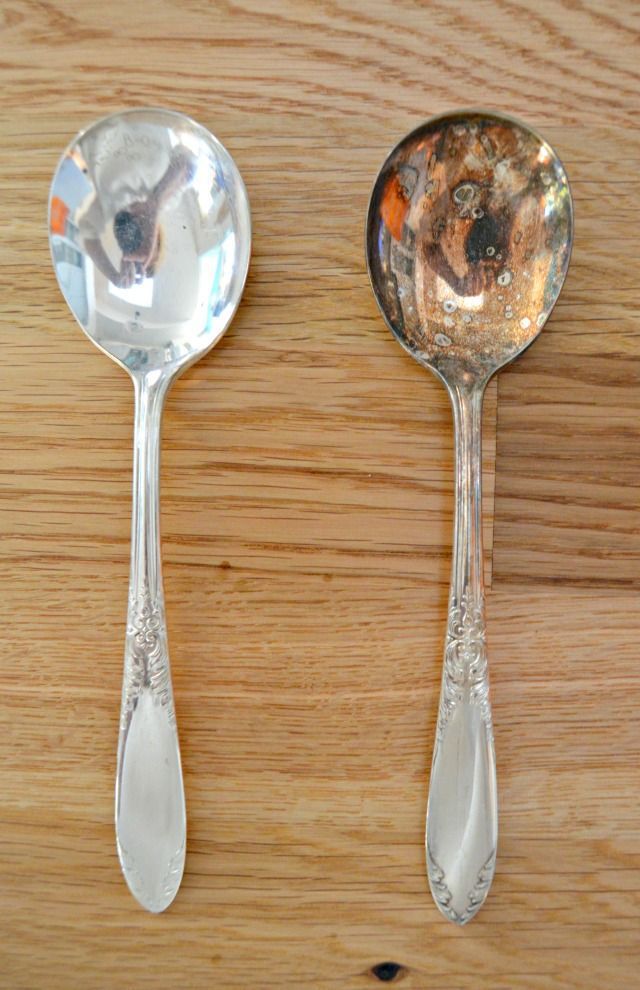
In the world of finance, where every detail can influence valuation, recognizing the various forms of silver tarnish is not merely an aesthetic exercise; it is an essential aspect of asset management. Whether you are a numismatist assessing a rare coin, an investor safeguarding bullion, an antique dealer evaluating a sterling silver service, or an individual hoping to preserve a family heirloom, discerning the visual cues of tarnish can inform crucial decisions regarding storage, care, cleaning, and ultimately, your financial return. This deep dive will explore the nuanced visual manifestations of silver tarnish, connecting each appearance to its financial implications, and offering insights into how to protect your silver’s enduring monetary worth.
The Aesthetics of Decay: Understanding Silver Tarnish and Its Impact on Value
Silver tarnish is the natural enemy of its renowned brilliance. This chemical reaction, predominantly with sulfur compounds in the air, gradually transforms the metal’s surface. Recognizing the stages and forms of this transformation is the first step in financially prudent silver management. The visual characteristics of tarnish can range from barely perceptible hazes to dense, opaque layers, each carrying different implications for value.
From Subtle Hues to Opaque Black: The Visual Progression of Tarnish
The process of silver tarnishing is a fascinating progression of chemical reactions, primarily the formation of silver sulfide (Ag₂S) on the metal’s surface. This thin film interferes with how light reflects off the silver, leading to a spectrum of colors.
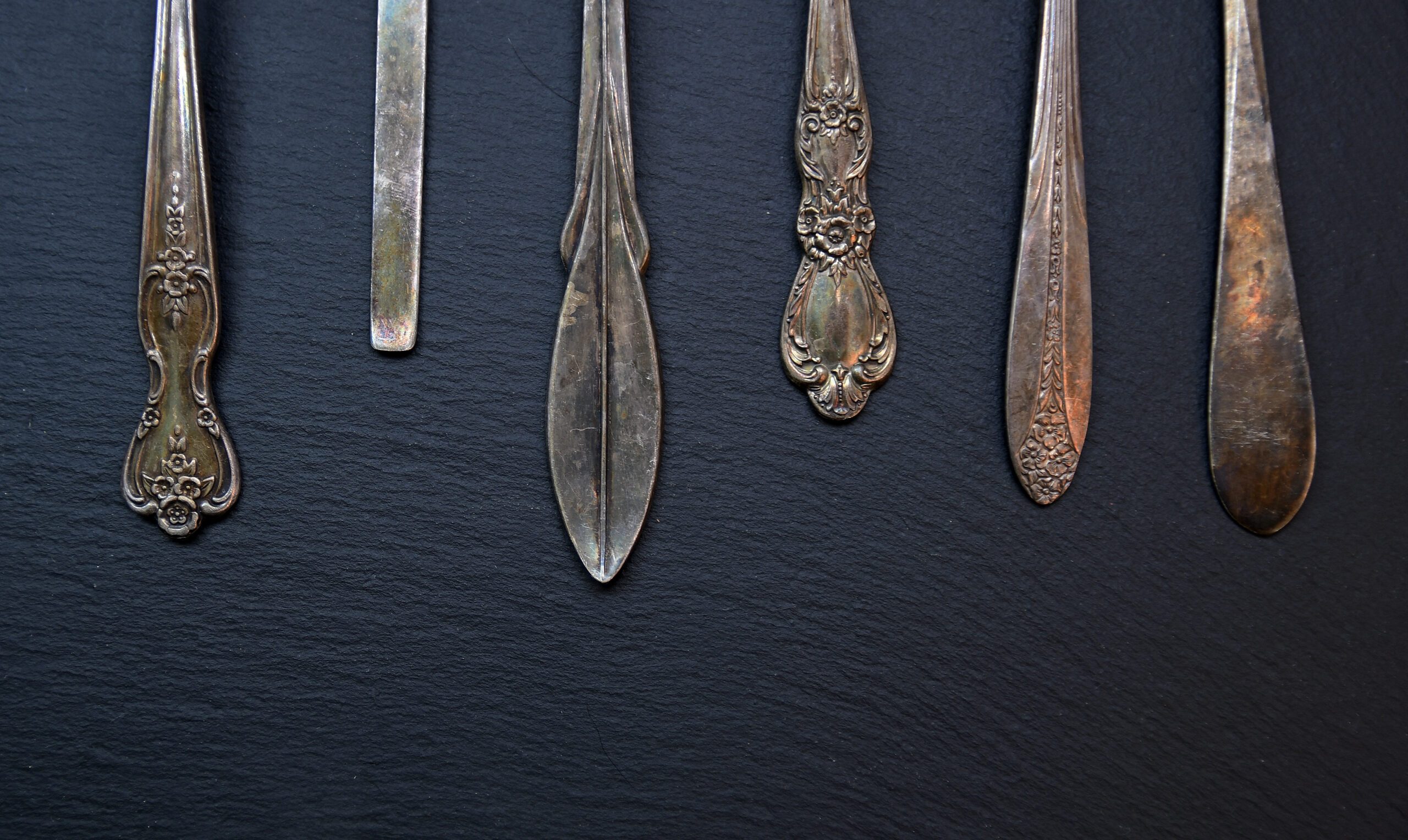
Initially, tarnish often appears as a very light, almost translucent yellow or golden hue. This nascent stage might be mistaken for a subtle patina or even part of the silver’s natural aging, but it is the precursor to more significant discoloration. As the silver sulfide layer thickens, the colors deepen and become more vibrant, moving through brown, red, and even iridescent blues, purples, and greens. These iridescent stages, sometimes referred to as “rainbow toning,” are particularly captivating and, in specific numismatic contexts, can actually enhance value.
However, if left unchecked, the tarnish continues to accumulate, eventually forming a thick, opaque layer. This advanced stage is characterized by a dull, mottled dark gray or black appearance. At this point, the original luster of the silver is completely obscured, and the surface may even appear rough or powdery. This severe discoloration typically signals significant neglect and almost universally diminishes the financial and aesthetic appeal of the silver object, regardless of its original purpose. The visual journey from a faint yellow to an irreversible black is a direct indicator of the degree of chemical degradation, and thus, often of the potential loss in value. For investors and collectors, understanding this progression is key to proactive intervention.
Tarnish vs. Patina: Differentiating Desirable Toning from Detrimental Discoloration in Silver Assets
A critical distinction for any silver owner, especially those dealing with collectibles or antiques, is the difference between tarnish and desirable “patina” or “toning.” While both result from surface oxidation or sulfidation, their impact on financial value can be diametrically opposed.
Tarnish, in its most common and detrimental form, refers to the uneven, often dark or disfiguring discoloration that detracts from a silver item’s original beauty and market appeal. This is typically the dark gray or black coating that obscures details and makes an item look neglected. For most silver items—jewelry, flatware, industrial silver, and even bullion—this type of tarnish directly correlates with a reduction in market value. Buyers often perceive tarnished items as requiring significant cleaning effort, potentially concealing damage, or simply being aesthetically unappealing, leading to lower offers or reduced liquidity.
Patina, on the other hand, particularly in the context of antique silver or certain collectible coins, refers to a natural, even, and often attractive oxidation or toning that develops over many years or even centuries. A uniform, often dark gray or black patina in the recessed areas of an intricately carved silver piece can highlight its details, adding depth and a sense of age and authenticity. Cleaning such a patina can drastically reduce the item’s historical value and market desirability. Similarly, in numismatics, toning refers to specific, often vibrant and aesthetically pleasing tarnish patterns that develop naturally on coins over long periods. “Rainbow toning” or even deep, uniform blues and purples on a high-grade coin, especially vintage ones, can command significant premiums. This desirable toning provides evidence of originality and proper storage, and its absence might even be viewed with suspicion by seasoned collectors.
The challenge lies in discerning between these two. A patchy, mottled black film is almost always undesirable tarnish. However, a uniform, deep coloration that accentuates the design of a coin or antique can be a valuable patina or toning. Misidentifying and improperly cleaning a piece with desirable toning can permanently destroy its enhanced market value, turning a valuable asset into a much less valuable “cleaned” piece. This distinction requires an educated eye and, often, expert consultation, underscoring the financial stakes involved in understanding silver’s surface appearance.
Preserving Your Silver’s Monetary Worth: Tarnish as an Investment Challenge
For those who view silver as a tangible asset—be it a strategic investment, a cherished collectible, or an heirloom—tarnish represents a constant threat to its financial integrity. Its presence can erode market premiums, diminish aesthetic appeal, and complicate resale, making vigilance against discoloration an integral part of wealth preservation.
Bullion and Investment Coins: How Tarnish Erodes Premiums and Numismatic Value
In the realm of investment-grade silver, which primarily includes bullion bars, rounds, and generic silver coins (e.g., American Silver Eagles, Canadian Maple Leafs), tarnish almost universally detracts from value. The primary appeal of bullion is its purity and intrinsic metal content, often valued close to the spot price of silver. However, investors frequently pay a “premium” above spot for the convenience, recognition, and sometimes, the aesthetic appeal of a pristine bullion product. Tarnish, even light yellowing, can significantly reduce or eliminate this premium. A tarnished silver bar might still fetch its melt value, but its desirability to a reseller or subsequent investor will be lower, directly impacting its liquidity and the profit margin upon sale.
For numismatic coins—those valued for their rarity, historical significance, condition, and collectibility rather than just their metal content—the impact of tarnish is even more severe. “Uncirculated” or “Proof” coins are expected to maintain their original mint state luster. Any form of tarnish, particularly unsightly black or gray spots, can drastically lower the coin’s grade and, consequently, its numismatic value. A coin that might be worth hundreds or thousands of dollars in its original, untarnished state could see its value plummet by 50% or more if tarnished, regardless of its rarity. Collectors pay a premium for visual perfection, and tarnish is a direct affront to that standard. Even natural toning, if it is uneven or unattractive, can be detrimental to a coin’s numismatic grade and appeal, making proper storage and a clear understanding of tarnish prevention paramount for safeguarding these investments.
Heirloom Silver and Collectibles: The Decline in Marketability and Resale Price
Beyond pure investment vehicles, a vast array of silver objects holds significant financial and sentimental value: antique silverware sets, intricate jewelry, decorative objects, and religious artifacts. For these items, tarnish can be a complex issue, but generally, heavy or unattractive tarnish significantly reduces marketability and resale price.
An antique sterling silver tea set, renowned for its craftsmanship and historical context, will command a higher price if it presents beautifully, free from heavy, patchy tarnish. While some collectors appreciate a light, even patina that speaks to age, severe black tarnish obscures the details, makes the item appear neglected, and suggests a lack of care from previous owners. Potential buyers are often deterred by the prospect of extensive cleaning, which can be laborious and, if done improperly, damaging. This reluctance translates directly into lower offers or a longer time on the market.
Similarly, silver jewelry—whether vintage pieces or contemporary designs—loses much of its allure when tarnished. The brilliance and reflective quality that define silver jewelry are diminished by a dull, dark film. While a jeweler might be able to clean it, the initial impression of a tarnished piece is overwhelmingly negative, affecting its perceived quality and value. For heirs attempting to sell inherited silver or collectors looking to divest, presenting items free from detrimental tarnish is crucial for achieving optimal market prices. The effort to prevent tarnish directly contributes to maintaining the asset’s aesthetic appeal and, consequently, its financial viability.
The Enigmatic Appeal of Toning: When Tarnish Adds Value to Rare Coins
In a peculiar twist of the financial implications of tarnish, there is a specific context where its presence can actually enhance value: the phenomenon of desirable “toning” in numismatics. While often a form of tarnish (silver sulfide), toning is celebrated when it is natural, stable, and aesthetically pleasing, particularly on vintage and rare coins.
“Original toned” coins are highly sought after by collectors. This occurs when coins have been stored in specific environments for decades, leading to a slow, even, and often vibrant development of tarnish that manifests in iridescent “rainbow” hues (blues, purples, golds, reds). This type of toning is often seen on silver dollars from the late 19th and early 20th centuries. What makes it desirable is its natural origin, uniform spread, and captivating visual appeal. It serves as an indicator that the coin has not been improperly cleaned or altered, signaling authenticity and originality to discerning buyers.
The premium for beautifully toned coins can be substantial, often exceeding the value of an otherwise identical untoned coin. However, the line between desirable toning and undesirable tarnish is subjective and often debated among experts. Artificial toning, created through chemical acceleration, is universally condemned and reduces a coin’s value. Similarly, patchy, splotchy, or excessively dark toning that obscures the coin’s details is typically considered detrimental tarnish. Understanding this nuanced aspect requires considerable expertise and is a testament to how complex the financial relationship with silver’s surface appearance can be. For the average investor, the safest bet is generally to prevent tarnish; for the seasoned numismatist, recognizing valuable toning is a high-stakes art.

Strategic Prevention and Management: Safeguarding Your Silver Assets from Tarnish
Given the significant financial implications of tarnish, proactive prevention and careful management are not optional luxuries but essential strategies for any silver owner. Protecting your assets requires understanding the conditions that foster tarnish and implementing measures to mitigate them.
Optimal Storage Solutions to Mitigate Tarnish Formation
Effective storage is the frontline defense against tarnish. The goal is to minimize silver’s exposure to airborne sulfur compounds (found in rubber, certain paints, wood, wool, and even polluted air) and to control humidity.
Airtight containers and bags: For smaller items like coins, jewelry, or small bullion pieces, individual airtight capsules (made of inert plastics like Mylar or polystyrene) or zip-top bags (specifically designed for archival use, free of PVC) are highly effective. For larger items, sealed display cases or cabinets can provide a controlled environment.
Anti-tarnish materials: Many specialized products exist. Anti-tarnish strips or cloths, impregnated with substances that absorb sulfur gasses, can be placed within storage containers or wrapped around items. Certain velvet or flannel pouches are also treated with anti-tarnish agents.
Humidity control: High humidity accelerates tarnish. Storing silver in a stable, relatively dry environment is crucial. Desiccant packs (like silica gel) can be placed in vaults, safes, or display cases to absorb moisture. Avoid storing silver in basements or attics where humidity and temperature fluctuations are common.
Avoid reactive materials: Never store silver directly in contact with rubber bands, newspaper, certain types of cardboard, wool, felt, or unsealed wood (especially oak). These materials can emit sulfur compounds or acidic gasses that rapidly accelerate tarnishing. Opt for acid-free tissue paper or inert foam inserts.
Handling Silver with Care: Minimizing Contaminant Exposure
The way silver is handled can significantly influence tarnish formation and overall condition. Skin oils, cosmetics, and lotions contain salts and acids that can leave fingerprints or residues, which act as catalysts for tarnish or create uneven discoloration.
Wear gloves: When handling valuable silver items, especially coins or highly polished surfaces, always wear clean, lint-free cotton gloves. This prevents the transfer of oils, acids, and dirt from your hands.
Minimize direct contact: Beyond gloves, handle silver as little as possible. When necessary, hold items by their edges, rims, or less visible areas to avoid marring prominent surfaces.
Cleanliness of display surfaces: Ensure that any surfaces where silver items are placed, even temporarily, are clean and free of dust, chemicals, or food residues.
These simple handling practices can dramatically reduce the rate of tarnish and protect the integrity of your silver’s surface, preserving its aesthetic and financial appeal.
The Cleaning Conundrum: When to Act and When to Refrain for Value Preservation
One of the most fraught decisions for a silver owner is whether and how to clean tarnished items. While unsightly tarnish can depress value, improper cleaning can be even more detrimental, often permanently destroying an item’s monetary worth.
Cleaning Investment Bullion and Jewelry (Generally Acceptable): For generic silver bullion that has tarnished, or for contemporary silver jewelry, cleaning is generally acceptable and often desirable to restore its luster and marketability. Buyers of these items expect them to be shiny. Mild silver dips or polishing cloths can be used, but always follow manufacturer instructions and avoid abrasive materials that can scratch the surface. For intricate jewelry, professional cleaning is often recommended. The key is to restore brilliance without causing physical damage.
Cleaning Numismatic Coins and Antiques (Generally NOT Recommended): This is where caution is paramount. With very few exceptions, cleaning a collectible coin will severely reduce its numismatic value, often by 50% or more, regardless of how gently it’s done. Collectors value originality, and any evidence of cleaning (hairlines, altered luster, chemical residue) is considered damage. The only acceptable “cleaning” for numismatic coins is typically a gentle rinse with distilled water to remove loose debris, or an “uncirculated dip” performed by an expert for specific, approved situations. Similarly, for antique silver with a desirable patina, aggressive cleaning can strip away this valuable layer, reducing its historical integrity and market value. If a valuable antique piece is heavily tarnished, professional conservation by an expert who understands historical preservation techniques is the only viable option, and even then, it’s approached with extreme care.
The decision to clean should always be weighed against the potential loss of value. When in doubt, especially for high-value or collectible silver, consult a reputable expert (numismatist, antique dealer, or conservator) before attempting any cleaning. The financial stakes are often too high for a DIY approach.
The Economic Fallout: Quantifying Tarnish’s Effect on Silver’s Financial Standing
The visual aspect of silver tarnish translates directly into measurable economic consequences. From affecting professional appraisals to influencing buyer behavior and complicating estate planning, tarnish is a tangible factor in the financial assessment of silver assets.
Valuation Adjustments: How Appraisers and Buyers Factor in Tarnish
For professional appraisers, tarnish is a significant consideration that can lead to substantial adjustments in an item’s valuation. When assessing antique silver, jewelry, or especially collectible coins, the appraiser will meticulously examine the surface condition. Unattractive tarnish indicates a lack of care, potential hidden damage, or simply a diminished aesthetic, all of which negatively impact the assigned value. An appraiser might reduce the valuation for an otherwise fine antique silver tray by a percentage if it’s heavily tarnished, accounting for the labor and risk involved in restoration or the reduced market appeal. For numismatic items, the presence of tarnish can dramatically lower the grade, directly impacting the numerical value assigned, which in turn determines its market price.
Buyers, whether private collectors, dealers, or investors, are highly sensitive to tarnish. A heavily tarnished piece often commands a lower price because the buyer either must invest time and money into cleaning or simply finds it less appealing. In a competitive market, untarnished or well-patinated items will always be preferred, leading to quicker sales at higher prices. Tarnished items may languish on the market or only sell at a significant discount, effectively translating tarnish into a direct financial penalty for the seller.
Liquidity and Market Accessibility for Tarnished Silver Assets
Liquidity, or the ease with which an asset can be converted into cash without affecting its price, is a key financial metric. Tarnished silver assets often suffer from reduced liquidity. While a pristine silver bullion coin can be sold quickly at near-spot prices to a wide range of dealers or investors, a heavily tarnished one may face resistance. Buyers might offer only melt value, or even less, citing the need for cleaning or the reduced marketability. This means the seller has fewer options and less bargaining power, taking longer to liquidate the asset and potentially receiving a lower return.
For collectible silver, the issue of liquidity is even more pronounced. A beautifully toned or untarnished rare coin will attract top-tier collectors and dealers globally, ensuring a robust market. A tarnished version of the same coin might only appeal to a smaller niche of buyers willing to undertake restoration (which, as discussed, usually further degrades value) or those seeking a heavily discounted “filler” piece. This dramatically shrinks the pool of potential buyers and forces the seller to accept a lower price or wait longer for a sale. In essence, tarnish acts as a barrier to market accessibility, reducing the ease and profitability of selling silver assets.
Insuring and Inheriting Silver: Tarnish Considerations for Estate Planning and Protection
Tarnish also plays a role in the broader financial strategies surrounding silver, particularly in insurance and estate planning. When insuring valuable silver items, condition reports are often required, and tarnish can impact the agreed-upon value. An insurance policy might cover the replacement cost of an item, but if that item was already heavily tarnished prior to a loss, the insurer may argue for a lower payout based on its pre-existing condition. Maintaining silver in good, untarnished (or appropriately patinated) condition ensures that its full value is recognized for insurance purposes, protecting against unexpected losses.
In the context of inheritance and estate planning, the condition of silver assets can complicate valuations and distributions. Heirs might be unsure of the true value of tarnished silver heirlooms, leading to disputes or undervaluation. Professional appraisals are crucial here, and these appraisals will heavily factor in the presence and nature of tarnish. Educating beneficiaries about proper silver care and the implications of tarnish can prevent inadvertent damage or financial loss down the line. For estates with significant silver holdings, proactive tarnish management ensures that the full monetary legacy is preserved and accurately assessed for probate, taxation, and equitable distribution among heirs.
Mastering Tarnish to Maximize Your Silver’s Enduring Value
The question “what does silver tarnish look like” transcends simple visual curiosity; it delves into the core of how we assess and preserve the financial value of a precious metal. From the subtle golden haze of nascent oxidation to the opaque black shroud of severe neglect, each stage of tarnish carries distinct implications for an item’s marketability, appraisal, and long-term investment potential. While some rare forms of natural toning can paradoxically enhance numismatic value, the overwhelming reality is that tarnish, particularly unsightly discoloration, is a detrimental force for most silver assets.
Understanding the visual spectrum of tarnish, differentiating it from desirable patina, and implementing robust prevention strategies are not mere acts of tidiness; they are fundamental practices of financial stewardship. Strategic storage, careful handling, and a judicious approach to cleaning—often involving professional consultation for high-value items—are critical investments in preserving your silver’s enduring worth. By mastering the nuances of tarnish, collectors, investors, and inheritors alike can safeguard their silver assets, ensuring they continue to shine, both aesthetically and financially, for generations to come.
aViewFromTheCave is a participant in the Amazon Services LLC Associates Program, an affiliate advertising program designed to provide a means for sites to earn advertising fees by advertising and linking to Amazon.com. Amazon, the Amazon logo, AmazonSupply, and the AmazonSupply logo are trademarks of Amazon.com, Inc. or its affiliates. As an Amazon Associate we earn affiliate commissions from qualifying purchases.