
In the intricate and often jargon-filled world of finance, acronyms are ubiquitous. Among them, “SIE” stands as a significant milestone for anyone aspiring to build a career in the securities industry. Far from being a mere technical abbreviation, SIE represents the Securities Industry Essentials Exam, a foundational qualification introduced by the Financial Industry Regulatory Authority (FINRA) to streamline and enhance the entry pathway into various financial roles. This exam is not just a test; it’s a critical stepping stone, an initial hurdle designed to ensure that prospective professionals possess a fundamental understanding of the financial markets, regulatory frameworks, and ethical practices that underpin the industry.

The SIE exam was a pivotal shift in how financial professionals are licensed. Prior to its inception in October 2018, individuals typically had to be sponsored by a FINRA member firm to take many of the specialized qualification exams (like the Series 7 or Series 6). The SIE exam changed this dynamic by making it accessible to anyone aged 18 or older, regardless of firm affiliation or sponsorship. This democratized the entry point, allowing students, career changers, and aspiring professionals to demonstrate their foundational knowledge before even securing a job in the industry. For employers, it serves as a pre-qualification, signaling a candidate’s genuine interest and basic competency. For individuals, it offers a tangible credential that can enhance their resume and demonstrate their commitment to a career in finance, providing a significant competitive edge in a crowded job market.
Understanding what the SIE stands for, both literally and in terms of its strategic importance, is the first step toward navigating the complex landscape of financial qualifications. It’s a testament to the industry’s commitment to ensuring that all participants, from new entrants to seasoned veterans, operate with a shared baseline of knowledge and ethical responsibility, safeguarding investors and maintaining market integrity.
Unpacking the Securities Industry Essentials (SIE) Exam
The Securities Industry Essentials (SIE) Exam is a relatively recent but profoundly impactful addition to the suite of qualification exams administered by FINRA. Its creation was a direct response to the need for a more accessible and comprehensive entry-level assessment for the securities industry. Unlike its predecessor qualifications, the SIE focuses on broad foundational knowledge rather than product-specific or role-specific details, making it a universal stepping stone for a multitude of financial careers.
A Gateway to Financial Careers
The SIE exam acts as a universal gateway, designed to provide candidates with a foundational understanding of the securities industry without requiring them to be associated with a FINRA member firm. This means college students, individuals contemplating a career change, or anyone interested in the financial markets can take and pass the SIE exam even before securing employment. This pre-qualification capability is revolutionary, as it allows individuals to demonstrate initiative and a baseline comprehension of financial concepts, significantly boosting their attractiveness to potential employers.
The exam covers a wide array of topics crucial for any financial professional, from basic economic principles and investment products to regulatory agencies and prohibited practices. By passing the SIE, candidates demonstrate a readiness to delve deeper into specialized areas, proving they have absorbed the core vocabulary and concepts necessary to understand more complex financial instruments and regulations. It signals to recruiters and hiring managers that a candidate is serious about a career in finance and has already invested time and effort into understanding the industry’s bedrock principles. This proactive step can dramatically shorten the onboarding process for new hires, as firms can then focus on training for specific licenses and job responsibilities rather than fundamental industry knowledge.
Who Needs to Take the SIE?
The beauty of the SIE exam lies in its broad applicability. While not every role in the financial services sector explicitly requires the SIE, it is quickly becoming a de facto standard for anyone looking to enter or advance within the securities industry. Primarily, individuals who intend to register with FINRA as a representative of a broker-dealer or investment bank will need to pass the SIE. This includes those pursuing roles such as:
-
Financial Advisors/Planners: Professionals who provide financial guidance to individuals and families.
-
Investment Bankers: Individuals involved in raising capital for companies or advising on mergers and acquisitions.
-
Stockbrokers/Registered Representatives: Those who buy and sell securities on behalf of clients.
-
Research Analysts: Professionals who analyze securities and make recommendations.
-
Traders: Individuals involved in buying and selling securities for their firm or clients.
-
Compliance Officers: Those who ensure firms adhere to regulatory standards.
Beyond these client-facing or advisory roles, many support positions within financial firms also benefit from SIE certification. Even if a specific job description doesn’t explicitly mandate it, possessing the SIE demonstrates a commitment to industry standards and a solid grasp of the environment in which the firm operates. This can be a significant differentiator in a competitive job market, showing employers that a candidate is proactive, dedicated, and ready to contribute effectively from day one.
The Exam’s Purpose and Scope
The primary purpose of the SIE exam is to establish a common, baseline level of knowledge for all participants in the securities industry. It ensures that individuals entering the field, regardless of their specific role or future specialized licenses, possess a foundational understanding of key concepts, ethical responsibilities, and regulatory requirements. This promotes greater investor protection and market integrity by ensuring that all registered professionals operate from a shared base of knowledge.
The scope of the SIE exam is intentionally broad, covering four main content areas:
-
Knowledge of Capital Markets: This section introduces the various types of markets (primary, secondary), their functions, and the participants within them. It covers economic indicators, monetary and fiscal policy, and different investment products like equities, bonds, mutual funds, and options.
-
Understanding Products and Their Risks: This delves deeper into the characteristics and risks associated with various investment vehicles. Candidates learn about common stock, preferred stock, bonds (corporate, municipal, government), packaged products (mutual funds, ETFs, UITs, REITs), options, and alternative investments. Understanding the inherent risks of these products is crucial for investor protection.
-
Understanding Trading, Customer Accounts, and Prohibited Activities: This segment covers how securities are traded, the different types of customer accounts (cash, margin, retirement), settlement procedures, and, importantly, the unethical and illegal practices that are prohibited in the securities industry, such as insider trading, market manipulation, and front-running.
-
Overview of the Regulatory Framework: This section is vital, as it outlines the regulatory bodies (FINRA, SEC, MSRB), their roles, and the rules and regulations governing broker-dealers and registered representatives. It emphasizes the importance of ethical conduct and compliance in maintaining market fairness and investor trust.
By encompassing these fundamental areas, the SIE exam creates a standardized entry point, ensuring that anyone entering the securities industry has a baseline understanding of its operations, products, risks, and regulatory landscape.
The Structure and Content of the SIE Exam
The SIE exam is designed to be a comprehensive yet accessible assessment of foundational knowledge. Its structure and content are carefully calibrated to ensure candidates are tested on essential concepts without delving into the highly specialized details reserved for subsequent qualification exams. Understanding this framework is key to effective preparation.
Key Topics Covered
The SIE exam is divided into four main sections, each contributing a specific percentage to the total score. These sections are strategically designed to cover the breadth of knowledge required for an entry-level professional:
-
Knowledge of Capital Markets (12 questions / ~16%): This introductory section lays the groundwork by covering the structure and function of capital markets. It examines topics like economic basics, the impact of interest rates, different market participants (broker-dealers, investment advisers, exchanges), and an overview of various investment products.
-
Understanding Products and Their Risks (33 questions / ~44%): As the largest section, this delves into the specific characteristics and associated risks of a wide array of investment vehicles. This includes stocks (common and preferred), bonds (corporate, municipal, government, agency), mutual funds, exchange-traded funds (ETFs), options, and more complex structured products. Candidates must understand how these products function and the specific risks they carry, such as market risk, interest rate risk, credit risk, and liquidity risk.
-
Understanding Trading, Customer Accounts, and Prohibited Activities (23 questions / ~30%): This section focuses on the practical aspects of the securities business. It covers the mechanics of trading, including order types, settlement procedures, and margin accounts. Crucially, it also details the ethical responsibilities of registered representatives, addressing prohibited practices such as insider trading, market manipulation, churning, and various forms of fraud. This emphasizes the importance of integrity and compliance.
-
Overview of the Regulatory Framework (7 questions / ~10%): While the smallest section in terms of question count, this area is critically important. It introduces the primary regulatory bodies like FINRA, the Securities and Exchange Commission (SEC), and the Municipal Securities Rulemaking Board (MSRB), outlining their respective roles and jurisdictions. It also covers the core rules and regulations that govern the conduct of broker-dealers and their associated persons, reinforcing the legal and ethical boundaries within which the industry operates.
Mastering these topics provides a robust foundation for any individual pursuing a career in finance.
Exam Format and Scoring
The SIE exam consists of 75 multiple-choice questions, of which 60 are scored questions and 15 are unscored “pretest” questions. These pretest questions are indistinguishable from scored questions and are used by FINRA to test new questions for future exams. Candidates are given 1 hour and 45 minutes (105 minutes) to complete the exam. This time frame generally allows ample time for candidates to read questions carefully, analyze options, and review their answers.
The exam is administered at Prometric testing centers across the country, providing a standardized and secure testing environment. The passing score for the SIE exam is 70%. This means a candidate must correctly answer at least 42 of the 60 scored questions to pass. Scores are reported immediately upon completion of the exam, providing instant feedback on performance.
Passing Scores and Re-taking Policies
As mentioned, a score of 70% or higher is required to pass the SIE exam. There is no limit to the number of times a candidate can take the SIE exam if they do not pass on their first attempt. However, FINRA implements a waiting period between attempts to ensure candidates have sufficient time to study and improve their understanding:
-
First failed attempt: A 30-day waiting period before the next attempt.
-
Second failed attempt: Another 30-day waiting period.
-
Third failed attempt (and subsequent failures): A 180-day (6-month) waiting period.
These waiting periods are designed to encourage thorough preparation and discourage repetitive, unprepared attempts. The SIE exam results are valid for four years. This means that once you pass the SIE, you have four years to associate with a FINRA member firm and pass a “top-off” specialized qualification exam (e.g., Series 7, Series 6, Series 79) to become fully registered. If you do not pass a top-off exam and register with a firm within this four-year window, your SIE credential will expire, and you would need to retake the SIE exam if you wish to pursue registration later.
Preparing for Success: Strategies and Resources
Passing the SIE exam requires diligent preparation and a strategic approach. While the exam covers foundational knowledge, the breadth of topics demands a structured study plan and effective use of available resources.
Crafting Your Study Plan
A well-organized study plan is the cornerstone of success for the SIE exam. Given the volume of material, cramming is highly ineffective. Instead, a systematic approach should be adopted:
-
Assess Your Baseline: Start with a diagnostic test to identify your strengths and weaknesses across the four content areas. This will help you allocate study time more efficiently.
-
Set a Realistic Schedule: Dedicate specific, consistent blocks of time each day or week to study. For most candidates, 70-100 hours of focused study over 3-6 weeks is recommended, though this can vary based on prior knowledge and learning pace.
-
Break Down the Material: Tackle one section or chapter at a time. Ensure you fully understand a concept before moving on. The “Understanding Products and Their Risks” section often requires the most attention due to its weight and complexity.
-
Active Learning: Don’t just read. Engage with the material by taking notes, creating flashcards for key terms and acronyms, drawing diagrams, and explaining concepts in your own words. Teaching a concept to someone else (or even just to yourself out loud) can significantly boost retention.
-
Review Regularly: Incorporate frequent review sessions into your schedule. This helps reinforce previously learned material and prevents forgetting. Spaced repetition is a powerful learning technique.
-
Simulate Exam Conditions: In the final week or two before the exam, take several full-length practice exams under timed conditions. This helps build stamina, manage time effectively, and reduce test-day anxiety.
-
Identify Weaknesses and Refine: After each practice exam, thoroughly review your incorrect answers. Understand why you got them wrong and revisit those specific topics in your study materials.

Consistency and discipline are paramount. Sticking to your study plan, even when motivation wanes, will be the biggest determinant of your success.
Recommended Study Materials and Courses
A wealth of study materials and courses are available to help candidates prepare for the SIE exam. Choosing the right resources can significantly impact your learning experience:
-
Official FINRA Materials: While FINRA provides an outline of topics, it does not offer proprietary study guides. However, their website is an excellent source for understanding the exam’s structure and rules.
-
Textbooks/Study Manuals: Reputable financial education providers like Kaplan, Securities Training Corporation (STC), ExamFX, and Solomon Exam Prep offer comprehensive study manuals specifically designed for the SIE. These typically break down complex topics into digestible chapters, often with practice questions.
-
Online Courses and Video Lectures: Many providers offer online learning platforms with video lectures, interactive quizzes, and personalized progress tracking. These can be particularly beneficial for visual learners or those who prefer structured guidance.
-
Practice Question Banks: Investing in a robust question bank is crucial. Repeatedly answering practice questions helps solidify understanding, familiarizes you with the exam’s question style, and reveals areas where further study is needed. Look for banks that provide detailed explanations for both correct and incorrect answers.
-
Flashcards and Mobile Apps: For on-the-go studying, flashcards (physical or digital) and mobile apps can be invaluable for memorizing definitions, acronyms, and key facts.
-
Live Online or In-Person Classes: For those who thrive in a classroom setting, some providers offer instructor-led courses that provide structured learning and opportunities for direct interaction and Q&A.
It’s often beneficial to use a combination of resources – a primary study manual, a comprehensive question bank, and perhaps supplementary video lectures – to cater to different learning styles and reinforce concepts.
Practice Exams and Time Management
Practice exams are more than just a way to test your knowledge; they are a critical component of exam preparation:
-
Familiarization: They familiarize you with the format, question types, and the overall rhythm of the actual exam.
-
Time Management: The SIE exam is 105 minutes for 75 questions. This averages to about 1 minute and 24 seconds per question. Taking timed practice exams helps you develop a pace that ensures you complete all questions within the allocated time without feeling rushed. Practice identifying questions where you might spend too much time and learn to make educated guesses or flag them for later review.
-
Identifying Gaps: Consistent performance on practice exams can pinpoint specific content areas where your understanding is weak. Use these results to guide your final review.
-
Building Stamina and Reducing Anxiety: Sitting for almost two hours, focusing intensely, can be mentally fatiguing. Practice exams help build the mental stamina required for test day and reduce anxiety by demystifying the exam experience.
Aim to score consistently above the 70% passing threshold on your practice exams before sitting for the actual SIE. A comfortable buffer (e.g., consistently scoring 75-80% or higher) is often a good indicator of readiness, as test-day nerves can sometimes affect performance. Remember to review all answers, not just the ones you got wrong, to deepen your understanding of the underlying concepts.
The SIE in Context: Beyond the Exam Room
While passing the SIE exam is a significant achievement, it’s crucial to understand its place within the broader framework of financial qualifications and career progression. The SIE is foundational, but rarely sufficient on its own for full registration in most roles.
Complementary FINRA Qualifications (e.g., Series 7, Series 6)
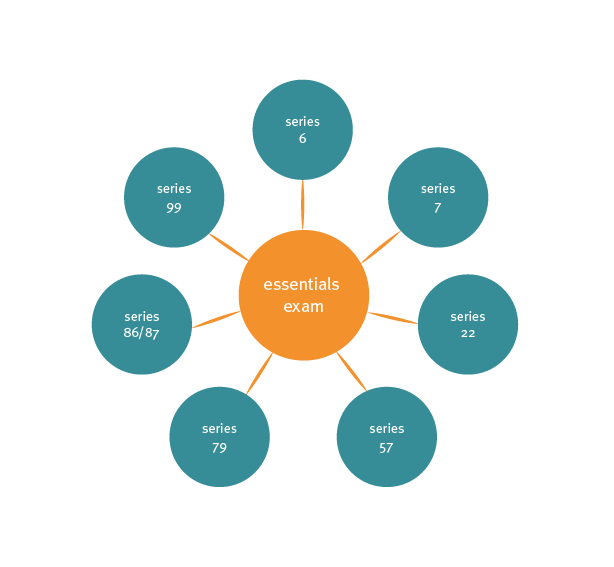
The SIE exam is often referred to as a “co-requisite” for other specialized FINRA qualification exams, commonly known as “top-off” exams. To become fully registered as a representative in a specific role, an individual must pass both the SIE exam and a relevant top-off exam. Some of the most common top-off exams include:
-
Series 7 (General Securities Representative Qualification Examination): This is one of the most comprehensive top-off exams, qualifying individuals to solicit, purchase, or sell all types of securities products, including corporate stocks and bonds, municipal bonds, options, investment company products, and variable annuities. It’s often required for roles like stockbrokers and financial advisors.
-
Series 6 (Investment Company and Variable Contracts Products Representative Qualification Examination): This exam qualifies individuals to sell packaged investment products such as mutual funds, variable annuities, and unit investment trusts (UITs). It’s a more limited license than the Series 7.
-
Series 79 (Investment Banking Representative Qualification Examination): Designed for investment banking professionals, this exam focuses on corporate finance, mergers and acquisitions, and underwriting activities.
-
Series 63 (Uniform Securities Agent State Law Examination): While not a FINRA exam, the Series 63 (administered by NASAA) is a state-level exam that many registered representatives must pass in addition to their FINRA exams, allowing them to solicit securities business in specific states.
-
Series 65 (Uniform Investment Adviser Law Examination) / Series 66 (Uniform Combined State Law Examination): These are also state-level exams for investment adviser representatives, allowing them to provide investment advice. The Series 66 combines elements of the Series 63 and Series 65.
The SIE acts as the common denominator, covering the universal industry knowledge, while the top-off exams delve into the specific products and regulations pertinent to a particular job function. This two-tiered structure ensures both breadth and depth of knowledge for registered professionals.
Career Opportunities Unlocked by the SIE
While the SIE alone doesn’t grant registration, passing it significantly broadens career opportunities within the financial services sector. It acts as a clear signal to prospective employers that a candidate is serious about a finance career and possesses a strong foundational understanding. This can be particularly advantageous for:
-
Entry-Level Roles: Many firms prefer or even require the SIE for roles in sales, trading, operations, and compliance departments, even if those roles don’t immediately require a full top-off license.
-
Internships: For students, passing the SIE before an internship demonstrates exceptional initiative and can lead to more substantive learning experiences and potentially a full-time offer.
-
Career Changers: Individuals transitioning into finance from other industries can use the SIE to bridge knowledge gaps and demonstrate their commitment to their new path.
-
Accelerated Onboarding: For firms, hiring SIE-passed candidates means they can fast-track their licensing process, focusing training on specific job functions and the specialized top-off exam rather than fundamental industry knowledge.
The SIE acts as a powerful resume enhancer, opening doors to various departments within broker-dealers, investment banks, asset management firms, and other financial institutions.
The Importance of Continuing Education in Finance
The financial industry is dynamic, with constant changes in market conditions, regulatory frameworks, and product innovations. Therefore, passing the SIE and subsequent top-off exams is just the beginning of a lifelong learning journey. FINRA and other regulatory bodies mandate continuing education (CE) requirements for all registered representatives. This typically involves:
-
Regulatory Element: A computer-based training program that registered individuals must complete periodically (e.g., every three years) within 120 days of their registration anniversary. This element focuses on relevant regulatory changes, compliance, and ethical standards.
-
Firm Element: Member firms are required to deliver an annual training program to their covered registered persons based on a needs analysis. This training addresses product knowledge, sales practices, and new regulations pertinent to the firm’s business lines.
Beyond these mandated requirements, successful financial professionals continuously engage in self-directed learning. This includes reading industry publications, attending webinars and conferences, pursuing advanced certifications (e.g., CFA, CFP), and staying abreast of economic trends. The initial foundational knowledge gained from the SIE serves as the platform upon which this continuous learning is built, ensuring professionals remain competent, ethical, and effective throughout their careers.
Navigating Your Financial Career Path with the SIE
The Securities Industry Essentials (SIE) exam is more than just a test; it’s a strategic asset in building a successful career in the financial services sector. It represents a commitment to professionalism and a foundational understanding that can significantly impact your entry and advancement within this competitive industry.
Entry-Level Roles and Advancement
For many, the SIE serves as the first formal step into the financial world. Entry-level roles within investment banks, broker-dealers, and asset management firms often benefit immensely from candidates having already passed the SIE. Positions such as:
-
Sales and Client Service Associates: Assisting senior advisors, processing client requests, and potentially moving into licensed sales roles.
-
Operations Analysts: Supporting the back-office functions, trade processing, and settlement, where a basic understanding of market mechanics is crucial.
-
Compliance Support: Helping ensure adherence to regulatory rules, a role where the SIE’s regulatory framework section is highly relevant.
-
Junior Underwriters/Analysts: Supporting more senior professionals in investment banking or research, where fundamental knowledge of products and markets is a strong advantage.
Passing the SIE signals to employers that you possess the necessary baseline knowledge and are serious about a career in the industry. This can accelerate your progression from an administrative or support role to a fully licensed and client-facing position once you acquire the appropriate “top-off” exams (e.g., Series 7, Series 6). The SIE demonstrates initiative, allowing you to focus on learning firm-specific processes and advanced concepts more quickly.
Employer Expectations and the SIE Advantage
In today’s competitive job market, employers in the financial services industry are increasingly looking for candidates who can demonstrate readiness and commitment. The SIE provides a tangible advantage:
-
Reduced Onboarding Time: Firms know that an SIE-passed candidate has already grasped fundamental concepts, allowing them to streamline initial training and focus on firm-specific procedures and advanced licensing. This translates to quicker productivity.
-
Demonstrated Initiative: Taking and passing the SIE independently, especially before securing a job, showcases strong motivation, self-discipline, and a proactive approach to career development.
-
Mitigated Risk: Employers are investing significant resources in training and sponsoring candidates for subsequent exams. The SIE acts as a pre-qualification, reducing the risk of sponsoring someone who may struggle with basic industry concepts.
-
Enhanced Candidate Pool: By requiring or strongly recommending the SIE, firms can filter for a more qualified pool of applicants, ensuring a higher standard of entry-level talent.
For job seekers, listing “SIE Passed” prominently on a resume or LinkedIn profile immediately sets them apart, indicating a foundational competence that many entry-level candidates might lack. It often moves a resume to the top of the pile for consideration.
Building a Foundation for Long-Term Success
The SIE exam is not an end in itself, but rather a vital first step in building a robust and long-lasting career in finance. It lays the groundwork for:
-
Specialized Knowledge: The foundational understanding gained from the SIE makes it easier to absorb the more complex, product-specific, and role-specific knowledge required for advanced licenses like the Series 7 or Series 79.
-
Ethical Practice: The emphasis on regulatory frameworks and prohibited activities instills a strong ethical compass from the outset, which is paramount for maintaining trust and integrity in the financial industry.
-
Professional Credibility: Possessing the SIE, along with subsequent licenses, establishes your credibility as a knowledgeable and compliant professional.
-
Adaptability: With a solid understanding of market mechanics and regulatory principles, financial professionals are better equipped to adapt to evolving market conditions, new technologies, and changes in the regulatory landscape.
In essence, the SIE provides the essential language and framework for understanding the financial world. It prepares individuals not just for a job, but for a journey of continuous learning and growth, empowering them to make informed decisions, navigate complex scenarios, and ultimately contribute meaningfully to the financial well-being of their clients and the stability of the markets. For anyone serious about a career in finance, understanding what SIE stands for, and diligently preparing for it, is a non-negotiable step toward achieving long-term professional success.
aViewFromTheCave is a participant in the Amazon Services LLC Associates Program, an affiliate advertising program designed to provide a means for sites to earn advertising fees by advertising and linking to Amazon.com. Amazon, the Amazon logo, AmazonSupply, and the AmazonSupply logo are trademarks of Amazon.com, Inc. or its affiliates. As an Amazon Associate we earn affiliate commissions from qualifying purchases.