
In the landscape of modern marketing, the term “sexualized” has evolved from a simple descriptor of physical appeal into a complex, often polarizing, component of brand strategy. Historically, the phrase “sex sells” was a foundational pillar of advertising agencies from Madison Avenue to Milan. However, as consumer values shift and digital transparency increases, the definition of what it means to be a “sexualized brand” has undergone a radical transformation.
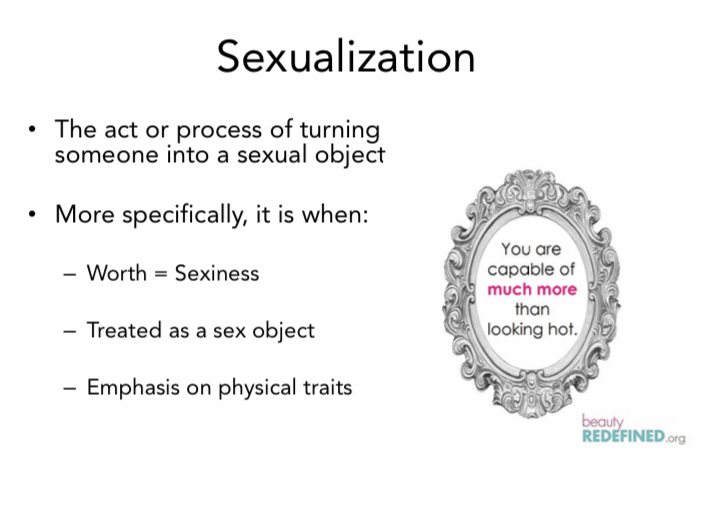
In a branding context, sexualization refers to the strategic use of sexual imagery, innuendo, or themes to elicit a specific emotional response from a target audience. It is the process of imbuing a product, service, or corporate identity with sexual connotations to enhance its perceived value, desirability, or “cool factor.” While this strategy was once used as a blunt instrument to grab attention, today’s brand managers must navigate the thin line between empowerment and exploitation, understanding that the modern consumer is more critical than ever of how brands leverage human sexuality.

Defining Sexualization in the Context of Brand Identity
To understand what sexualized means for a brand, one must first distinguish between human attraction and strategic objectification. In branding, sexualization is rarely accidental; it is a calculated choice designed to bypass logical reasoning and tap into primal consumer instincts.
From Aesthetic to Objectification
At its most basic level, sexualization in branding involves focusing on the physical attributes of a person—or even the anthropomorphized qualities of a product—to the exclusion of other characteristics. When a brand “sexualizes” its image, it often prioritizes visual allure over functional benefit. For example, a fragrance brand may focus entirely on the physical chemistry between two models rather than the notes of the scent itself.
However, the risk inherent in this approach is the slide into objectification. Objectification occurs when a person is treated as a tool for a brand’s marketing goals rather than a human being with agency. In modern brand strategy, this is increasingly viewed as a liability. Consumers today, particularly Gen Z and Millennials, are quick to identify when a brand is using “hollow sexualization” to mask a lack of substance or to distract from poor product quality.
The Psychology of “Sex Sells”
The traditional logic behind sexualized branding is rooted in evolutionary psychology. Sexual stimuli are “stopping power” mechanisms; they trigger the brain’s reward system and ensure that an advertisement stands out in a cluttered media environment. For decades, brands used this to create an aspirational identity. If you buy this watch, this car, or this beer, you will become as sexually desirable as the individuals in the advertisement.
But “sexualized” in the 21st century means something different. It is no longer just about the “male gaze”—a term referring to the visual depiction of women from a masculine, heteronormative perspective. Today’s sexualized branding must account for a diverse range of sexualities and identities. Brands that fail to modernize their approach to sexualization often find themselves labeled as “dated” or “tone-deaf,” which can lead to a rapid decline in brand equity.
The Evolution of Sexualized Marketing: A Historical Perspective
To grasp the current state of sexualized branding, we must look at how we arrived here. The use of sexual themes has moved through distinct eras, each reflecting the cultural zeitgeist of its time.
The Golden Age of Provocative Advertising
During the 1980s and 1990s, sexualization was the gold standard for luxury and lifestyle brands. Companies like Calvin Klein and Guess pioneered the use of highly provocative, often controversial, imagery to create an aura of rebellion and exclusivity. In this era, “sexualized” meant “edgy.” The more a brand could push the boundaries of public decency, the more “earned media” it received through news coverage and parental outcry. This was a era of “shock marketing,” where sexualization was used as a weapon to disrupt the status quo and capture the youth market.
The Rise of the “Male Gaze” in Corporate Identity
For much of the late 20th century, sexualized branding was heavily skewed toward the male consumer. Car commercials, liquor advertisements, and even fast-food campaigns utilized sexualized female bodies to sell products that had nothing to do with sex. This period defined sexualization as a one-way street: the brand was the pursuer, the product was the reward, and the sexualized image was the bait.
However, the digital revolution changed the power dynamic. With the advent of social media, the audience gained the ability to talk back. The “male gaze” began to be challenged by a more diverse set of voices, forcing brands to reconsider whether their sexualized strategies were attracting customers or alienating them.
The Risks of Over-Sexualization in Today’s Market
In the current professional landscape, being a “sexualized brand” is a high-risk, high-reward proposition. While it can still create a powerful identity, the margin for error is razor-thin.
Cultural Shifts and Consumer Backlash
The #MeToo movement and the broader push for gender equality have fundamentally altered the “brand-consumer” contract. When a brand utilizes sexualized imagery today, it is scrutinized through a lens of ethics and social responsibility. If the sexualization is perceived as demeaning, exclusionary, or unnecessary, the backlash can be swift and devastating.
Social media “cancel culture” means that a single sexualized campaign that misses the mark can lead to boycotts and a permanent stain on the corporate identity. For many modern brands, the definition of “sexualized” has become synonymous with “reputation risk.” Consequently, many companies are opting for a “neutral” or “inclusive” aesthetic to avoid the potential pitfalls of traditional sexualized marketing.
Brand Dilution and the Loss of Trust
There is also a strategic risk of brand dilution. When a brand relies too heavily on sexualized imagery, the product itself can become secondary. If the only thing a consumer remembers about a brand is a provocative image, the brand has failed to communicate its unique selling proposition (USP). Over time, this leads to a loss of trust. Consumers begin to view the brand as manipulative rather than authentic. In an era where “authenticity” is the most valuable currency a brand can hold, over-sexualization can be a self-inflicted wound.
Rebranding the Body: Authenticity Over Allure
As old models of sexualization fall out of favor, a new movement has emerged: the pivot toward authenticity and empowerment. This shift represents a redefinition of what it means to be an attractive brand.
The Transition to Inclusivity
Modern branding has seen a move away from the “idealized” body types that characterized 20th-century sexualization. Brands are now realizing that “sexualized” doesn’t have to mean “objectified.” It can mean celebrating the human body in all its diverse forms. By featuring models of different sizes, ages, and backgrounds, brands are reclaiming sexualized imagery as a tool for empowerment rather than a standard of perfection.
This is not just a moral choice; it is a financial one. Data consistently shows that consumers are more likely to support brands that reflect their own reality. By moving away from hyper-sexualized, unrealistic standards, brands can build deeper, more emotional connections with their target demographics.
Case Study: The Pivot of Global Retail Giants
One of the most prominent examples of this shift is Victoria’s Secret. For decades, the brand was the epitome of sexualized marketing, centered around the “Angels”—supermodels who represented a very specific, narrow definition of beauty. However, as cultural tides turned, the brand’s sales plummeted, and its “sexualized” identity began to feel outdated and out of touch.
The brand’s recent pivot—retiring the Angels in favor of the “VS Collective,” a group of diverse women recognized for their achievements rather than just their looks—is a masterclass in modern brand survival. They transitioned from a brand that was sexualized for the male gaze to a brand that focuses on female empowerment and comfort. This move highlights the fundamental change in the industry: “sexualized” is being replaced by “sensual,” “authentic,” and “inclusive.”
Strategic Takeaways for Modern Marketers
For brand strategists, the question is no longer “Should we use sexualized imagery?” but rather “How do we navigate human attraction in a way that respects our audience and strengthens our brand?”
Identifying the Line Between Empowerment and Exploitation
The key to successful modern branding lies in intent and execution. If the sexualization serves to empower the person in the image and resonates with the values of the audience, it can be a powerful tool. If it serves only to objectify and “grab eyeballs” at the expense of dignity, it will likely fail.
Marketers must ask:
- Does this imagery align with our core brand values?
- Does it respect the agency of the individuals involved?
- Is it inclusive of our entire target audience, or does it alienate key segments?
Future-Proofing Your Brand Image
The brands that will thrive in the coming decade are those that understand that human connection is more than just physical attraction. Future-proofing a brand involves building a narrative that goes beyond the surface. While a touch of allure can be part of a brand’s “DNA,” it must be supported by a foundation of quality, ethics, and genuine engagement.
In conclusion, “sexualized” in the context of brand strategy is no longer a simple tactic; it is a complex ethical and strategic consideration. As we move further into a values-driven economy, the most successful brands will be those that prioritize the humanity of their consumers over the novelty of their bodies. By understanding the evolution of sexualization, brands can navigate the modern market with insight, integrity, and a clear vision for the future.
aViewFromTheCave is a participant in the Amazon Services LLC Associates Program, an affiliate advertising program designed to provide a means for sites to earn advertising fees by advertising and linking to Amazon.com. Amazon, the Amazon logo, AmazonSupply, and the AmazonSupply logo are trademarks of Amazon.com, Inc. or its affiliates. As an Amazon Associate we earn affiliate commissions from qualifying purchases.