
In the vast and ever-evolving landscape of technology, acronyms and abbreviations are as common as lines of code. Among these, “SDE” often pops up in discussions related to software development roles and career paths. While seemingly straightforward, understanding what SDE truly signifies, its implications, and its prevalence is crucial for anyone navigating the tech industry, whether as a budding engineer, a seasoned professional, or even a recruiter. This article delves into the multifaceted meaning of SDE, exploring its core definition, common interpretations, and its significance within the broader tech ecosystem.
The Core Definition: Software Development Engineer
At its most fundamental level, SDE stands for Software Development Engineer. This title is a professional designation for individuals who are primarily involved in the design, development, testing, and maintenance of software systems. It’s a broad term that encompasses a wide range of responsibilities and skill sets, reflecting the diverse nature of software creation. An SDE is not just a coder; they are problem-solvers, architects, and strategists who translate abstract ideas into tangible, functional software products.
Distinguishing SDE from Other Development Roles
It’s important to clarify that “SDE” isn’t a monolithic job title with a single, universally applied definition. Its interpretation can vary subtly between companies and even within different teams at the same organization. However, the core essence remains consistent: a focus on the engineering aspects of software development.
- Software Engineer vs. Software Developer: While often used interchangeably, some nuances exist. “Software Engineer” often implies a more structured, systematic approach to development, incorporating principles of computer science, algorithms, and data structures. “Software Developer” can sometimes be seen as a broader term, potentially encompassing individuals with a more hands-on coding focus, perhaps in web development or specific application domains. An SDE typically bridges these, leaning towards the engineering discipline.
- The “Engineer” Distinction: The inclusion of “Engineer” in SDE emphasizes a commitment to rigorous design, scalability, reliability, and maintainability. It suggests a deeper understanding of the underlying principles that govern software construction, rather than solely focusing on creating functional code. This often translates to an expectation of proficiency in areas like system design, performance optimization, and robust testing methodologies.
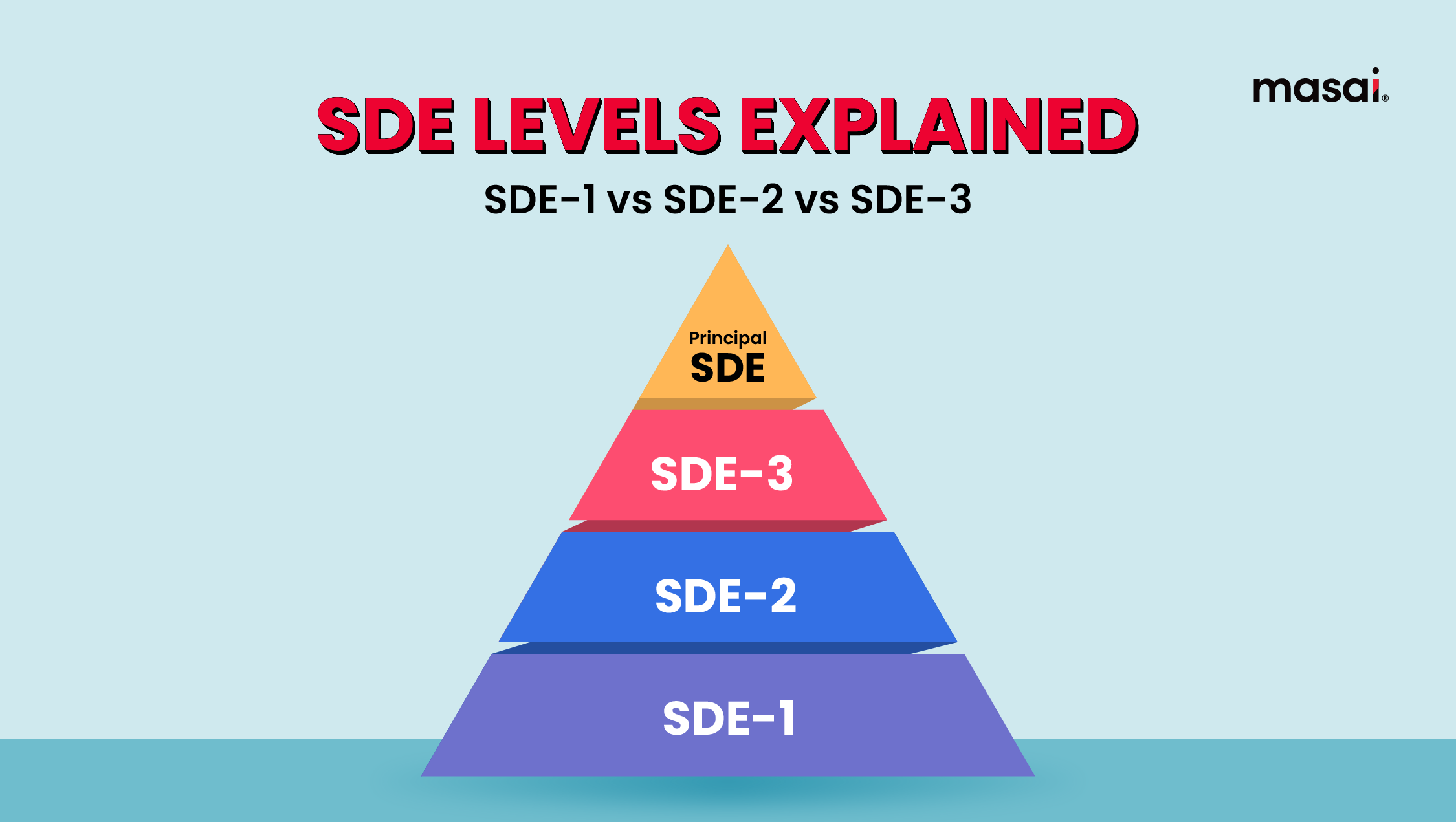
- Levels and Specializations: Within the SDE umbrella, there are numerous levels, typically denoted by seniority (e.g., SDE I, SDE II, Senior SDE, Staff SDE, Principal SDE). These levels indicate increasing experience, responsibility, and impact. Furthermore, SDEs can specialize in various areas, such as front-end development, back-end development, full-stack development, mobile development, embedded systems, or even more niche fields like machine learning engineering or cloud infrastructure.
The Industry Standard and Its Origins
The term SDE gained significant traction and became widely adopted within the tech industry, particularly by large technology companies like Amazon. For Amazon, SDE is the primary title used for its software engineers across various levels and teams. This adoption has largely normalized the term, making it a recognizable and sought-after designation in job descriptions and professional profiles.
The widespread use of SDE by major tech players has influenced how other companies structure their engineering teams and define their roles. Many organizations now use “SDE” as a standard title, even if their internal processes or nomenclature might have slightly different interpretations. This has contributed to a degree of standardization in how software engineering talent is categorized and recruited.
Responsibilities and Skillsets of an SDE
The role of an SDE is dynamic and demanding, requiring a blend of technical prowess, problem-solving acumen, and collaborative spirit. Their responsibilities extend far beyond simply writing code.
Core Technical Responsibilities
- Design and Architecture: SDEs are involved in the conceptualization and design of software systems. This includes defining the overall structure, choosing appropriate technologies, and ensuring the system is scalable, efficient, and secure. They translate business requirements into technical specifications.
- Development and Implementation: This is the most visible aspect of an SDE’s work – writing clean, efficient, and maintainable code. They utilize various programming languages, frameworks, and tools to bring designs to life. This often involves working with databases, APIs, and other software components.
- Testing and Debugging: A critical part of the development lifecycle is ensuring the software functions as intended. SDEs write unit tests, integration tests, and participate in broader testing efforts. They are also adept at identifying and resolving bugs, often under tight deadlines.
- Deployment and Maintenance: Once software is developed, it needs to be deployed to production environments and then maintained. SDEs are involved in setting up deployment pipelines, monitoring system performance, and addressing any issues that arise post-launch. This can include implementing updates, patches, and performance enhancements.
- Collaboration and Code Reviews: Software development is rarely a solitary endeavor. SDEs work closely with other engineers, product managers, designers, and quality assurance professionals. Code reviews are a vital part of this collaboration, ensuring code quality, knowledge sharing, and adherence to best practices.
Essential Skillsets
- Programming Proficiency: Mastery of one or more programming languages (e.g., Java, Python, C++, JavaScript, Go) is fundamental. This includes understanding language syntax, common libraries, and best practices.
- Data Structures and Algorithms: A strong grasp of fundamental data structures (arrays, linked lists, trees, graphs) and algorithms (sorting, searching, dynamic programming) is essential for building efficient and scalable software.
- System Design: The ability to design complex, distributed systems that can handle large amounts of traffic and data is a hallmark of experienced SDEs. This involves understanding concepts like microservices, caching, load balancing, and database design.
- Problem-Solving and Analytical Thinking: SDEs are essentially problem-solvers. They need to be able to break down complex issues into smaller, manageable parts, analyze potential solutions, and implement the most effective ones.
- Debugging and Troubleshooting: The ability to quickly and efficiently diagnose and fix issues is a critical skill. This requires a systematic approach and a deep understanding of how software components interact.
- Communication and Teamwork: As mentioned, collaboration is key. SDEs must be able to articulate their ideas, explain technical concepts to non-technical stakeholders, and work effectively within a team environment.
- Continuous Learning: The technology landscape is constantly shifting. SDEs must be committed to continuous learning, staying updated on new languages, frameworks, tools, and best practices.
The Career Trajectory and Opportunities for SDEs
The “SDE” title represents more than just a job; it signifies a career path with significant growth potential and diverse opportunities within the tech industry.
Progression and Levels
The typical career path for an SDE involves a progression through different seniority levels. While the exact titles and years of experience required for each level can vary between companies, a common structure looks like this:
- SDE I (Junior SDE): Entry-level position. Focuses on learning established processes, contributing to smaller features, and working under the guidance of senior engineers. Requires a solid foundation in programming and data structures.
- SDE II (Mid-Level SDE): More independent. Capable of taking ownership of medium-sized features or components, contributing to design discussions, and mentoring junior engineers. Demonstrates a strong understanding of system design principles.
- Senior SDE: Leads the design and implementation of complex features or systems. Mentors multiple engineers, drives technical direction within a team, and has a significant impact on architectural decisions. Often a go-to person for challenging problems.
- Staff SDE / Principal SDE: These roles are typically at the highest individual contributor (IC) levels. They are responsible for technical strategy across multiple teams or even entire product areas. They influence engineering culture, tackle the most ambiguous and impactful problems, and often contribute to long-term technical vision.
Beyond the IC Path: Leadership and Specialization
While the individual contributor (IC) track is common, an SDE role can also serve as a stepping stone to leadership positions or highly specialized technical roles.
- Management Track: Some experienced SDEs transition into management roles, becoming Engineering Managers, Directors of Engineering, or VPs of Engineering. This path involves leading teams, managing people, and overseeing the strategic direction of engineering efforts.
- Specialized Roles: The breadth of software development allows for deep specialization. An SDE might choose to focus on areas like:
- Machine Learning Engineer (MLE): Building and deploying ML models.
- Site Reliability Engineer (SRE): Focusing on system reliability, scalability, and performance.
- DevOps Engineer: Bridging development and operations to automate and streamline the software delivery process.
- Security Engineer: Focusing on the security aspects of software systems.
- Data Engineer: Designing and building data pipelines and infrastructure.

The Demand and Future of SDEs
The demand for skilled SDEs remains exceptionally high and is projected to continue growing. As technology permeates every aspect of modern life, the need for individuals who can design, build, and maintain the software that powers it all is paramount.
- Industry Growth: Industries across the board, from finance and healthcare to entertainment and transportation, are increasingly reliant on software. This sustained growth fuels the demand for SDEs.
- Technological Advancements: Emerging technologies like artificial intelligence, cloud computing, quantum computing, and the metaverse will require new generations of software to be developed and maintained, creating further opportunities.
- Remote Work Opportunities: The widespread adoption of remote and hybrid work models has opened up SDE opportunities to a global talent pool, making the job market even more dynamic.
In conclusion, “SDE” or Software Development Engineer, is a pivotal title in the tech industry, signifying a professional dedicated to the craft of building software with an engineering mindset. It represents a challenging yet rewarding career path, characterized by continuous learning, problem-solving, and the opportunity to shape the digital world. Understanding what an SDE truly entails is the first step for anyone aspiring to excel in this dynamic and indispensable field.
aViewFromTheCave is a participant in the Amazon Services LLC Associates Program, an affiliate advertising program designed to provide a means for sites to earn advertising fees by advertising and linking to Amazon.com. Amazon, the Amazon logo, AmazonSupply, and the AmazonSupply logo are trademarks of Amazon.com, Inc. or its affiliates. As an Amazon Associate we earn affiliate commissions from qualifying purchases.