
The Small Business Administration (SBA) is often a misunderstood entity in the American financial landscape. While many entrepreneurs recognize the acronym, few fully grasp the breadth of its influence on the economy. Established in 1953, the SBA is a cabinet-level federal agency dedicated to aiding, counseling, assisting, and protecting the interests of small business concerns. In the context of business finance and economic growth, the SBA acts as a bridge between the ambitious vision of the individual entrepreneur and the rigid requirements of traditional financial institutions.
The SBA does not function like a typical commercial bank. Instead, it serves as a risk-mitigation tool for lenders and a resource hub for business owners. By understanding what the SBA does, entrepreneurs can unlock pathways to capital, mentorship, and government contracts that might otherwise remain inaccessible.
The Core Mission: Empowering the Entrepreneurial Spirit
The primary goal of the SBA is to maintain and strengthen the nation’s economy by enabling the establishment and viability of small businesses. In a financial ecosystem where large corporations often have easier access to capital markets and favorable interest rates, the SBA ensures that the “little guy” has a seat at the table. This is achieved through a multi-faceted approach that focuses on capital, counseling, and contracting.
Defining the “Small” in Small Business
To understand what the SBA does, one must first understand whom they serve. The SBA defines a “small business” based on specific size standards that vary by industry. These standards are typically measured by the number of employees or average annual receipts. For example, a manufacturing firm might be considered small with 500 to 1,500 employees, whereas a retail service provider might be judged by whether its annual revenue stays below a certain million-dollar threshold. This nuanced definition allows the SBA to target its resources toward businesses that truly lack the massive infrastructure of global conglomerates.
Reducing Risk for Lenders
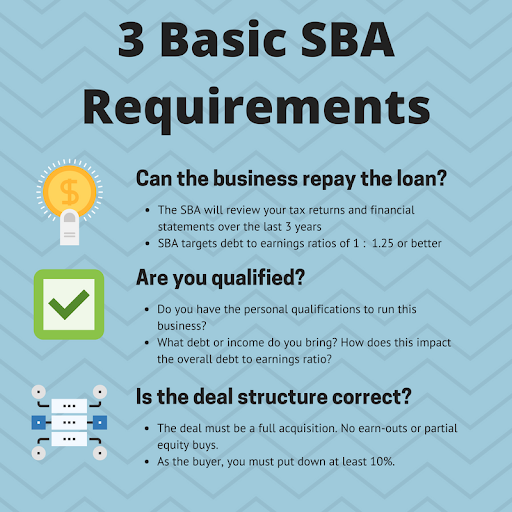
One of the most critical roles the SBA plays in the world of business finance is that of a guarantor. Most SBA loans are not funded directly by the government. Instead, a small business owner applies for a loan through a traditional bank or credit union. If the business meets SBA criteria, the agency guarantees a significant portion of the loan—sometimes up to 85%. This guarantee reduces the risk for the lender, encouraging them to provide financing to businesses that might fall just outside their standard credit box. This mechanism is the engine that drives billions of dollars into the small business economy every year.
Financial Assistance: Navigating SBA Loan Programs
Access to capital is the lifeblood of any business, yet it remains one of the greatest hurdles for startups and expanding enterprises. The SBA addresses this through several distinct loan programs, each designed to meet specific financial needs.
The 7(a) Loan Program: The Flagship Offering
The 7(a) loan is the SBA’s most popular and versatile financial tool. It is designed for general business purposes, including working capital, equipment purchases, land and building acquisition, and even the refinancing of existing business debt. Because these loans are partially guaranteed by the government, they often come with longer repayment terms and lower down payments than conventional commercial loans. For a business owner looking to manage cash flow while funding growth, the 7(a) program provides the necessary flexibility to invest in the future without crippling current operations.
The 504 Loan Program: Real Estate and Fixed Assets
For businesses looking to make major fixed-asset purchases, the 504 Loan Program is the gold standard. This program provides long-term, fixed-rate financing for major assets such as real estate or heavy machinery. The structure typically involves a partnership between a Certified Development Company (CDC), a private lender, and the business owner. By requiring only a 10% down payment from the entrepreneur, the 504 program preserves the business’s liquid capital for day-to-day operations while allowing them to build equity in their own facilities.
Microloans: Small Capital for Big Dreams
Not every business needs a million-dollar infusion. Many startups and home-based businesses require smaller amounts to get off the ground. The SBA Microloan program provides loans up to $50,000 to help small businesses and certain not-for-profit childcare centers start up and expand. These funds are channeled through specially designated intermediary lenders—nonprofit community-based organizations with experience in lending and management assistance. This program is particularly vital for underserved communities and entrepreneurs who may not have a lengthy credit history.
Entrepreneurial Development: Education and Mentorship
Money alone does not guarantee business success. The SBA recognizes that financial literacy and strategic planning are just as important as the capital itself. To this end, the agency supports a vast network of partner organizations that provide free or low-cost counseling and training.
SCORE: Mentoring from Seasoned Experts
The Service Corps of Retired Executives, commonly known as SCORE, is one of the most impactful initiatives supported by the SBA. It consists of a nation-wide network of volunteer business mentors who are often retired executives or successful entrepreneurs. These mentors provide one-on-one counseling at no cost to the business owner. Whether a founder needs help refining a business plan, understanding a balance sheet, or navigating a pivot in their marketing strategy, SCORE provides the “human capital” necessary to complement the financial capital provided by SBA loans.
Small Business Development Centers (SBDCs)
SBDCs are a collaboration between the SBA, state governments, and universities. These centers offer professional business counseling and training on topics ranging from international trade to technology commercialization. For a business owner, an SBDC serves as a local hub for sophisticated market research and financial analysis that would normally cost thousands of dollars if sourced from private consulting firms. By making these resources available for free, the SBA levels the playing field for entrepreneurs who are competing against larger firms with dedicated R&D departments.
Specialized Support for Women and Veterans
The SBA also operates specialized outreach programs, such as Women’s Business Centers (WBCs) and the Veterans Business Outreach Centers (VBOCs). These programs are designed to address the unique challenges faced by these specific demographics in the business world. From helping veterans transition their leadership skills into the private sector to helping women-owned businesses navigate male-dominated industries, these centers ensure that the path to business ownership is inclusive and equitable.
Government Contracting: Unlocking Federal Opportunities
The United States government is the largest purchaser of goods and services in the world. To ensure that small businesses get a fair share of this massive spending, the SBA works with other federal agencies to set aside specific contract opportunities for small firms.
The 23% Goal
The federal government has a goal to award at least 23% of all prime federal contracting dollars to small businesses. The SBA is responsible for monitoring this progress and advocating for small business interests in the procurement process. For a small company, winning a government contract can provide a level of stability and revenue growth that is difficult to find in the private sector. The SBA’s role here is to act as a gatekeeper and an advocate, ensuring that “bundled” contracts don’t inadvertently exclude smaller competitors.
Certification Programs for Competitive Advantage
To help certain types of businesses compete, the SBA manages several certification programs. These include the 8(a) Business Development Program for socially and economically disadvantaged individuals, the HUBZone program for businesses located in underutilized business zones, and the Women-Owned Small Business (WOSB) Federal Contract program. These certifications allow businesses to participate in “set-aside” competitions, where the pool of bidders is limited to other certified small businesses. This is a powerful strategic tool for revenue growth and market penetration.
Disaster Assistance and Advocacy
While much of what the SBA does is proactive, a significant portion of its mission is reactive. When disasters strike—be they hurricanes, wildfires, or global pandemics—the SBA is often the first line of financial defense for the private sector.
Economic Injury Disaster Loans (EIDL)
Unlike its primary loan programs, the SBA’s disaster loans are often funded directly by the government. These low-interest loans are designed to help businesses recover from physical damage and economic injury caused by a declared disaster. The funds can be used for repairs, replacing equipment, and maintaining payroll when a business’s normal operations are interrupted. During times of national crisis, the SBA’s ability to rapidly deploy capital has saved millions of businesses from permanent closure.

The Voice of Small Business in Washington
Beyond its direct programs, the SBA serves as an advocate for small business interests within the federal government. The SBA Office of Advocacy works to ensure that new regulations do not place an undue burden on small firms. By conducting economic research and testifying before Congress, the SBA ensures that the regulatory environment remains conducive to entrepreneurship. In the complex world of federal policy, having a dedicated agency to champion the needs of the small business owner is essential for maintaining a vibrant and competitive market.
In conclusion, what the SBA does is provide the infrastructure for the American Dream. By mitigating financial risk for lenders, providing expert guidance for owners, opening doors to government contracts, and offering a safety net during disasters, the SBA ensures that small businesses remain the engine of the national economy. For any entrepreneur looking to start or scale, the SBA is not just a government agency—it is a critical financial partner.
aViewFromTheCave is a participant in the Amazon Services LLC Associates Program, an affiliate advertising program designed to provide a means for sites to earn advertising fees by advertising and linking to Amazon.com. Amazon, the Amazon logo, AmazonSupply, and the AmazonSupply logo are trademarks of Amazon.com, Inc. or its affiliates. As an Amazon Associate we earn affiliate commissions from qualifying purchases.