
In the intricate world of brand strategy and corporate identity, every word chosen for a name, slogan, or campaign carries significant weight. Understanding the etymology, cultural connotations, and psychological impact of a term can make the difference between a forgettable brand and one that resonates deeply with its target audience. The term “Santo,” a word rich in history and meaning, offers a compelling case study for its potential as a powerful branding element. Far more than just a dictionary definition, “Santo” can imbue a brand with a unique set of values, perceptions, and cultural appeal when leveraged strategically.
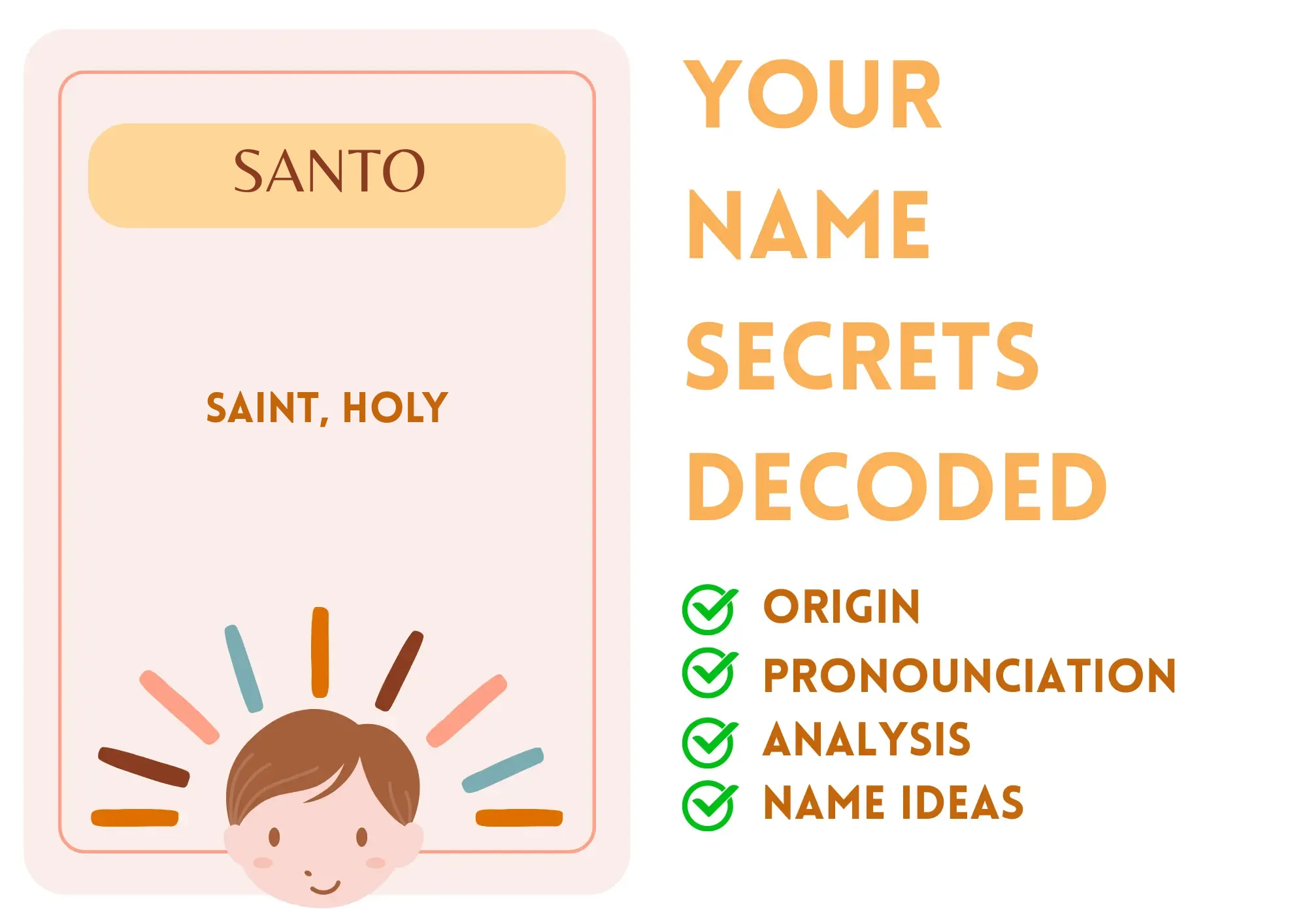
The Etymology and Cultural Resonance of “Santo”
At its core, “Santo” is a word with deep roots in religious and spiritual contexts, predominantly found in Spanish and Portuguese. Tracing its lineage reveals why it holds such a profound symbolic weight that brand strategists can tap into.
From Sacred to Semantic Power
The word “Santo” derives from the Latin sanctus, meaning “sacred,” “holy,” or “consecrated.” In its primary religious usage, it refers to a saint—an individual recognized for their exceptional holiness or virtue. This origin imbues “Santo” with immediate connotations of purity, righteousness, virtue, and an elevated status. When associated with a brand, these inherent qualities can subtly transfer, suggesting trustworthiness, integrity, and a certain reverence. It implies a product or service that is not merely good, but exceptionally so, perhaps even revered by its users. The semantic power of “Santo” lies in its ability to evoke a sense of tradition, spiritual depth, and an unwavering commitment to high standards.
Geographical and Linguistic Nuances
While “Santo” shares a common Latin root with similar terms in other Romance languages (e.g., Italian “santo,” French “saint”), its most prominent and widespread usage is in Spanish and Portuguese-speaking cultures. This geographical prevalence means that a brand incorporating “Santo” will likely carry a specific cultural resonance, particularly in Latin America, Spain, Portugal, and communities with strong ties to these regions.
In these contexts, “Santo” is not just a religious term; it’s woven into everyday language and cultural fabric, appearing in place names (e.g., Santo Domingo, Espírito Santo), personal names, and common expressions. This deep integration means that the word is immediately recognizable and carries an established emotional weight. For brands targeting these demographics, understanding these nuances is critical. It can foster immediate recognition and a sense of familiarity, but also requires cultural sensitivity to avoid missteps or perceived irreverence, depending on the product or service being branded.
Strategic Brand Naming: When “Santo” Makes Sense
Choosing a brand name is one of the most critical decisions in brand strategy. The inclusion of “Santo” can be a highly strategic move, aligning a brand with powerful, positive attributes.
Connotations of Purity, Trust, and Authenticity
For many brands, the pursuit of purity, trust, and authenticity is paramount. “Santo” inherently projects these values.
- Purity: Brands in sectors like food and beverage (e.g., “Santo Olive Oil,” “Santo Coffee”), cosmetics, or natural wellness products can leverage “Santo” to signify unadulterated quality, natural ingredients, or a clean, wholesome offering. It suggests a product free from artificiality or compromise.
- Trust: In industries where trust is a cornerstone—such as financial services (“Santo Wealth Management”), healthcare, or even digital security—”Santo” can evoke reliability, integrity, and ethical conduct. It implies a brand that operates with high moral standards and puts its customers’ well-being first.
- Authenticity: For artisan goods, heritage brands, or products emphasizing traditional craftsmanship (“Santo Ceramics,” “Santo Handcrafted Leather”), “Santo” can underscore a commitment to genuine quality and original methods, differentiating them from mass-produced alternatives. It suggests a brand with a soul, rooted in genuine purpose.
Targeting Specific Demographics and Markets
The cultural embedding of “Santo” makes it particularly effective for brands looking to connect with specific linguistic and cultural groups.
- Latin American and Iberian Markets: Brands aiming to establish a strong presence in Spanish or Portuguese-speaking countries can find “Santo” to be an invaluable asset. It resonates immediately, often evoking positive associations with tradition, community, and shared values. This can create an instant connection and a perception of cultural understanding from the brand.
- Faith-Based or Values-Driven Consumers: Beyond geographical demographics, “Santo” can appeal to consumers who prioritize products and services aligned with spiritual, ethical, or family values. For brands catering to this segment, “Santo” can signal a brand identity rooted in similar principles, fostering a deeper, values-based relationship with customers.
Avoiding Pitfalls: Cultural Sensitivity and Misinterpretation
While powerful, leveraging “Santo” requires careful consideration to avoid potential missteps.
- Irreverence: Using “Santo” in a trivial or inappropriate context could be perceived as disrespectful or irreverent, particularly by religious audiences. A brand of novelty toys or adult entertainment, for instance, would likely face backlash. Strategic brand managers must assess whether the product’s nature aligns respectfully with the word’s inherent gravitas.
- Over-spiritualization: For some secular audiences, “Santo” might evoke an overly religious or antiquated image, potentially alienating them. The brand’s overall identity, design, and messaging must balance the term’s gravitas with modern appeal, ensuring it communicates the desired values without appearing exclusionary or overly preachy.
- Brand Dilution: If too many brands in a specific niche adopt “Santo,” it could lose its distinctive power. Uniqueness in branding is key, so research into competitors’ naming conventions is essential.
Integrating “Santo” into Brand Identity and Messaging

A brand name is just one component; its meaning must be consistently reinforced across all touchpoints. When “Santo” is part of a brand’s identity, its connotations should inform visual design, messaging, and overall brand storytelling.
Visual Branding: Design Elements Evoking “Santo”
The visual identity of a “Santo” brand should subtly or overtly reflect its core meaning.
- Color Palettes: Colors often associated with purity, heaven, or sanctity—whites, blues, golds, or even deep purples—can complement the name. These colors can convey serenity, luxury, and trustworthiness.
- Typography: Elegant, classic, or clean sans-serif fonts can reinforce the notions of tradition, quality, and purity without being overly ornate. The typeface should convey authenticity and integrity.
- Imagery and Symbolism: Depending on the brand’s specific niche, imagery could include clean lines, natural elements, artisanal motifs, or symbols that subtly suggest elevation or excellence. Abstract representations of light, ascent, or sacred geometry might also be effective. The key is to avoid clichés and create a unique visual language that aligns with the specific brand values derived from “Santo.”
Messaging and Storytelling: Building a Narrative of Virtue
The narrative surrounding a “Santo” brand should articulate its commitment to the values inherent in the name.
- Origin Stories: Brands can weave tales of their foundational principles, highlighting a dedication to quality, ethical sourcing, or a legacy of craftsmanship that upholds the “sacred” commitment implied by “Santo.”
- Mission and Vision: A brand’s mission statement can clearly communicate how it embodies purity, trust, or excellence in its operations, products, or service delivery. For example, “Santo Organics: Committed to the purest harvest, nurturing body and soul.”
- Customer Experience: The brand’s interaction with customers should reflect integrity and respect, reinforcing the notion of a trustworthy and principled entity. This might involve exceptional customer service, transparent practices, or community engagement initiatives.
Brand Extensions and Product Lines
A strong “Santo” brand name can provide a robust foundation for future growth and diversification.
- Consistent Messaging: As a brand expands, the “Santo” identity can serve as an anchoring principle. New products or services can be introduced under the “Santo” umbrella, assuring customers of consistent quality and adherence to core values.
- Category Expansion: For example, a “Santo Coffee” brand, known for its premium, ethically sourced beans, might extend into “Santo Bakery” (using pure ingredients) or “Santo Brewing Equipment” (emphasizing craftsmanship). The “Santo” prefix lends authority and an implied standard of excellence to new ventures.
Case Studies and Examples
To illustrate the strategic application of “Santo” in branding, consider a few conceptual examples across different industries:
Food & Beverage: “Santo Coffee Co.”
This brand immediately suggests premium quality, ethical sourcing, and a reverential approach to coffee production. Consumers might expect organic beans, fair trade practices, and a rich, pure flavor. The “Santo” could imply a “sacred ritual” of daily coffee, elevating the experience beyond mere consumption. Its visual identity would likely feature earthy tones, elegant typography, and perhaps subtle nods to traditional craftsmanship.
Apparel & Lifestyle: “Santo Atelier”
Here, “Santo” could denote a brand focused on timeless design, sustainable materials, and ethical labor practices. “Atelier” further emphasizes craftsmanship. The brand would target consumers seeking durable, high-quality garments that transcend fast fashion, embodying a slower, more conscious lifestyle. The messaging would focus on the “purity” of materials and the “integrity” of production.
Services: “Santo Financial Partners”
In finance, trust is paramount. “Santo” here would instill confidence, suggesting transparent practices, sound ethical advice, and a commitment to clients’ financial well-being over quick gains. The brand’s communication would emphasize long-term relationships, fiduciary responsibility, and a “holy grail” approach to financial security. Visuals might use blues and golds, conveying stability and luxury.
The Enduring Appeal and Future of “Santo” in Branding
The word “Santo,” with its rich historical and cultural tapestry, offers an enduring appeal for brand builders. In an increasingly fragmented and often cynical marketplace, brands that can authentically project values of purity, trust, and integrity are poised to stand out.
Timeless Values in Modern Markets
While its origins are ancient, the values “Santo” represents are timeless. Consumers in modern markets, especially younger generations, are increasingly prioritizing ethical consumption, transparency, and brands that align with their personal values. A brand thoughtfully leveraging “Santo” can tap into this demand for authenticity and purpose-driven businesses, demonstrating a commitment that goes beyond mere profit.

Adaptability Across Industries
From artisanal goods and high-end consumables to professional services and sustainable technologies, the core tenets embedded in “Santo” are remarkably adaptable. The key is for brand strategists to meticulously align the inherent meaning of the word with the specific value proposition, target audience, and overarching mission of their brand. When executed with cultural sensitivity and strategic foresight, “Santo” can serve as a potent foundation for building brands that are not only memorable but also deeply meaningful.
aViewFromTheCave is a participant in the Amazon Services LLC Associates Program, an affiliate advertising program designed to provide a means for sites to earn advertising fees by advertising and linking to Amazon.com. Amazon, the Amazon logo, AmazonSupply, and the AmazonSupply logo are trademarks of Amazon.com, Inc. or its affiliates. As an Amazon Associate we earn affiliate commissions from qualifying purchases.