
The subtle inscription “S925” or “925” found on jewelry pieces is more than just a random mark; it’s a crucial indicator of the metal’s purity and a key piece of information for consumers navigating the world of precious metals. For those seeking to understand the value, durability, and authenticity of their adornments, deciphering these markings is an essential step. This article delves into the meaning behind S925, exploring its significance in the jewelry market, its implications for quality and authenticity, and how it relates to the broader economic landscape of precious metals.
The Foundation: Understanding Sterling Silver
At its core, “S925” is a hallmark that signifies the presence of sterling silver. To grasp the full meaning, it’s vital to understand what sterling silver is and why it holds such a prominent position in the jewelry industry.

Defining Sterling Silver
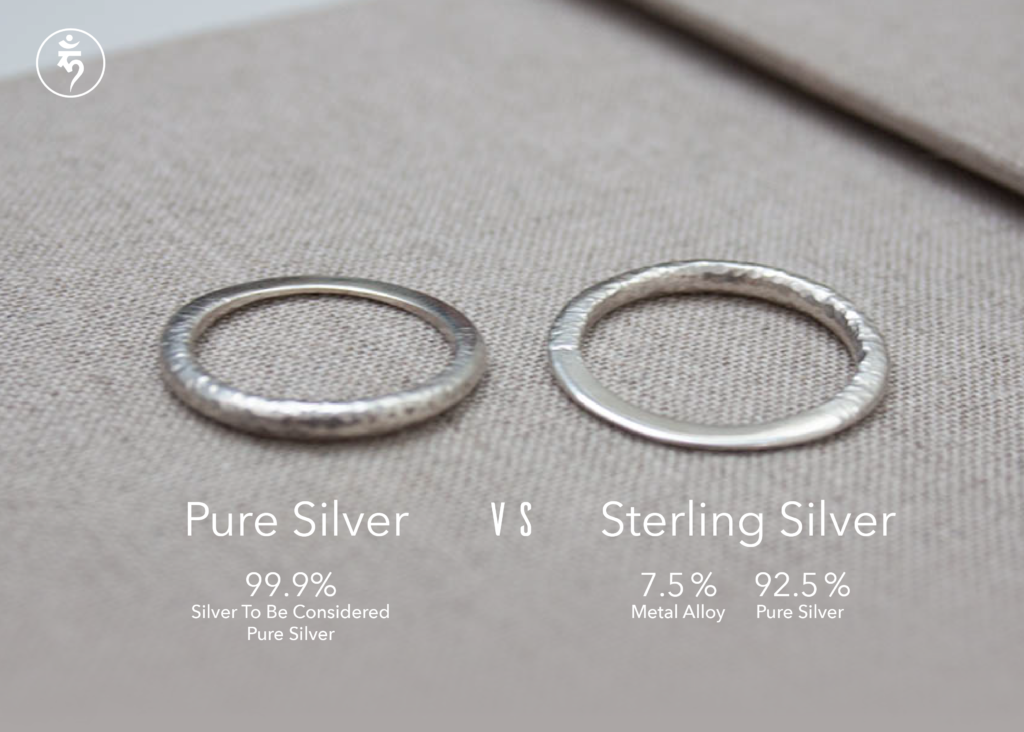
Sterling silver is an alloy of silver, meaning it’s a mixture of two or more metals. The standard for sterling silver dictates that it must contain at least 92.5% pure silver. The remaining 7.5% typically consists of other metals, most commonly copper. This addition of copper is not arbitrary; it serves a critical purpose in enhancing the metal’s properties.
The Role of Copper in the Alloy
Pure silver, while beautiful, is an exceptionally soft metal. In its unalloyed state, it is too malleable to be used effectively for crafting durable jewelry. It would easily bend, scratch, and lose its shape under everyday wear. The incorporation of copper, a relatively strong and affordable metal, significantly increases the hardness and durability of the silver. This makes the resulting sterling silver alloy robust enough for intricate designs, consistent wear, and the creation of pieces that are meant to last. The precise 92.5% silver to 7.5% alloy ratio is a carefully balanced compromise, maximizing the inherent beauty and luster of silver while imparting the necessary structural integrity.
Historical Significance and Standardization
The sterling silver standard has a long and distinguished history, dating back to the 12th century in England. The “sterling” designation was initially associated with the quality and fineness of the silver coinage, and this standard gradually extended to silverware and then to jewelry. Over centuries, this standard has become globally recognized and accepted, providing a consistent benchmark for quality. The widespread adoption of the 925 standard has fostered trust among consumers and artisans alike, creating a reliable language for describing and trading silver jewelry. This historical precedent underscores the enduring value and recognized quality associated with sterling silver.
Deciphering the Markings: S925 and Its Equivalents
The “S925” marking, and its variations, are the consumer’s direct link to the metal’s composition and, by extension, its potential value. Understanding these marks is crucial for making informed purchasing decisions.
The Meaning of “S925”
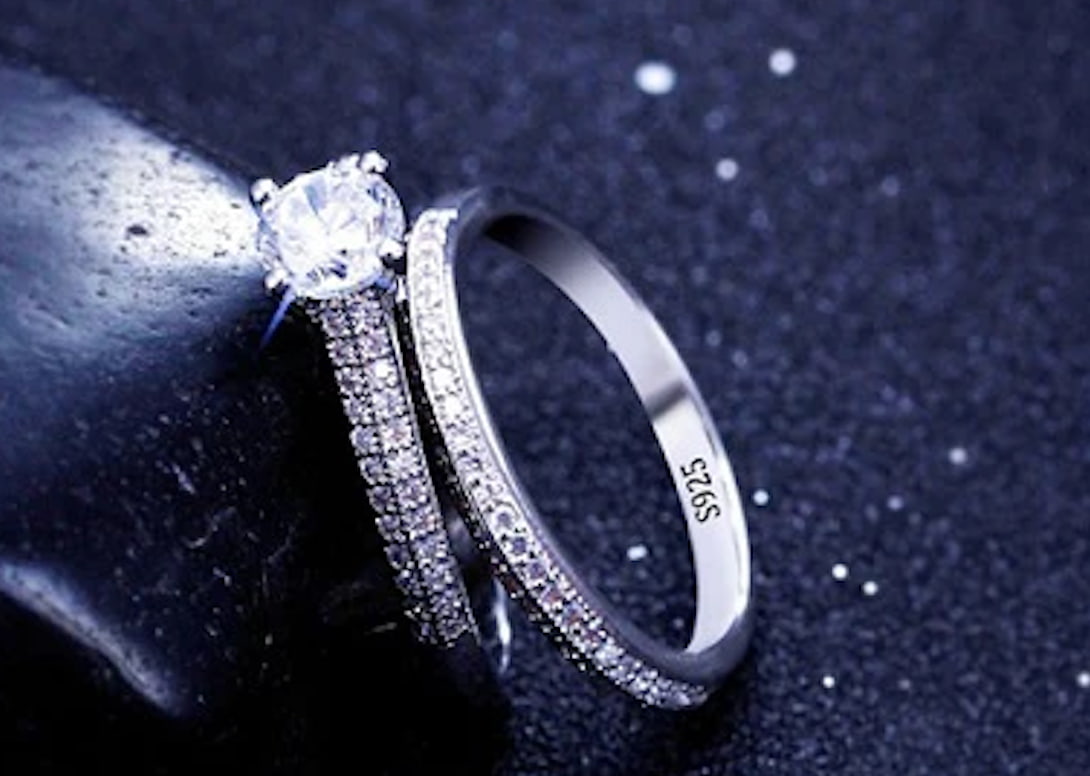
The “S” prefix in “S925” is often used to explicitly denote “silver.” Thus, “S925” clearly communicates that the jewelry is made from sterling silver, conforming to the 92.5% pure silver standard. While the “S” is common, it is not always present. The core identifier remains the number “925.”
Variations in Hallmarking
While “S925” is prevalent, other markings can indicate sterling silver. The most common variation is simply “925,” which carries the same meaning: 92.5% silver and 7.5% alloy. You might also encounter markings like:
- “Sterling”: This word, often stamped alongside a numeric purity mark or on its own, also signifies the 92.5% silver standard.
- “925 Sterling”: A combination that leaves no room for ambiguity, clearly stating both the purity and the material.
- “Ster.”: A common abbreviation for “Sterling.”
It’s important to note that the presence of such markings is a strong indicator of authenticity, but it’s not an absolute guarantee. Reputable jewelers and manufacturers will adhere to these standards, but in rare instances, fraudulent items may bear false markings. Therefore, purchasing from trusted sources remains a key aspect of ensuring quality.
The Importance of Context and Trust
While the markings themselves are standardized, their interpretation is often best understood within the context of the seller and the piece. A high-end jewelry store selling a necklace with a “925” stamp is likely to be offering genuine sterling silver. Conversely, an unmarked piece or one from a less reputable source might warrant closer inspection or skepticism. Building a relationship with trusted jewelers or brands can provide an additional layer of assurance regarding the authenticity and quality of the jewelry you purchase. They can often provide documentation or provenance that supports the markings.
The Economic Landscape of Sterling Silver Jewelry
The “S925” mark directly influences the economic value of jewelry. It provides a clear signal about the material’s composition, which in turn affects its price, resale value, and investment potential.
Material Value and Pricing
The price of sterling silver jewelry is fundamentally linked to the market price of silver bullion. The “925” stamp indicates that 92.5% of the metal’s weight is pure silver. Therefore, the intrinsic value of a sterling silver piece is derived from the quantity of silver it contains, multiplied by the current market price of silver. Jewelers factor in the cost of this raw material, along with their labor, design, branding, and overhead, when setting the retail price. A piece stamped “925” will inherently have a higher material value than one made from a less precious metal alloy.
Authenticity and Resale Value
The “S925” hallmark is a critical factor in determining the authenticity and, consequently, the resale value of jewelry. Genuine sterling silver holds its value much better than plated or imitation metals. When selling pre-owned jewelry, the presence of a clear and legitimate “925” stamp assures potential buyers of the material’s quality and composition. This transparency increases trust and supports a more predictable resale market. Conversely, jewelry lacking such markings or bearing misleading stamps will likely fetch a significantly lower price, if any, in the secondary market, as its material composition is uncertain.
Sterling Silver as a “Precious” Metal Investment
While gold and platinum are often considered the primary precious metal investments, silver, particularly in the form of sterling silver jewelry, can also hold a place, albeit a more modest one. The “S925” mark signifies that the piece is made of a substantial quantity of a precious metal. In times of economic uncertainty or inflation, precious metals, including silver, can act as a hedge against currency devaluation. While the investment potential of a single piece of sterling silver jewelry is unlikely to rival that of silver bullion or other traditional investments, the cumulative value of a collection of high-quality sterling silver pieces can be significant. Furthermore, antique or designer sterling silver jewelry, beyond its intrinsic metal value, can appreciate due to its historical significance, craftsmanship, or rarity. Understanding the “S925” mark is the first step in recognizing this potential.
aViewFromTheCave is a participant in the Amazon Services LLC Associates Program, an affiliate advertising program designed to provide a means for sites to earn advertising fees by advertising and linking to Amazon.com. Amazon, the Amazon logo, AmazonSupply, and the AmazonSupply logo are trademarks of Amazon.com, Inc. or its affiliates. As an Amazon Associate we earn affiliate commissions from qualifying purchases.