
The enigmatic “Rx” symbol, a ubiquitous fixture on prescriptions and medication packaging, has long been a shorthand for medical instruction. While its roots are steeped in history and linguistic evolution, its modern interpretation is increasingly intertwined with the burgeoning landscape of health technology. Understanding “Rx” in contemporary medical terms necessitates a dive into its origins, its current function, and its profound implications within the digital health revolution. This exploration will focus exclusively on the technological underpinnings and advancements that are reshaping how prescriptions are written, filled, and managed.
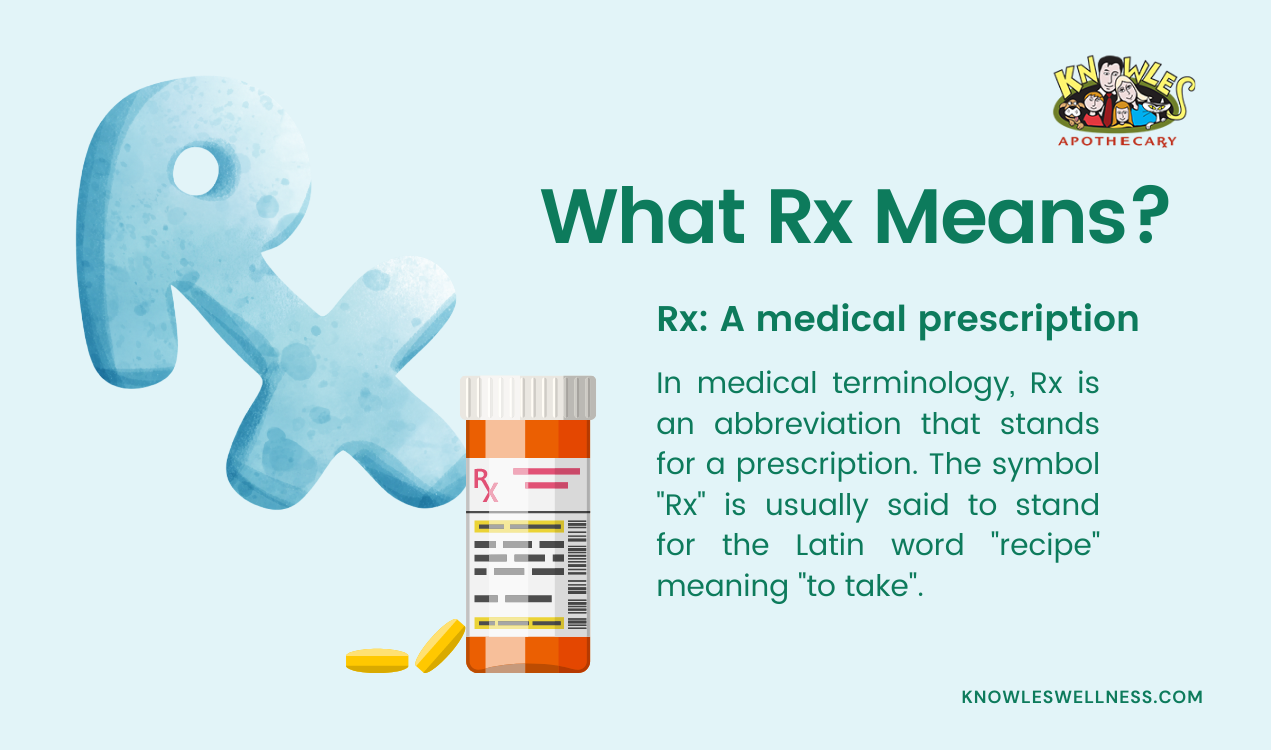
The Historical Foundation of the Prescription Symbol
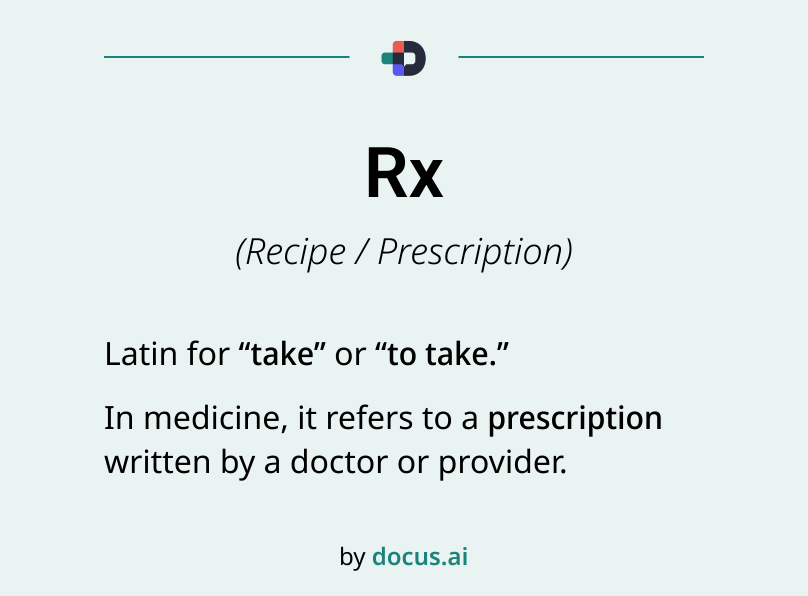
The “Rx” symbol, far from being a mere arbitrary design, carries a rich historical legacy that informs its fundamental meaning. While its exact etymology is debated, the most widely accepted theory links it to the Latin word “recipere,” meaning “to take.” This verb served as an imperative in ancient medical texts, essentially instructing the apothecary to “take these ingredients and prepare this medicine.”
Linguistic Roots and Apothecary Traditions
The Latin origin of “Rx” is crucial to understanding its initial purpose. In the days before standardized pharmaceutical practices, physicians would write down their desired treatments, often in a cryptic shorthand. The “Rx” acted as a clear directive for the pharmacist or apothecary to begin the compounding process. This practice was essential in an era where medications were often custom-made, requiring specific combinations of herbs, minerals, and other substances.
The Rise of the Pharmaceutical Industry and Standardization
As the pharmaceutical industry evolved and medications became mass-produced, the “Rx” symbol retained its core meaning but gained new layers of significance. It became a universal indicator that a particular drug was potent, requiring professional oversight and a doctor’s authorization due to its potential for harm if misused. This standardization was a critical step in ensuring patient safety and differentiating prescription medications from over-the-counter remedies. The transition from handwritten notes to printed labels and standardized dosage forms further solidified the “Rx” as a symbol of regulated medical intervention.
The Digital Transformation of the Prescription Process
The advent of digital technology has fundamentally altered every facet of healthcare, and the prescription process is no exception. The “Rx” symbol, while maintaining its symbolic meaning, is now embedded within sophisticated digital ecosystems that streamline and secure its transmission and fulfillment. This transformation is not merely about replacing paper with pixels; it’s about creating intelligent systems that enhance patient care, reduce errors, and improve efficiency.
Electronic Prescribing (e-Prescribing) and its Technological Backbone
Electronic prescribing, or e-prescribing, is arguably the most significant technological advancement impacting the “Rx” in modern medicine. This system allows healthcare providers to electronically transmit prescription information directly to pharmacies. The technology behind e-prescribing involves secure data transmission protocols, electronic health record (EHR) integration, and often, connections to centralized prescribing networks.
The Role of EHRs and Interoperability
Electronic Health Records (EHRs) form the bedrock of e-prescribing. These digital systems store patient medical information, including demographics, diagnoses, allergies, and current medications. When a physician decides to prescribe medication, they can access the patient’s EHR, select the desired drug, dosage, and frequency, and then electronically send this information to the pharmacy. The success of e-prescribing hinges on the interoperability of these EHR systems with pharmacy software. This ensures seamless data exchange, minimizing the risk of transcription errors that were common with handwritten prescriptions. Standards like HL7 (Health Level Seven International) play a critical role in facilitating this interoperability, allowing different healthcare IT systems to communicate effectively.
Secure Data Transmission and Encryption
The transmission of sensitive patient information, including prescription details, demands robust security measures. E-prescribing platforms employ advanced encryption techniques to protect data from unauthorized access during transit. This ensures that the “Rx” details, once digitally approved and transmitted, remain confidential and tamper-proof. Secure Sockets Layer (SSL) and Transport Layer Security (TLS) protocols are commonly used to establish encrypted connections between healthcare providers and pharmacies, safeguarding the integrity of the prescription data.
Telemedicine and Remote Prescription Generation
The rise of telemedicine has further expanded the reach and accessibility of healthcare, directly impacting how “Rx” is generated and managed. Telehealth platforms enable patients to consult with healthcare providers remotely, often through video calls or secure messaging. During these virtual consultations, physicians can still generate electronic prescriptions, which are then transmitted directly to the patient’s chosen pharmacy. This has been particularly crucial in recent years, allowing for continued access to necessary medications without requiring in-person visits, thereby broadening the application of “Rx” beyond traditional clinical settings.
The Integration of AI and Machine Learning in Prescription Management
Artificial intelligence (AI) and machine learning (ML) are beginning to play an increasingly important role in optimizing the prescription process. These technologies can analyze vast datasets of patient information, drug interactions, and treatment guidelines to assist physicians in making more informed prescribing decisions. AI-powered tools can flag potential drug-drug interactions, identify patient allergies that might contraindicate a particular medication, and even suggest optimal dosages based on individual patient profiles. This not only enhances the safety and efficacy of “Rx” but also contributes to a more personalized approach to medication management.
The Future of “RX”: Technological Innovations Shaping Prescription Practices
The evolution of the “Rx” symbol is far from over. As technology continues to advance, we can anticipate further innovations that will enhance the safety, accessibility, and personalized nature of prescription management. These future developments promise to redefine what “Rx” signifies in the digital age.
Blockchain Technology and Prescription Security
Blockchain technology, renowned for its decentralized and immutable ledger system, holds significant potential for revolutionizing prescription security. By recording prescription data on a blockchain, it becomes virtually impossible to alter or tamper with the information once it has been verified. This can create an auditable trail for every prescription, from creation to dispensing, significantly reducing the risk of fraud and counterfeit medications. Each “Rx” transaction could be recorded as a secure, time-stamped entry, providing an unprecedented level of transparency and trust in the pharmaceutical supply chain.
Wearable Technology and Real-time Medication Adherence Monitoring
The proliferation of wearable devices and the Internet of Things (IoT) in healthcare opens up new avenues for monitoring medication adherence. While not directly related to the generation of an “Rx,” these technologies can provide invaluable data on whether patients are taking their prescribed medications as directed. Smart pill bottles, for instance, can record when a dose is taken and wirelessly communicate this information to a patient’s physician or a caregiver. This real-time data can inform healthcare providers about potential adherence issues, allowing them to intervene proactively and adjust treatment plans. The “Rx” then becomes not just an instruction to take medication, but a prompt for an integrated health monitoring system.
Personalized Medicine and Data-Driven Prescribing
The future of “Rx” is undeniably linked to the advancement of personalized medicine. By leveraging genomic data, lifestyle factors, and real-time health monitoring, physicians will be able to prescribe medications with unprecedented precision. AI and ML algorithms will be instrumental in analyzing this complex data to identify the most effective and safest treatment for each individual. This move towards data-driven prescribing means that the “Rx” will increasingly represent a highly tailored and evidence-based medical intervention, moving beyond a one-size-fits-all approach. The symbol itself may not change, but the intelligence and specificity behind it will be vastly amplified.

Conclusion: The Enduring Significance of “RX” in a Digital Healthcare Landscape
The humble “Rx” symbol, with its ancient origins, has successfully navigated the technological currents of the 21st century. It stands as a testament to the enduring need for professional medical guidance in medication management. From its roots in Latin imperatives to its current incarnation within complex electronic prescribing systems and its potential future integrations with blockchain and AI, “Rx” continues to be a critical marker of therapeutic intervention. As technology continues to reshape healthcare, the meaning of “Rx” will not diminish but rather become more sophisticated, more secure, and more personalized, ultimately serving the paramount goal of improving patient outcomes in an increasingly digital world.
aViewFromTheCave is a participant in the Amazon Services LLC Associates Program, an affiliate advertising program designed to provide a means for sites to earn advertising fees by advertising and linking to Amazon.com. Amazon, the Amazon logo, AmazonSupply, and the AmazonSupply logo are trademarks of Amazon.com, Inc. or its affiliates. As an Amazon Associate we earn affiliate commissions from qualifying purchases.