
Ross Stores, Inc., widely recognized by its flagship brand Ross Dress for Less, has carved out a distinctive and highly successful niche within the competitive retail landscape. For the casual shopper, the immediate answer to “what does Ross sell?” might simply be “discounted clothing.” However, a deeper dive reveals a meticulously crafted brand strategy, an expansive and ever-changing product portfolio, and an operational model designed to deliver consistent value, fostering a unique customer experience that transcends mere price points. Understanding what Ross sells is not just about cataloging merchandise; it’s about dissecting the brand’s identity, its market positioning, and the strategic decisions that underpin its enduring appeal.
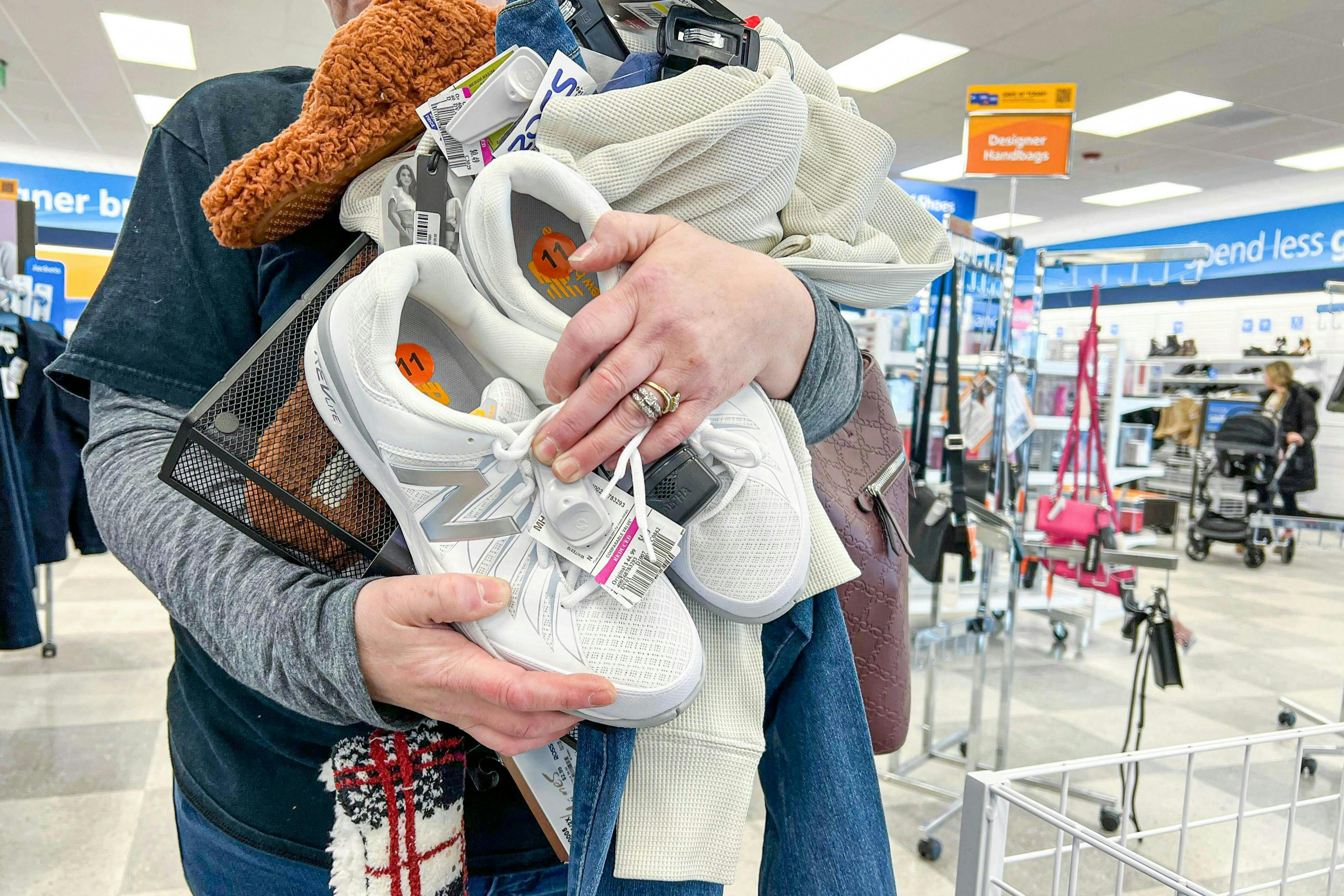
At its core, Ross sells value. It’s a promise of significant savings on popular brand-name and designer apparel, accessories, footwear, and home fashion. This promise isn’t just a marketing slogan; it’s embedded in every aspect of its business model, from its opportunistic buying strategies to its streamlined in-store experience. The brand doesn’t just offer products; it offers the thrill of a treasure hunt, the satisfaction of a smart purchase, and the accessibility of fashion and home goods to a broad demographic.
The Core Proposition: Off-Price Retail and Value Delivery
Ross’s brand identity is intrinsically tied to its off-price retail model. Unlike traditional department stores or specialty retailers that purchase merchandise for specific seasons, Ross operates on a dynamic, opportunistic buying strategy. This fundamental approach dictates everything the brand sells and how it sells it.
Unpacking the “Dress for Less” Philosophy
The “Dress for Less” tagline isn’t just catchy; it’s the bedrock of the brand’s value proposition. It communicates a direct benefit: customers can acquire desirable goods at prices significantly below those found at conventional retailers. This isn’t about selling inferior or outdated merchandise; it’s about acquiring current-season or slightly past-season inventory from manufacturers and other retailers who need to clear excess stock. Ross leverages its buying power and agility to snap up these deals, passing the savings directly to the consumer. This philosophy defines the brand’s commitment to affordability without compromising on perceived quality or desirability, a critical distinction in the crowded discount sector.
The Treasure Hunt Experience: A Key Differentiator
One of the most compelling aspects of the Ross brand experience, and a core component of “what Ross sells” beyond just physical goods, is the “treasure hunt” atmosphere. Due to the opportunistic buying model, inventory at Ross stores is constantly changing. Shoppers rarely know exactly what they’ll find, transforming each visit into an exciting exploration. This unpredictability is a deliberate brand strategy. It encourages frequent visits, fosters impulse purchases, and builds a sense of discovery and urgency. The “deal” isn’t just a price tag; it’s the excitement of finding a unique item or a coveted brand at an unexpectedly low price. This emotional connection to the shopping experience is a powerful brand asset, creating loyalty that transcends mere transactional relationships.
Sourcing Strategy: Driving Cost Efficiency
The ability to consistently offer deep discounts is a direct result of Ross’s sophisticated sourcing strategy. The brand maintains strong relationships with thousands of vendors, allowing it to purchase excess inventory, canceled orders, or overruns at significantly reduced costs. Unlike full-price retailers that plan their buys months in advance, Ross buyers operate with agility, often making purchasing decisions on the spot. This flexibility allows them to capitalize on market opportunities and secure desirable merchandise at favorable prices. This relentless focus on cost efficiency in sourcing directly translates into the attractive prices that define the Ross brand and reinforce its value proposition to the consumer. The merchandise “Ross sells” is therefore a direct reflection of this astute buying prowess.
A Diverse Product Portfolio: Beyond Just “Dress”
While “Dress for Less” is prominent in its branding, Ross’s product offerings extend far beyond apparel. The breadth of its inventory is crucial to its brand appeal, positioning it as a one-stop shop for value-conscious consumers seeking a wide array of lifestyle goods.
Apparel for All: Men, Women, and Children
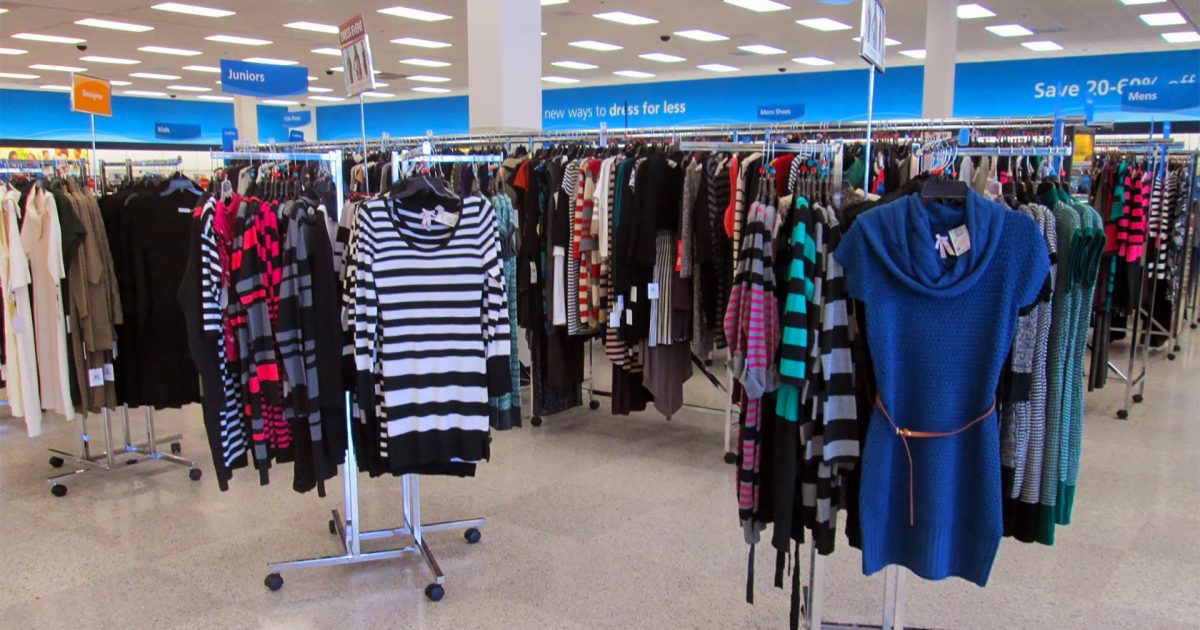
Naturally, a significant portion of “what Ross sells” is clothing. This includes a comprehensive range of apparel for women, men, and children of all ages. For women, shoppers can find everything from casual wear, activewear, and work attire to dresses for special occasions. Men’s sections offer jeans, shirts, suits, sportswear, and outerwear. The children’s department is stocked with clothing for infants, toddlers, and older kids, often featuring popular character apparel alongside everyday essentials. The key is the brand diversity – customers can frequently find items from well-known national brands and designer labels, offering a strong incentive for purchase.
Home Goods and Décor: Expanding Lifestyle Offerings
In recent years, the expansion of its home goods section has become a critical element of Ross’s brand strategy and a major driver of sales. This category includes everything from kitchenware, small appliances, and bedding to bath accessories, decorative accents, and seasonal décor. By offering stylish and functional items for the home at discounted prices, Ross taps into consumers’ desire to furnish and decorate their living spaces affordably. This diversification broadens the brand’s appeal, encouraging shoppers who might initially visit for clothing to also explore and purchase items for their homes, thereby increasing basket size and customer lifetime value. It shows that “what Ross sells” extends to aspirations of a well-appointed home.
Accessories and Footwear: Completing the Ensemble
No outfit is complete without the right accessories, and Ross capitalizes on this by offering a vast selection. This includes handbags, jewelry, scarves, belts, and sunglasses, often featuring brand names. The footwear department is equally extensive, stocking shoes for men, women, and children across various styles – from athletic sneakers and casual sandals to formal heels and boots. These categories are high-margin and serve as excellent impulse buys, enhancing the “treasure hunt” experience. They allow customers to complete their looks head-to-toe, reinforcing Ross as a comprehensive fashion destination for the budget-conscious.
Seasonal and Holiday Merchandise: Capturing Fleeting Demand
Ross also strategically incorporates seasonal and holiday-specific merchandise into its inventory. This can include Halloween costumes, Christmas decorations, Easter gifts, or summer outdoor essentials. These items cater to temporary consumer demands, driving traffic during specific periods of the year. The opportunistic buying model is particularly effective here, as manufacturers often have excess seasonal inventory that needs to be cleared quickly, allowing Ross to offer significant discounts on timely products. This agility in adapting its inventory demonstrates the brand’s responsiveness to market trends and consumer needs.
Target Audience and Brand Positioning
Understanding “what Ross sells” also necessitates an examination of who it sells to and how it positions itself in the competitive retail ecosystem. The brand has meticulously cultivated its image to resonate with a specific demographic, building loyalty through consistent value delivery.
The Value-Conscious Consumer: Demographics and Psychographics
Ross primarily targets the value-conscious consumer – individuals and families who prioritize getting the most for their money without sacrificing quality or style. This demographic spans various income levels, as the desire for a good deal is universal. Psychographically, these shoppers are often savvy, enjoy the thrill of discovery, and appreciate the feeling of making a smart purchase. They may not be exclusively loyal to one brand but are loyal to the idea of value. Ross effectively caters to this mindset, making the act of saving money feel empowering and fashionable rather than a compromise. The brand understands that its customers appreciate both the functional benefit of lower prices and the emotional satisfaction of finding a “steal.”
Competing in the Discount Retail Landscape
Ross operates within the highly competitive off-price retail sector, contending with other giants like TJ Maxx, Marshalls, Burlington, and Nordstrom Rack. Each of these brands has its nuances, but Ross differentiates itself through its aggressive pricing, slightly broader inventory mix (especially in home goods), and its strong focus on the “treasure hunt” experience. Its brand positioning emphasizes maximum savings, often implying deeper discounts compared to some competitors. The specific mix of brands and products “Ross sells” helps carve out its unique space, appealing to shoppers who prioritize the lowest possible price point for brand-name goods.
Brand Loyalty Through Perceived Savings
The success of Ross’s brand strategy is evident in its ability to cultivate a loyal customer base. This loyalty isn’t built on traditional rewards programs but on the consistent delivery of perceived savings and the addictive nature of the treasure hunt. Regular shoppers know that if they visit frequently, they are likely to stumble upon an incredible deal, fostering a sense of anticipation and reward. This reinforces the brand’s core promise and encourages repeat business. What Ross sells, then, is not just products, but a continuous opportunity for advantageous shopping.
Operational Excellence and Brand Consistency
The sheer scale and consistency of Ross’s value proposition are not accidental; they are the result of highly efficient operational strategies that support and reinforce the brand’s identity.
Supply Chain Agility and Inventory Management
Managing a constantly fluctuating inventory of opportunistic buys requires an exceptionally agile and efficient supply chain. Ross has developed sophisticated logistics and distribution networks that can rapidly process, sort, and deliver merchandise to its extensive network of stores. Effective inventory management systems are crucial to ensuring that stores are consistently stocked with fresh merchandise, maintaining the “newness” that fuels the treasure hunt. This operational prowess directly impacts what Ross can sell, when, and at what price, ensuring that the brand promise of value is always met.
In-Store Experience: Simplicity and Efficiency
The in-store experience at Ross is designed for efficiency rather than luxury. Stores are typically large, bright, and feature a no-frills layout that prioritizes product visibility and accessibility. While not as curated as a full-price department store, the organization allows for easy browsing of vast quantities of merchandise. The focus is on the product and the price. Dressing rooms are functional, and checkout processes are streamlined. This operational simplicity aligns with the brand’s value-driven identity; overhead costs are kept low to maximize savings passed to the consumer. The brand understands its customers are there for the deal, not for opulent décor.
Marketing and Brand Communication: Reinforcing Value
Ross’s marketing efforts consistently reinforce its core brand message: “Dress for Less.” Advertisements often highlight significant savings percentages, showcase a diverse range of products, and subtly allude to the exciting discovery aspect of shopping. The brand communicates its promise of value through clear, direct messaging across various channels, solidifying its position as a go-to destination for discounted fashion and home goods. What Ross sells is consistently presented as a smart choice for discerning shoppers.
The Future of Ross: Adapting to Evolving Retail Dynamics
The retail landscape is constantly shifting, and Ross, like all major brands, must adapt to remain competitive and relevant. The core of “what Ross sells” and how it operates may evolve, but its underlying brand philosophy of value is likely to remain central.
Navigating E-commerce and Digital Engagement
One of the most significant challenges for the off-price model, traditionally reliant on in-store discovery, is the rise of e-commerce. Unlike many traditional retailers, Ross has historically maintained a minimal online presence, believing the treasure hunt experience is best replicated in a physical store. However, as consumer shopping habits increasingly shift online, the brand faces pressure to consider how it can leverage digital platforms without undermining its core identity or operational model. The question of “what Ross sells” online, and how it translates the in-store experience digitally, remains a critical strategic consideration for its future brand evolution.
Sustaining the Off-Price Model in a Changing Market
The ability to source discounted merchandise is dependent on various market factors, including manufacturing overruns, fashion trends, and supply chain disruptions. As global supply chains become more sophisticated and demand forecasting improves, the availability of excess inventory could theoretically fluctuate. Ross’s brand resilience will depend on its continued ability to foster strong vendor relationships and adapt its buying strategies to maintain a consistent flow of desirable, discounted goods.
Brand Resilience and Strategic Growth
Ultimately, the brand of Ross Dress for Less is built on a strong foundation of value, variety, and the thrill of discovery. Its success lies in consistently delivering on the promise of “dressing for less” across a broad spectrum of products. As it looks to the future, Ross will continue to refine its operational excellence, potentially explore new avenues for customer engagement, and strategically expand its physical footprint. However, the essence of what Ross sells—high-quality goods at unbeatable prices, wrapped in an engaging shopping experience—will likely remain the bedrock of its enduring brand identity and market leadership.
aViewFromTheCave is a participant in the Amazon Services LLC Associates Program, an affiliate advertising program designed to provide a means for sites to earn advertising fees by advertising and linking to Amazon.com. Amazon, the Amazon logo, AmazonSupply, and the AmazonSupply logo are trademarks of Amazon.com, Inc. or its affiliates. As an Amazon Associate we earn affiliate commissions from qualifying purchases.