
In the sophisticated world of brand strategy and corporate identity, symbols act as a shorthand for complex emotional narratives. Among the most enduring and multifaceted of these symbols is the rose. When a strategist asks, “What does ‘roses’ mean?” they are not inquiring about botany; they are exploring the semiotics of luxury, the psychology of desire, and the historical weight of one of the world’s most recognizable icons. In branding, a rose is never just a flower—it is a strategic asset used to communicate heritage, elegance, and emotional resonance.
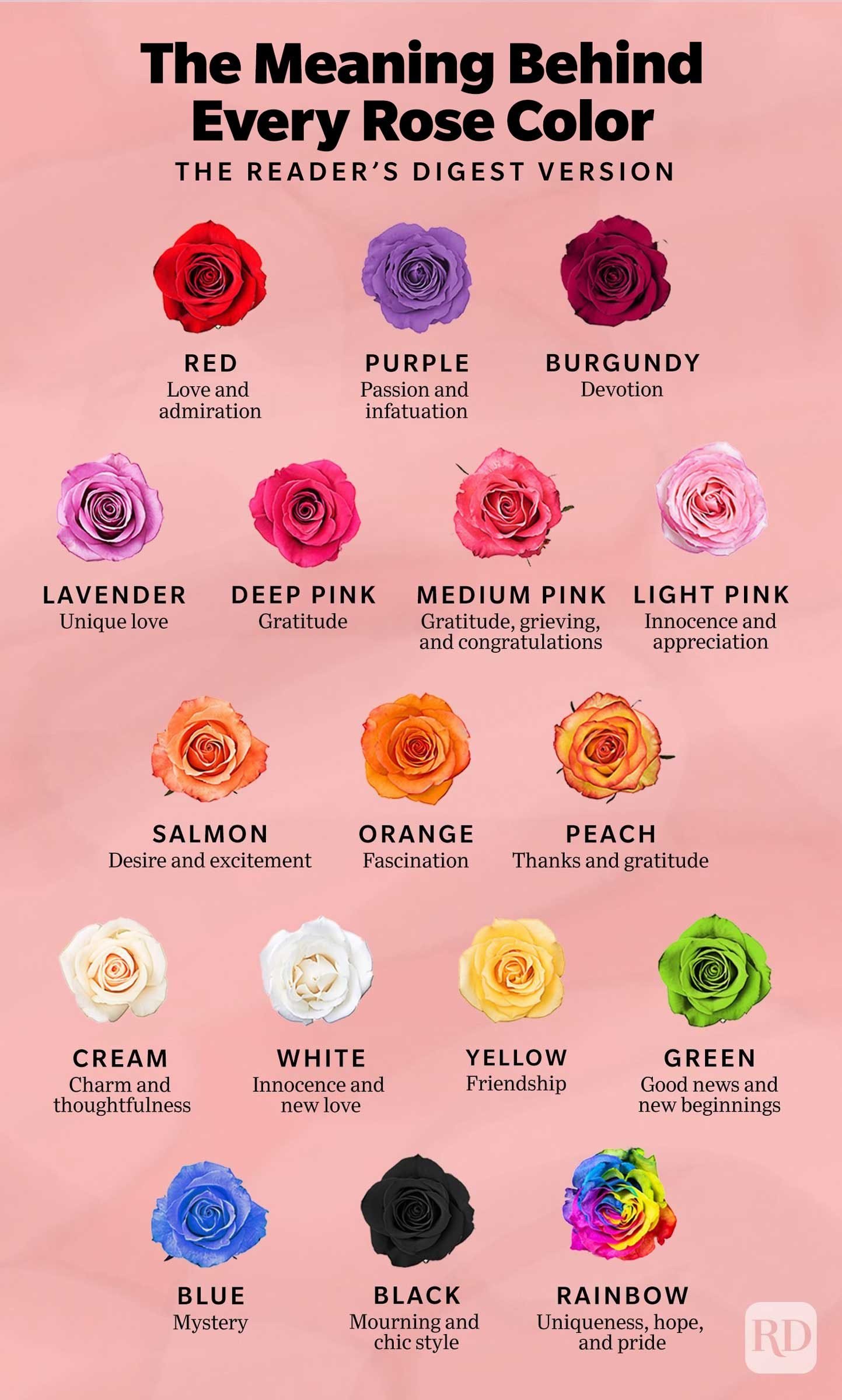
This article explores how the rose is leveraged across various industries to build brand equity, the psychological triggers it activates in consumers, and how modern companies are reimagining this ancient symbol for a digital-first audience.
The Semiotics of the Rose in Brand Strategy
Semiotics is the study of signs and symbols and their use or interpretation. In branding, the rose serves as a powerful “sign” that carries centuries of cultural baggage. To understand what roses mean in a commercial context, we must first deconstruct the primary pillars of its identity.
Psychological Triggers of the Rose Motif
The human brain is hardwired to respond to natural symmetry and vibrant color. In branding, the rose triggers an immediate association with “the premium.” Because roses are historically associated with royalty, secret societies (the Sub Rosa tradition), and high-stakes romance, their presence in a logo or marketing campaign signals that a product is high-value.
From a psychological perspective, the rose balances two opposing forces: the softness of the petals (vulnerability and beauty) and the sharpness of the thorns (protection and strength). For a brand, this duality is incredibly useful. It allows a company to present itself as approachable and aesthetically pleasing while maintaining an air of exclusivity and resilience.
Cultural Nuances and Global Interpretation
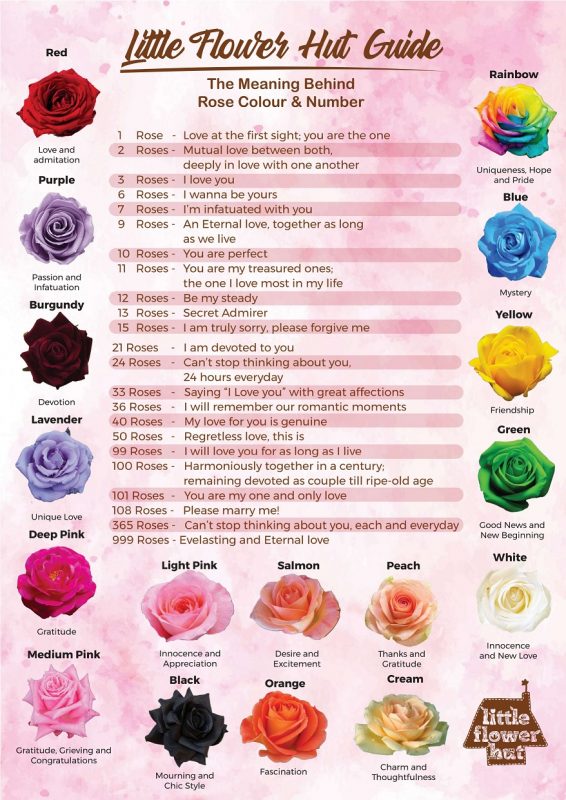
While the rose is a near-universal symbol of beauty, its specific meaning can shift depending on the market. In Western markets, a red rose is the ultimate signifier of passion and luxury. In contrast, in some Middle Eastern cultures, the rose (specifically rose water and the Damask rose) is tied to hospitality, spirituality, and purity.
For global brand managers, “what roses mean” requires a localized approach. A brand using a rose in the UK might be leaning into “English Rose” heritage—implying traditional, high-class reliability. A brand using the same symbol in Japan may be tapping into the Hanakotoba (the language of flowers), where different colors convey specific, unspoken messages. Understanding these nuances is the difference between a brand that resonates and one that feels “tone-deaf.”
Roses in Luxury and Beauty Branding: A Case Study Approach
The beauty and fashion industries have effectively monopolized the rose as a brand identifier. By examining market leaders, we can see how the symbol is used to anchor a brand’s entire corporate identity.
Lancôme and the Epitome of French Elegance
Perhaps no brand is more synonymous with the rose than Lancôme. For over 80 years, the Lancôme Rose has stood as the brand’s singular emblem. But why? For Lancôme, the rose means “effortless French chic.” It represents a blend of science (the Lancôme Rose is a specifically bred hybrid) and nature.
By featuring the rose prominently on every gold-capped lipstick and engraved into every skincare jar, Lancôme uses the symbol to justify a premium price point. The rose serves as a “seal of quality.” It tells the consumer that the product inside is as refined and carefully cultivated as the flower on the packaging. This is a classic example of using a floral icon to build long-term brand equity.
British Heritage and the “English Rose” Aesthetic
Brands like Jo Malone London, Cath Kidston, and Alexander McQueen have used the rose to signify different facets of “Britishness.” For Cath Kidston, the rose means nostalgia and “modern vintage” charm, appealing to a sense of domestic comfort. In contrast, Alexander McQueen often used the rose in a gothic, avant-garde context—emphasizing the thorns and the fleeting nature of beauty.
These examples show that the meaning of “roses” is flexible. A brand strategy can highlight the “wildness” of a briar rose to signify organic, clean beauty, or it can use a perfectly manicured long-stemmed rose to signify corporate perfection and high-fashion rigidity.

Beyond Aesthetics: The Rose as a Tool for Corporate Identity
While the visual aspect of the rose is vital, its meaning in branding extends into the very DNA of a company’s mission and its competitive positioning.
Differentiation in a Crowded Marketplace
In a saturated market, brands struggle to find a unique “hook.” The rose offers a way to stand out through “sensory branding.” Even when the flower isn’t visible, the idea of the rose—its scent, its texture, its essence—can be used to create a cohesive brand experience.
For example, high-end hotels often use “Rose” as a naming convention for suites or signature scents to immediately communicate a sense of “sanctuary.” In this context, roses mean “safety” and “indulgence.” By adopting the rose, a brand is essentially “borrowing” the flower’s existing reputation to bypass the need for lengthy explanations of its own values.
Storytelling Through Botanical Elements
Modern branding is less about what you sell and more about the story you tell. The rose is a narrative goldmine. It allows brands to talk about “growth,” “blooming,” “seasons,” and “cultivation.”
A financial consulting firm might use a stylized rose icon to represent “wealth that grows responsibly.” A tech startup might use a geometric rose to represent “complex systems resulting in simple beauty.” When we ask what roses mean in these non-traditional sectors, we find that they represent the “output” of hard work—the beautiful result of a rigorous process. This storytelling capability makes the rose one of the most versatile tools in a designer’s toolkit.
Integrating Floral Symbols into Modern Digital Marketing
As branding shifts from physical storefronts to digital interfaces, the way we interpret floral symbols like the rose is evolving. The “meaning” must now be translated into pixels, emojis, and minimalist icons.
The Rise of Minimalist Floral Icons
In the era of mobile-first design, complex botanical illustrations are often replaced by minimalist line art. What does a simplified rose mean in this context? It signifies “modernity” and “clarity.”
App-based brands often use stylized roses to denote “favorites” or “premium features.” By stripping away the detail but keeping the recognizable silhouette, brands can maintain the emotional “hit” of the rose symbol while ensuring it remains legible on a small smartphone screen. This evolution shows that the rose is not a relic of the past but a flexible asset that can adapt to high-tech environments.
Emotional Connection in Social Media Branding
On platforms like Instagram and Pinterest, the rose is a pillar of “aesthetic” marketing. Brands use rose-heavy imagery to tap into the “Romanticism” trend, which has seen a massive resurgence among Gen Z and Millennial consumers.
In the digital space, the rose acts as a social currency. It signals that a brand is “on-trend” and understands the visual language of its audience. When a brand uses a rose emoji in its bio or features “rose gold” in its product line, it is communicating an alignment with a specific lifestyle—one that values beauty, self-care, and curated experiences. Here, the rose means “lifestyle-compatible.”
Conclusion: The Perpetual Bloom of the Rose in Branding
When we deconstruct the question “What does roses mean?”, we find that the answer is as layered as the flower itself. In the realm of brand strategy, the rose is a multifaceted tool that communicates luxury, heritage, emotional depth, and modern sophistication.
For heritage brands like Lancôme, it is an anchor of identity. For modern startups, it is a symbol of growth and aesthetic alignment. For the global marketer, it is a nuanced language that requires careful translation across borders.
Ultimately, the rose remains one of the most powerful symbols in the brand strategist’s arsenal because it taps into a fundamental human truth: we are naturally drawn to things that represent the peak of natural beauty. By understanding and leveraging the deep-seated meanings of the rose, brands can create a lasting emotional connection that transcends simple transactions, turning customers into lifelong devotees of the “bloom.”
aViewFromTheCave is a participant in the Amazon Services LLC Associates Program, an affiliate advertising program designed to provide a means for sites to earn advertising fees by advertising and linking to Amazon.com. Amazon, the Amazon logo, AmazonSupply, and the AmazonSupply logo are trademarks of Amazon.com, Inc. or its affiliates. As an Amazon Associate we earn affiliate commissions from qualifying purchases.