
In the dynamic world of high-stakes industrial operations, entertainment production, and large-scale logistics, the term “rigger” refers to a highly specialized professional responsible for the mechanical systems that lift, move, and secure massive loads. Whether navigating the complexities of a skyscraper construction site, orchestrating the elaborate aerial maneuvers of a world-touring concert, or managing the intricate heavy-lift operations on an offshore oil platform, the rigger is the linchpin of operational safety and structural integrity.
While the term is often misunderstood or conflated with general laborers, the reality of rigging is a sophisticated discipline that combines physics, engineering principles, and a meticulous adherence to safety protocols. A rigger does not simply move objects; they calculate tension, center of gravity, load capacities, and environmental variables to ensure that millions of dollars of equipment—and, more importantly, human lives—are never at risk.
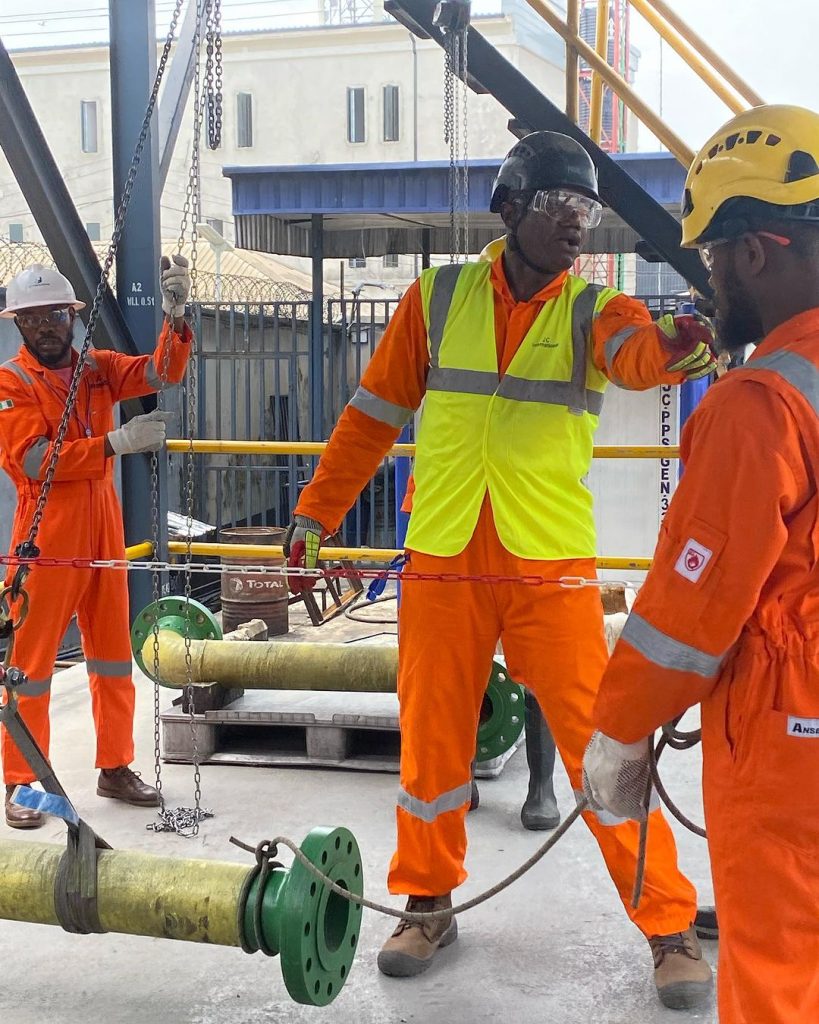
The Core Responsibilities of a Rigger
At its fundamental level, the role of a rigger is defined by the safe transition of weight. This involves the selection and deployment of hardware such as cranes, pulleys, hoists, shackles, slings, and tensioners. A rigger must understand how these tools interact under load to prevent equipment failure and catastrophic accidents.
Planning and Load Analysis
Before a single object is lifted, the rigger conducts a comprehensive assessment. This involves calculating the total weight of the load, identifying the center of gravity, and determining the appropriate points of attachment. If the load is asymmetrical, the rigger must devise a rigging plan that offsets the imbalance to prevent shifting mid-air. This planning phase often requires the interpretation of complex blueprints and site-specific schematics.
Rigging Gear Selection
Not all hardware is created equal. A rigger must select the specific materials—whether synthetic web slings, heavy-duty wire ropes, or industrial chains—based on the environmental conditions and the specific load requirements. They must know the WLL (Working Load Limit) and the SWL (Safe Working Load) for every component in the system. Choosing the wrong shackle or an inadequate sling can result in immediate failure, making the rigger’s knowledge of gear specifications a life-critical asset.
Communication and Signaling
A rigger is rarely a solo operator. During a lift, they act as the “eyes” for the crane operator, often hidden from the load’s path or the landing zone. Using a standardized system of hand signals, whistles, or two-way radio communication, the rigger guides the load through congested spaces, ensuring it remains clear of obstacles, power lines, and personnel. Their ability to remain calm and communicate with precision during high-pressure operations is the defining trait of an expert.
Specialized Fields: Where Riggers Operate
Because the principles of physics remain constant regardless of the industry, rigging expertise is highly transferable. However, the application of these skills varies significantly between sectors.
Construction and Structural Steel
In the construction industry, riggers are essential for the vertical growth of modern cities. They work alongside ironworkers to guide steel beams into place. This is a high-precision task where a beam weighing several tons must be lowered onto a mounting plate with millimeter-level accuracy. The rigger ensures the crane operator can see the target, manages the taglines to control the beam’s rotation in the wind, and stays with the load until it is securely bolted to the structure.
Entertainment and Event Production
In the world of concerts, theater, and large-scale events, “entertainment rigging” has become a specialized field of its own. Here, the rigger is responsible for the overhead grid—the structure that supports massive lighting arrays, sound systems, video walls, and even performers who may be flying over the audience.
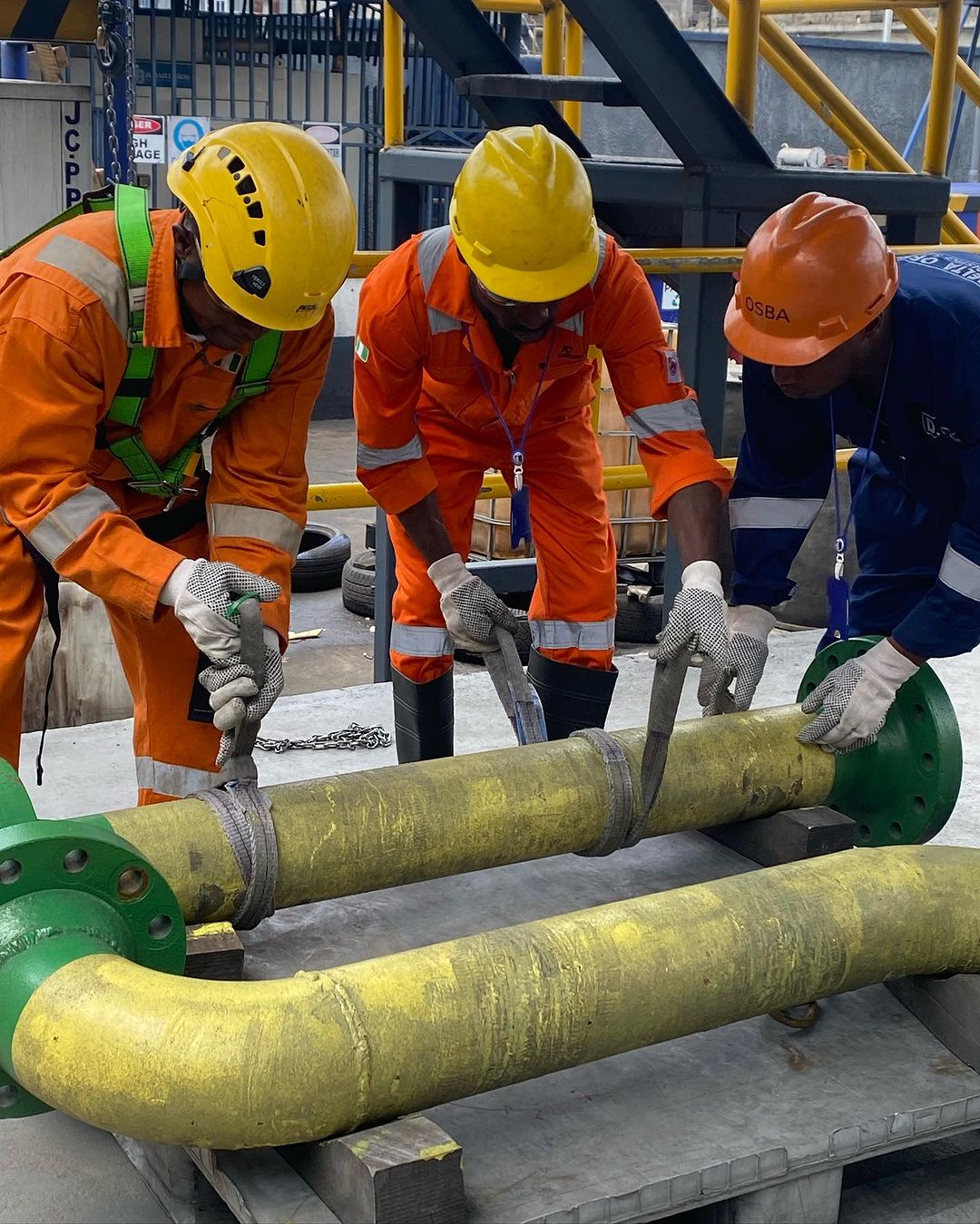
Unlike construction rigging, which is often permanent, entertainment rigging is frequently temporary and must be installed, struck, and transported repeatedly. These riggers are experts in aluminum truss systems, motorized chain hoists, and the specific load-bearing constraints of arena roofs. Their work is governed by stringent safety regulations that prioritize the protection of the public below the equipment.
Offshore and Industrial Maintenance
On oil rigs and in heavy manufacturing plants, riggers operate in some of the most dangerous environments on earth. Moving heavy machinery across a moving ship deck or maneuvering components through narrow industrial piping requires an intuitive understanding of dynamics. In these sectors, riggers often specialize in “heavy lifting,” utilizing hydraulic jacks, gantry systems, and skidding equipment to move massive transformers, turbines, or pressure vessels that exceed the capacity of standard cranes.
Safety Protocols and Rigging Certification
Rigging is a profession where there is no room for trial and error. The margin for safety is built into the calculation, but the execution relies entirely on the rigger’s discipline.
The “Factor of Safety”
A central tenet of the rigger’s mindset is the “Factor of Safety” (FoS). This is a multiplier used to determine the maximum load an item can bear compared to its actual intended load. For example, a rigging cable might have a breaking strength of 10,000 pounds but only be rated to carry 2,000 pounds for a specific lift. This 5:1 ratio ensures that even if there is a sudden shock load or dynamic shift, the system remains within its elastic limits and does not reach the point of failure.
Inspection and Maintenance
Before every shift, a rigger performs a visual inspection of all hardware. They look for “kinks” in wire rope, “bird-caging” (where the strands separate), signs of heat damage, rust, or chemical corrosion on slings. If a piece of equipment shows any sign of degradation, the rigger is empowered—and required—to discard it immediately. This culture of “if in doubt, swap it out” is what separates a professional rigger from a novice.
Certification and Standards
To perform this work, riggers must typically obtain certifications from recognized international bodies, such as the NCCCO (National Commission for the Certification of Crane Operators) in the United States. These certifications require both written exams—covering physics, math, and load charts—and practical exams that test the individual’s ability to execute complex lifts safely. These certifications are not merely badges of honor; they are legal requirements that demonstrate an individual’s adherence to global safety standards.
The Future of Rigging: Technology and Automation
As industries move toward Industry 4.0, the role of the rigger is evolving. While the physical nature of the work remains, technology is providing new tools to enhance safety and efficiency.
Load Monitoring Systems
Modern rigging now frequently incorporates digital load cells. These sensors are integrated into the rigging hardware and transmit real-time data to a tablet or console. If a lift shifts or an uneven distribution occurs, the rigger receives an instant alert. This removes the “guesswork” from the operation and allows for corrective action before a dangerous situation escalates.
Simulation and Training
Digital twin technology and VR simulations are becoming standard training tools. New riggers can now practice complex lifts in a virtual environment, allowing them to experience how a load behaves in high-wind conditions or during equipment malfunctions without the risk of an actual accident. These simulations help foster the spatial awareness and reaction times required for real-world scenarios.

Specialized Robotics
While robots are not replacing human riggers, they are beginning to assist in high-risk zones. Remote-controlled gantry systems and automated hoist controls allow riggers to operate from a safer distance, particularly in radioactive or high-heat environments. However, the human oversight remains indispensable; the nuanced judgment required to interpret complex environmental factors, such as sudden wind gusts or shifting ground stability, continues to be a uniquely human capability that technology can support, but not replace.
In conclusion, the rigger is a master of leverage, tension, and geometry. They are the silent architects of progress, ensuring that the impossible weights of our modern world are moved with grace and safety. Whether it is a film crew setting up a stage in record time or a construction crew building the next landmark, the success of the endeavor rests on the rigger’s capacity to understand the forces at play and master them with precision. It is a profession that demands extreme mental agility, a rigorous focus on detail, and an unwavering commitment to the safety of everyone on the ground.
aViewFromTheCave is a participant in the Amazon Services LLC Associates Program, an affiliate advertising program designed to provide a means for sites to earn advertising fees by advertising and linking to Amazon.com. Amazon, the Amazon logo, AmazonSupply, and the AmazonSupply logo are trademarks of Amazon.com, Inc. or its affiliates. As an Amazon Associate we earn affiliate commissions from qualifying purchases.