
The term “Rice Car” or “Ricer” is a deeply ingrained piece of automotive subculture jargon that has evolved significantly over the last three decades. Originating as a derogatory slur, the term sits at the intersection of brand identity, aesthetic modification, and the subjective boundaries of good taste. Within the context of brand strategy and corporate identity, the “Rice Car” phenomenon serves as a masterclass in how community-led perception can define—or destroy—the reputation of both aftermarket manufacturers and the car owners themselves.
The Etymology and Evolution of the Term
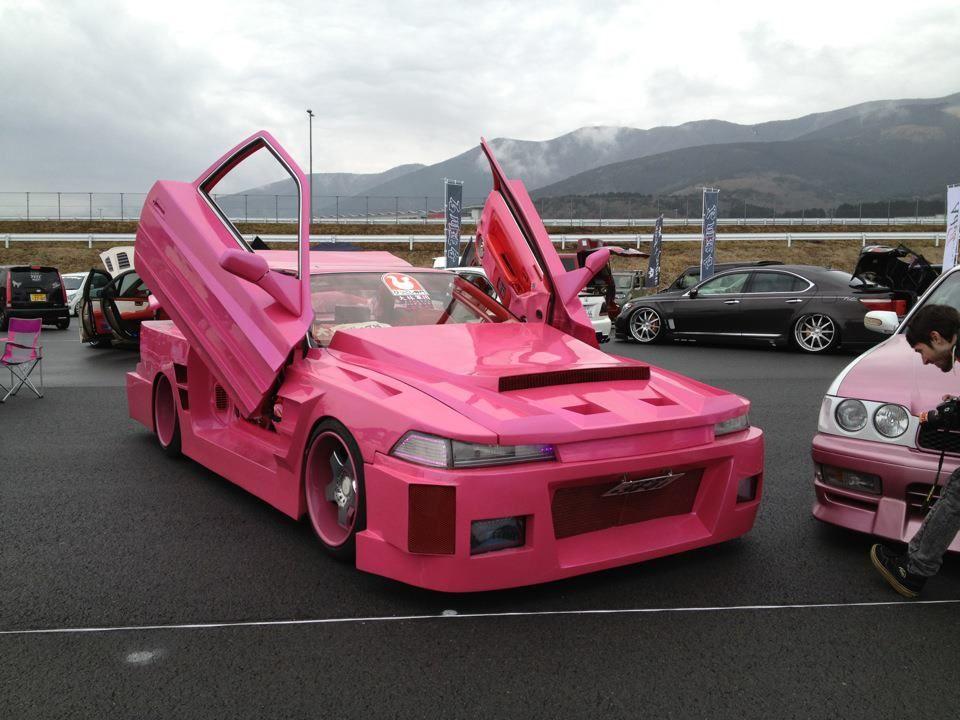
At its core, the term “Rice Car” is widely accepted as an acronym for “Race Inspired Cosmetic Enhancements” (R.I.C.E.). Initially, the term was applied disparagingly to owners of import vehicles, primarily Japanese compacts, who outfitted their cars with aggressive visual modifications that suggested high performance without providing the mechanical substance to back it up.
From Cultural Derogation to Subcultural Identity
In the 1990s and early 2000s, during the rise of the import tuner scene, the term was used to gatekeep automotive enthusiasm. It targeted vehicles equipped with oversized rear wings, non-functional hood scoops, bright neon underglow, and exhaust systems that prioritized volume over engine output.
However, branding and cultural perception are rarely static. As the aftermarket industry matured, many of these modifications became mainstream. What was once considered “riced out” by the purists of the early 2000s—such as carbon fiber accessories or specific aero kits—became staples in professional drift and time-attack circuits. This shift demonstrates a fascinating branding cycle: a modification that begins as a niche, controversial aesthetic choice often undergoes a process of legitimization through professional competition, eventually becoming an accepted design standard.
The Problem of Perceived Value
From a brand strategy perspective, the “Rice Car” label represents a misalignment between the “promise” of the product and the “delivery.” When a consumer installs a massive, drag-reduction spoiler on a front-wheel-drive sedan that never sees a track, the disconnect creates a psychological dissonance for observers. The brand identity of the car—which is built on its engineering, handling, and heritage—becomes muddled by the aftermarket additions, leading the public to associate the vehicle with “all show, no go.”
The Economics of Aesthetic Modification and Brand Perception
The automotive aftermarket industry is a multi-billion dollar sector, and the “Rice Car” phenomenon is intrinsically linked to how manufacturers position their products. The conflict between functionality and aesthetics is a constant struggle for brands that cater to enthusiasts.
Marketing to the “Look” vs. the “Performance”
Many aftermarket companies operate on the strategy of selling a “lifestyle” rather than just a mechanical part. A company that sells decorative vents or fake carbon fiber decals is not necessarily marketing to the professional racer; they are marketing to the consumer who values personal expression and social signaling.
When a brand targets the “rice” aesthetic, they are selling identity, not utility. For many young car owners, the modification is the product. The value proposition here is not lap times or horsepower; it is social currency within their specific community. Understanding this distinction is crucial for any business operating in the automotive retail space. If a brand ignores the cultural significance of these modifications, they risk alienating a massive, highly engaged demographic that values visual customization above all else.
Corporate Identity and the “Tuner” Legacy
Major manufacturers have had to contend with the “Rice Car” stigma when marketing their own compact models. Brands like Honda, Subaru, and Toyota have spent years navigating the fine line between supporting their enthusiast base and distancing themselves from the negative connotations of the “ricer” label.

By integrating performance parts directly into their corporate identity—such as Honda’s Type R branding or Toyota’s GR (Gazoo Racing) division—these companies effectively “reclaim” the aftermarket aesthetic. They provide consumers with high-quality, factory-backed modifications, thereby neutralizing the “rice” label. They transform the once-derided practice of modifying one’s car into an exercise in high-performance brand loyalty.
The Sociology of the “Rice Car” and Personal Branding
When an individual modifies their car, they are effectively managing their own personal brand. A vehicle is one of the most visible expressions of personality in the public sphere. Therefore, the decision to apply “rice” modifications is a form of brand communication.
The Psychology of Visual Signaling
Why do owners invest thousands of dollars into aesthetics that others might find laughable? The answer lies in the psychological need for differentiation. In a sea of factory-standard vehicles, a “riced out” car demands attention. It acts as a beacon for like-minded individuals within a subculture.
For the owner, the modification is not about deceiving others into thinking the car is faster than it is; it is about signaling membership. It is an act of defiance against the “normative” automotive standards dictated by major manufacturers. From a brand strategy standpoint, this is a niche community that values high-visibility, high-contrast, and highly expressive visual elements. Ignoring this audience is a strategic failure, as their enthusiasm often drives trends that eventually permeate the mainstream.
Navigating the “Cringe” Factor in Personal Branding
The most significant risk for the car enthusiast is the “cringe” factor—the point at which a personal brand becomes a target of mockery rather than admiration. This happens when the visual branding of the car (the decals, the paint, the aero) is perceived as being inauthentic.
Authenticity is the most precious commodity in both corporate and personal branding. When a car has a “Type R” badge on a standard engine, or an aggressive racing exhaust on a quiet commuter car, the community often views this as an attempt to “fake” an identity. The “Rice Car” label is essentially a social penalty for perceived inauthenticity. In the world of personal branding, the lesson is clear: if you are going to amplify your aesthetic, you must also invest in the substance that supports that visual claim.
The Future of Modification and Brand Perception
As electric vehicles (EVs) become more dominant, the definition of a “Rice Car” is already shifting. With the rise of EV tuning—which involves software flashes, aesthetic light packages, and aerodynamic tweaks—the automotive landscape is changing.
Digital Aesthetics and the Modern Tuner
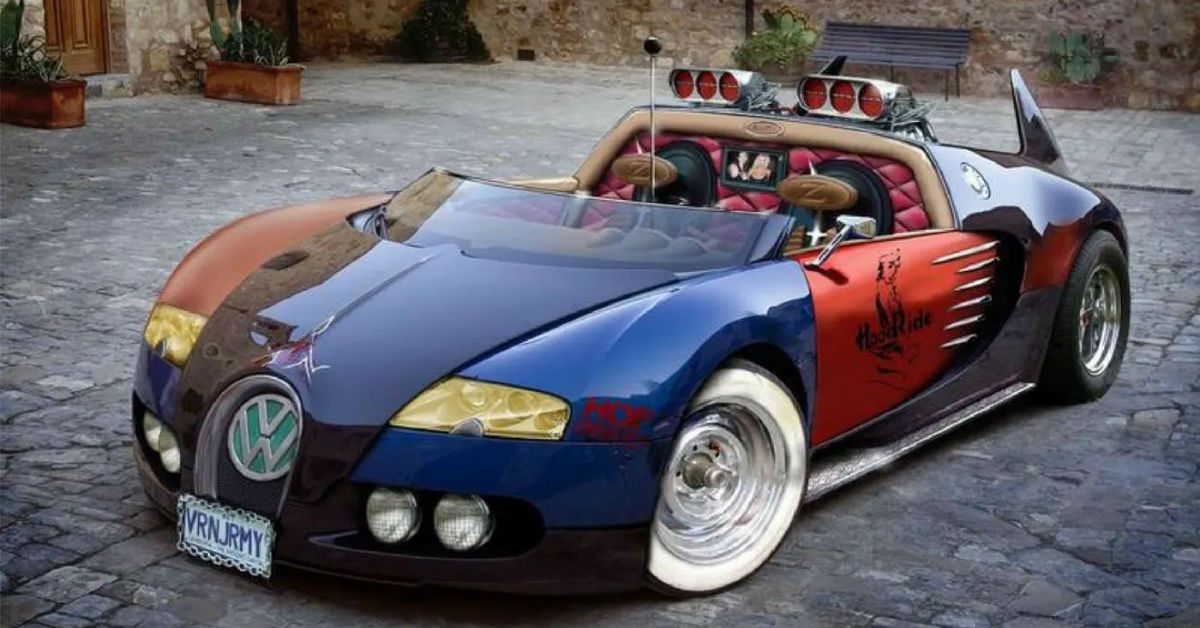
The “Rice Car” of the future may not be defined by exhaust noise or oversized wings, but by digital overlays, lighting signatures, and software-based performance profiles. The core concept remains: the tension between what a car is and what the owner wants it to be.
Brands that understand the importance of customization will thrive. By providing modular platforms—cars that are designed to be modified, whether through hardware or software—manufacturers can capture the energy of the enthusiast community. Instead of fighting the urge to customize, brands are now increasingly building it into their business model. They provide the canvas, and the consumer provides the art.
Final Thoughts on the Legacy of “Rice”
Ultimately, the term “Rice Car” serves as a historical marker for how a community defines the boundaries of its own culture. It reflects our human desire to customize, to signal, and to stand out. While the term began as a way to isolate and shame those who prioritized aesthetics, it has become a lens through which we view the evolution of automotive design and identity. Whether one views it as a blemish on the hobby or a legitimate form of creative expression, the “Rice Car” phenomenon continues to be a driving force in the aftermarket industry, proving that for many, a car is not just a mode of transportation—it is a brand, a canvas, and a testament to the power of personal vision.
aViewFromTheCave is a participant in the Amazon Services LLC Associates Program, an affiliate advertising program designed to provide a means for sites to earn advertising fees by advertising and linking to Amazon.com. Amazon, the Amazon logo, AmazonSupply, and the AmazonSupply logo are trademarks of Amazon.com, Inc. or its affiliates. As an Amazon Associate we earn affiliate commissions from qualifying purchases.