
In the complex world of personal and business finance, payroll terminology can often feel like a foreign language. One term that frequently surfaces during salary negotiations, performance reviews, or payroll audits is “retroactive pay.” For employees, it often signifies a welcome lump-sum addition to their paycheck; for employers and business owners, it represents a necessary adjustment to ensure financial compliance and fair compensation. Understanding the nuances of retroactive pay—often shortened to “retro pay”—is essential for anyone looking to manage their professional finances with precision.
Understanding the Mechanics of Retroactive Pay
At its core, retroactive pay is a compensation adjustment that covers a previous pay period. It occurs when an employee is paid at a lower rate than what they were actually entitled to for work already performed. This is distinct from regular wages, which are paid for current work, and it is also technically different from “back pay,” though the two terms are frequently used interchangeably in casual conversation.

How Retroactive Pay Differs from Back Pay
To navigate financial records accurately, one must distinguish between retroactive pay and back pay.
Back pay typically refers to wages that were never paid at all. This might happen due to a missed payroll cycle, a forgotten commission, or a legal settlement where an employee was wrongfully terminated and is later awarded the wages they would have earned. Back pay is essentially “missing” money.
Retroactive pay, conversely, refers to the difference between what an employee was paid and the amount they should have been paid due to a change in their compensation rate. The employee did receive a paycheck, but the rate applied to those hours was outdated or incorrect. For example, if a raise is negotiated in July but is made “effective” as of June 1st, the difference in pay for the month of June is issued as retroactive pay.
Common Scenarios Triggering Retroactive Adjustments
There are several financial and administrative reasons why a business might issue retroactive pay:
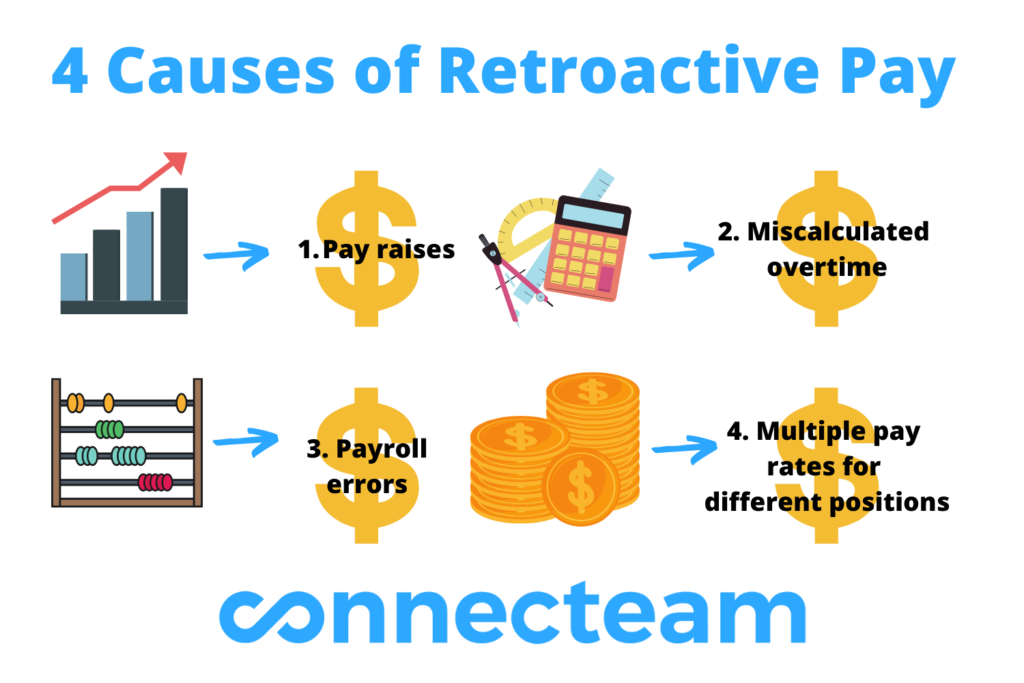
- Delayed Salary Increases: In many corporate environments, annual reviews happen several weeks or even months after the official start of the fiscal year. If an employer grants a 5% raise but the paperwork isn’t processed until two pay cycles later, the employer must provide retro pay to cover the gap between the effective date of the raise and the date it was actually implemented in the system.
- Promotion Adjustments: If an employee moves into a higher-paying role mid-month but the payroll system doesn’t reflect the new title until the next month, a retroactive adjustment is required to compensate them for the days worked in the senior position.
- Payroll Errors: Human or software errors can result in an incorrect hourly rate being applied to a pay period. Once the error is discovered, the business must correct the oversight through a retro pay disbursement.
- Collective Bargaining Agreements: In unionized environments, contract negotiations can drag on for months. Once a new contract is signed, it often includes a clause making the pay increases “retroactive” to the date the old contract expired.
- Miscalculation of Overtime: If an employee’s overtime was calculated based on an incorrect base rate (perhaps excluding a non-discretionary bonus that should have been factored in), the employer must issue retro pay to satisfy labor laws.
Calculating Retroactive Pay: A Step-by-Step Guide
For both the individual managing a personal budget and the business owner balancing the books, calculating retroactive pay accurately is vital. Errors in these calculations can lead to tax complications or even legal disputes.
Determining the Effective Date
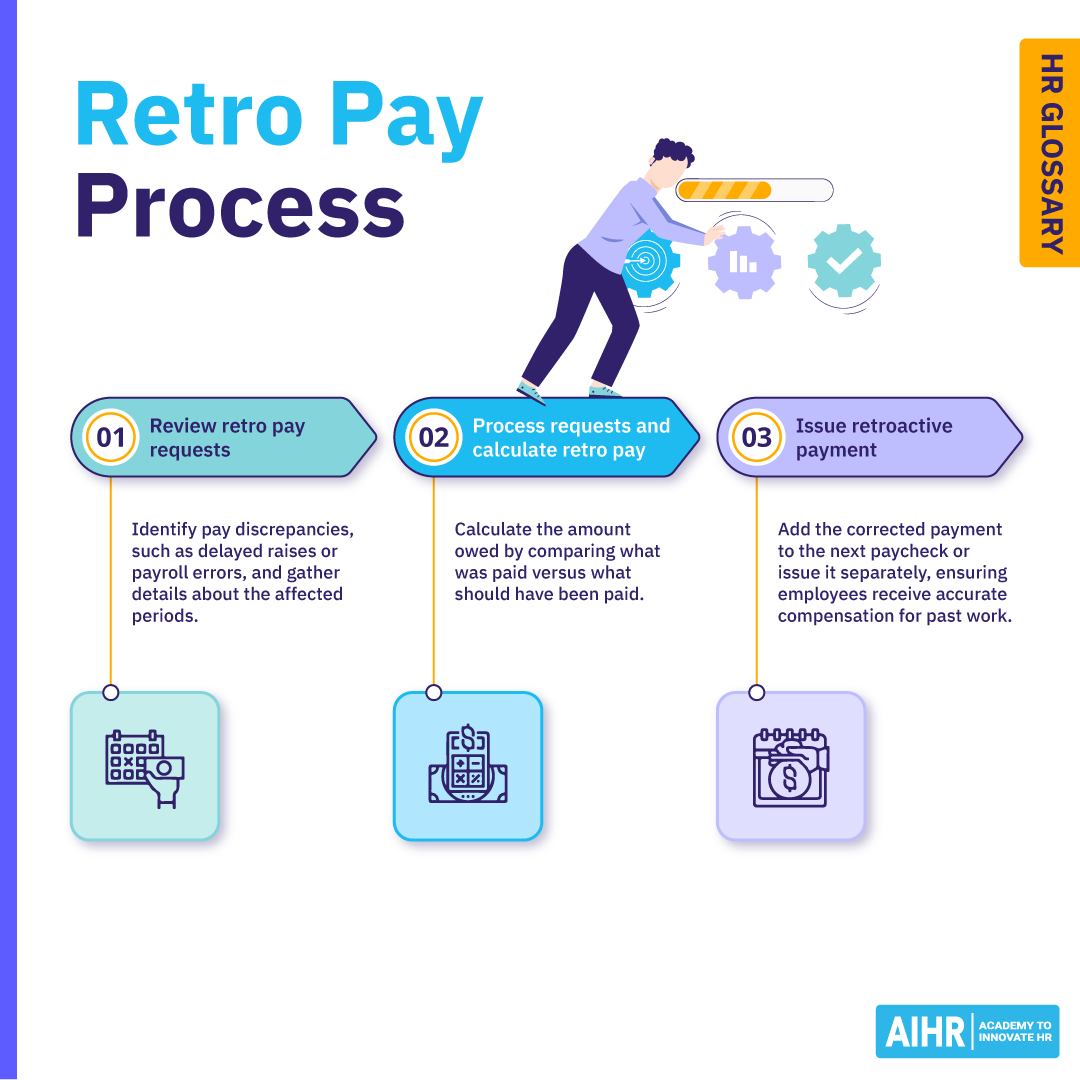
The first step in any retro pay calculation is identifying the “effective date” of the change. This is the date the new pay rate officially began. All hours worked between this effective date and the date the new rate is finally reflected in the payroll system constitute the retroactive period.
Calculating the Difference in Hourly Rates
Once the timeframe is established, you must determine the “delta”—the difference between the old rate and the new rate.
For instance, consider an employee who was earning $25 per hour. On September 1st, they were granted a raise to $30 per hour. However, the payroll department did not update the system until October 1st.
- New Rate: $30
- Old Rate: $25
- Difference: $5 per hour
If the employee worked 160 regular hours in September, the retroactive pay calculation would be:
- 160 hours x $5 = $800
Factoring in Overtime and Commissions
Calculating retro pay becomes more complex when overtime is involved. According to the Fair Labor Standards Act (FLSA), overtime must be paid at 1.5 times the “regular rate of pay.” If the base rate increases retroactively, the overtime rate must also increase retroactively.
Using the previous example, if the employee worked 10 hours of overtime in September:
- Old Overtime Rate: $25 x 1.5 = $37.50
- New Overtime Rate: $30 x 1.5 = $45.00
- Difference in Overtime Rate: $7.50 per hour
- Retroactive Overtime Pay: 10 hours x $7.50 = $75.00
Total Retroactive Pay = $800 (Regular) + $75 (Overtime) = $875.
Tax Implications and Financial Management
From a financial planning perspective, receiving a retroactive pay adjustment is not the same as receiving a standard paycheck. Because retro pay is often delivered as a lump sum, it can have unique tax implications that both employers and employees must anticipate.
The Supplemental Wage Tax Rate
The IRS often classifies retroactive pay as “supplemental wages.” These are payments made to an employee that are not regular wages, such as bonuses, commissions, and retro pay. Employers generally have two ways to withhold federal income tax on these payments:
- The Percentage Method: The employer withholds a flat 22% (the current federal rate for supplemental wages) directly from the lump sum.
- The Aggregate Method: The employer adds the retro pay to the employee’s regular wages for the current period and calculates the withholding based on the total. This can sometimes push the employee into a higher tax bracket for that specific pay period, resulting in a significantly higher percentage of the check being withheld.
For the employee, it is important to realize that while more money is being withheld upfront, any overpayment in taxes will be reconciled when they file their annual tax return.
Strategic Allocation of Lump-Sum Payments
For an individual, a retroactive pay check represents a “financial windfall.” While it is earned income, its arrival in a single sum provides a unique opportunity for strategic financial movement. Rather than absorbing the extra funds into daily discretionary spending, financial experts often suggest:
- Replenishing Emergency Funds: Using the retro pay to bolster a high-yield savings account.
- Debt Reduction: Applying the lump sum to high-interest credit card balances or principal on a loan.
- Retirement Contributions: If the payroll system allows, allocating a portion of the retro pay to a 401(k) or IRA to take advantage of tax-deferred growth.
Compliance and Legal Requirements for Business Owners
For business owners and finance managers, retroactive pay is not just a matter of employee satisfaction; it is a matter of legal compliance. Failure to properly calculate and pay retroactive wages can lead to audits from the Department of Labor or costly litigation.
Fair Labor Standards Act (FLSA) Considerations
The FLSA requires that employees be compensated fairly for all hours worked. If an employer promises a retroactive raise and then fails to pay the difference for overtime hours worked during that period, they are in violation of federal law. Precision in record-keeping is the best defense against compliance issues. Employers should maintain clear documentation regarding:
- The date the pay change was approved.
- The effective date of the change.
- The specific pay periods covered by the retroactive adjustment.
- The breakdown of regular vs. overtime hours within that period.
Record-Keeping Best Practices
In the era of digital accounting, most modern payroll software can automate retroactive pay calculations. However, manual oversight is still necessary. Finance teams should perform a “look-back” audit whenever a significant salary change is implemented to ensure the system has captured the transition correctly. Transparency is also key; providing employees with a detailed breakdown of how their retroactive pay was calculated builds trust and reduces the likelihood of payroll inquiries or disputes.
Impact on Benefits and Contributions
Business owners must also remember that retroactive pay affects more than just the net check. It can impact:
- Retirement Matching: If an employer matches 5% of an employee’s salary, they must also match 5% of the retroactive pay.
- Life Insurance Premiums: If premiums are based on a percentage of annual earnings, these may need to be adjusted.
- Payroll Taxes: Social Security and Medicare taxes (FICA) must be paid on the retroactive amount by both the employer and the employee.
Conclusion
Retroactive pay is a vital financial mechanism that ensures the integrity of the employer-employee contract. While it may seem like a simple administrative adjustment, its implications stretch across tax strategy, legal compliance, and personal wealth management. For the employee, it is a correction of past earnings that can be leveraged for future financial stability. For the employer, it is a commitment to fair and accurate compensation practices. By understanding how to calculate, tax, and manage these payments, both parties can navigate the complexities of the modern financial landscape with confidence and clarity.
aViewFromTheCave is a participant in the Amazon Services LLC Associates Program, an affiliate advertising program designed to provide a means for sites to earn advertising fees by advertising and linking to Amazon.com. Amazon, the Amazon logo, AmazonSupply, and the AmazonSupply logo are trademarks of Amazon.com, Inc. or its affiliates. As an Amazon Associate we earn affiliate commissions from qualifying purchases.