
In the contemporary landscape of high-end retail and lifestyle marketing, the term “resort casual” has transcended its origins as a simple dress code for country clubs and cruise ships. Today, it represents a powerhouse brand category, a specific psychological positioning strategy, and a multibillion-dollar segment of the fashion and hospitality industries. For brand strategists and corporate identity experts, understanding what resort casual means is not about choosing between a polo shirt or a linen button-down; it is about understanding how to market an aspirational lifestyle that balances approachable comfort with elite exclusivity.

This article explores the “resort casual” phenomenon through the lens of brand strategy, examining how companies build identity around this aesthetic to command premium pricing and foster lifelong customer loyalty.
1. Defining the Resort Casual Brand Identity: The Intersection of Comfort and Prestige
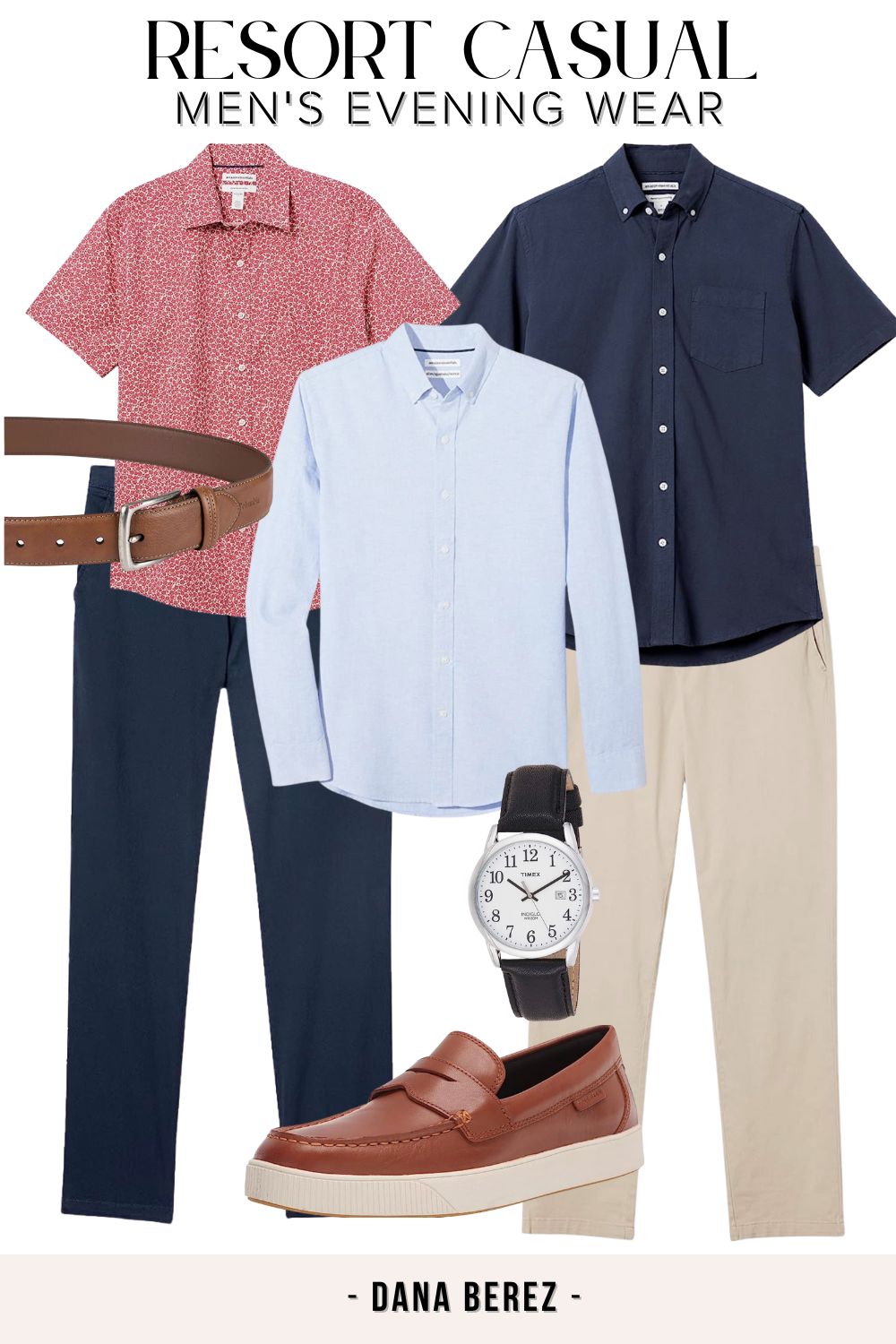
From a brand strategy perspective, “resort casual” is a masterclass in hybrid positioning. It occupies the “Goldilocks zone” of the luxury market—refined enough to signal wealth and status, yet relaxed enough to suggest that the wearer is “off the clock” and in a state of leisure.
The Evolution of the “Vacation” Aesthetic
Historically, luxury was synonymous with formality. The more “branded” or structured a garment was, the more it signaled status. However, as modern wealth shifted toward the tech sector and creative industries, the definition of prestige evolved. Resort casual emerged as the visual language of this new elite. It suggests a lifestyle where one has the financial freedom to be perpetually on holiday.
For a brand to successfully occupy this space, its identity must communicate “effortless elegance.” This is a difficult needle to thread. If the brand is too casual, it loses its premium pricing power (becoming mere “athleisure”). If it is too formal, it loses the “resort” element of relaxation. Successful brands in this niche build their identity on high-quality fabrics—silk blends, pima cotton, and European linen—that feel expensive to the touch but look relaxed on the body.
The Psychology of “Quiet Luxury” in Branding
Resort casual is often the gateway to “Quiet Luxury.” Unlike logo-heavy streetwear brands, resort casual brands rely on silhouette, texture, and a specific color palette (neutrals, pastels, and earth tones) to communicate value. The brand strategy here is one of “insider knowledge.” The consumer isn’t buying a logo to show off to the masses; they are buying a specific aesthetic to signal their membership in an exclusive, high-net-worth community that values understated quality over loud displays of wealth.
2. Marketing the Aspiration: The Lifestyle Brand Approach
When we ask what resort casual means in a marketing context, the answer is “lifestyle storytelling.” People do not buy resort casual clothing because they need a shirt; they buy it because they want to feel the way the person in the lookbook feels.
Storytelling Through Visual Imagery
The marketing strategy for resort casual brands relies heavily on environmental context. You will rarely see these products photographed against a plain white studio background. Instead, the brand identity is forged through association with specific locales: the French Riviera, the Amalfi Coast, or the Hamptons.
By placing the product in a high-value setting, the brand absorbs the equity of that location. The photography style is usually candid and sun-drenched, emphasizing movement and ease. This creates a psychological link between the product and the emotional state of being on vacation—stress-free, affluent, and pampered. For a brand, this emotional connection is the ultimate moat against competitors.
Leveraging the Digital Nomad and Travel Influencer Economy
In the age of social media, resort casual has found a new life through “destination marketing.” Brands now partner with influencers who embody the “luxury travel” persona. This is a strategic shift from traditional celebrity endorsements to “lifestyle curation.”
When an influencer posts a photo in a resort casual outfit while overlooking a private villa in Bali, they are performing a live demonstration of the brand’s value proposition. They are showing that the brand is the “uniform” for a specific type of modern, global success. This form of marketing is highly effective because it blurs the line between an advertisement and a personal recommendation, making the “resort casual” identity feel attainable yet aspirational.

3. Case Studies in Resort Casual Branding: Strategies for Success
To understand how to execute a resort casual strategy, we can look at brands that have successfully turned a dress code into a global corporate identity.
Tommy Bahama: The Pioneer of the “Island Life” Strategy
Tommy Bahama is perhaps the most famous example of a brand that owns a specific niche of resort casual. Their strategy was never just about tropical shirts; it was about “The Island Life.” From the beginning, they integrated hospitality into their brand identity, opening restaurants and bars alongside their retail stores.
By doing this, they transformed their brand from a clothing line into a 360-degree sensory experience. When a customer enters a Tommy Bahama store, they smell a specific scent, hear specific music, and see a specific aesthetic. This “experiential branding” allows them to maintain a loyal customer base that views the brand as an extension of their personality and leisure time.
Loro Piana and the “Summer Walk” Phenomenon
On the higher end of the spectrum, Loro Piana has mastered the resort casual niche through its focus on rare materials and “Quiet Luxury.” Their “Summer Walk” loafers have become a cult item among the global elite.
Loro Piana’s brand strategy is centered on “material excellence.” They don’t market through flashy ads; they market through the heritage of their mills and the exclusivity of their sourcing. By positioning themselves as the ultimate providers of “casual” luxury for the ultra-wealthy, they have created a brand where the absence of a visible logo is actually its strongest branding element.
4. Implementing Resort Casual Principles in Modern Corporate Identity
The principles of resort casual branding are increasingly being adopted by companies outside of the fashion industry. From boutique hotels to software-as-a-service (SaaS) platforms, the “resort casual” ethos of approachable luxury is a winning strategy for modern businesses.
The Shift Toward Soft Corporate Branding
In the corporate world, the traditional “suit and tie” identity is being replaced by a “soft corporate” aesthetic. This is essentially the resort casualization of business. Tech giants and venture capital firms have adopted a brand voice that is friendly, conversational, and relaxed, yet underpinned by immense power and resources.
This strategy makes a brand feel more human and accessible. By stripping away the stiff formalities of traditional corporate identity, brands can build more authentic relationships with their customers. However, the “resort casual” rule still applies: the brand must remain polished. If a corporate identity becomes too casual, it risks looking unprofessional or “cheap.” The key is to maintain a high level of design rigor and quality control while adopting a more relaxed tone of voice.
Balancing Relatability with Exclusivity
The ultimate goal of a resort casual brand strategy is to find the perfect balance between being relatable and being exclusive. A brand needs to feel like it is “for people like us” (relatability) while also being “something to strive for” (exclusivity).
To achieve this, brands often use a “tiered” strategy. They might offer accessible entry-level products (like branded caps or t-shirts) while maintaining a core collection of high-ticket items that define the brand’s luxury status. This allows the brand to scale its revenue while protecting its high-end positioning.
Conclusion: The Future of Resort Casual as a Global Brand Standard
What does resort casual mean in the 2020s and beyond? It means the total integration of leisure into our professional and personal identities. As the boundaries between work and play continue to blur, the “resort casual” aesthetic will only grow in importance.
For brand strategists, the lesson is clear: luxury is no longer about being the most formal person in the room; it is about being the most comfortable. By leveraging the principles of high-quality materials, aspirational storytelling, and understated elegance, brands can tap into a consumer desire for a life that feels like a perpetual, high-end vacation. Resort casual isn’t just a way to dress—it is a strategic framework for building a brand that resonates with the values of the modern, affluent consumer.
aViewFromTheCave is a participant in the Amazon Services LLC Associates Program, an affiliate advertising program designed to provide a means for sites to earn advertising fees by advertising and linking to Amazon.com. Amazon, the Amazon logo, AmazonSupply, and the AmazonSupply logo are trademarks of Amazon.com, Inc. or its affiliates. As an Amazon Associate we earn affiliate commissions from qualifying purchases.