
In the ecosystem of modern enterprise software, project management tools, and IT service management (ITSM) platforms, the terminology can often feel like a specialized dialect. Among the most frequently used yet occasionally misunderstood terms is “requestor.” While it might seem self-explanatory, the role of the requestor is pivotal to the functional architecture of business applications, workflow automation, and digital collaboration tools. Understanding this role is essential for anyone looking to master the software that powers today’s digital workforce.
Defining the Requestor in a Digital Workflow
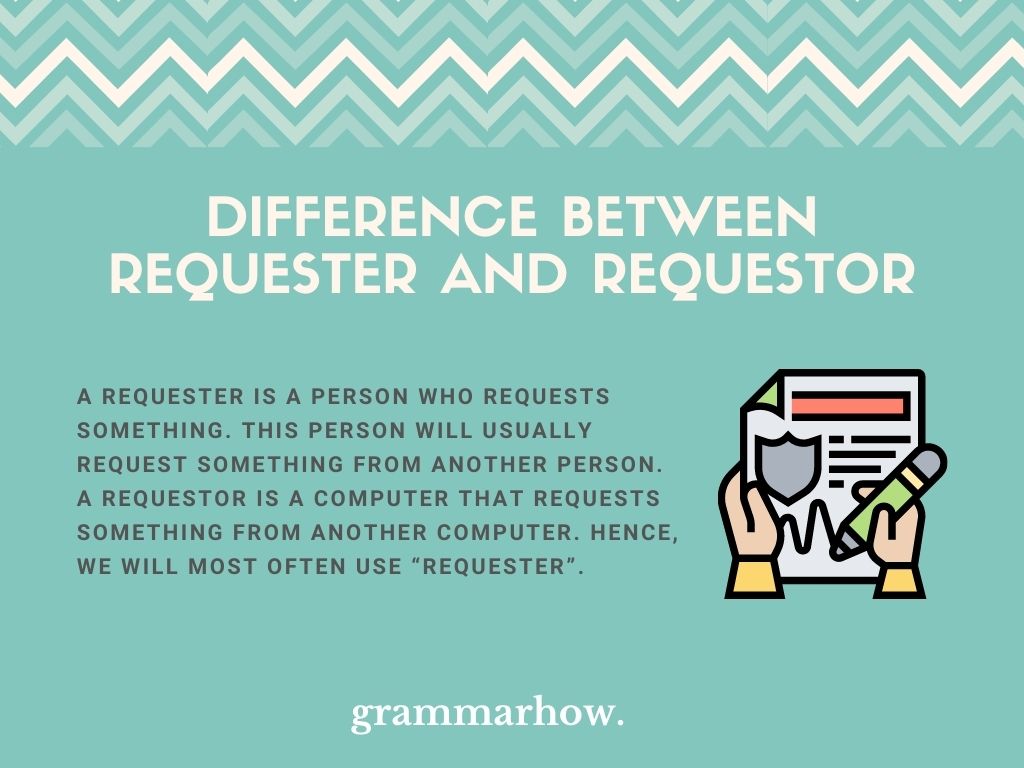
At its core, a requestor is the individual, system, or entity that initiates a formal demand for a service, resource, or piece of information within a structured environment. Whether you are using a help desk ticketing system, an enterprise resource planning (ERP) platform, or a collaborative project management tool like Jira or Asana, the requestor represents the “source” of the transaction.
The Lifecycle of a Request
The lifecycle of a request begins the moment a requestor inputs data into an interface. This could be a technical support ticket, a procurement requisition, or a feature request for a software development team. Once submitted, the requestor shifts from being an active participant to a stakeholder waiting for fulfillment. The platform then routes this input through a predefined workflow—assigning it to an agent, manager, or automated bot—based on the requestor’s initial parameters.
Distinguishing the Requestor from the User
While the terms are often used interchangeably, there is a nuance in high-level software architecture. A “user” is generally defined by their permissions and access levels within a system. A “requestor,” however, is a functional role. A high-level system administrator might be a “user” of a ticketing system, but when they submit a ticket to the IT department for a hardware upgrade, they are operating as a “requestor.” Recognizing this distinction helps organizations better map their internal processes and automate responses based on the specific intent of the user.
The Role of the Requestor in IT Service Management (ITSM)
In the context of ITIL (Information Technology Infrastructure Library) and professional ITSM, the requestor is the fundamental unit of demand. When an employee experiences a technical glitch or requires a new software license, they are the requestor. The effectiveness of an IT department is often measured by how efficiently it processes requests from these individuals.
Standardizing the Input Process
To maintain operational efficiency, organizations provide requestors with templates—often called request forms. These forms act as a constraint mechanism. By forcing the requestor to fill out specific fields, the software ensures that the “responder” or “assignee” has enough information to resolve the issue without back-and-forth communication. If the requestor provides incomplete information, the system may automatically flag the request as “insufficient,” forcing the requestor to refine their submission.
Managing Expectations and SLAs
Service Level Agreements (SLAs) are the promises made by a service provider regarding response and resolution times. The requestor is the primary beneficiary of these agreements. In modern ITSM tools, the requestor is typically granted a portal where they can monitor the status of their ticket. This transparency reduces the administrative burden on support staff, as the requestor can track progress in real-time, effectively reducing “status-check” inquiries.
Technical Implications: Permissions, Routing, and Automation

From a software development and database administration perspective, the “requestor” object carries specific attributes that determine how a system behaves. Understanding how these systems handle requestors is critical for configuring complex enterprise software.
Metadata and Identity Management
When a requestor creates a ticket or a document, the software logs a wealth of metadata. This includes the requestor’s user ID, department, location, and historical request volume. Advanced platforms use this metadata for intelligent routing. For instance, if the requestor is based in a European office, the system might automatically route the request to the regional support team in that time zone.
Automation and Requestor Segmentation
Automation rules are often triggered based on the status or identity of the requestor. For example, a “VIP requestor”—such as a high-level executive—might trigger an automated escalation path that bypasses standard queueing. Furthermore, in self-service portals, the software might present different options to the requestor based on their profile. An engineer might see a different set of request categories than a member of the marketing department. This personalization ensures that the requestor path is as frictionless as possible.
The Requestor-Assignee Dynamic
The relationship between the requestor and the assignee (the person or system fulfilling the request) is the heartbeat of a ticketing system. In modern SaaS tools, the interface is designed to facilitate seamless communication between these two parties. When a requestor receives a notification that their request has been updated, they can often reply directly via email, and the platform will parse that text, update the ticket, and notify the assignee. This creates a closed-loop system where the requestor remains informed without needing to navigate complex interfaces.
Best Practices for Organizations Using Requestor-Based Workflows
If your organization relies heavily on internal or external request flows, optimizing the experience for the requestor is a strategic move that enhances productivity.
Simplifying the Requestor Interface
The primary reason for “ticket bloat” is a complex interface. If the form required to submit a request is too long or confusing, users will find workarounds, often resorting to emails or direct messages, which bypasses tracking and data collection. By keeping the requestor interface intuitive and utilizing conditional logic—where fields appear only when they are relevant—you ensure better data quality and a higher satisfaction rate for the end-user.
Providing Feedback Loops
One of the most important aspects of the requestor experience is the “Close-the-Loop” mechanism. Once a task is marked as fulfilled, the system should prompt the requestor to provide feedback or confirm resolution. This not only verifies that the requestor’s needs have been met but also provides the organization with valuable performance data. Did the support agent solve the problem? Was the software license delivered on time? The requestor’s confirmation is the ultimate validation of the process’s success.
Training and Digital Literacy
Even with the most user-friendly interface, training remains vital. Employees must understand that the “requestor” role is an active one. They need to know how to provide clear descriptions, attach relevant logs or screenshots, and prioritize their own needs appropriately. When an organization treats the requestor as a partner in the workflow—rather than just a consumer of services—the entire IT ecosystem becomes more collaborative and less siloed.

Conclusion
The requestor is more than just a label in a database; they are the catalyst for almost every operational process in a modern business. Whether you are defining user roles in an AI-powered project management app or configuring complex ITSM workflows, the way you treat the requestor determines the speed, accuracy, and overall success of your internal and external operations.
By prioritizing the requestor’s journey, organizations can reduce bottlenecks, improve data integrity, and foster a culture of transparency. As software continues to evolve toward more autonomous and intelligent systems, the requestor will remain the human (or systemic) core around which all productivity is built. Understanding this role—and optimizing the tools that support it—is a foundational skill for navigating the complex technological landscape of the future.
aViewFromTheCave is a participant in the Amazon Services LLC Associates Program, an affiliate advertising program designed to provide a means for sites to earn advertising fees by advertising and linking to Amazon.com. Amazon, the Amazon logo, AmazonSupply, and the AmazonSupply logo are trademarks of Amazon.com, Inc. or its affiliates. As an Amazon Associate we earn affiliate commissions from qualifying purchases.