
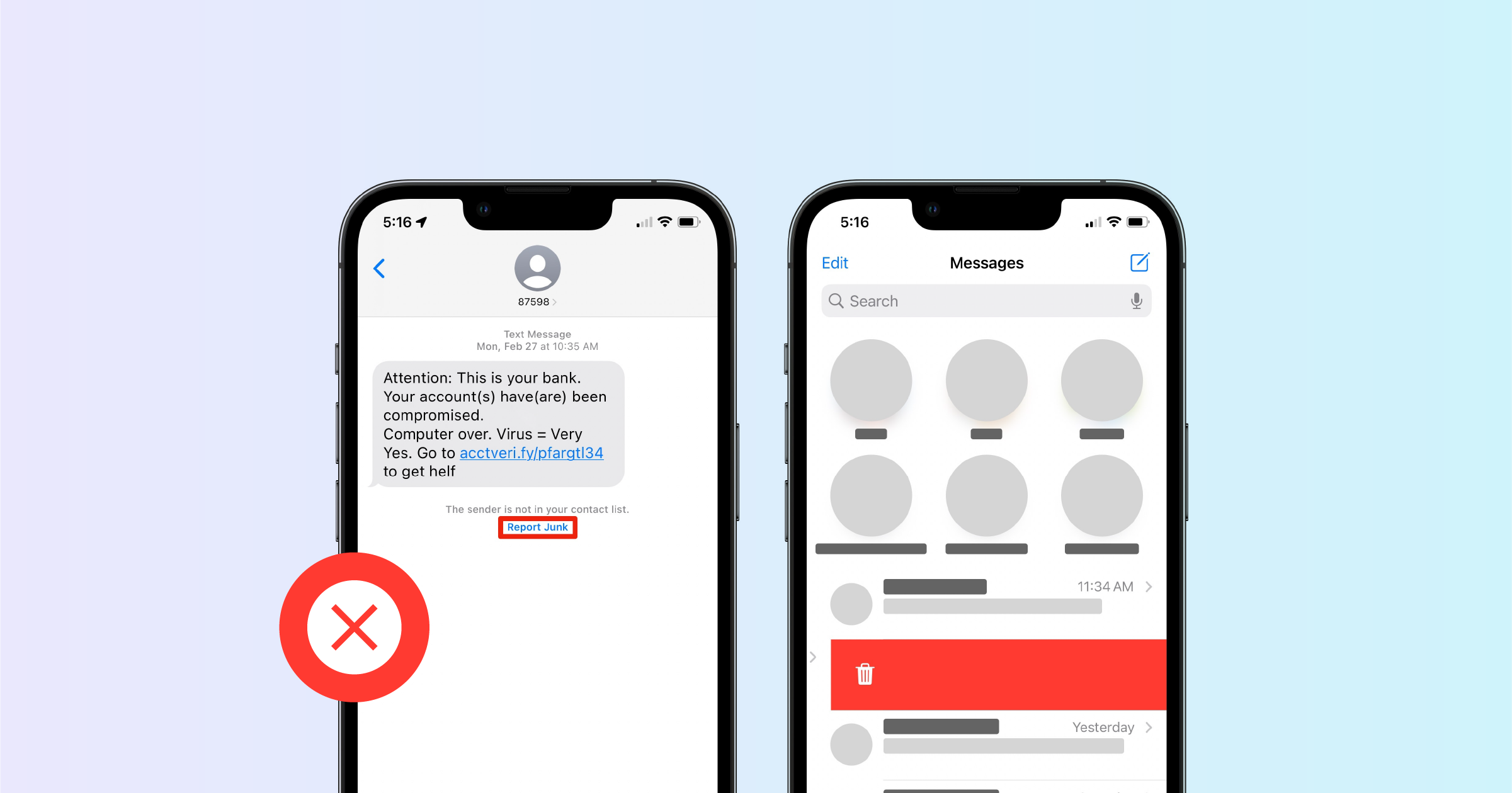
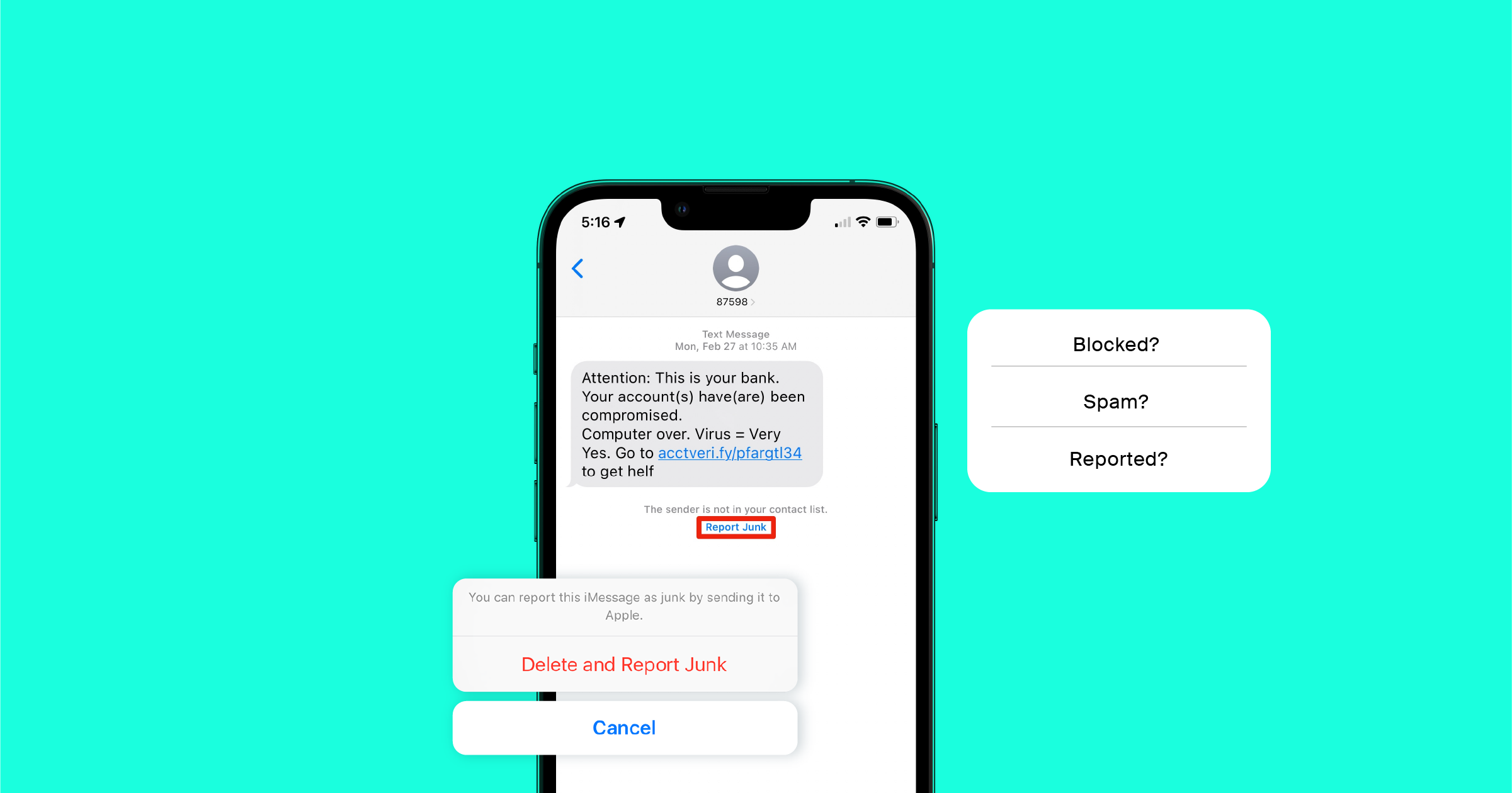
In an increasingly interconnected digital landscape, the simple act of “reporting junk”—whether it’s spam email, a malicious link, an inappropriate social media post, or irrelevant search results—is far more impactful than many users realize. It’s not merely about clearing your personal inbox or feed; it’s a critical, often overlooked, contribution to the collective health and security of the internet. This seemingly small user action fuels the sophisticated machinery that protects billions, refines algorithms, and helps build a more reliable digital ecosystem for everyone.
The Digital Immune System: Why Your Reports Matter
Reporting unwanted content serves as a vital feedback mechanism, acting much like an immune system for our digital platforms. Every report contributes to a vast dataset that trains and informs the intricate defense systems designed to identify, quarantine, and eliminate threats or unwanted noise.

Strengthening Machine Learning Models
At the core of modern content filtering and security systems are advanced machine learning (ML) algorithms. These systems continuously learn from new data, distinguishing between legitimate and illegitimate content with increasing accuracy. When you report an email as spam, flag a comment as inappropriate, or mark an ad as irrelevant, you’re directly providing a “labeled” data point.
- Positive Reinforcement: Your report tells the ML model, “This specific item, with these characteristics, is junk.” This positive reinforcement helps the model refine its pattern recognition. It learns to associate certain sender behaviors, linguistic patterns, URL structures, image characteristics, or metadata with unwanted content.
- Adaptive Defense: As malicious actors evolve their tactics, ML models must adapt. User reports provide real-time intelligence on new phishing techniques, emerging malware distribution methods, or novel spamming strategies. Without this continuous feedback, filters would quickly become outdated and ineffective against sophisticated, polymorphic threats.
- Reducing False Positives/Negatives: Beyond just catching new junk, reports also help calibrate the models to reduce errors. A legitimate email mistakenly sent to spam might be reported by a user as “not spam,” helping the system learn to differentiate more accurately, ensuring important communications aren’t lost while still filtering out genuine threats.
Protecting Individual Users
While the algorithmic impact is broad, reporting junk also has immediate, tangible benefits for individual users and their direct connections.
- Personalized Filtering: Many platforms use your reporting habits to tailor your personal content filters. If you frequently report specific types of content, the system learns your preferences and becomes more effective at pre-emptively filtering similar items out of your view in the future.
- Preventing Further Harm: Reporting a phishing attempt or a malicious link isn’t just about protecting yourself; it’s about alerting the platform to a potential threat that could harm others. Once identified, the platform can take action to block the sender, blacklist the URL, or issue warnings to other users who might encounter the same threat. This collective vigilance creates a safer environment for everyone.
- Restoring Trust: In environments like e-commerce or social platforms, reporting fraudulent activity or misleading information helps to maintain the integrity of the platform. This, in turn, helps to restore and uphold user trust, which is crucial for sustained engagement and interaction.
Beyond the Inbox: Reporting Across Digital Ecosystems
The concept of “reporting junk” extends far beyond just email spam. It’s an integral function across virtually every digital platform we interact with daily, each with its own specific implications.
Social Media and Platform Integrity
On social media platforms, “reporting junk” encompasses a wide array of content:
- Hate Speech and Harassment: User reports are often the first line of defense against harmful content that violates community guidelines. Prompt reporting allows platforms to review and remove such content, protecting vulnerable users and fostering a more respectful online environment.
- Misinformation and Disinformation: Especially concerning during critical events (e.g., elections, public health crises), user flags on false or misleading information help platforms identify and label, downrank, or remove such content, curbing its spread and promoting factual accuracy.
- Impersonation and Scams: Reports of fake profiles, impersonation accounts, or scam advertisements enable platforms to take action, safeguarding users from financial fraud and identity theft. These reports help prevent the erosion of trust that genuine users have in the platform and each other.
Combating Malware and Phishing
The internet is a constant battleground against malicious software and deceptive practices. Your reports are a weapon in this fight:
- Early Threat Detection: Reporting a suspicious download, an unusual pop-up, or a phishing email provides security vendors and platform providers with early intelligence on new attack vectors. This allows them to update their signature databases, firewall rules, and security protocols quickly, often before widespread outbreaks occur.
- URL Blacklisting: When you report a malicious link, it often gets added to global blacklists maintained by security firms and browser vendors. This means that if another user encounters the same link, their browser or security software can warn them or block access automatically, preventing potential infection or data compromise.
- Curbing Command & Control: By identifying and reporting systems involved in botnets or other command-and-control infrastructures, users can inadvertently help security researchers and law enforcement dismantle the operational core of cybercriminal enterprises.
Improving Search and Content Relevance
Even in the realm of information retrieval, reporting plays a role in refining our digital experience.
- Search Engine Quality: While less direct, reporting low-quality, spammy, or irrelevant search results through feedback mechanisms contributes to the ongoing refinement of search algorithms. This helps search engines prioritize authoritative, useful content and demote manipulative SEO tactics, ensuring users find what they’re actually looking for.
- Personalized Recommendations: On platforms that offer content recommendations (e.g., streaming services, news aggregators), marking content as “not interested” or reporting inaccuracies helps the algorithm better understand your preferences and curate more relevant suggestions for you, and indirectly for others with similar profiles.
The Technical Journey of a “Junk” Report
Understanding the backend process reveals just how a seemingly simple click translates into significant technical action.
From User Action to System Analysis
When you click “report junk” or a similar button, a complex workflow is initiated:
- Data Collection: The system captures not just the reported item itself, but also associated metadata: sender information, message headers, URLs, IP addresses, content characteristics (e.g., specific keywords, image hashes), and even your user ID.
- Initial Triage: This data is immediately fed into an automated analysis pipeline. Advanced algorithms check it against known threat intelligence databases, spam signatures, reputation scores of senders/domains, and behavioral patterns.
- Aggregation and Pattern Recognition: Individual reports are aggregated with reports from millions of other users. This massive dataset allows ML models to identify broader patterns, trends, and new attack campaigns that might not be evident from a single report. For instance, if thousands of users report emails from the same IP address containing similar links, it quickly flags a widespread campaign.
- Human Review (for complex cases): While much is automated, certain categories of reports (e.g., serious policy violations on social media, complex phishing attempts) are often escalated for human review. Content moderators or security analysts use the gathered data to make nuanced judgments, which in turn feed back into the training of the automated systems.
Collaborative Defense and Threat Intelligence
The impact of reporting junk extends beyond individual platforms, often contributing to a broader ecosystem of digital defense.
- Shared Threat Intelligence: Many major tech companies and security vendors share anonymized threat intelligence derived from user reports. This collaborative approach means that a new phishing scam identified by one email provider might quickly be added to the blocklists of dozens of other email services and internet browsers globally.
- Industry Standards and Best Practices: The aggregate data from user reports informs the development of industry standards for spam filtering, email authentication protocols (like DMARC, DKIM, SPF), and secure web practices, leading to a stronger overall internet infrastructure.
The Long-Term Impact: A Cleaner, Safer Digital World
The cumulative effect of individual reporting acts is profound, contributing to a more robust, trustworthy, and efficient digital environment for everyone.
Enhancing User Experience and Trust
A digital world plagued by spam, scams, and irrelevant content is frustrating and inefficient. Every successful report contributes to:
- Reduced Noise: Less spam in your inbox, fewer irrelevant ads, and cleaner search results mean you can focus on what truly matters.
- Increased Productivity: Less time spent sifting through unwanted content translates directly into more productive online interactions.
- Stronger Trust: When platforms effectively manage unwanted content and protect users from harm, it builds confidence in digital services, encouraging broader adoption and innovation.
Deterring Malicious Actors
While eliminating all bad actors is an ongoing challenge, robust reporting and filtering systems significantly raise the cost and reduce the efficacy of their operations:
- Lower ROI for Scammers: If a high percentage of their malicious emails or posts are blocked or removed due to user reports, the return on investment for their efforts diminishes, making such activities less attractive.
- Increased Detection Risk: Every reported piece of junk increases the digital footprint of the perpetrator, making them easier to track, block, and potentially even prosecute.
Shaping Future Digital Policy
The aggregated data from user reports also provides invaluable insights for policymakers and regulators. Understanding the scope and nature of digital threats, misinformation, and harassment—driven by real-world user experiences—helps in crafting effective legislation and guidelines that promote online safety, privacy, and accountability.
In essence, reporting junk is not just a personal convenience; it’s a critical, collective civic duty in the digital age. Each click to report is a vote for a safer, cleaner, and more reliable internet, directly contributing to the sophisticated technical mechanisms that defend our digital lives.
aViewFromTheCave is a participant in the Amazon Services LLC Associates Program, an affiliate advertising program designed to provide a means for sites to earn advertising fees by advertising and linking to Amazon.com. Amazon, the Amazon logo, AmazonSupply, and the AmazonSupply logo are trademarks of Amazon.com, Inc. or its affiliates. As an Amazon Associate we earn affiliate commissions from qualifying purchases.