
When managing a personal portfolio, many individuals focus heavily on wealth accumulation—stocks, high-yield savings accounts, and retirement contributions—while neglecting the essential pillar of wealth preservation. Renters insurance, particularly through a legacy provider like State Farm, represents one of the most cost-effective risk management tools available in the modern financial landscape. For a monthly premium that often costs less than a single takeout meal, policyholders can shield themselves from catastrophic financial losses that could otherwise derail their long-term economic goals.
Understanding the nuances of what State Farm renters insurance covers is not just about reading a policy document; it is about integrating asset protection into your broader financial strategy. This guide explores the specific coverages offered, the financial implications of those protections, and how to optimize a policy to safeguard your net worth.

The Role of Renters Insurance in Modern Personal Finance
In the context of personal finance, insurance is the primary mechanism for transferring risk. Without a renters insurance policy, an individual is “self-insuring,” meaning they are personally liable for the replacement of all their possessions and any legal damages they may cause. For most renters, this is a mathematically unsound position.
Why Renters Often Neglect Risk Management
A common financial fallacy among tenants is the belief that their landlord’s insurance covers their personal belongings. In reality, a landlord’s policy typically only covers the physical structure of the building. This leaves the renter’s internal assets—electronics, furniture, clothing, and even high-value collectibles—completely exposed. From a money management perspective, failing to insure these items creates a massive “unhedged” liability. State Farm’s entry-level policies are designed to close this gap, ensuring that a localized disaster doesn’t result in a total loss of personal capital.
The Cost-Benefit Analysis of State Farm Policies
From a budgetary standpoint, State Farm renters insurance is remarkably efficient. With average premiums ranging from $12 to $25 per month depending on location and coverage limits, the Return on Investment (ROI) during a claim scenario is staggering. For example, if a kitchen fire destroys $20,000 worth of property, a policyholder who has paid $180 in annual premiums receives a 11,000% “return” on their investment in the form of a claim payout. This allows the individual to keep their emergency fund and investment accounts untouched, preserving their compound interest trajectory.
Core Coverage Components: What State Farm Actually Protects
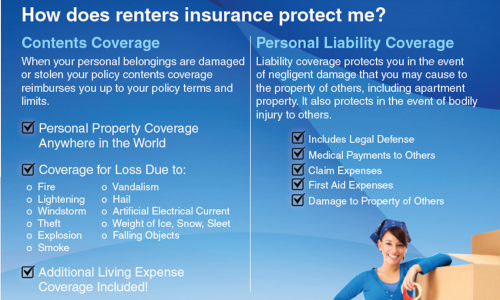
State Farm’s renters insurance is structured around three primary financial protections. Understanding these categories is essential for determining how much coverage you need to fully protect your lifestyle and balance sheet.
Personal Property Coverage: Beyond Just Furniture
The most visible aspect of a State Farm policy is personal property coverage. This covers the cost to repair or replace your belongings if they are damaged, destroyed, or stolen due to “covered perils.” These perils typically include fire, lightning, windstorms, hail, explosions, riots, aircraft/vehicle damage, smoke, vandalism, and theft.
Crucially for those focused on financial mobility, State Farm’s property coverage often extends beyond the walls of your apartment. If your laptop is stolen from your car while you are traveling, or if your luggage is lost during a business trip, your renters insurance can often reimburse you for those losses. This “off-premises” coverage makes it a vital tool for digital nomads and frequent travelers who carry significant capital in the form of hardware and gear.
Liability Protection: Shielding Your Future Earnings
While property coverage protects what you have, liability protection protects what you will earn. This is arguably the most critical component of a State Farm policy from a wealth-preservation standpoint. If a guest trips in your apartment and sues you, or if you accidentally cause damage to someone else’s property, your liability coverage pays for legal defense fees and any settlements or judgments up to your policy limit.
Without this protection, a single legal judgment could lead to wage garnishment or the liquidation of your brokerage accounts. State Farm typically offers liability limits starting at $100,000, but savvy financial planners often increase this to $300,000 or $500,000 for a negligible increase in monthly premium, providing a robust shield against litigation-induced bankruptcy.
Additional Living Expenses (ALE): Financial Continuity During Displacement
If a covered peril, such as a fire, renders your rental uninhabitable, the financial burden of finding temporary housing can be immense. State Farm’s “Loss of Use” or Additional Living Expenses (ALE) coverage handles the increase in your living costs during this period. This includes hotel bills, restaurant meals that exceed your normal grocery budget, and even moving costs.

By covering these immediate, high-cost liquid needs, ALE coverage ensures that a housing crisis does not force you to take on high-interest credit card debt or payday loans. It maintains your financial equilibrium during a period of high stress.
Specialized Clauses and Financial Add-ons
Not all assets are created equal, and a standard policy may have limitations that require a more sophisticated financial approach. State Farm provides several options to tailor coverage to a specific financial profile.
Inflation Guards and Replacement Cost vs. Actual Cash Value
One of the most important financial decisions when setting up a State Farm policy is choosing between “Actual Cash Value” (ACV) and “Replacement Cost” coverage. ACV pays out the depreciated value of your items—meaning a five-year-old laptop might only net you $200. Replacement Cost coverage, however, pays what it actually costs to buy a new, similar item at today’s prices.
While Replacement Cost coverage has a slightly higher premium, it is the superior financial choice. It prevents “wealth erosion” caused by depreciation, ensuring that your standard of living remains constant even after a total loss.
Protecting High-Value Assets and Identity Restoration
For individuals with significant investments in jewelry, fine art, or professional-grade musical instruments, standard policy limits may be insufficient. State Farm allows for “scheduling” personal property—essentially adding an endorsement for specific high-value items based on appraised value.
Furthermore, in the digital age, identity theft is a major financial risk. State Farm offers Identity Restoration coverage as an add-on. This doesn’t just monitor your credit; it provides a case manager to help you recover your financial identity and covers lost wages or legal fees incurred during the process. For any professional, the time saved by this service is a direct preservation of “human capital” and earning potential.
Optimizing Your Policy for Long-Term Financial Health
Integrating renters insurance into a holistic financial plan involves more than just buying a policy; it requires optimizing the costs and understanding the impact on your overall net worth.
Leveraging Multi-Line Discounts and Deductibles
State Farm is one of the largest “multi-line” insurers in the world. From a money-saving perspective, “bundling” your renters insurance with an auto insurance policy is a high-alpha move. The discount applied to the auto policy often exceeds the entire cost of the renters insurance premium. In some cases, adding a renters policy can actually lower your total monthly insurance outlay.
Additionally, choosing the right deductible is a balancing act of liquid cash vs. monthly expense. If you have a robust emergency fund (3-6 months of expenses), you can opt for a higher deductible (e.g., $1,000 or $2,500). This lowers your monthly premium, effectively “self-insuring” the small losses while keeping the policy for catastrophic events.
How Renters Insurance Impacts Your Overall Net Worth
Your net worth is the sum of your assets minus your liabilities. Renters insurance serves as a “stop-loss” for your net worth. It ensures that your assets (personal property) are replaced and your liabilities (legal judgments) are capped.
When you apply for a mortgage or a business loan in the future, lenders look for financial stability. A history of responsible risk management, including consistent insurance coverage, suggests a lower-risk profile. Moreover, the peace of mind provided by a State Farm policy allows investors to take more calculated risks in their investment portfolios, knowing that their base lifestyle is secured against the unexpected.
In conclusion, State Farm renters insurance is not merely a box to check on a lease agreement; it is a fundamental tool for personal financial security. By covering personal property, providing a defense against liability, and ensuring housing continuity through ALE, it creates a safety net that allows for aggressive wealth building elsewhere. By understanding the difference between ACV and Replacement Cost, and by strategically bundling policies, you can ensure that your financial journey remains on track, regardless of the hurdles life may throw your way. Investing in a comprehensive policy today is a commitment to protecting the wealth you are working so hard to build for tomorrow.
aViewFromTheCave is a participant in the Amazon Services LLC Associates Program, an affiliate advertising program designed to provide a means for sites to earn advertising fees by advertising and linking to Amazon.com. Amazon, the Amazon logo, AmazonSupply, and the AmazonSupply logo are trademarks of Amazon.com, Inc. or its affiliates. As an Amazon Associate we earn affiliate commissions from qualifying purchases.