
The sight of a red triangle sign can evoke a sense of urgency, caution, or even danger. While its immediate visual impact is clear, its specific meaning can vary dramatically depending on context. This article delves into the multifaceted interpretations of the red triangle, exploring its significance across various domains, from road safety and everyday warnings to its subtle yet powerful presence in the digital realm and its implications for branding and financial awareness.
The Universal Language of Warning: Red Triangles in the Physical World
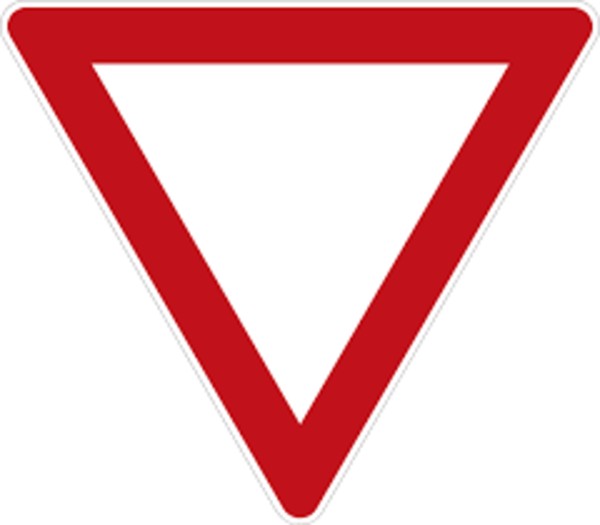
The red triangle is a globally recognized symbol, predominantly employed to signal caution or warning. Its inherent visibility, due to the striking contrast of red against most backgrounds, makes it an effective tool for drawing immediate attention.
Road Safety and Traffic Control
Perhaps the most common encounter with a red triangle is on our roads. Here, it plays a crucial role in ensuring safety and regulating traffic flow.
Cautionary Road Signs
Red triangles, often within a larger sign, typically indicate a hazard or a situation requiring heightened awareness. These can include:
- Pedestrian Crossings: A red triangle might accompany a sign indicating a pedestrian crossing, alerting drivers to the potential presence of people crossing the road.
- Sharp Curves Ahead: Signs warning of a sharp curve often feature a red triangle to emphasize the need for reduced speed and careful maneuvering.
- Slippery Road Surfaces: In areas prone to ice or water, a red triangle can be used to warn drivers of potentially hazardous road conditions.
- Animal Crossings: Signs indicating areas where animals are likely to cross the road will often incorporate a red triangle to signal a potential hazard.
- Falling Rocks/Landslides: In mountainous or unstable terrain, a red triangle is a stark reminder of the danger of falling debris.
The triangular shape itself is often associated with direction and movement, making it intuitive for conveying warnings related to navigation and potential shifts in the road ahead. The apex pointing upwards can symbolize a rising danger or an immediate threat to be aware of.
Vehicle Warning Lights
Within vehicles, the red triangle takes on a critical role in alerting drivers to mechanical issues.
- Hazard Lights: The universal symbol for hazard lights – a red triangle within a circle – is a universally understood signal to indicate a vehicle is stopped or moving at an unusually slow speed, often due to an emergency or breakdown. This is paramount for preventing accidents, especially on busy roads.
- Dashboard Warning Lights: While not always a perfect triangle, many dashboard warning lights that signify critical engine or safety system malfunctions adopt a triangular or diamond shape with a red hue. This could indicate issues with the anti-lock braking system (ABS), low tire pressure, or other significant problems requiring immediate attention.
Everyday Warnings and Safety Notices
Beyond the road, red triangles are commonplace in various public spaces and environments to convey safety instructions and warnings.
- Industrial Settings: In factories and construction sites, red triangles are used to mark hazardous areas, dangerous machinery, or areas where personal protective equipment (PPE) is mandatory. They serve as constant visual reminders of potential risks.
- Electrical Safety: Symbols indicating electrical hazards, such as high voltage areas, often incorporate a red triangle to highlight the extreme danger.
- Chemical Warnings: In laboratories and industrial facilities, containers holding hazardous chemicals might be marked with warning symbols that include a red triangle, often accompanied by other pictograms to specify the nature of the hazard (e.g., corrosive, flammable, toxic).
- General Cautionary Notices: You might see red triangles on signs warning against touching, entering, or performing certain actions in specific areas due to potential risks.
The Red Triangle in the Digital Landscape: A Modern Interpretation
While the physical world has long utilized the red triangle as a direct warning, its meaning in the digital realm is more nuanced and often metaphorical. It can represent alerts, errors, or critical notifications that require user attention.
Software and App Notifications
In the world of technology, the red triangle often signifies a problem or an alert that needs addressing within an application or operating system.
- Error Messages: A red triangle icon can be used to denote a critical error message within software. This could range from a minor glitch that prevents a feature from working correctly to a more serious system failure. The red color immediately flags it as something that requires user intervention or at least acknowledgment.
- Validation Failures: In forms or data entry fields, a red triangle might appear next to an input that has failed validation. This indicates that the information entered is incorrect or incomplete, and the user needs to correct it before proceeding. This is a common practice in web development and app design to guide users towards successful data submission.
- Security Alerts: While less common than other symbols, a red triangle might be employed in certain security contexts to highlight a potential threat or a compromised state. For instance, a network security tool might use it to signal an active intrusion attempt.
- Outdated Software/Content: In some platforms, a red triangle could indicate that a piece of content or software is outdated and potentially insecure or no longer fully functional.
User Interface Design and User Experience (UX)
In UI/UX design, the red triangle, like other warning symbols, is used sparingly to ensure maximum impact. Its judicious use helps guide users and prevent them from making critical mistakes.
- Call to Action (CTA) Reinforcement: While less direct, a red triangle could, in some branding contexts, be used subtly as part of a visual element to draw attention to a critical “call to action” button that has significant implications, such as a final confirmation or a potentially irreversible action.
- Gamification and Progress Indicators: In some games or productivity apps, a red triangle might be used to denote a critical failure in a task or a warning about declining progress, prompting the user to re-engage or adjust their strategy.
The Strategic Significance of the Red Triangle: Branding and Financial Awareness
The impact of a red triangle extends beyond immediate warnings. Its symbolic power can be harnessed in branding strategies and in conveying important financial information.
Branding and Corporate Identity
While less common than in safety contexts, the red triangle can be strategically incorporated into branding to convey specific messages or evoke certain emotions.
- A Symbol of Strength and Stability: In some instances, the triangular shape itself can be associated with stability and strength, particularly when grounded. When combined with red, a color often linked to passion, energy, and importance, it can create a powerful brand mark that suggests a confident and impactful presence.
- A Mark of Distinction: A unique use of a red triangle within a logo or branding elements can serve as a distinctive identifier, making a brand memorable. It can be used to subtly suggest innovation, forward-thinking, or a “warning” to competitors.
- Emotional Resonance: Red is a highly evocative color. When used in conjunction with a triangle, it can tap into primal emotions related to importance, urgency, or even excitement, depending on the overall brand message. For example, a brand focused on high-performance or adrenaline-inducing products might consider using such a symbol.
Financial Literacy and Investment Warnings
The red triangle’s role in signaling caution makes it a potent tool in financial education and investment advisories.
- Investment Risks: In financial publications, investment platforms, or advisory materials, a red triangle is frequently used to highlight potential risks associated with specific investments. This serves as a clear and immediate visual cue that the investment may not be suitable for all individuals and carries a degree of uncertainty.
- Market Volatility: When discussing market fluctuations or periods of high volatility, a red triangle can be employed to emphasize the potential for significant price swings and the associated risks for investors.
- Financial Warnings and Alerts: Banks, credit card companies, and financial apps might use red triangle icons to alert users to unusual activity, potential fraud, or important financial deadlines that require immediate attention. This visual cue can help users quickly identify critical financial information.
- Understanding Financial Tools: When introducing complex financial tools or strategies, a red triangle might be used to draw attention to specific caveats, terms and conditions, or potential downsides that users need to be aware of before engaging.

Conclusion: Decoding the Red Triangle in a Complex World
The red triangle, in its simplicity, is a powerful symbol with a diverse range of meanings. From the immediate, life-saving warnings on our roads and in our workplaces to the subtle alerts within our digital interfaces and the strategic implications in branding and finance, its presence is a testament to its universal communicative power.
Understanding what a red triangle sign means requires a consideration of its context. Whether you’re driving, using software, making investment decisions, or simply navigating your daily life, the red triangle serves as a crucial visual cue, urging caution, signaling importance, and ultimately, contributing to a safer and more informed experience. As technology and our environments continue to evolve, the red triangle, in its various forms, will undoubtedly remain a vital component of effective communication, ensuring that critical messages are seen, understood, and acted upon.
aViewFromTheCave is a participant in the Amazon Services LLC Associates Program, an affiliate advertising program designed to provide a means for sites to earn advertising fees by advertising and linking to Amazon.com. Amazon, the Amazon logo, AmazonSupply, and the AmazonSupply logo are trademarks of Amazon.com, Inc. or its affiliates. As an Amazon Associate we earn affiliate commissions from qualifying purchases.