
In the landscape of higher education, the term “redshirt” is most commonly associated with collegiate athletics, signifying a period where a student-athlete practices with a team but does not compete in official games. While the immediate implications appear to be physical or developmental, the underlying reality of the redshirt status is fundamentally financial. To redshirt is to engage in a high-stakes calculation of human capital, tuition ROI, and long-term earning potential.
In modern college sports, where billion-dollar media rights deals and Name, Image, and Likeness (NIL) valuations dictate the flow of talent, the redshirt year has evolved from a simple developmental tool into a complex financial instrument. For the athlete, the family, and the institution, the decision to “take a redshirt” is a strategic investment in a fifth year of eligibility, carrying profound implications for personal finance and career longevity.
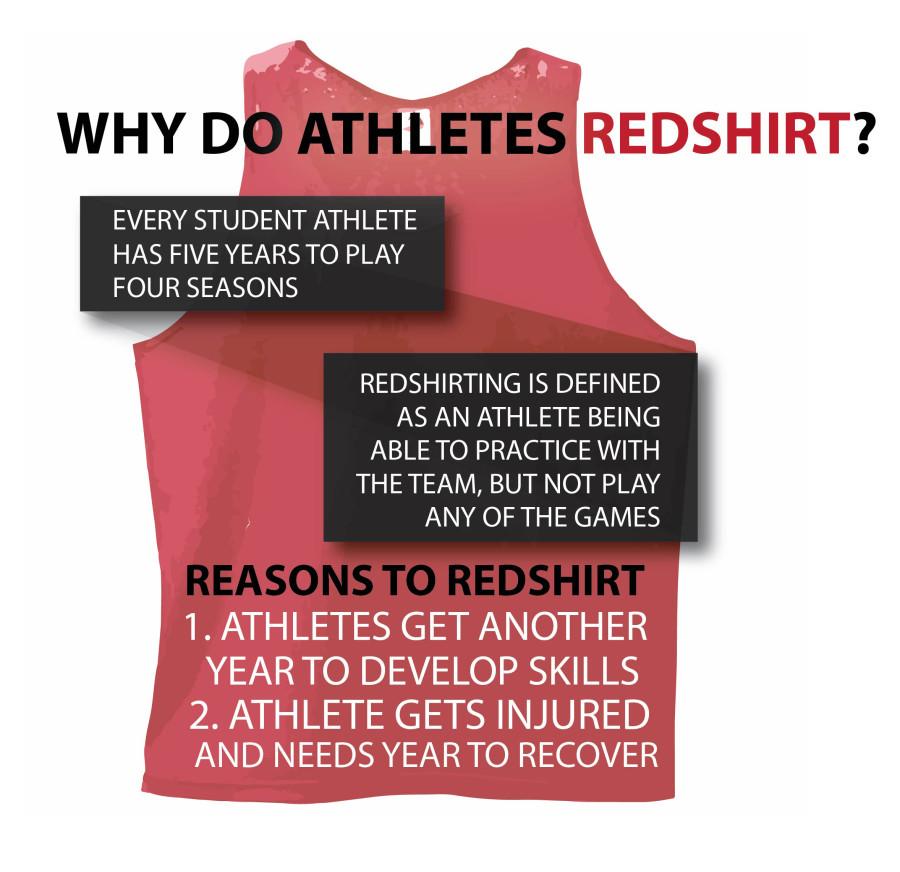
The Economics of the Redshirt: Beyond the Playing Field
At its core, a redshirt year is a strategic delay of a student’s entry into the professional labor market. In the context of “Money,” this is an exercise in asset management. The student-athlete is the asset, and the “redshirt” is the seasoning period required to maximize that asset’s market value.
Scholarship Valuation and Asset Protection
A full athletic scholarship is one of the most significant financial assets a young adult can possess. When an athlete redshirts, they are essentially extending the term of that financial grant. In many private institutions, the total cost of attendance—including tuition, room, board, and stipends—can exceed $80,000 per year. By redshirting, a student secures an additional year of this funding, effectively increasing the total value of their scholarship package by 20%.
From an institutional standpoint, redshirting is a form of asset protection. Universities invest heavily in the recruitment and training of athletes. By allowing a player to redshirt, the program ensures that the player reaches their peak performance during their final years of eligibility, thereby increasing the likelihood of winning championships, securing bowl appearances, or entering tournament play—all of which generate substantial revenue for the athletic department.
The Hidden Costs of an Extra Year
While the scholarship covers direct costs, the redshirt year is not without its financial burdens. For students who are not on a full ride, or for those whose families are subsidizing a portion of their living expenses, an extra year on campus represents a significant cash outlay. There are also the “incidental” costs: travel, insurance, and the living expenses that scholarships don’t always fully cover.
Families must weigh the potential for a professional contract against the immediate reality of an extra year of collegiate expenses. In many cases, the redshirt year is a gamble that the player’s future market value will increase enough to offset the costs incurred during that fifth year.
ROI and the Professional Pivot
The ultimate financial goal for many elite redshirt athletes is the transition to a professional league, such as the NFL, NBA, or WNBA. In these scenarios, the redshirt year is a strategic move to improve draft stock, which has a direct and measurable impact on lifetime earnings.
Professional Earning Projections
The difference between being a third-round draft pick and an undrafted free agent can be measured in millions of dollars. If a redshirt year allows an athlete to move from the fringes of a professional roster to a guaranteed contract, the Return on Investment (ROI) is astronomical.
Consider a football player who uses their redshirt year to gain 20 pounds of muscle and refine their technique. If that improvement moves them from a late-round projection to a second-round pick, they might see their signing bonus increase by $2 million or more. In this context, the “lost” year of professional salary is a small price to pay for the increased security and higher floor of a prioritized draft slot.
Redshirting as a Career Insurance Policy
Redshirting also functions as a form of career insurance. In the event of an injury early in a season, an “injury redshirt” (or medical hardship waiver) allows the athlete to reclaim that year of eligibility. From a financial perspective, this prevents the total loss of the athlete’s primary professional audition window. It provides a structured environment for rehabilitation—funded by the university—while maintaining the student’s path toward a degree and eventual professional entry.

The Opportunity Cost of Delayed Entry into the Labor Market
One of the most critical concepts in finance is opportunity cost: the loss of potential gain from other alternatives when one alternative is chosen. When a student-athlete chooses to redshirt, they are choosing to delay their entry into the full-time labor market by twelve months.
Calculating the One-Year Salary Gap
For an athlete who does not go professional, the redshirt year represents a year of forfeited wages. If a student graduates with a degree in business or engineering, their starting salary might be $70,000. By staying in school for a redshirt year, they are effectively paying $70,000 (in lost wages) for that extra year of collegiate experience.
This calculation becomes even more complex when considering the “time value of money.” A year of salary earned at age 22, if invested wisely in a 401(k) or index funds, has significantly more growth potential than a year of salary earned at age 62. By pushing their career start date back, the redshirt athlete is potentially sacrificing hundreds of thousands of dollars in compound interest over the course of their lifetime.
Compounding Interest and the Cost of Delay
The financial impact of a redshirt year ripples through a person’s entire financial life. Delaying the start of a career means delaying the start of retirement contributions, the purchase of a first home, and the building of an investment portfolio. While these may seem like distant concerns for a 20-year-old, the mathematical reality is that the “redshirt year” is the most expensive year of an individual’s life in terms of lost compounding opportunities.
Strategic Financial Management for Redshirt Athletes
The introduction of NIL (Name, Image, and Likeness) rights has fundamentally shifted the financial landscape for redshirted students. Previously, the “lost year” was a period of zero income. Today, savvy athletes are leveraging their redshirt status to build personal brands and generate revenue while still in school.
NIL Deals and Modern Revenue Streams
A redshirt year provides an athlete with extra time to focus on brand building. Without the pressure of weekly competition during their first year, many athletes focus on growing their social media presence and securing local endorsements. For a high-profile recruit, a redshirt year might actually be a period of significant earnings.
From a business finance perspective, the redshirt athlete is a “pre-revenue” startup. They are building the infrastructure of their brand before they “go to market” in their active years of competition. This allows them to enter their active playing years with an established audience, making them more attractive to corporate sponsors.
Graduate Degree Leveraging
One of the most savvy financial moves a redshirt athlete can make is the pursuit of a graduate degree. Because a redshirted athlete typically graduates with their undergraduate degree in four years but has a fifth year of eligibility remaining, the university often pays for their Master’s degree.
In the corporate world, an MBA or a specialized Master’s can command a salary premium of 20% to 50%. By using the redshirt year to obtain a graduate degree for free, the athlete is significantly increasing their “terminal value” in the job market. This effectively mitigates the opportunity cost of the delayed entry into the workforce, as they enter the market at a higher pay grade than they would have with only an undergraduate degree.
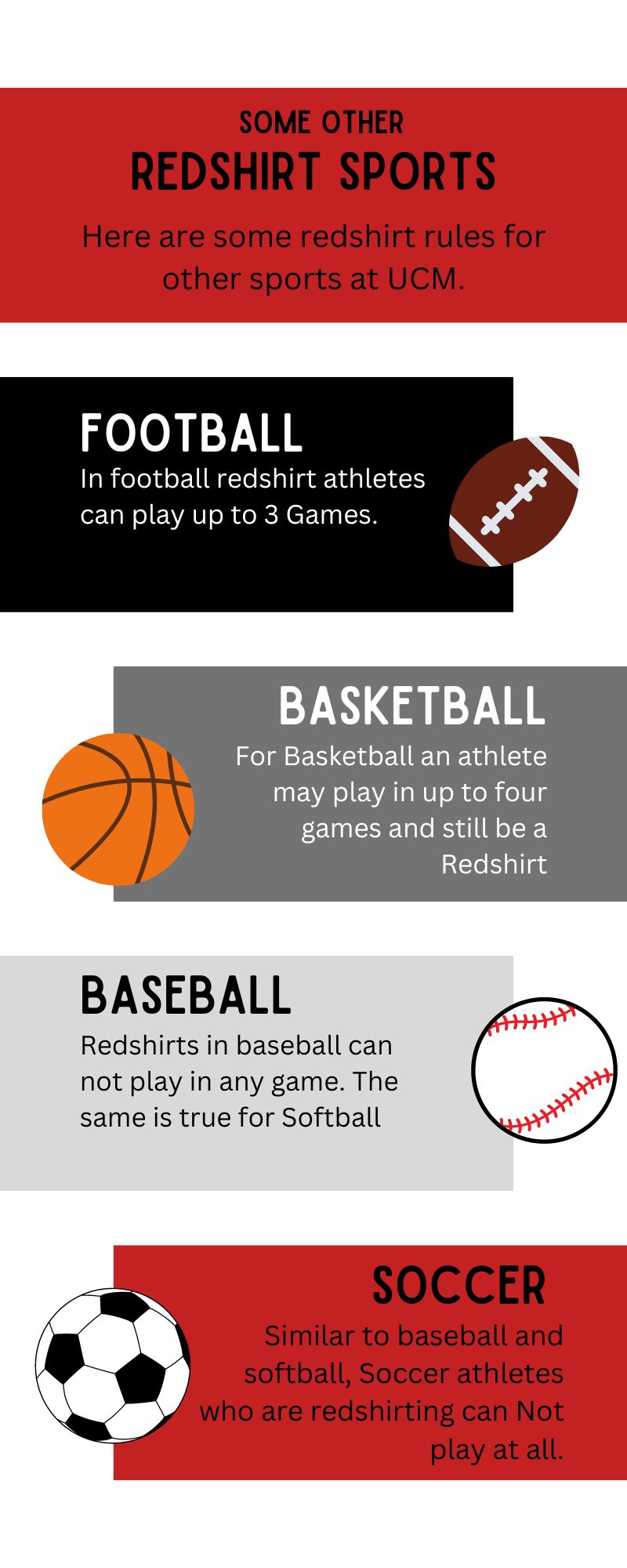
Conclusion: The Bottom Line on Redshirting
When asking “what does red shirt mean in college,” the answer is increasingly found on a balance sheet rather than a scoreboard. It is a sophisticated financial decision that balances the immediate value of a scholarship against the long-term opportunity costs of delayed professional earnings.
For the elite few, it is a high-leverage move to maximize a professional contract. For the majority, it is a chance to secure a debt-free graduate education and build a personal brand. In either case, the redshirt year remains a quintessential example of strategic financial planning, requiring a deep understanding of risk, ROI, and the long-term value of human capital. As the economics of college sports continue to evolve, the “redshirt” will remain a vital tool for those looking to optimize their financial future during their collegiate years.
aViewFromTheCave is a participant in the Amazon Services LLC Associates Program, an affiliate advertising program designed to provide a means for sites to earn advertising fees by advertising and linking to Amazon.com. Amazon, the Amazon logo, AmazonSupply, and the AmazonSupply logo are trademarks of Amazon.com, Inc. or its affiliates. As an Amazon Associate we earn affiliate commissions from qualifying purchases.