
The term “recertified” often surfaces when browsing for electronics, particularly smartphones, laptops, and other gadgets. It conjures an image of something that isn’t brand new, but also not quite used in the traditional sense. For many consumers, it’s a middle ground – potentially offering significant savings but also raising questions about reliability and condition. Understanding what “recertified” truly signifies is crucial for making informed purchasing decisions in the ever-evolving world of technology. It’s not just a label; it’s a process that can unlock access to quality tech at a more accessible price point.
The Nuances of Recertification: Beyond “Used”
When we talk about technology, “recertified” stands apart from simple “used” or “refurbished.” While these terms are often used interchangeably, recertified carries a specific weight, especially when applied to tech products. It implies a rigorous process designed to bring a device back to a functional, often near-perfect, state, with guarantees that go beyond what you might expect from a private sale of a second-hand item. This distinction is vital for consumers who are wary of purchasing pre-owned electronics but are drawn to the potential cost savings.
Differentiating Recertified from Refurbished and Used
To truly grasp the meaning of recertified, we must first distinguish it from its commonly associated terms: “refurbished” and “used.”
Used: The Basic Definition
A “used” electronic device is one that has been previously owned and operated by at least one other individual. The condition of a used item can vary drastically, from pristine to heavily worn. There are typically no guarantees of functionality, no warranties, and the seller might not have performed any checks or repairs. Purchasing a used item is often a matter of trust in the seller’s description and the buyer’s ability to assess the product’s physical and operational state, often through direct inspection or relying on the seller’s word. This is the lowest tier of pre-owned tech, offering the potential for the lowest price but also the highest risk.
Refurbished: An Intermediate Step
“Refurbished” technology falls into a more structured category. A refurbished product is a pre-owned item that has been inspected, repaired, and cleaned to restore it to full working order. This process is typically carried out by a third-party company or the manufacturer themselves. Refurbished items may have cosmetic blemishes, such as minor scratches or scuffs, but their core functionality should be sound. Often, refurbished products come with a limited warranty, providing some level of buyer protection. The key here is that it implies a restoration process, making it more reliable than a simply “used” item.
Recertified: The Pinnacle of Pre-Owned Tech
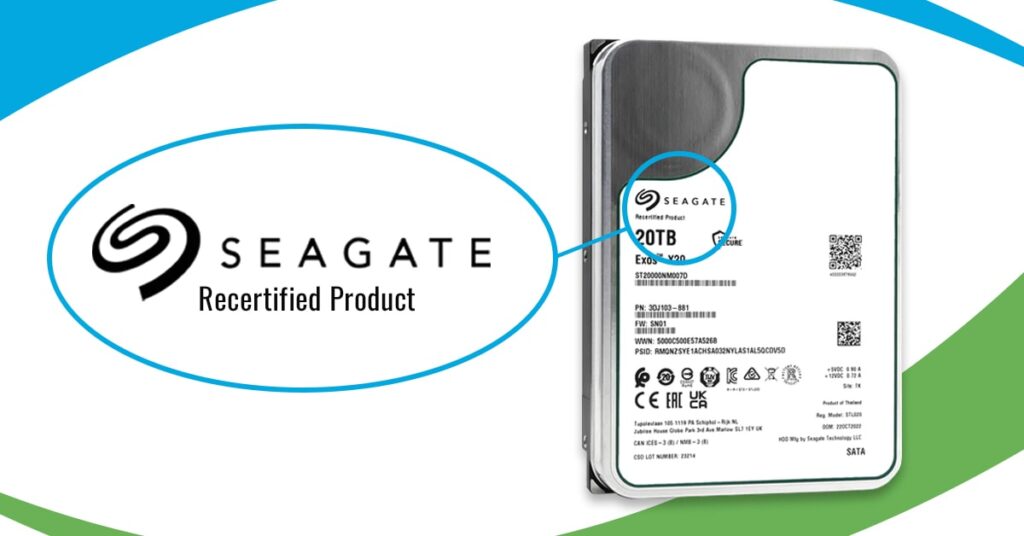
“Recertified,” particularly in the context of major tech brands and reputable retailers, represents a higher standard than “refurbished.” While the terms can overlap, recertified often suggests a more comprehensive and stringent reconditioning process. When a device is recertified, it has undergone a thorough inspection, testing, and repair process by the original manufacturer or an authorized service provider. This often includes:
- Comprehensive Diagnostic Testing: Every component and function of the device is tested to ensure it meets original performance specifications.
- Repair and Replacement of Faulty Parts: Any components that are not performing optimally or are defective are repaired or replaced with genuine parts.
- Deep Cleaning and Sanitization: The device is thoroughly cleaned, both internally and externally, and often sanitized to a hygienic standard.
- Cosmetic Restoration: While some minor cosmetic imperfections might be acceptable depending on the specific recertification program, efforts are made to restore the device to an aesthetically pleasing condition. This could involve replacing the casing, screen, or other external parts if necessary.
- Software Restoration: The device is typically reset to factory settings, with the latest eligible operating system installed and all previous user data erased.
- Extended Warranty: A significant hallmark of recertified products is the inclusion of a more robust warranty, often comparable to what you might find with a new product, sometimes for a duration of one year or more. This provides considerable peace of mind.
In essence, a recertified product is one that has been brought back to a “like-new” condition, not just in terms of functionality but often in its overall presentation, backed by a strong guarantee from the entity performing the recertification.
The Recertification Process: A Closer Look
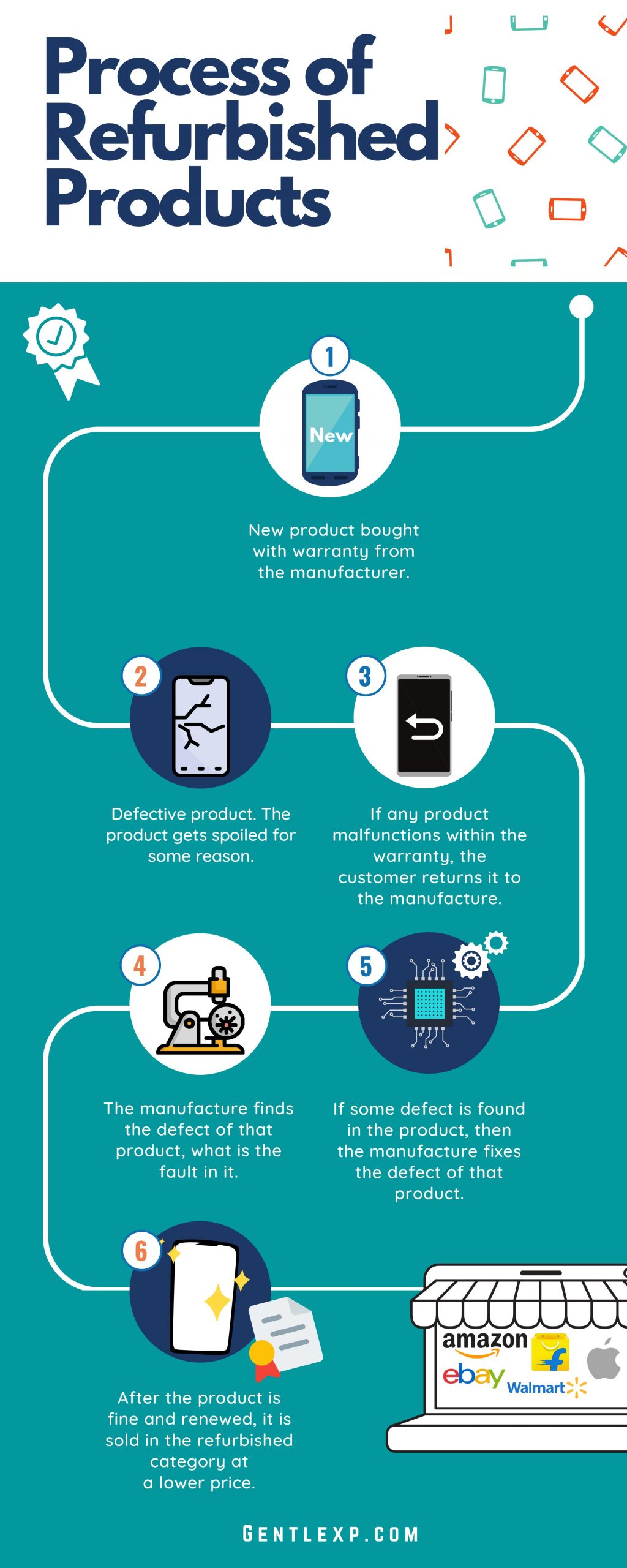
The journey of a technology product to becoming “recertified” is systematic and designed to instill confidence in the buyer. It’s a process that addresses common concerns about pre-owned electronics and aims to mitigate risks. Understanding these steps helps to demystify the label and highlight the inherent value.
From Return to Readiness: The Stages of Recertification
When a product is returned for various reasons – a customer’s change of mind, a minor defect, or even an open-box return – it doesn’t immediately go back onto the shelves. Instead, it enters a structured recertification pipeline.
Initial Inspection and Assessment
The first stage involves a thorough initial inspection. Technicians evaluate the product for any physical damage, missing accessories, or signs of wear and tear. This assessment determines whether the product is suitable for the recertification process. Devices with significant cosmetic damage or evidence of severe misuse might be disqualified.
Diagnostic Testing and Quality Control
This is arguably the most critical phase. The device undergoes a comprehensive suite of diagnostic tests. These tests cover all aspects of the hardware and software:
- Hardware Checks: This includes testing the screen for dead pixels, the battery for health and charge capacity, the camera, speakers, microphones, ports (USB, charging), Wi-Fi and Bluetooth connectivity, and any other specialized hardware (e.g., fingerprint sensors, facial recognition modules).
- Software Performance: The operating system is checked for stability, responsiveness, and any software-related glitches. Performance benchmarks might be run to ensure the device operates at expected speeds.
- Connectivity: Network capabilities, including cellular data (for phones and some tablets), Wi-Fi, and Bluetooth, are rigorously tested to ensure reliable connections.
Repair and Component Replacement
Based on the diagnostic results, any identified issues are addressed. This involves repairing faulty components or replacing them with new or certified refurbished parts. For example, a battery that doesn’t hold a charge optimally would be replaced. A screen with minor scratches might be polished or replaced entirely, depending on the recertification standards. This commitment to using quality replacement parts is a key differentiator.
Cosmetic Refinement and Cleaning
Once the functional aspects are guaranteed, the device undergoes a cosmetic overhaul. This includes thorough cleaning, both internally and externally, to remove dust, smudges, and any residue. Depending on the program, minor cosmetic imperfections might be addressed through polishing or the replacement of external components like casings or bezels. The goal is to make the device look and feel as close to new as possible, within reasonable limits defined by the recertification tier.
Data Wiping and Software Reset
For data security and to ensure a fresh user experience, all previous data is securely wiped from the device. This is done using industry-standard data erasure methods to prevent any residual personal information from being accessible. The device is then reset to its factory default settings, and the latest compatible operating system is installed.
Final Quality Assurance and Packaging
Before a recertified product can be sold, it undergoes a final quality assurance check. This is a last validation to ensure all previous steps have been executed correctly and the device meets all the required standards. The product is then packaged, often in specialized recertified packaging, and typically includes essential accessories like a charger and cable, similar to a new product.
The Advantages of Buying Recertified Tech
The decision to purchase recertified technology isn’t just about saving money; it’s a strategic choice that offers several compelling benefits for the savvy consumer. By understanding these advantages, you can confidently navigate the pre-owned market and acquire quality devices at a fraction of the cost of new.
Financial Savings and Environmental Impact
One of the most immediate and attractive benefits of buying recertified is the cost savings. These devices are consistently priced lower than their brand-new counterparts, often by a significant margin. This allows consumers to access higher-end models they might not otherwise be able to afford, or to upgrade their existing technology more frequently without breaking the bank.
Beyond personal finance, choosing recertified tech also aligns with sustainable consumption practices. When a product is recertified, it’s given a second life, diverting it from landfills and reducing the demand for manufacturing new devices. The production of electronics is resource-intensive, requiring raw materials, energy, and contributing to carbon emissions. By opting for recertified, you’re directly contributing to a circular economy, minimizing waste, and reducing the environmental footprint associated with your tech purchases. This conscious choice benefits both your wallet and the planet.
Reliability and Peace of Mind
A common misconception is that recertified products are less reliable than new ones. However, the rigorous recertification process, as detailed above, is designed to ensure that these devices are fully functional and meet high quality standards. The comprehensive testing, repair, and replacement of parts by manufacturers or authorized partners mean that any potential issues have been proactively addressed.
Furthermore, recertified products often come with a warranty, which is a crucial factor in providing peace of mind. This warranty period, which can range from 90 days to a full year or more, is a testament to the confidence the seller has in the product’s condition. It offers a safety net, ensuring that if any unexpected issues arise within the warranty period, you’re protected. This is a significant advantage over purchasing a used item with no warranty or guarantee. The manufacturer’s or authorized seller’s backing transforms a potentially risky purchase into a secure investment.
Access to Premium Models and Brands
The availability of recertified products opens doors to premium technology that might otherwise be out of reach. High-end smartphones, laptops, tablets, and even professional-grade equipment can be acquired at more affordable price points when purchased recertified. This allows individuals and businesses to leverage advanced features, superior performance, and enhanced capabilities without incurring the full cost of a new device.
For example, a business looking to equip its team with the latest laptops might find that purchasing recertified models significantly reduces their overall expenditure, allowing them to allocate budget to other critical areas. Similarly, an individual aspiring to own a flagship smartphone might be able to get their hands on a slightly older, but still very capable, model that has been recertified, enjoying its premium features for a much lower price. This democratization of technology through recertification empowers more people to benefit from cutting-edge innovations.
Navigating the Recertified Market: What to Look For
While the benefits of buying recertified are clear, making an informed purchase requires a discerning eye. Understanding what to look for can help you secure the best deals and ensure you’re getting a product that meets your expectations.
Key Considerations Before You Buy
When you’re ready to dive into the world of recertified tech, keep these crucial points in mind to make a wise investment.
Understanding the Seller and Their Policies
The reputation and policies of the seller are paramount. Always opt for recertified products sold directly by the original manufacturer (e.g., Apple Certified Refurbished, Dell Outlet) or by highly reputable retailers with established return and warranty processes. These sources are more likely to adhere to strict recertification standards and offer robust customer support.
Carefully review the seller’s return policy, warranty terms, and any specific conditions associated with recertified items. Pay attention to the duration and coverage of the warranty. A longer warranty period generally indicates higher confidence in the product’s condition. Also, check for any restocking fees or limitations on returns.
Assessing Cosmetic Condition and Grading Systems
Recertified products may sometimes have minor cosmetic imperfections. Many sellers employ grading systems to communicate the cosmetic condition of the device. These grades, such as “Excellent,” “Good,” or “Fair,” help set expectations.
- Excellent/Grade A: May have very minor cosmetic flaws, such as faint scratches that are only visible upon close inspection, or virtually no visible wear.
- Good/Grade B: May show some signs of normal use, such as light scratches, scuffs, or minor dents that do not affect functionality.
- Fair/Grade C: Will have more noticeable cosmetic blemishes, such as deeper scratches, dents, or wear, but the device will still be fully functional.
Always try to find detailed descriptions or images of the specific product’s cosmetic condition. While a few minor scratches might be acceptable for a significant price reduction, severe cosmetic damage might be a dealbreaker for some.
Verifying Included Accessories and Software
Ensure that the recertified product comes with all the essential accessories you would expect. This typically includes the charging cable, power adapter, and any original manuals or documentation that are relevant. Some sellers might include a generic charger instead of the original, which is usually acceptable, but it’s good to be aware of.
Also, confirm that the device has been reset to factory settings and comes with a clean installation of its operating system. You want to start with a fresh slate, free from any previous user data or configurations. If you’re purchasing a device that requires specific software for its core functions, ensure that this software is included or easily accessible.
In conclusion, “recertified” is not a euphemism for “used” but rather a designation for technology that has been thoroughly inspected, repaired, and restored to optimal working order by a reputable source, often backed by a warranty. By understanding the depth of the recertification process and what to look for when purchasing, consumers can confidently embrace recertified tech as a smart, economical, and environmentally conscious choice for acquiring quality electronic devices.
aViewFromTheCave is a participant in the Amazon Services LLC Associates Program, an affiliate advertising program designed to provide a means for sites to earn advertising fees by advertising and linking to Amazon.com. Amazon, the Amazon logo, AmazonSupply, and the AmazonSupply logo are trademarks of Amazon.com, Inc. or its affiliates. As an Amazon Associate we earn affiliate commissions from qualifying purchases.