
In the rapidly evolving landscape of technology, we often focus on the “brain” of the operation—the microprocessors, the AI algorithms, and the high-speed software. However, even the most sophisticated digital ecosystem is paralyzed without a foundational element of hardware: the receptacle. While the layperson might simply call it a “plug” or a “socket,” the term “receptacle” carries significant weight in the worlds of electrical engineering, data center management, and smart home technology.
Understanding what a receptacle means in a tech context is about more than just knowing where to plug in a laptop. It involves understanding the standards of power delivery, the shift toward intelligent energy management, and the physical interfaces that bridge the gap between raw electricity and digital utility. As our devices become more power-hungry and our homes more connected, the humble receptacle is undergoing a high-tech transformation.

The Hardware Perspective: Understanding Electrical Receptacles in Tech Infrastructure
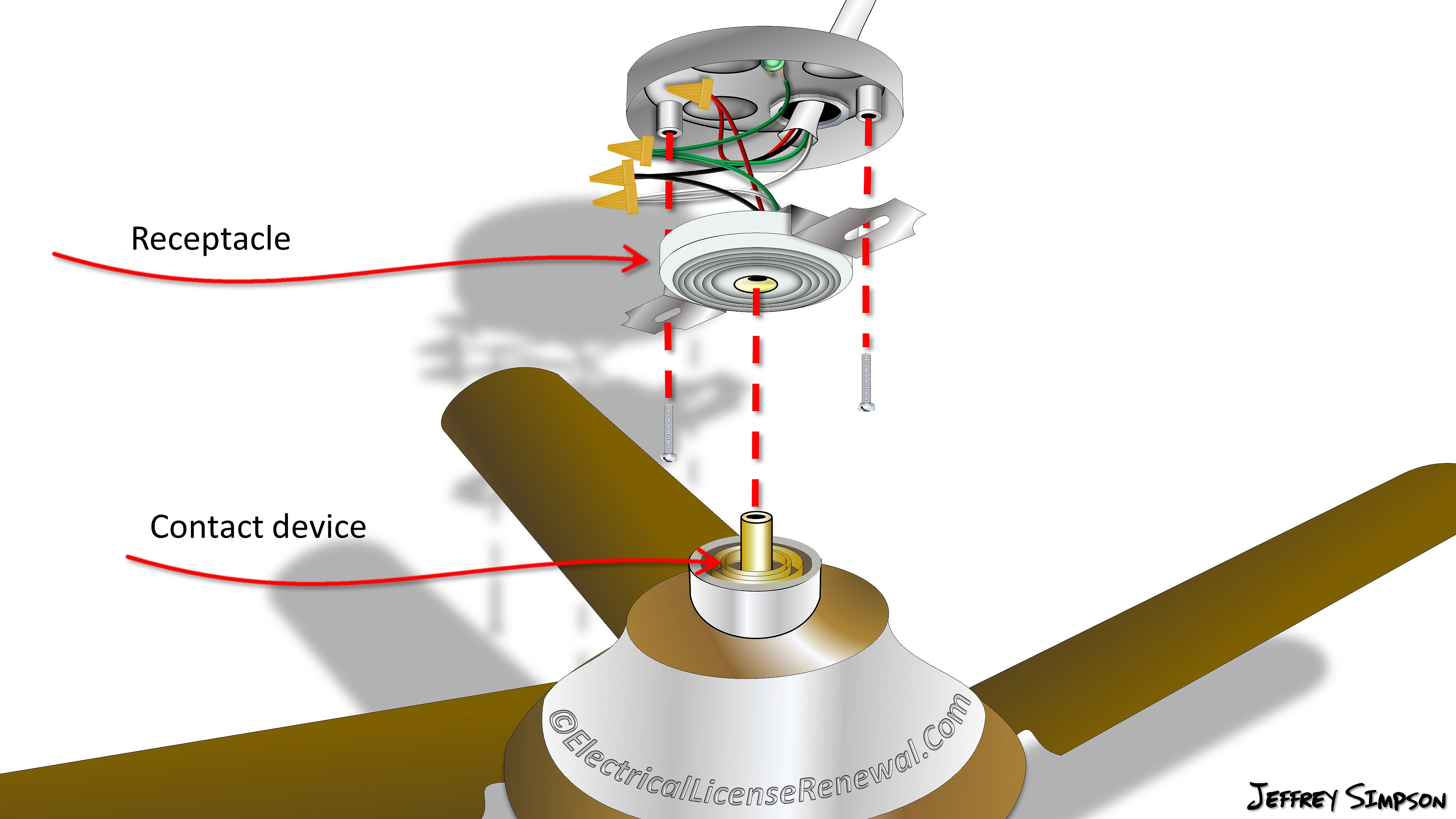
At its most basic technical level, a receptacle is a contact device installed at an outlet for the connection of an attachment plug. In the realm of technology infrastructure—ranging from home offices to massive server farms—the receptacle is the final point of the power distribution network.
Standard Wall Outlets and NEMA Classifications
In North America, the tech world relies heavily on standards set by the National Electrical Manufacturers Association (NEMA). When you look at a standard laptop charger, it typically interfaces with a NEMA 5-15R receptacle. The “R” stands for receptacle. Understanding these classifications is vital for IT professionals and hardware enthusiasts because they dictate the voltage and amperage a device can safely draw. Using the wrong receptacle-plug combination in a tech environment can lead to hardware failure, thermal throttling, or even electrical fires.
High-Voltage Receptacles for Data Centers
In industrial tech environments, such as data centers or crypto-mining facilities, standard 120V receptacles are often insufficient. Here, the term “receptacle” shifts toward high-capacity interfaces like the NEMA L6-30R. These are “locking” receptacles designed to ensure that critical hardware—like blade servers or network switches—does not accidentally become unplugged. In these high-stakes environments, the receptacle is a mission-critical component that ensures uptime and operational stability.
Power Distribution Units (PDUs)
In a server rack, you won’t find a series of standard wall outlets. Instead, tech professionals use Power Distribution Units (PDUs), which are essentially sophisticated power strips loaded with multiple receptacles. These receptacles are often managed via a network interface, allowing sysadmins to reboot a “receptacle” remotely if a piece of hardware hangs. In this context, the receptacle becomes a software-addressable endpoint.
Smart Receptacles: The Evolution of the Connected Home
The rise of the Internet of Things (IoT) has redefined the meaning of a receptacle. It is no longer a “dumb” piece of copper and plastic; it is now an active participant in a home or office network.
Integration with IoT and AI Assistants
A “smart receptacle” is an outlet that can be controlled via Wi-Fi, Zigbee, or Z-Wave protocols. For the modern tech consumer, this means the receptacle is a gateway to automation. By plugging a traditional device into a smart receptacle, that device becomes part of a larger digital ecosystem. You can use AI assistants like Alexa, Google Assistant, or Siri to cut power to a receptacle, schedule its operation, or trigger it based on sensor data (e.g., turning on a fan if a room’s temperature sensor hits 75 degrees).
Energy Monitoring and Power Management
Beyond simple “on/off” functionality, advanced smart receptacles offer real-time power analytics. They measure the wattage, voltage, and current flowing through the outlet. For tech enthusiasts managing home labs or high-end gaming rigs, this data is invaluable. It allows for the identification of “vampire loads”—devices that consume power even when turned off—and helps in optimizing energy efficiency. In a world increasingly focused on “Green Tech,” the smart receptacle is the primary tool for auditing digital carbon footprints.
Edge Computing in the Wall
Some of the newest receptacles on the market are beginning to incorporate edge computing capabilities. Instead of sending all data to the cloud, these receptacles can process logic locally. For example, if a smart receptacle detects a specific “noise” pattern in the electrical frequency that suggests a device is malfunctioning, it can autonomously shut down the circuit before a hardware failure occurs. This turns the receptacle into a proactive security tool for high-value gadgets.
Beyond Power: Receptacles as Data and Interface Ports
In modern hardware design, the definition of a receptacle has expanded to include ports that handle both power and high-speed data. This convergence is most visible in the evolution of the USB standard.
USB-C and the Universal Receptacle Standard
For decades, we had different receptacles for different needs: one for power, one for video (HDMI), and one for data (USB-A). The tech industry has moved aggressively toward the USB-C receptacle as a “universal” solution. This receptacle is a masterpiece of engineering, capable of delivering up to 240W of power (via Power Delivery 3.1) while simultaneously transferring data at 40Gbps (via Thunderbolt 4). When we ask “what does receptacle mean” in 2024, it often refers to these multifunctional ports that serve as the lifeblood of modern peripherals.
Power over Ethernet (PoE) as a Virtual Receptacle
In professional networking, the RJ45 port (Ethernet) has essentially become a power receptacle. Power over Ethernet (PoE) allows a single cable to provide both a data connection and electrical power to devices like VoIP phones, IP cameras, and Wireless Access Points. This eliminates the need for a traditional AC receptacle near the device, simplifying tech deployments and allowing for centralized power management through a network switch.
Industrial Connectivity and Ruggedized Interfaces
In the world of industrial tech (IIoT), receptacles must survive environments that would destroy standard consumer electronics. Ruggedized receptacles—often circular connectors with IP67 or IP68 ratings—ensure that sensors on a factory floor or hardware on an oil rig remain connected. These specialized receptacles are designed to withstand vibration, moisture, and extreme temperatures, proving that the “receptacle” is a foundational element of global industrial automation.
Safety and Security in Modern Receptacle Design
As receptacles become more integrated into our digital lives, the focus on their safety and security has shifted from purely physical concerns to digital ones.
Surge Protection and Fault Interrupters
From a hardware protection standpoint, the receptacle is the first line of defense for expensive tech. Advanced receptacles now come with built-in surge suppression to protect sensitive microchips from voltage spikes caused by lightning or grid instability. Furthermore, Ground Fault Circuit Interrupter (GFCI) and Arc Fault Circuit Interrupter (AFCI) receptacles are essential for preventing electrical fires in tech-heavy environments where many cables are bundled together.
Digital Security Risks in Smart Sockets
When a receptacle becomes a networked device, it becomes a potential entry point for hackers. Security researchers have demonstrated that poorly secured smart receptacles can be hijacked to join botnets or to act as a pivot point into a home network. Therefore, the “meaning” of a receptacle in the modern tech era includes a requirement for robust encryption, secure firmware updates, and strong password protocols. A receptacle is no longer just an electrical component; it is a network node that must be defended.
The Rise of Tamper-Resistant Technology
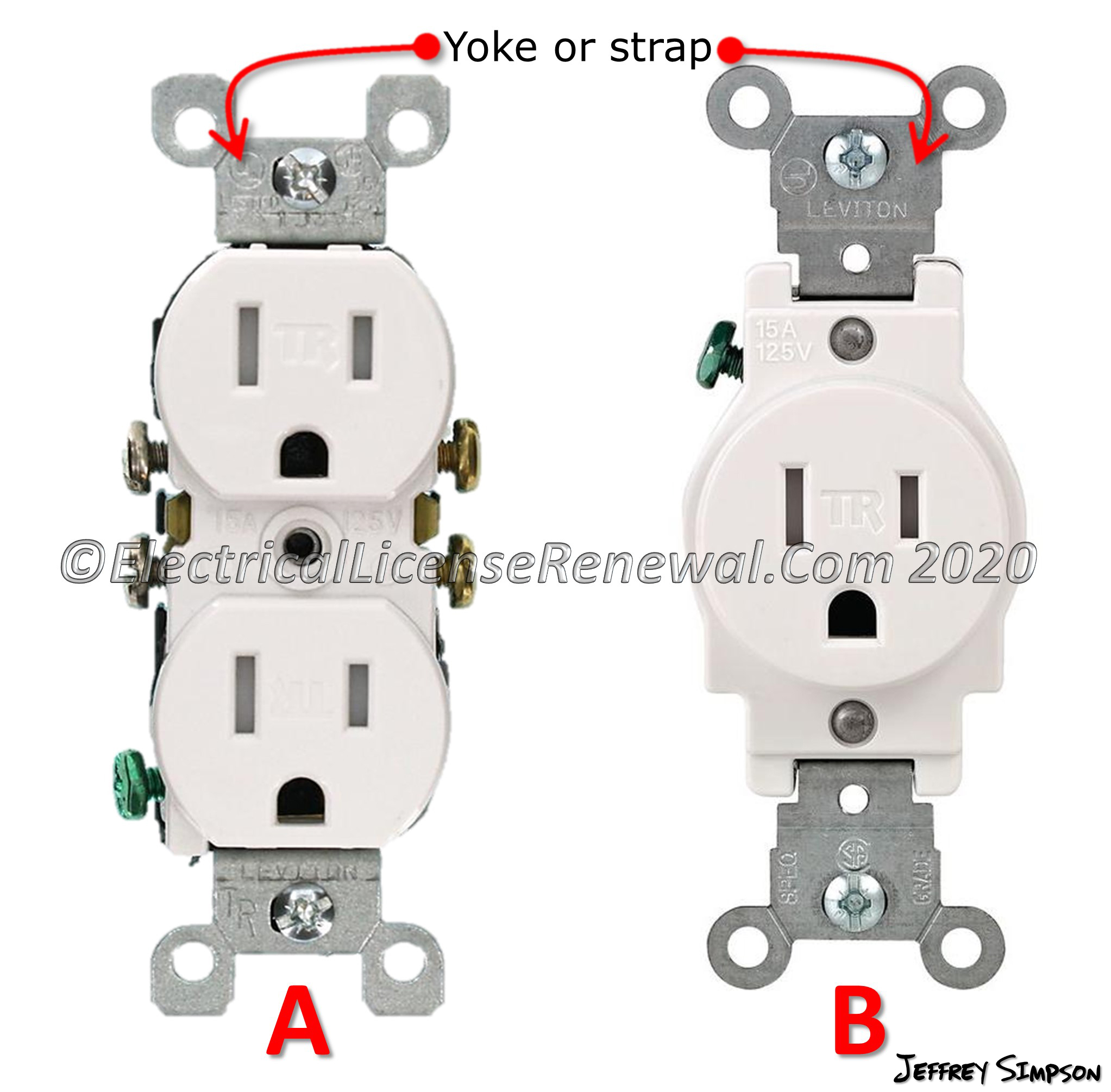
In the consumer tech space, tamper-resistant (TR) receptacles have become the standard. These utilize internal shutters to prevent the insertion of foreign objects. While this seems like a low-tech safety feature, it is part of a broader trend in hardware design to make the “interface” between the user and the energy source as foolproof as possible, allowing users to interact with high-voltage systems with zero risk.
The Future of Energy Delivery: Wireless and Modular Trends
As we look toward the future of technology, the very concept of a physical “receptacle” is being challenged by new methods of energy transfer.
Induction Charging as the “Invisible Receptacle”
Qi and MagSafe technologies have introduced the world to the “wireless receptacle.” In this scenario, the receptacle is a copper coil hidden beneath a surface. By eliminating the physical plug-and-socket interface, tech companies can create more water-resistant and durable devices. The future of the “receptacle” may involve entire desks or countertops that act as a continuous power surface, charging any device placed upon them.
Modular Infrastructure for Scalable Tech
In the realm of “Smart Cities” and modular architecture, we are seeing the rise of track-based receptacle systems. Instead of fixed outlets in a wall, these systems allow users to “snap” a receptacle into a powered track anywhere they need it. This modularity is essential for flexible office spaces and labs where the tech layout changes frequently. It redefines the receptacle from a permanent fixture to a mobile, on-demand resource.
Conclusion: Why the Receptacle Matters in Tech
To the casual observer, a receptacle is just a hole in the wall. But to anyone involved in technology—from the software engineer to the data center architect—the receptacle represents the essential bridge between the physical and digital worlds. It is the conduit for the energy that drives our innovations and the interface that defines how we interact with our tools. Whether it is a smart IoT outlet, a high-speed USB-C port, or a heavy-duty server rack PDU, the receptacle remains the most fundamental “tech” we own. Understanding its standards, its intelligence, and its evolution is key to mastering the modern digital environment.
aViewFromTheCave is a participant in the Amazon Services LLC Associates Program, an affiliate advertising program designed to provide a means for sites to earn advertising fees by advertising and linking to Amazon.com. Amazon, the Amazon logo, AmazonSupply, and the AmazonSupply logo are trademarks of Amazon.com, Inc. or its affiliates. As an Amazon Associate we earn affiliate commissions from qualifying purchases.