
In the dynamic world of healthcare, and particularly within the specialized field of dentistry, professional titles carry significant weight. They are not merely acronyms; they represent a depth of knowledge, a commitment to patient care, and a distinct level of expertise. For those seeking to understand the landscape of dental professionals, or for aspiring individuals looking to carve out their career path, deciphering these titles is crucial. Among these, “RDH” is a prominent and highly respected designation. But what exactly does RDH stand for in dentistry, and what are the broader implications of this professional branding for individuals, practices, and the patient experience?
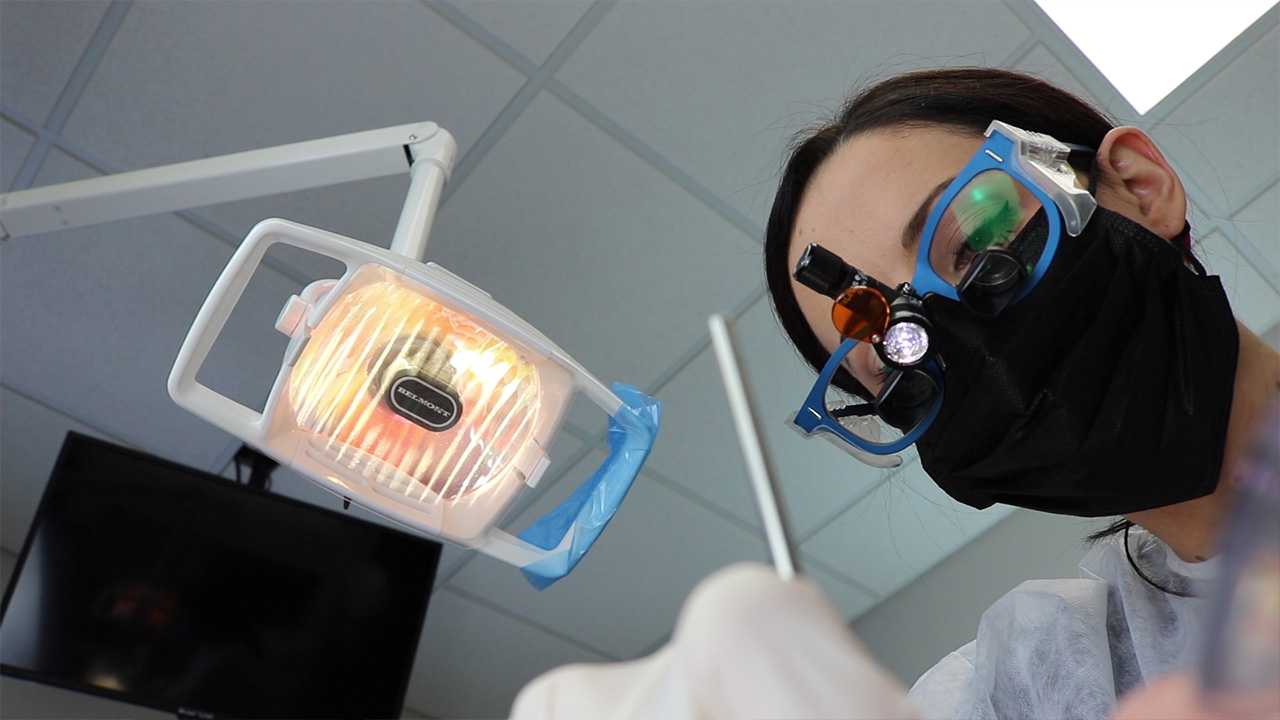
The acronym RDH stands for Registered Dental Hygienist. This title signifies a licensed oral healthcare professional who plays a vital role in preventive and therapeutic oral health. It’s a designation earned through rigorous education, clinical training, and passing standardized examinations, all of which contribute to its strong brand recognition within the dental industry. Understanding the multifaceted meaning behind RDH goes beyond a simple definition; it delves into the very essence of their professional identity, their unique value proposition, and how this branding influences the broader dental ecosystem.
The Foundation of the RDH Brand: Education and Licensure
The power and credibility of the RDH brand are fundamentally built upon a robust educational framework and a stringent licensing process. These pillars ensure that every individual bearing the RDH title has met a high standard of competency, thereby establishing trust and reliability for both patients and employers.
Rigorous Educational Pathways
To become a Registered Dental Hygienist, individuals must complete an accredited dental hygiene program. These programs are typically offered at community colleges, universities, and technical schools, leading to an Associate’s Degree in Dental Hygiene (often a 2-3 year program) or a Bachelor’s Degree in Dental Hygiene (a 4-year program). The curriculum is comprehensive, covering a wide range of subjects crucial for oral health care. This includes:
- Anatomy and Physiology: Understanding the structures and functions of the human body, with a particular focus on the oral cavity.
- Dental Anatomy and Histology: Detailed study of the teeth, gums, and surrounding oral tissues, including their microscopic structure.
- Periodontology: The study of the supporting structures of the teeth, including diseases of the gums and bone, and their treatment.
- Dental Radiology: Principles and techniques of dental X-ray imaging, interpretation, and safety.
- Pharmacology: Understanding the use of medications in dental practice, including anesthetics and antibiotics.
- Dental Materials: Knowledge of the properties and application of various materials used in dental procedures.
- Public Health and Community Dentistry: Principles of promoting oral health on a larger scale.
- Ethics and Professionalism: Understanding the ethical responsibilities and professional conduct expected of dental practitioners.
Beyond the theoretical knowledge, dental hygiene programs emphasize extensive clinical training. Students gain hands-on experience under the supervision of experienced dental professionals, performing procedures such as scaling, root planing, polishing, applying sealants and fluoride, and conducting oral cancer screenings. This practical component is essential for honing the skills that define the RDH’s service offering.
The Gatekeeping Function of Licensure
Upon successful completion of an accredited dental hygiene program, aspiring RDHs must pass national and state or regional licensing examinations. These examinations are designed to assess the candidate’s knowledge and clinical competency, ensuring they possess the necessary skills to practice safely and effectively. The successful passage of these rigorous exams solidifies the individual’s qualification and grants them the legal authority to practice as a Registered Dental Hygienist.
The licensing requirement acts as a crucial quality control mechanism, safeguarding the public and reinforcing the credibility of the RDH brand. It signals to patients that they are receiving care from a trained and certified professional, fostering confidence and trust. For dental practices, hiring licensed RDHs ensures compliance with regulatory standards and guarantees a certain level of professional expertise within their team.
The RDH Brand: A Multifaceted Professional Identity
The RDH designation represents more than just a set of technical skills; it embodies a comprehensive professional identity that contributes significantly to the branding of dental practices and the overall patient experience. This identity is characterized by a focus on patient education, preventive care, and a collaborative approach to oral health.
The Cornerstone of Preventive Dentistry
At the heart of the RDH brand is a profound commitment to preventive dentistry. While dentists focus on diagnosing and treating diseases and performing restorative procedures, dental hygienists are the frontline professionals dedicated to maintaining oral health and preventing dental problems before they arise. Their expertise lies in:
- Prophylaxis (Teeth Cleaning): The meticulous removal of plaque, tartar, and stains from the teeth, both above and below the gum line. This is a fundamental service that directly impacts oral hygiene and prevents gum disease and cavities.
- Patient Education: A critical component of the RDH role is educating patients on proper oral hygiene techniques, including effective brushing and flossing methods, the importance of diet, and the use of ancillary products like mouthwash and interdental cleaners. This empowers patients to take an active role in their oral health.
- Oral Cancer Screenings: RDHs are trained to perform visual examinations of the oral cavity to detect early signs of oral cancer, a potentially life-saving screening.
- Application of Preventive Treatments: This includes the application of fluoride varnishes and sealants, which strengthen tooth enamel and protect against decay, particularly in children and individuals at higher risk.
- Periodontal Therapy: Beyond routine cleanings, RDHs provide specialized treatment for gum disease, including scaling and root planing (deep cleaning) to manage and treat gingivitis and periodontitis.
The RDH brand, therefore, is intrinsically linked to the concept of wellness and proactive health management. Patients often develop strong relationships with their dental hygienists, who become trusted partners in maintaining their long-term oral health. This personal connection enhances the patient experience and strengthens the perception of the dental practice as caring and patient-centered.
Collaboration and Team-Based Care
The RDH brand also emphasizes a collaborative approach within the dental team. RDHs work closely with dentists, dental assistants, and administrative staff to provide comprehensive patient care. This teamwork is essential for:

- Diagnosis and Treatment Planning: RDHs often contribute valuable insights to dentists regarding a patient’s oral health status, including the presence of oral diseases, the condition of existing restorations, and the patient’s compliance with home care recommendations.
- Coordinated Care: By understanding the patient’s overall health, RDHs can help coordinate oral health care with other medical professionals when necessary, recognizing the interconnectedness of systemic and oral health.
- Efficient Practice Operations: The efficient delivery of preventive services by RDHs allows dentists to focus their time on more complex restorative and surgical procedures, thereby maximizing the productivity and effectiveness of the dental practice.
This collaborative aspect of the RDH role contributes to a positive internal brand for the dental practice, fostering a supportive and professional work environment. It signals to patients that they are receiving holistic care from a coordinated team of professionals.
The Market Value and Strategic Branding of the RDH Title
The RDH title is not just a professional credential; it represents a valuable asset in the competitive landscape of the dental industry. Its clear definition and recognized expertise allow for strategic branding by both individual professionals and dental practices.
Enhancing Professional Marketability
For individuals, the RDH title serves as a powerful personal brand. It immediately communicates a specialized skill set and a dedication to oral health. This branding is crucial for:
- Job Seeking: Employers actively seek out RDHs, recognizing the distinct value they bring to a practice. The title is a shorthand for a specific level of training and capability, making the hiring process more efficient.
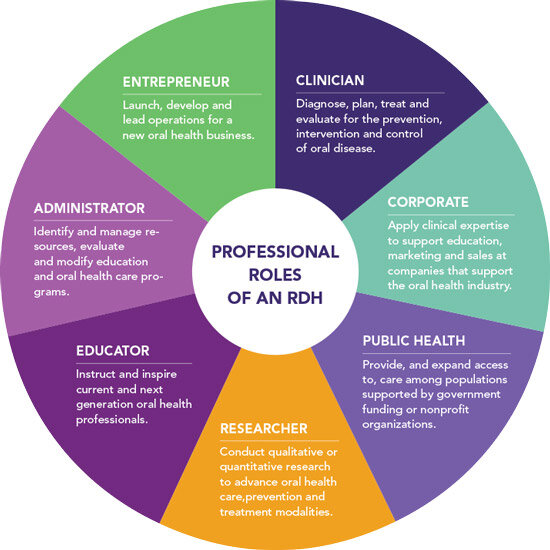
- Career Advancement: The RDH designation opens doors to various career paths, including general dental practices, public health clinics, specialty dental offices (orthodontics, periodontics, pediatric dentistry), research, education, and even sales and consulting roles within the dental industry.
- Building a Reputation: Experienced RDHs can build strong reputations based on their clinical skills, patient rapport, and commitment to continuous learning. This personal brand can lead to referrals and a loyal patient following.
The investment in education and licensure directly translates into marketability and earning potential for Registered Dental Hygienists.
The RDH as a Practice Differentiator
For dental practices, highlighting the presence of licensed RDHs on their team is a strategic branding move. It communicates to potential patients that the practice prioritizes preventive care and offers a high standard of service. This can be leveraged in marketing efforts through:
- Website and Marketing Materials: Clearly stating “Our team includes experienced Registered Dental Hygienists” on websites, brochures, and social media profiles can attract patients who value thorough cleanings and comprehensive oral health education.
- Specialized Services: Practices can market specific services offered by RDHs, such as advanced periodontal therapy, pediatric dental hygiene, or specialized stain removal, thereby differentiating themselves from competitors.
- Patient Retention: A strong emphasis on the quality of care provided by RDHs can contribute to higher patient satisfaction and retention rates. Patients who feel well-cared for and educated are more likely to return and recommend the practice.
- Building Trust and Credibility: The RDH title inherently builds trust. Patients associate it with professionalism, safety, and a commitment to their well-being. This perception is a powerful branding tool that fosters loyalty and positive word-of-mouth referrals.
In essence, the RDH title acts as a seal of quality. It signals to the public that they can expect a certain level of expertise, ethical conduct, and patient-centered care. This is invaluable for establishing and maintaining a strong brand identity in the competitive dental marketplace.
The Future of the RDH Brand: Evolving Roles and Expanding Impact
The brand of the Registered Dental Hygienist is not static; it is continuously evolving to meet the changing needs of patients and the advancements in dental science and technology. The core values of preventive care and patient education remain, but the scope of practice and the impact of the RDH are expanding.
Expanding Scope of Practice and Specialization
As healthcare models evolve, the role of the RDH is being recognized for its potential to address broader public health needs and to operate with greater autonomy in certain settings. This includes:
- Public Health Initiatives: RDHs are increasingly involved in community outreach programs, school-based dental health education, and working in underserved populations to improve oral health literacy and access to care.
- Alternative Practice Settings: In some regions, RDHs are working in settings beyond traditional dental offices, such as nursing homes, community health centers, and even directly in schools or workplaces, bringing preventive services directly to where people are.
- Advanced Certifications and Specializations: The development of advanced certifications in areas like periodontology, orthodontics, and pediatric dental hygiene allows RDHs to further specialize and offer more targeted expertise, enhancing their professional brand and marketability.
Integration of Technology and Data
The integration of technology is also shaping the future of the RDH brand. Digital tools are enhancing diagnostic capabilities, patient communication, and the efficiency of care delivery. This includes:
- Digital Radiography: RDHs are proficient in capturing and interpreting digital X-rays, which provide clearer images and reduce radiation exposure.
- Electronic Health Records (EHRs): The use of EHRs allows for seamless sharing of patient information, better coordination of care, and more efficient record-keeping.
- Tele-Dentistry: In some cases, RDHs are leveraging tele-dentistry platforms to provide consultations, monitor patient progress remotely, and educate patients, expanding their reach and accessibility.
- Data Analytics: The ability to collect and analyze patient data can help RDHs identify trends, track treatment outcomes, and personalize preventive strategies, further solidifying their role as integral members of the healthcare team.
The RDH brand is a testament to the power of specialized expertise, dedicated patient care, and a commitment to lifelong learning. It signifies a professional who is not only skilled in the technical aspects of oral hygiene but also a vital educator, a collaborator, and a cornerstone of preventive healthcare. As the field of dentistry continues to advance, the RDH title will undoubtedly remain a mark of excellence, trust, and a vital contributor to the health and well-being of individuals and communities.
aViewFromTheCave is a participant in the Amazon Services LLC Associates Program, an affiliate advertising program designed to provide a means for sites to earn advertising fees by advertising and linking to Amazon.com. Amazon, the Amazon logo, AmazonSupply, and the AmazonSupply logo are trademarks of Amazon.com, Inc. or its affiliates. As an Amazon Associate we earn affiliate commissions from qualifying purchases.