
Radiator fluid, often colloquially referred to as antifreeze or coolant, is a critical, yet frequently overlooked, component of a vehicle’s internal combustion engine. Its primary role is far more complex than simply keeping things cool. Radiator fluid is a sophisticated chemical solution designed to manage the extreme temperature fluctuations inherent in engine operation, ensuring optimal performance, longevity, and preventing catastrophic failures. Understanding its multifaceted functions is essential for any vehicle owner or aspiring mechanic, as its proper maintenance directly impacts the health and efficiency of the engine.
The title “What Does Radiator Fluid Do?” firmly falls within the Tech category. While automotive systems might seem mechanical, the advanced chemistry and engineering that govern their operation, including the sophisticated formulations of radiator fluid, align perfectly with the principles of technological application and innovation. This article will delve into the technical aspects of radiator fluid’s composition, its operational mechanisms, the technological advancements in its formulation, and the digital tools and diagnostic methods that help monitor its condition.

The Thermodynamics of Engine Cooling: Beyond Simple Heat Dissipation
An internal combustion engine operates by igniting a fuel-air mixture within cylinders. This combustion process generates immense heat, far exceeding the temperature at which engine components would begin to degrade or seize. The engine’s design, therefore, necessitates a robust cooling system, and radiator fluid is the primary medium through which this system functions. Its role extends beyond merely absorbing heat; it actively facilitates its removal from the engine’s vital components and dissipates it into the atmosphere.
Heat Transfer and the Role of Glycol
The core function of radiator fluid is its ability to absorb and transport heat. This is primarily achieved through its chemical composition. Modern radiator fluids are typically a mixture of water and a type of alcohol, most commonly ethylene glycol or propylene glycol. Water possesses excellent heat-absorbing properties, but its low boiling point and tendency to freeze at relatively mild temperatures make it unsuitable for direct use in an engine’s cooling system. Glycols, on the other hand, significantly raise the boiling point and lower the freezing point of the mixture, providing a wider operational temperature range.
When the engine is running, the hot coolant circulates from the engine block, where it absorbs heat from the combustion process, to the radiator. The radiator is essentially a heat exchanger, designed with a large surface area of thin metal fins. As air flows through these fins (either from the vehicle’s movement or an electric fan), it draws heat away from the coolant, cooling it down. The cooled fluid then returns to the engine to repeat the cycle. This continuous loop of heat absorption, transport, and dissipation is fundamental to preventing the engine from overheating.
Preventing Freezing and Boiling: The Freezing Point Depression and Boiling Point Elevation
The dual protection offered by radiator fluid against extreme temperatures is a testament to chemical engineering. The freezing point depression is crucial for vehicles operating in cold climates. Without antifreeze, water in the cooling system would freeze, expand, and potentially crack the engine block, radiator, or hoses – a repair that is both costly and time-consuming. The addition of glycol molecules disrupts the hydrogen bonding of water, making it more difficult for ice crystals to form and thus lowering the freezing point significantly.
Conversely, boiling point elevation is equally vital. Engine operating temperatures can reach well over 200 degrees Fahrenheit (93 degrees Celsius), and under pressure within the cooling system, the boiling point of water is further elevated. However, without glycol, even pressurized water could reach its boiling point and turn into steam. Steam is a poor conductor of heat and can create hot spots within the engine, leading to thermal stress and damage. The glycol in the radiator fluid raises the boiling point of the mixture, ensuring it remains in a liquid state even under strenuous operating conditions and high temperatures. This prevents the formation of steam and maintains the efficiency of the cooling system.
The Chemical Arsenal: Corrosion Inhibition and Lubrication
Beyond temperature management, radiator fluid plays a crucial role in protecting the internal components of the cooling system from degradation. The high temperatures, constant flow, and the presence of dissimilar metals within the cooling system create an environment ripe for corrosion and wear. Advanced radiator fluid formulations incorporate a complex blend of chemical additives designed to combat these issues.
The Battle Against Corrosion: Protecting Metal Components
The cooling system is comprised of various metals, including aluminum, cast iron, steel, and brass. When these metals come into contact with a fluid, especially at elevated temperatures, electrochemical reactions can occur, leading to corrosion. Radiator fluid contains specialized corrosion inhibitors, which form a protective film on the surface of these metal components. This film acts as a barrier, preventing direct contact between the metal and the corrosive elements in the fluid or in the air that might enter the system.
Different types of corrosion inhibitors exist, each targeting specific metals or types of corrosion. For instance, silicates are often used to protect aluminum components, while organic acids are employed in newer “organic acid technology” (OAT) coolants to provide long-lasting protection for a wider range of materials. The careful selection and balance of these inhibitors are crucial to prevent localized corrosion, pitting, and the eventual failure of critical engine parts like the water pump, thermostat housing, and radiator itself.
Lubrication and Seal Integrity: Keeping the System Smooth
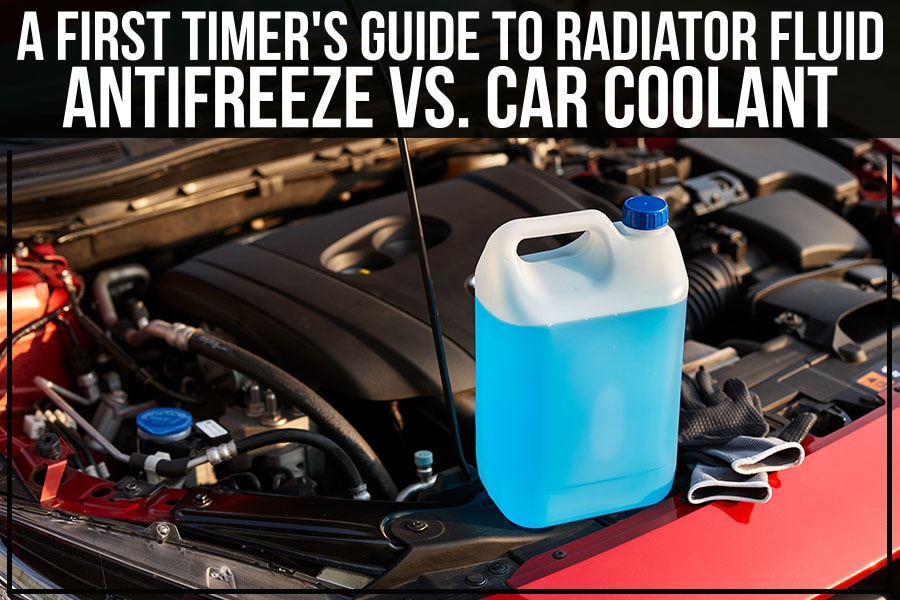
The water pump is a vital component of the cooling system, responsible for circulating the radiator fluid throughout the engine. This pump contains seals and bearings that require lubrication to operate efficiently and prevent premature wear. While not its primary function, radiator fluid does provide a degree of lubrication for these moving parts. The glycol component contributes to this lubricating effect, reducing friction and extending the lifespan of the water pump and its seals.
Furthermore, the seals and gaskets within the cooling system, such as those on the radiator cap and hose connections, are also exposed to the radiator fluid. The fluid helps to maintain the flexibility and integrity of these rubber and plastic components, preventing them from drying out, cracking, and leading to coolant leaks. A compromised seal can result in a significant loss of coolant, leading to overheating and potential engine damage.
Technological Advancements in Radiator Fluid: From Basic to Advanced Formulations
The evolution of radiator fluid mirrors the advancements in automotive technology itself. Early automotive cooling systems relied on simple water mixed with alcohol. However, as engines became more powerful, operating temperatures increased, and materials science progressed, the demands on radiator fluid grew exponentially. This led to the development of sophisticated, multi-functional coolant formulations.
The Rise of Ethylene Glycol and Propylene Glycol
As mentioned earlier, ethylene glycol became the dominant base for antifreeze for many decades due to its excellent freezing point depression and boiling point elevation properties, as well as its relatively low cost. However, concerns regarding its toxicity led to the development and increasing use of propylene glycol. While slightly less efficient in terms of freezing point depression and boiling point elevation compared to ethylene glycol at the same concentration, propylene glycol is significantly less toxic, making it a safer choice in applications where accidental ingestion is a concern, such as in marine or recreational vehicle cooling systems.
The Era of Hybrid and Organic Acid Technology (HOAT and OAT)
The demand for longer service intervals and enhanced protection led to the development of Hybrid Organic Acid Technology (HOAT) and Organic Acid Technology (OAT) coolants. Traditional coolants relied on inorganic additives like silicates, phosphates, and borates to provide corrosion protection. While effective, these inorganic inhibitors could deplete over time, leading to reduced protection and potential issues like silicate gel formation.
HOAT coolants combine the benefits of inorganic inhibitors (for rapid initial protection) with organic acid inhibitors (for long-term, sustained protection). OAT coolants, on the other hand, rely exclusively on organic acids, which form a molecular layer on metal surfaces to prevent corrosion. These advanced formulations offer significantly extended service life, often lasting for 5 years or 100,000 miles or more, and provide superior protection against a wider range of corrosive conditions. Selecting the correct type of OAT or HOAT coolant for a specific vehicle is crucial, as mixing incompatible types can lead to reduced performance and potential damage.
Monitoring and Maintaining Radiator Fluid: Leveraging Digital Tools and Diagnostics
The optimal performance and longevity of a vehicle’s cooling system are directly tied to the condition of its radiator fluid. Regularly monitoring and maintaining this vital fluid is no longer solely a matter of manual inspection; modern technology offers sophisticated tools and diagnostic methods to ensure its efficacy.
Visual Inspection and Simple Testing Kits
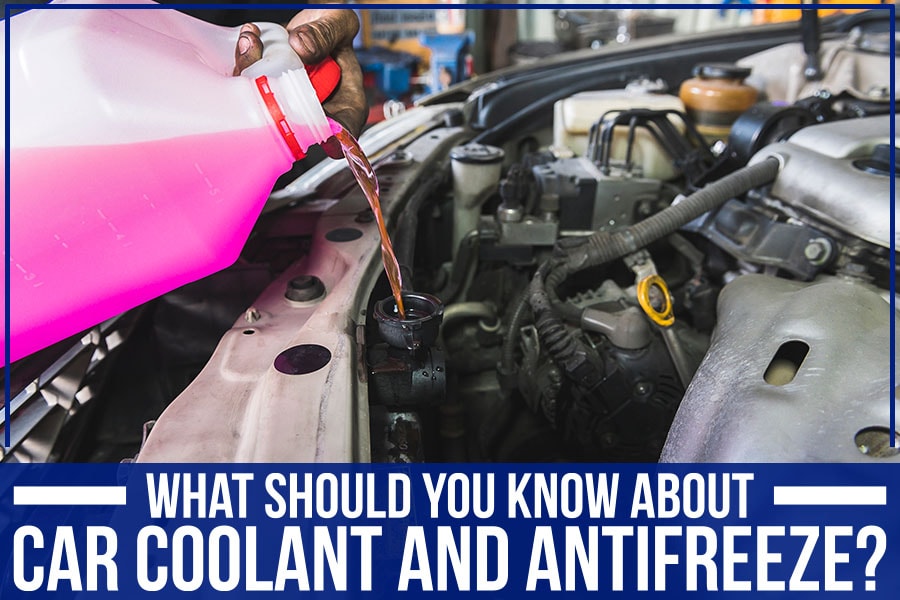
The most basic form of monitoring involves a visual inspection of the coolant’s color and level. Radiator fluid typically comes in a variety of colors (green, orange, pink, yellow, blue) depending on its formulation. A significant drop in the fluid level can indicate a leak. Discoloration, cloudiness, or the presence of debris can signal contamination or the depletion of corrosion inhibitors. Simple hydrometers can be used to test the freezing point of the fluid, while refractometers offer a more accurate way to measure both freezing and boiling points. These are accessible and affordable tools for basic maintenance.
Advanced Diagnostic Tools and Sensor Technology
Modern vehicles are increasingly equipped with sophisticated sensor technology and diagnostic systems that can provide real-time insights into the cooling system’s health. The Engine Control Unit (ECU) monitors coolant temperature and pressure, and can detect anomalies that might indicate a problem with the coolant or the cooling system itself.
On a professional level, advanced diagnostic equipment can analyze the chemical composition of the coolant. Techniques like spectroscopy can identify the presence and concentration of various inhibitors and contaminants, providing a detailed assessment of the fluid’s remaining service life and its ability to protect the system. These tools are invaluable for technicians in diagnosing complex cooling system issues and ensuring that the correct maintenance procedures are followed. Furthermore, digital maintenance logs and reminder systems, often integrated into vehicle infotainment systems or smartphone apps, help owners track their coolant changes and proactively address potential problems.
In conclusion, radiator fluid is far more than just a simple liquid. It is a complex chemical solution engineered to perform critical functions in maintaining engine health and efficiency. From its fundamental role in heat transfer and temperature regulation to its vital protective properties against corrosion and wear, radiator fluid is a cornerstone of modern automotive technology. Understanding its science, appreciating the technological advancements in its formulation, and utilizing available diagnostic tools for its maintenance are essential steps for ensuring the longevity and optimal performance of any vehicle.
aViewFromTheCave is a participant in the Amazon Services LLC Associates Program, an affiliate advertising program designed to provide a means for sites to earn advertising fees by advertising and linking to Amazon.com. Amazon, the Amazon logo, AmazonSupply, and the AmazonSupply logo are trademarks of Amazon.com, Inc. or its affiliates. As an Amazon Associate we earn affiliate commissions from qualifying purchases.