
In the landscape of modern personal finance, the FIRE (Financial Independence, Retire Early) movement has transitioned from a niche subculture of extreme frugality into a mainstream philosophy for wealth building. At its core, FIRE is about reclaiming time by accumulating enough assets to cover living expenses for the remainder of one’s life. However, as the movement has matured, the strategies used to reach the finish line have become more sophisticated. Enter the “RACE” framework—a tactical blueprint designed to accelerate the journey toward financial freedom.
RACE stands for Revenue Maximization, Asset Allocation, Compound Growth, and Expense Optimization. While the FIRE acronym describes the ultimate goal, the RACE framework describes the engine that drives a person toward that goal. Understanding what RACE means in the context of FIRE is essential for anyone looking to compress forty years of traditional career building into ten or fifteen years of high-intensity wealth accumulation.
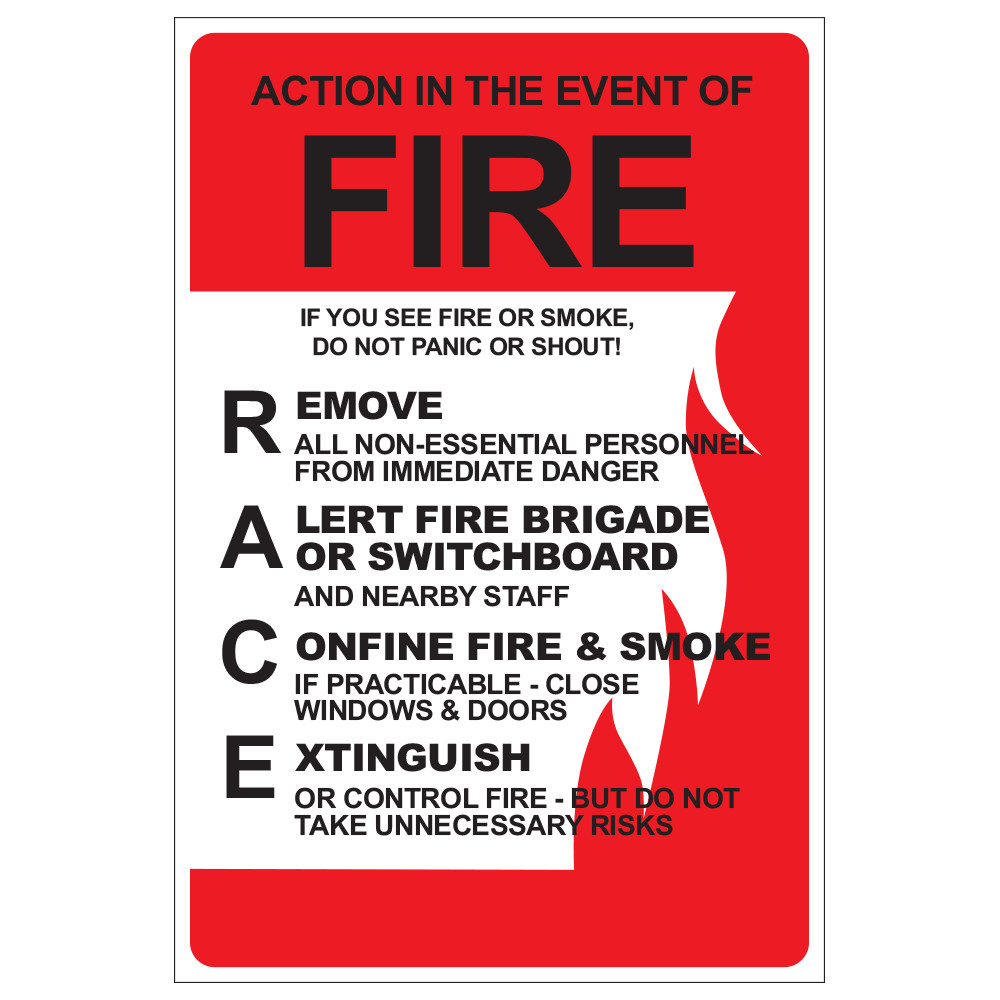
Decoding the RACE Acronym: The Engines of Early Retirement
To understand how RACE functions within the FIRE movement, one must look at it as a holistic system where each component feeds into the next. It is not enough to simply save money; one must optimize the velocity at which that money grows.
R is for Revenue Maximization
The traditional “Early Retirement” advice often focuses heavily on cutting back—skipping the proverbial latte or living in a van. While frugality is a pillar of the movement, the “R” in RACE emphasizes the importance of the top-line number: your income. There is a mathematical floor to how much you can cut your expenses, but there is no ceiling on how much you can earn.
Revenue Maximization involves a multi-pronged approach to income. For a professional, this may mean aggressive career ladder-climbing, negotiating higher salaries, or pivoting to high-margin industries like tech or finance. For the entrepreneur, it involves scaling a business or creating passive income streams. In the FIRE context, every additional dollar earned is “high-octane fuel.” Because your lifestyle is already funded by your base salary, every dollar of additional revenue can theoretically be diverted 100% into investments, dramatically shortening the time to retirement.
A is for Asset Allocation
Once the revenue is generated, the next step in the RACE is determining where that capital lives. Asset Allocation is the process of spreading investments across various categories—such as equities, real estate, bonds, and alternative assets—to balance risk and reward.
In the FIRE community, the “Total Stock Market” approach is a popular standard, often utilizing low-cost index funds. However, a sophisticated RACE strategy looks at “A” through the lens of tax efficiency and diversification. This includes maximizing contributions to tax-advantaged accounts like 401(k)s, IRAs, and HSAs, while also considering the role of cash-flowing real estate. The goal of asset allocation in the RACE framework is to create a “weather-proof” portfolio that can survive market volatility without forcing the individual to return to the workforce.
C is for Compound Growth
If revenue is the fuel and asset allocation is the vehicle, Compound Growth is the physics that makes the journey possible. The “C” in RACE reminds investors that time in the market is more important than timing the market. For those pursuing FIRE, compounding is the “magic” that allows a portfolio to eventually grow faster than the individual can contribute to it.
The RACE framework places a heavy emphasis on the “Critical Mass” point—the moment when your investment returns exceed your annual contributions. To maximize compounding, FIRE adherents focus on reinvesting dividends and avoiding “leakage” (such as high management fees or unnecessary taxes). By understanding the exponential nature of growth, an investor can stay motivated during the “boring middle” of the journey, knowing that the heaviest lifting is done by the interest, not the labor.
E is for Expense Optimization
The final letter in the acronym represents the most famous aspect of the FIRE movement, but with a modern twist. Expense Optimization is not about deprivation; it is about efficiency. It is the practice of auditing every recurring cost to ensure it provides maximum value.
In the RACE framework, “E” is directly tied to the “4% Rule,” a guideline derived from the Trinity Study which suggests that if you can live off 4% of your total portfolio annually, your money will likely last for 30 years or more. By optimizing expenses and lowering the “burn rate,” an individual reduces the total “FIRE Number” (the total amount needed to retire). For example, if you spend $40,000 a year, you need $1 million to retire. If you optimize your life to spend $35,000, your target drops to $875,000. That $125,000 difference could represent years of additional labor.
Why the RACE Framework is Essential for the FIRE Journey
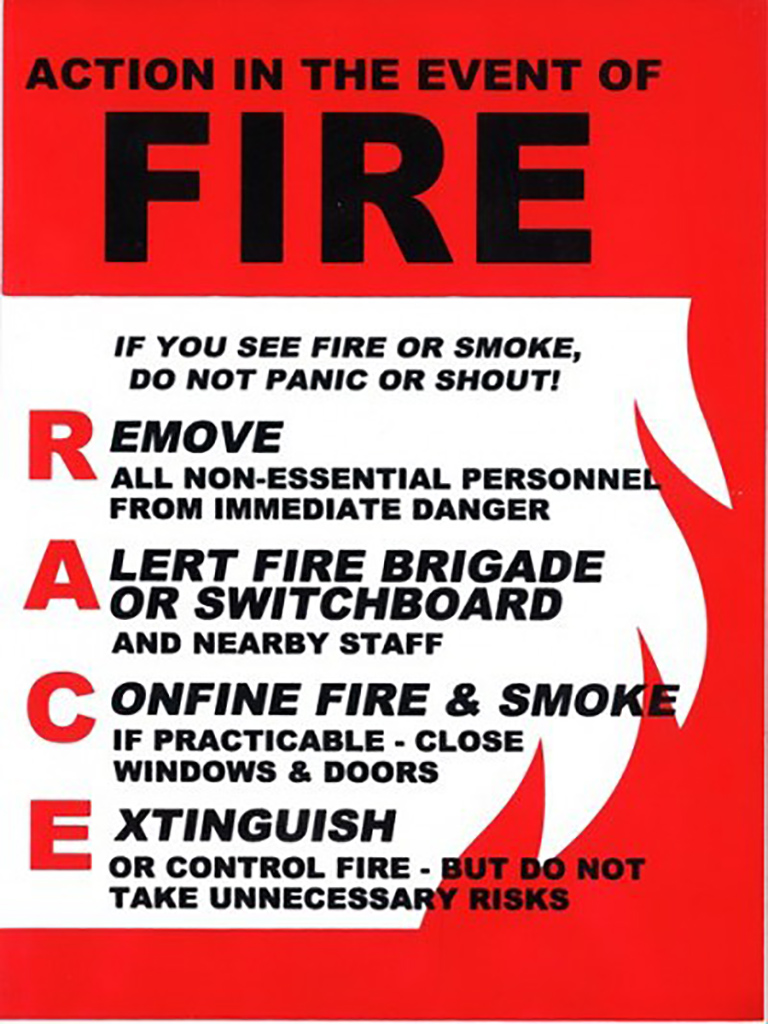
The journey to financial independence is often described as a marathon, but for those who want to retire in their 30s or 40s, it is a race against time and inflation. The RACE framework provides a structured way to monitor progress. Without a framework, many people fall into the trap of “One More Year” syndrome—the fear that they don’t have enough, leading them to work far longer than necessary.
The RACE framework also addresses the psychological hurdles of the FIRE movement. By breaking the process down into Revenue, Allocation, Compounding, and Expenses, investors can identify exactly where their strategy is lagging. If the portfolio isn’t growing fast enough, is it a revenue problem (not enough coming in) or an expense problem (too much going out)? By diagnosing the specific area of friction, the investor can make data-driven adjustments rather than emotional ones.
Furthermore, this framework shifts the focus from “saving” to “investing.” Saving is defensive; it is about preservation. RACE is offensive; it is about growth and strategic deployment of capital. This mindset shift is often what separates those who talk about financial independence from those who actually achieve it.
Implementing the RACE Strategy: From Theory to Portfolio
Implementing the RACE framework requires a high degree of discipline and a willingness to engage with the “math” of your life. The first step is to calculate your current “Savings Rate”—the percentage of your take-home pay that goes toward investments. In a standard retirement plan, people save 10-15%. In a FIRE RACE, that number often exceeds 50%.
To push the savings rate that high, one must concurrently work on all four cylinders of the RACE engine. This might look like:
- Revenue: Taking on a side hustle or upskilling to land a promotion that increases annual income by 20%.
- Allocation: Moving away from high-fee mutual funds into a diversified mix of VTSAX (Vanguard Total Stock Market) and perhaps a rental property to provide non-correlated income.
- Compounding: Automating investments so that capital is deployed the moment it hits the bank account, ensuring no “drag” on the growth potential.
- Optimization: Utilizing “Geo-arbitrage”—moving to a lower cost-of-living area or a state with no income tax—to drastically reduce the “E” variable without sacrificing quality of life.
By synchronizing these efforts, the “time to FIRE” begins to shrink. The interaction between “R” and “E” creates the “Gap”—the surplus money available for investment. The interaction between “A” and “C” determines how effectively that surplus works for you.
Navigating the Challenges of a Fast-Paced Financial Race
While the RACE framework is a powerful tool, it is not without its risks. The most prominent challenge is “Burnout.” The drive to maximize revenue and optimize expenses can lead to a state of constant stress, where the individual is so focused on the future that they neglect the present. Professional burnout can derail the “Revenue” side of the equation, while “frugality fatigue” can lead to a reactionary spending spree that damages the “Expense” side.
Another risk is “Sequence of Returns Risk.” This occurs when a market downturn happens just as an individual is about to cross the FIRE finish line. If the “Asset Allocation” is too aggressive, a 20% market drop could set a retirement plan back by years. To mitigate this, many in the FIRE community utilize a “Bond Tent” or a “Cash Cushion”—keeping one to two years of expenses in liquid assets to avoid selling equities during a down market.
Finally, there is the risk of “Identity Loss.” Many people spend so much time in the “RACE” that they forget who they are outside of their productivity and their bank balance. Successful FIRE adherents recommend “Retiring TO something,” rather than just “Retiring FROM a job.” The RACE is a means to an end, not the end itself.
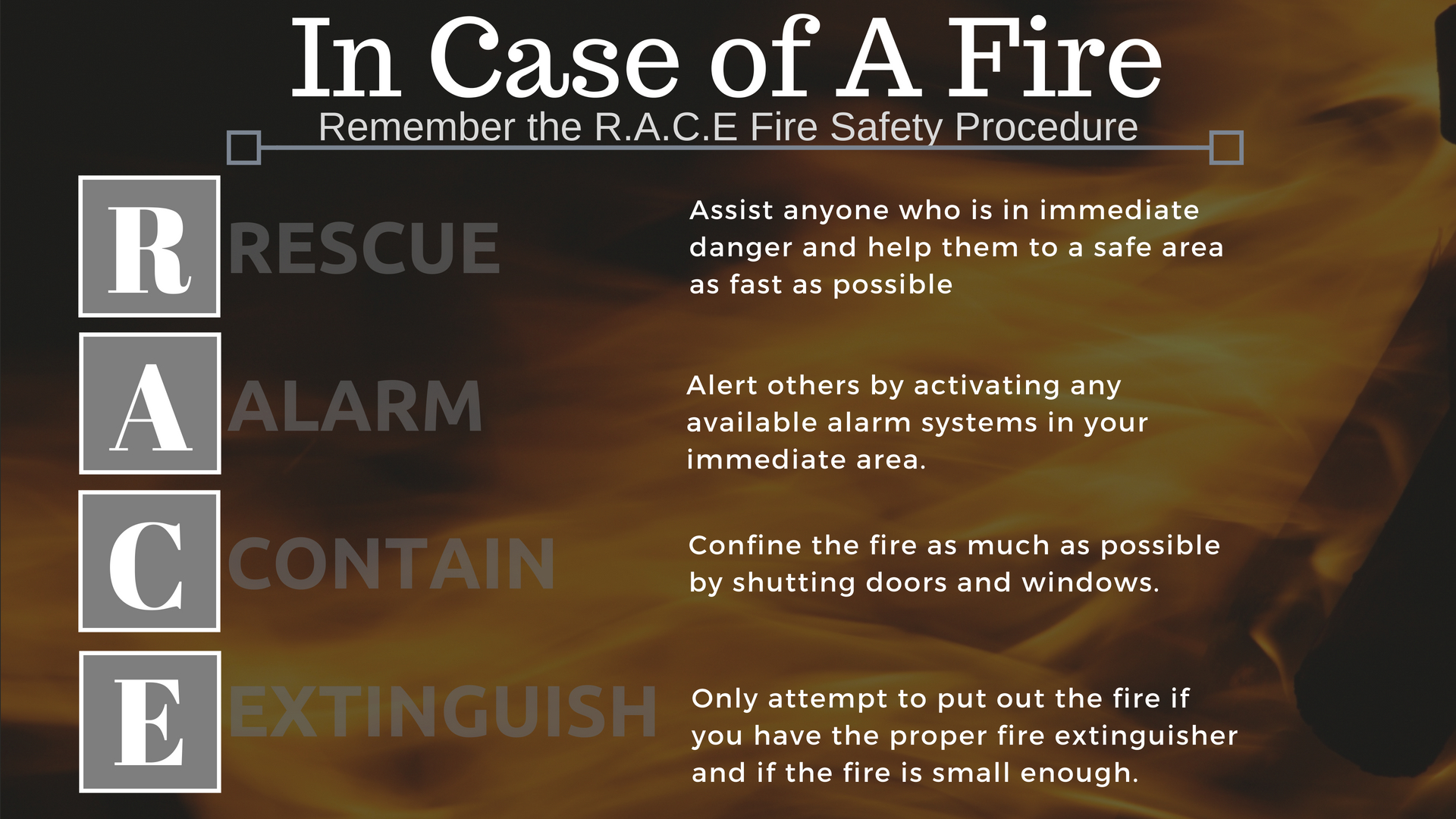
Beyond the Finish Line: Sustainability After Retirement
The “E” in RACE (Expense Optimization) becomes even more critical once the paycheck stops. Post-retirement, the RACE framework evolves into a maintenance strategy. Revenue may now come from dividends or rental income rather than a salary. Asset Allocation shifts toward capital preservation. Compounding continues, but now it must outpace both inflation and the individual’s withdrawals.
The ultimate goal of understanding what RACE means in FIRE is to reach a state of “Work Flexibility.” For many, the “Retire Early” part of FIRE doesn’t mean sitting on a beach for 50 years. It means having the financial floor to take risks, start a passion-based business, or work part-time in a field they love.
By mastering the RACE framework, investors move beyond the simple math of “save more, spend less.” They begin to treat their personal finances with the same strategic rigor as a high-growth corporation. In the fire of economic uncertainty, the RACE framework provides the heat-shielding and the propulsion necessary to reach the goal of true financial sovereignty. Whether you are just starting your career or are mid-way through your journey, internalizing these four pillars is the most effective way to ensure that your financial independence isn’t just a dream, but an eventual certainty.
aViewFromTheCave is a participant in the Amazon Services LLC Associates Program, an affiliate advertising program designed to provide a means for sites to earn advertising fees by advertising and linking to Amazon.com. Amazon, the Amazon logo, AmazonSupply, and the AmazonSupply logo are trademarks of Amazon.com, Inc. or its affiliates. As an Amazon Associate we earn affiliate commissions from qualifying purchases.