
In the rapidly evolving landscape of modern technology, acronyms serve as the shorthand for innovation. However, few two-letter abbreviations carry as much weight—or cause as much confusion—as “QC.” If you are browsing a software development forum, reading a hardware specification sheet, or following the latest breakthroughs in theoretical physics, you will inevitably encounter these letters.
So, what does QC stand for? In the professional tech sector, the answer typically bifurcates into two critical domains: Quantum Computing and Quality Control. While one represents the cutting-edge future of computational power, the other serves as the foundational discipline that ensures our current gadgets and software actually work. This article explores both facets of QC, analyzing how they shape the tech trends, tools, and digital security of today and tomorrow.

Quantum Computing: The Frontier of Digital Transformation
When tech enthusiasts ask “What does QC stand for?” in the context of the next decade’s biggest trends, the answer is almost always Quantum Computing. This isn’t just a faster version of the computers we use today; it is a fundamental shift in how information is processed.
The Mechanics of Qubits and Superposition
To understand Quantum Computing (QC), one must first look at the “classical” computing we use in our phones and laptops. Classical computers use bits—tiny switches that are either 0 or 1. Quantum Computing, however, uses quantum bits, or “qubits.”
Unlike a standard bit, a qubit can exist in a state of superposition, meaning it can represent a 0, a 1, or both simultaneously. When you link these qubits through a phenomenon called entanglement, the computational power grows exponentially. While a classical computer must solve complex problems one step at a time, a QC system can explore a vast multitude of possibilities all at once. This allows for the processing of data at speeds that were previously thought to be impossible.
Why QC is a Game-Changer for AI and Cryptography
The tech industry is currently obsessed with Artificial Intelligence (AI), but AI requires massive amounts of data and processing power. Quantum Computing is the engine that will likely drive the next generation of AI tools. By utilizing QC, machine learning algorithms can be trained in a fraction of the time, identifying patterns in massive datasets that would take classical supercomputers years to decipher.
However, the rise of QC also brings significant challenges to digital security. Most of our current encryption methods rely on the fact that it is incredibly difficult for a classical computer to factor large prime numbers. A sufficiently powerful quantum computer could crack these codes in minutes. This has led to a surge in “Post-Quantum Cryptography,” a niche in digital security dedicated to creating encryption that even a QC system cannot break.
Quality Control in Software Engineering
While Quantum Computing represents the “what’s next,” the second meaning of QC—Quality Control—is what keeps the “what’s now” running smoothly. In the world of software development and app creation, QC is the rigorous process of ensuring that a product meets the specified requirements and is free of defects before it reaches the end-user.
Differentiating QA vs. QC in the Dev Cycle
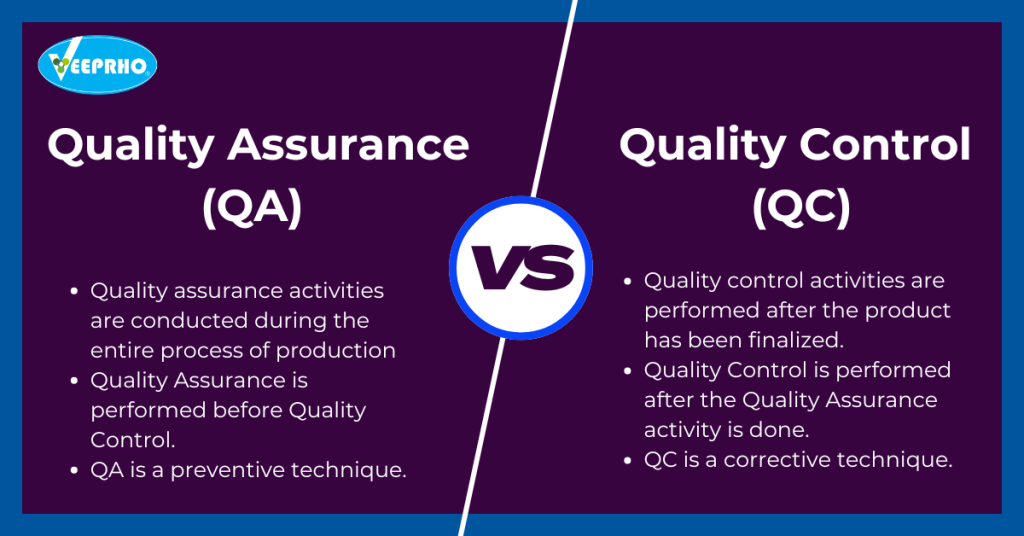
In tech circles, the terms Quality Assurance (QA) and Quality Control (QC) are often used interchangeably, but they represent different stages of the development lifecycle.
-
Quality Assurance (QA) is proactive. It focuses on the processes used to create the software, ensuring that the development environment is set up to prevent bugs from occurring in the first place.
-
Quality Control (QC) is reactive. It is the tactical phase where the actual product is tested. QC specialists run the code, use the app, and try to “break” the system to identify bugs, glitches, or security vulnerabilities.
In a professional tech environment, QC stands for the final gatekeeper. Without a robust QC protocol, software updates could crash systems, and apps could leak sensitive user data, leading to a total loss of digital security and consumer trust.

The Role of Automation in Modern QC Protocols
As software becomes more complex, manual Quality Control is no longer sufficient. This has given rise to Automated QC tools. Developers now use scripts and AI-driven testing suites to perform regression testing, load testing, and unit testing. These tools can run thousands of checks in seconds, ensuring that a new line of code doesn’t inadvertently break a feature that was working perfectly yesterday. For any tech professional, mastering these QC tools is essential for maintaining the integrity of digital products in an era of continuous deployment.
The Intersection of Hardware QC and Semiconductor Manufacturing
The acronym QC is equally vital in the world of hardware and gadgets. When you buy a high-end smartphone or a state-of-the-art GPU, you are benefiting from some of the most stringent Quality Control measures in the world.
Maintaining Precision in Microchip Production
In the semiconductor industry, QC stands for the difference between a flagship processor and a piece of useless silicon. Microchips are manufactured in “clean rooms” where even a single speck of dust can ruin a circuit. Hardware QC involves using high-resolution electron microscopes and automated optical inspection (AOI) to scan every nanometer of a wafer for defects.
As we push toward 3nm and 2nm process nodes, the QC requirements become even more grueling. Tech giants like TSMC, Intel, and Samsung invest billions of dollars into their QC departments because a minor error in the manufacturing line can result in millions of dollars in lost revenue and faulty hardware.
How QC Ensures Gadget Longevity
For the average consumer, QC is experienced through the reliability of their gadgets. Reviews often point to “build quality” as a deciding factor in a purchase. This is a direct result of the QC process. Before a laptop or smartphone is released, it undergoes environmental testing—being subjected to extreme heat, cold, and humidity—to ensure the hardware won’t fail under stress. This physical QC is what allows manufacturers to offer warranties and guarantees, providing users with peace of mind regarding their digital investments.
Emerging “QC” Trends: Quick Charge and Quiet Computing
Beyond the heavy hitters of Quantum Computing and Quality Control, the tech niche uses “QC” to describe specific features in gadgets and peripherals that enhance the user experience.
Fast-Charging Standards: Qualcomm’s Quick Charge
In the mobile tech space, QC often refers to Quick Charge, a proprietary battery charging protocol developed by Qualcomm. As our reliance on mobile devices has grown, the “QC” rating on a wall adapter or a power bank has become a vital specification.
Quick Charge technology allows for much higher levels of power transfer to the battery than standard USB charging. Through various iterations (QC 3.0, 4.0, and 5.0), this technology has evolved to include sophisticated power management algorithms that prevent the battery from overheating, thereby extending the lifespan of the gadget while providing rapid top-ups.
The Evolution of Thermal Management: Quiet Computing
For PC builders and workstation users, QC stands for Quiet Computing. This trend focuses on high-performance hardware that operates with minimal acoustic output. In an era where many people work from home or record digital content, the “QC” of a system—its ability to move air and dissipate heat without sounding like a jet engine—is a major selling point. This involves the use of specialized fan blade designs, liquid cooling loops, and noise-dampening case materials.
Why Understanding QC is Crucial for Future Tech Literacy
As we have seen, “QC” is a versatile and powerful acronym in the technology sector. Whether it is the world-changing potential of Quantum Computing or the disciplined rigor of Quality Control, these two letters represent the pinnacle of technical excellence.
For the tech-savvy individual, understanding these nuances is essential. If you are an investor or a developer, Quantum Computing represents a paradigm shift that you must prepare for, particularly regarding digital security. If you are a software engineer or hardware designer, Quality Control is the standard by which your professional success will be measured.
In conclusion, “QC” stands for the pursuit of perfection in the digital age. It is the bridge between a theoretical idea and a functional, secure, and powerful reality. As we move deeper into the 21st century, the importance of both Quantum Computing and Quality Control will only continue to grow, defining the gadgets we use, the software we rely on, and the security of our global digital infrastructure. By keeping a close eye on these “QC” trends, you stay at the forefront of the technological revolution.
aViewFromTheCave is a participant in the Amazon Services LLC Associates Program, an affiliate advertising program designed to provide a means for sites to earn advertising fees by advertising and linking to Amazon.com. Amazon, the Amazon logo, AmazonSupply, and the AmazonSupply logo are trademarks of Amazon.com, Inc. or its affiliates. As an Amazon Associate we earn affiliate commissions from qualifying purchases.