
In the dynamic world of agile methodologies and software development, acronyms abound. Among these, “PSM” frequently appears, particularly within discussions surrounding Scrum and agile project management. For those new to the field, or even for seasoned professionals seeking to solidify their understanding, the question “What does PSM stand for?” is a crucial starting point. This article delves into the meaning of PSM, focusing exclusively on its implications within the Tech niche, exploring its significance, the associated certifications, and the critical role a Professional Scrum Master plays in modern technology organizations.

The Core Meaning: Professional Scrum Master
At its most fundamental level, PSM stands for Professional Scrum Master. This designation is not merely an arbitrary title; it represents a specific role and a set of competencies recognized within the Scrum framework, a popular agile project management methodology widely adopted in the technology sector. Scrum itself is an iterative and incremental framework for managing complex product development, emphasizing collaboration, self-organization, and continuous improvement. The Scrum Master, therefore, is a cornerstone of this framework, facilitating its effective implementation and fostering an environment where Scrum teams can thrive.
Understanding the Scrum Framework
Before diving deeper into the PSM role, it’s essential to grasp the context of Scrum. Developed by Ken Schwaber and Jeff Sutherland, Scrum is designed to tackle complex problems by enabling teams to deliver value in increments. It’s built upon empirical process control theory, relying on transparency, inspection, and adaptation. The framework consists of roles, events, artifacts, and rules that bind them together.
- Roles: In Scrum, there are three core roles: the Product Owner, who is responsible for maximizing the value of the product resulting from the work of the Development Team; the Development Team, a self-organizing and cross-functional group that does the work of delivering a potentially releasable Increment of product at the end of each Sprint; and the Scrum Master, who is responsible for promoting and supporting Scrum as defined in the Scrum Guide.
- Events: Scrum events are time-boxed opportunities to inspect and adapt artifacts. These include the Sprint, Sprint Planning, Daily Scrum, Sprint Review, and Sprint Retrospective.
- Artifacts: Scrum artifacts represent work or value to provide transparency and opportunities for inspection and adaptation. These are the Product Backlog, Sprint Backlog, and Increment.
The Scrum Master’s Purpose
The Scrum Master is often described as a “servant-leader” for the Scrum Team. Their primary goal is to ensure the team adheres to Scrum theory, practices, and rules, while also helping those outside the team understand which interactions with the Scrum Team are helpful and which aren’t. They are facilitators, coaches, mentors, and impediment removers, all aimed at maximizing the value created by the Scrum Team.
The Significance of PSM Certification
Within the tech industry, the term “PSM” is intrinsically linked to certifications offered by Scrum.org, founded by one of Scrum’s co-creators, Ken Schwaber. Scrum.org offers a robust certification program designed to validate an individual’s understanding of the Scrum framework and their ability to apply its principles effectively. Earning a PSM certification signifies a commitment to professional development and a validated level of expertise in agile practices.
Scrum.org vs. Other Certifications
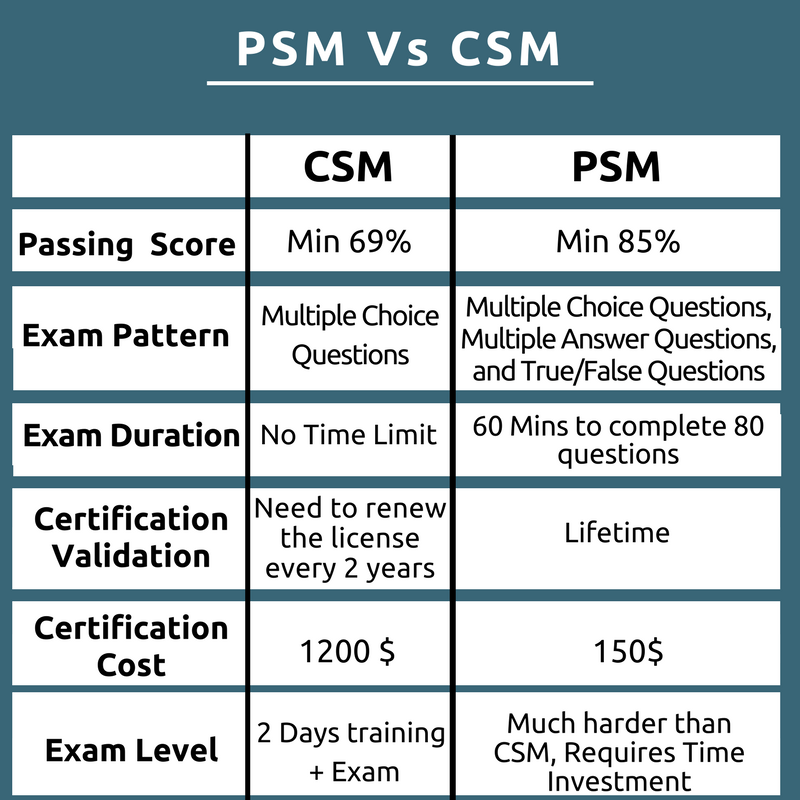
It’s important to distinguish PSM certifications from other agile credentials that may exist. Scrum.org’s PSM certifications are considered industry benchmarks for their rigorous assessment process. Unlike some other certifications, which might be obtained with minimal effort or online training, Scrum.org’s assessments are designed to truly test an individual’s comprehension and application of Scrum.
- PSM I (Professional Scrum Master I): This is the foundational certification, demonstrating a mastery of the Scrum framework as described in the Scrum Guide. Candidates must score a minimum of 85% on a challenging online assessment. It validates that the individual understands Scrum principles and practices and can effectively apply them in their work.
- PSM II (Professional Scrum Master II): This advanced certification goes beyond the basics, requiring candidates to demonstrate a deeper understanding of how to apply Scrum in complex, real-world scenarios. The assessment is more scenario-based and requires a higher level of critical thinking and experience.
- PSM III (Professional Scrum Master III): This is the highest level of PSM certification offered by Scrum.org, representing true mastery of the Scrum framework. The assessment is a comprehensive essay-based exam that evaluates an individual’s deep understanding and ability to articulate their knowledge of Scrum.
Benefits of PSM Certification in Tech
For professionals in the technology sector, holding a PSM certification offers several tangible benefits:
- Enhanced Credibility and Recognition: A PSM certification from Scrum.org is widely recognized and respected within the agile community and by employers in the tech industry. It serves as a powerful signal of an individual’s commitment to professional excellence and their understanding of agile principles.
- Improved Job Prospects: Many tech companies actively seek individuals with PSM certifications for roles such as Scrum Master, Agile Coach, or even in senior development or management positions where an understanding of agile is paramount.
- Deeper Understanding and Application: The rigorous nature of the PSM assessments encourages a profound understanding of Scrum. This knowledge translates into more effective team facilitation, better impediment resolution, and ultimately, more successful project outcomes.
- Professional Growth and Networking: Pursuing PSM certification often involves engagement with training courses, study groups, and the broader agile community. This not only deepens knowledge but also provides valuable networking opportunities with like-minded professionals.
- Contribution to Organizational Agility: Certified PSMs are better equipped to champion agile values and principles within their organizations, helping to foster a culture of continuous improvement, adaptability, and high performance.
The Role of a Professional Scrum Master in Tech Teams
The responsibilities of a PSM extend far beyond simply adhering to a checklist of Scrum rules. A truly effective Professional Scrum Master acts as a catalyst for change, enabling teams to reach their full potential. Their influence permeates various aspects of the technology development lifecycle.
Facilitating Scrum Events
The PSM’s primary duty is to ensure that all Scrum events are conducted effectively and productively. This involves not just scheduling and presiding over meetings, but also guiding the conversations, ensuring focus, and facilitating decision-making.
- Daily Scrum: The PSM ensures the Daily Scrum is a valuable event for the Development Team to synchronize activities and create a plan for the next 24 hours. They coach the team to keep it to its time-box and focus on progress toward the Sprint Goal.
- Sprint Planning: The PSM helps the Product Owner and the Development Team collaborate to define the Sprint Goal and select the Product Backlog items for the Sprint. They ensure the team understands the purpose of Sprint Planning and can effectively create a Sprint Backlog.
- Sprint Review: The PSM facilitates the Sprint Review, where the Scrum Team and stakeholders collaborate about what was accomplished in the Sprint. They ensure the event is constructive and leads to valuable feedback for future Sprints.
- Sprint Retrospective: This is a critical event for continuous improvement, and the PSM plays a pivotal role in making it effective. They guide the team in inspecting their processes, identifying what went well, what could be improved, and creating actionable plans for improvement in the next Sprint.
Coaching and Mentoring
A key aspect of the PSM’s role is to coach the Development Team in self-organization and cross-functionality. They empower team members to take ownership of their work and to collaborate effectively. They also coach the Product Owner on techniques for effective Product Backlog management. Beyond the immediate team, the PSM may also coach other members of the organization in their understanding and adoption of Scrum.
Removing Impediments
One of the most visible and impactful responsibilities of a PSM is to identify and remove impediments – anything that obstructs the Development Team’s progress. This can range from technical roadblocks and interpersonal conflicts to organizational bureaucracy. The PSM acts as a shield for the team, proactively addressing issues that could derail their progress.
Promoting Scrum and Agile Values
Beyond the mechanics of Scrum, a PSM is an advocate for agile values and principles. They help foster a culture of transparency, inspection, adaptation, collaboration, and continuous improvement within the team and the broader organization. This involves educating others about the benefits of agile and helping them overcome resistance to change.
The Evolving Landscape of the PSM Role in Tech
The role of a Professional Scrum Master is not static. As agile adoption matures within organizations and as technology itself evolves, the demands on PSMs also change. Staying current and adapting to these shifts is crucial for continued effectiveness.
Beyond Team Facilitation
While team facilitation remains central, many PSMs are increasingly taking on broader responsibilities. This can include coaching multiple teams, working with Product Owners on strategic backlog refinement, or even acting as an Agile Coach for the entire organization. The focus shifts from simply helping one team be agile to helping the entire organization embrace agility.
Adapting to New Technologies and Methodologies
The tech industry is characterized by rapid innovation. PSMs must stay abreast of new technologies, development practices (like DevOps, CI/CD), and emerging agile frameworks. They need to understand how these advancements can be integrated with Scrum to further enhance team productivity and product quality. For instance, a PSM in a DevOps-focused environment will play a crucial role in facilitating the collaboration between development and operations teams, ensuring smooth, continuous delivery.
The PSM as a Change Agent
In organizations undergoing significant transformation, the PSM often becomes a key change agent. They leverage their understanding of Scrum and agile principles to guide stakeholders, address resistance, and champion the adoption of more effective ways of working. This requires strong communication, negotiation, and influencing skills, in addition to their core Scrum knowledge.
In conclusion, “PSM” definitively stands for Professional Scrum Master. Within the Tech domain, this title signifies a pivotal role dedicated to enabling agile teams to succeed. The pursuit and attainment of PSM certifications are not merely about adding a credential; they represent a commitment to mastering a powerful framework and contributing to the development of high-performing technology teams. As the tech landscape continues to evolve, the expertise and servant-leadership of Professional Scrum Masters will remain indispensable in navigating complexity and delivering value effectively.
aViewFromTheCave is a participant in the Amazon Services LLC Associates Program, an affiliate advertising program designed to provide a means for sites to earn advertising fees by advertising and linking to Amazon.com. Amazon, the Amazon logo, AmazonSupply, and the AmazonSupply logo are trademarks of Amazon.com, Inc. or its affiliates. As an Amazon Associate we earn affiliate commissions from qualifying purchases.