
In the rapidly evolving landscape of digital communication, social media platforms have developed a shorthand language all their own. Among the most prevalent acronyms encountered on Facebook is “PSA.” Whether you are browsing your newsfeed, managing a community group, or scrolling through marketplace listings, you have likely seen this term used as a prefix to various updates. Understanding what PSA stands for—and how to use it effectively—is essential for anyone looking to communicate clearly within digital social ecosystems.
Defining the Acronym: Public Service Announcement
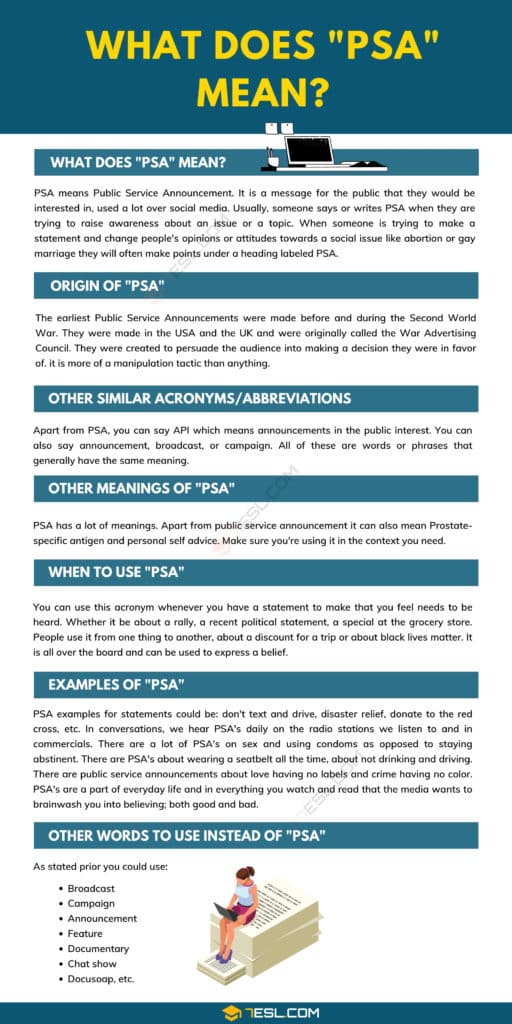
At its core, PSA stands for “Public Service Announcement.” While the term originated in traditional broadcast media—radio and television—to denote messages intended to inform the public about issues such as safety, health, or civic duties, its migration to social media has been seamless. On Facebook, a PSA serves as a signal to your network that the following content is intended to be informative, cautionary, or advisory rather than purely personal or entertainment-driven.
The Shift from Broadcast to Social
In the pre-digital era, PSAs were highly produced, federally regulated messages. On Facebook, however, the term has been democratized. It no longer requires a government agency or a non-profit organization to issue a PSA. Today, any user can frame their post as a PSA to emphasize that the information shared is meant to provide value, warn of a potential issue, or provide a necessary heads-up to their specific community.
Intent and Context
When a user begins a post with “PSA,” they are essentially requesting that their audience pause their mindless scrolling. It acts as a digital “attention, please” alert. By categorizing the post as a Public Service Announcement, the author signals that the content is not a personal update, a political rant, or an opinion, but rather a fact-based or experience-based tip that could benefit the reader.
The Strategic Use of PSAs in Facebook Groups and Pages
The utility of the PSA acronym becomes most apparent within the context of Facebook Groups and community pages. Because these spaces function as micro-communities, members often share information that is vital to the well-being or knowledge base of the group.
Community Safety and Awareness
One of the most common ways “PSA” is utilized is for safety warnings. For instance, a user might post, “PSA: There is a new scam circulating on Facebook Marketplace targeting local sellers.” By using the PSA prefix, the user elevates the perceived importance of the post, encouraging members to read the warning carefully rather than scrolling past it. This helps in mobilizing communities to stay vigilant against local crime, health hazards, or misinformation.
Sharing Tips and Life Hacks
Beyond safety, PSAs are frequently used to disseminate helpful life hacks or software tips. If a user discovers a hidden feature in the Facebook app or a workaround for a common technical glitch, framing it as a “PSA” adds a sense of authority and altruism to the post. It suggests, “I am sharing this because I know it will save you time and frustration.” This is a highly effective way to increase engagement, as helpful content is consistently prioritized by the Facebook algorithm.
Setting Expectations for Group Moderators
For Facebook Group administrators, the PSA format is a critical tool for moderation. When a moderator needs to announce a change in group policy or remind members of a recurring rule, using “PSA” ensures the message stands out. It distinguishes administrative instructions from the casual banter of group members, ensuring that critical information is not lost in the stream of daily activity.

Best Practices for Crafting an Effective PSA
While the term PSA carries weight, its overuse can lead to “acronym fatigue.” If every post is labeled a PSA, the urgency of the tag is diluted. To ensure your PSAs remain impactful, you must follow specific digital communication principles.
Keep It Concise and Clear
The most effective PSAs are those that respect the reader’s time. Because Facebook is a high-velocity environment, your message should get to the point immediately. If you are issuing a warning or sharing a tip, place the core information in the first sentence.
- Example of a poor PSA: “Hey everyone, I was just thinking about something today and I wanted to tell you all that if you have an iPhone, maybe you should check your settings.”
- Example of an effective PSA: “PSA: Check your privacy settings on your iPhone today. A recent update may have reset your location tracking preferences.”
Verify Your Information
The danger of the PSA label is that it implies a level of truth or importance. Before issuing a PSA, ensure that the information is accurate. Spreading misinformation under the guise of a “Public Service Announcement” can lead to social friction and loss of credibility. Always cross-reference facts, especially when dealing with software updates, safety alerts, or medical advice.
Avoid Clickbait Tactics
Do not use the PSA label to mask a personal opinion or to drive traffic to irrelevant content. Using “PSA” to grab attention for a post that is actually a sales pitch or a personal vendetta is considered poor digital etiquette. The community will quickly lose trust in your alerts if the prefix is consistently used for non-essential or misleading purposes. Maintain the integrity of the acronym by reserving it for content that truly serves the public or group interest.
The Evolution of Digital Communication Trends
As we look at the trajectory of Facebook usage, it is clear that acronyms like PSA are permanent fixtures of our digital lexicon. They represent the human need to categorize information efficiently. As users consume more data every day, the ability to signal the type of content being presented becomes a valuable service to the audience.
The Role of Contextual Tagging
In the broader scope of technology trends, the PSA tag is a primitive form of user-generated content tagging. While platforms often use automated algorithms to label content (such as “Fact Check” labels or “Sensitive Content” warnings), the human-led PSA tag remains a powerful way for individuals to self-regulate their communities. It is a testament to how users adapt platform features to better fit their unique social needs.
Future-Proofing Your Digital Presence
For those managing personal brands or small business pages on Facebook, understanding the nuances of these trends is vital. Mastering the “digital vernacular”—knowing when to use a PSA, how to frame a call to action, or how to distinguish between a personal update and an industry insight—allows you to build a more authentic connection with your audience.
By treating the “PSA” acronym as a tool of responsibility rather than a mere attention-grabber, you contribute to a cleaner, more informed, and more efficient social media environment. When you provide genuine value through a well-crafted PSA, you do more than just share information; you cultivate a reputation as a reliable and thoughtful contributor to the digital space. Whether you are alerting your neighbors to a local event, warning your peers about a security loophole, or sharing a professional insight, a well-placed PSA remains one of the most effective ways to be heard in a crowded, noisy digital world.
aViewFromTheCave is a participant in the Amazon Services LLC Associates Program, an affiliate advertising program designed to provide a means for sites to earn advertising fees by advertising and linking to Amazon.com. Amazon, the Amazon logo, AmazonSupply, and the AmazonSupply logo are trademarks of Amazon.com, Inc. or its affiliates. As an Amazon Associate we earn affiliate commissions from qualifying purchases.