
In the dynamic landscape of technology, the term “provisioning” is a cornerstone concept that underpins the efficient and effective deployment of resources. While it might sound like a technical jargon exclusive to IT professionals, understanding provisioning is crucial for anyone interacting with or benefiting from modern digital infrastructure. At its core, provisioning refers to the process of making resources available for use. This can encompass a wide array of items, from hardware and software to network access and cloud services. The goal is always to ensure that the necessary components are in place, configured correctly, and ready to fulfill their intended purpose. This article will delve into the multifaceted meaning of provisioning within the tech domain, exploring its various facets, benefits, and the evolving nature of this critical process.
The Core Concept: Making Resources Ready for Action
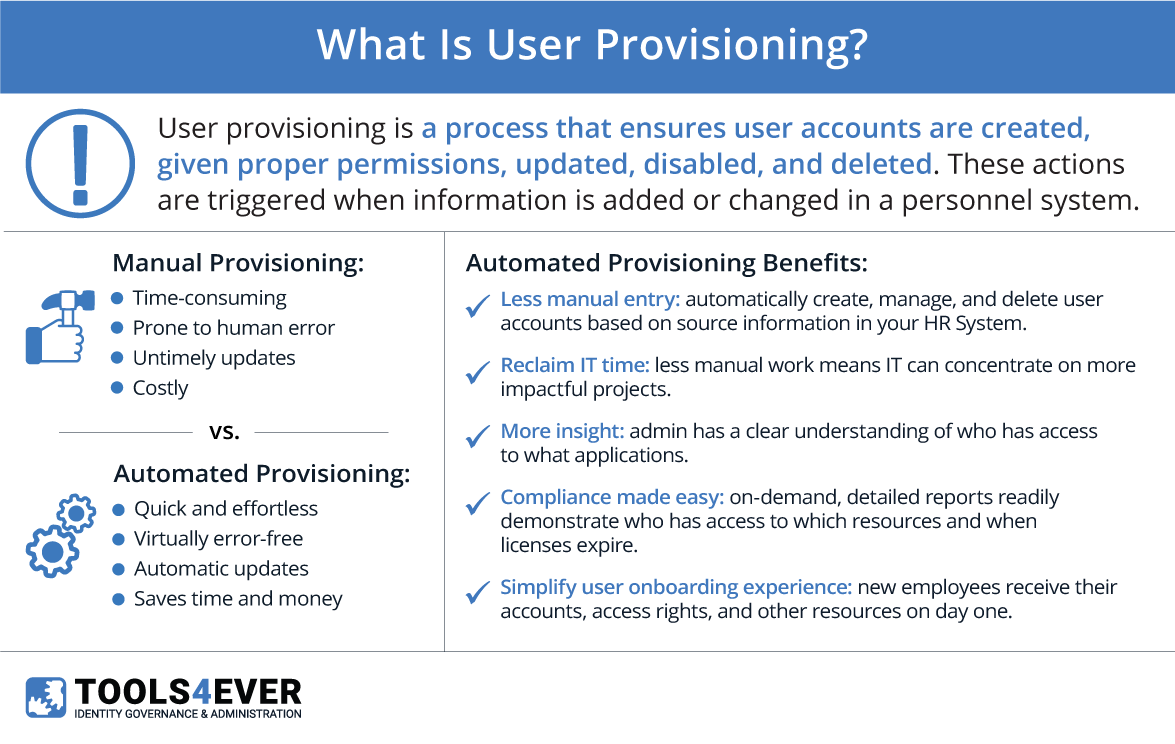
Provisioning is essentially about preparation and enablement. It’s the proactive step of setting up the environment and allocating the necessary components before a user, application, or system can begin its operations. Think of it as getting a new computer ready to be used: installing the operating system, essential software, and drivers. In a more complex IT environment, this process scales exponentially.
Resource Allocation and Configuration
At the heart of provisioning lies the meticulous allocation and configuration of resources. This involves identifying what is needed, where it will reside, and how it will be set up.
Hardware Provisioning
This is perhaps the most tangible form of provisioning. It involves acquiring, installing, and configuring physical hardware components. For instance, when a company needs to expand its server capacity, hardware provisioning would include purchasing new servers, installing them in racks, connecting them to the network, and ensuring they are powered and cooled appropriately. This also extends to end-user devices like laptops and workstations, where operating systems and basic software are installed and configured before being handed over to employees.
Software Provisioning
Once hardware is in place, software needs to be deployed and configured. This can range from installing operating systems and system software to deploying complex enterprise applications. Automated software provisioning tools have revolutionized this process, allowing for the rapid deployment of software across numerous machines simultaneously, reducing manual effort and the potential for errors. This also includes setting up necessary licenses and ensuring compatibility with existing systems.
Network Provisioning
For any digital resource to be accessible, it needs to be connected to a network. Network provisioning involves setting up network infrastructure, assigning IP addresses, configuring firewalls, and establishing connectivity between various devices and services. This ensures that data can flow seamlessly and securely to where it’s needed. In cloud environments, network provisioning is highly dynamic, allowing for the rapid creation and modification of virtual networks on demand.
User and Access Provisioning
Beyond physical and software resources, provisioning also extends to the digital identities and access rights of users. This is crucial for security and operational efficiency.
User Account Creation and Management
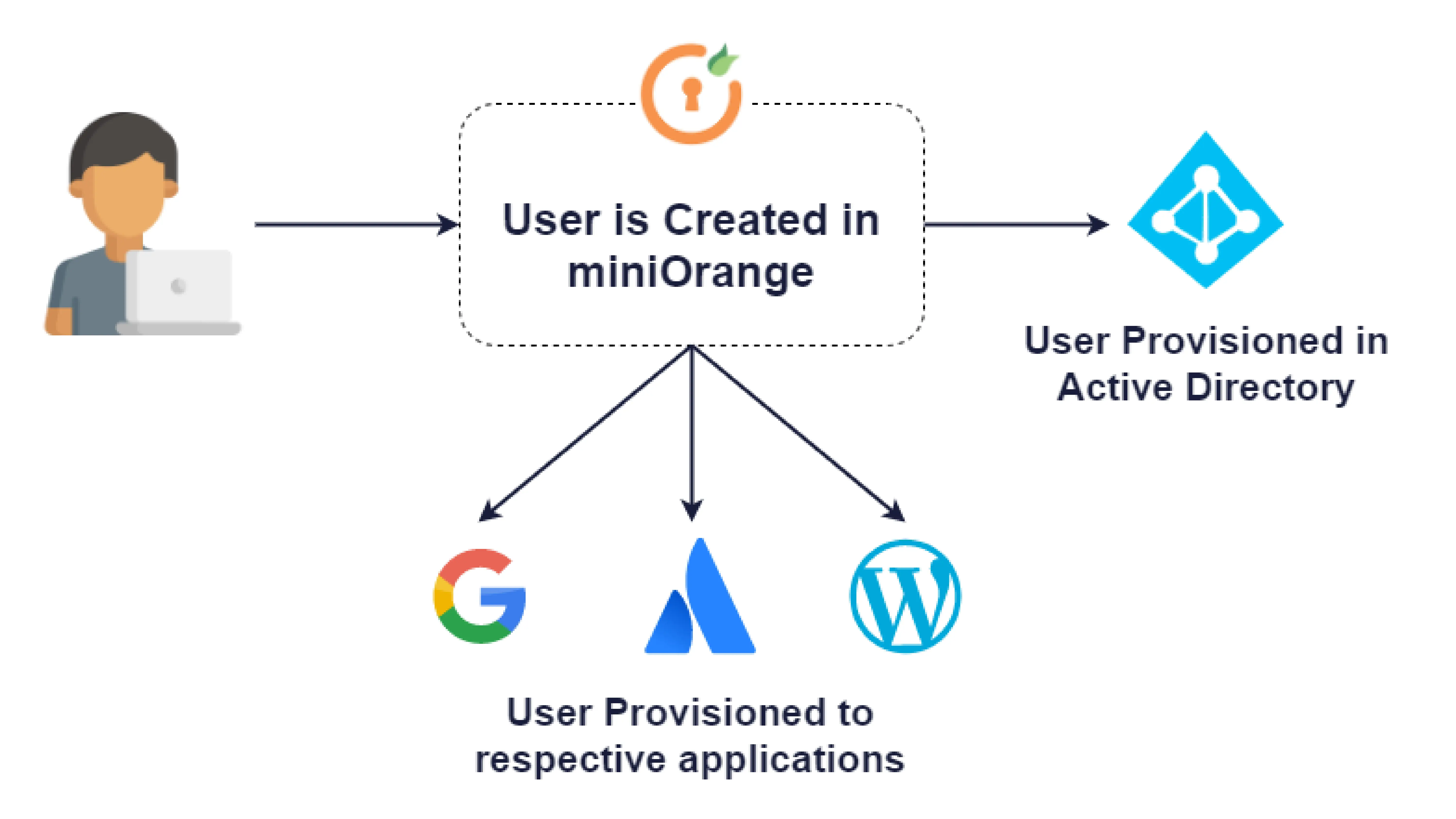
When a new employee joins an organization, their user account needs to be created in various systems – email, internal applications, databases, and so on. This process, known as user provisioning, ensures they have the necessary credentials to access the resources relevant to their role. This also includes managing user lifecycles, such as deactivating accounts when an employee leaves or modifying permissions as their responsibilities change.
Role-Based Access Control (RBAC)
A key aspect of user provisioning is implementing Role-Based Access Control (RBAC). Instead of assigning permissions individually, users are assigned to roles, and those roles are granted specific access privileges. This simplifies management and enhances security by ensuring that users only have access to the information and functionalities they need to perform their jobs. Provisioning in this context means correctly assigning users to their appropriate roles within the system.
The “Why”: Benefits and Importance of Effective Provisioning
The meticulous process of provisioning might seem like an administrative overhead, but its importance cannot be overstated. Effective provisioning directly translates into enhanced operational efficiency, improved security, and significant cost savings.
Driving Efficiency and Agility
In today’s fast-paced business environment, the ability to quickly adapt and scale is paramount. Provisioning plays a direct role in achieving this agility.
Faster Deployment of Services and Applications
Traditional IT infrastructure often involved lengthy manual processes for setting up new servers or deploying applications. This could take days or even weeks. With modern provisioning techniques, especially those leveraging automation and cloud technologies, these deployments can be reduced to minutes or hours. This speed allows businesses to respond more rapidly to market demands, launch new products and services, and gain a competitive edge.
Streamlined Operations and Reduced Downtime
When resources are provisioned correctly from the outset, the likelihood of issues arising later is significantly reduced. This means fewer errors, less troubleshooting, and ultimately, less downtime. For cloud services, automated provisioning ensures that resources are readily available, minimizing disruptions for users and ensuring business continuity. The ability to quickly reprovision or scale resources during peak loads also prevents performance degradation and maintains a consistent user experience.
Enhanced Productivity for End-Users and IT Staff
For end-users, efficient provisioning means they get the tools and access they need to do their jobs without delay. For IT staff, automation in provisioning frees them from repetitive, manual tasks, allowing them to focus on more strategic initiatives, innovation, and complex problem-solving. This shift from reactive maintenance to proactive management is a significant productivity booster.
Fortifying Security and Compliance
Provisioning is not just about making resources available; it’s also about making them available securely and in compliance with regulations.
Implementing Security Best Practices from the Ground Up
During the provisioning process, security configurations can be built directly into the system. This includes setting up firewalls, intrusion detection systems, access controls, and encryption protocols from the very beginning. This “security by design” approach is far more effective and less costly than trying to bolt on security measures after a system has been deployed.
Ensuring Regulatory Compliance
Many industries are subject to stringent regulations regarding data privacy and security (e.g., GDPR, HIPAA). Provisioning processes can be designed to automatically enforce compliance requirements. This might involve automatically applying specific security settings, logging all access to sensitive data, or ensuring that data is stored and processed in compliant locations. Automated provisioning helps maintain a consistent audit trail, making compliance reporting more straightforward.
Mitigating Risks of Unauthorized Access
Proper user and access provisioning, including the principle of least privilege, is critical for preventing unauthorized access to sensitive data and systems. By ensuring that users only have the permissions they absolutely need, the risk of data breaches, accidental data modification, or malicious activity is significantly reduced. The timely deprovisioning of accounts for departing employees is equally vital in closing potential security loopholes.
The Evolution of Provisioning: From Manual to Automated
The methods and sophistication of provisioning have undergone a dramatic transformation, driven by technological advancements and the increasing complexity of IT environments.
The Era of Manual Provisioning
In the early days of computing, provisioning was almost entirely a manual undertaking. When a new server was needed, it was physically assembled, operating systems and applications were installed one by one, and configurations were entered manually. Similarly, user accounts were created and managed through individual command-line entries.
Challenges of Manual Processes
Manual provisioning was time-consuming, prone to human error, and incredibly difficult to scale. The risk of misconfigurations was high, leading to system instability and security vulnerabilities. As IT environments grew, this approach became unsustainable, leading to significant delays and increased operational costs.
The Rise of Automation and Orchestration
The advent of scripting, configuration management tools, and cloud computing has revolutionized provisioning, ushering in an era of automation and orchestration.
Scripting and Configuration Management Tools
Tools like Ansible, Chef, Puppet, and SaltStack allow IT professionals to define the desired state of their infrastructure and applications in code. These tools can then automatically provision and configure resources according to these definitions, ensuring consistency and repeatability. This significantly reduces manual effort and the potential for errors.
Cloud Computing and Infrastructure as Code (IaC)
Cloud platforms (AWS, Azure, Google Cloud) offer highly flexible and scalable provisioning capabilities. Technologies like Infrastructure as Code (IaC) take automation a step further by allowing IT teams to manage and provision their infrastructure through machine-readable definition files. This means that an entire data center or a complex application environment can be provisioned, updated, and even destroyed using simple text files, offering unprecedented agility and control.
Orchestration Platforms
Orchestration builds upon automation by coordinating multiple automated tasks across different systems and services. For example, when deploying a complex microservices application, an orchestration platform can automatically provision the necessary virtual machines, configure their networks, deploy the application containers, and set up load balancers and monitoring tools in a synchronized manner. This ensures that all components are deployed in the correct order and interact seamlessly.
Modern Provisioning in Practice: Specific Use Cases
The principles of provisioning are applied across a wide spectrum of modern technology, from individual developer workflows to massive enterprise deployments.
Cloud Provisioning
This is perhaps the most prevalent area where provisioning is discussed today. Cloud provisioning refers to the dynamic allocation of computing resources – servers, storage, databases, networking – on demand from cloud service providers.
Elasticity and Scalability
The defining characteristic of cloud provisioning is its elasticity. Resources can be automatically provisioned and deprovisioned based on fluctuating demand, ensuring optimal performance and cost efficiency. If a website experiences a sudden surge in traffic, cloud provisioning can automatically spin up more web servers to handle the load, and then scale them back down when traffic subsides.
Self-Service Portals
Many cloud platforms offer self-service portals that allow authorized users, such as developers or business analysts, to provision the resources they need without direct IT intervention. This empowers teams to work more independently and accelerates development cycles.
Containerization and Microservices
The rise of containerization technologies like Docker and orchestration platforms like Kubernetes has introduced new dimensions to provisioning.
Container Image Provisioning
Provisioning in this context involves building and distributing container images, which encapsulate applications and their dependencies. These images are then deployed to container orchestration platforms.
Kubernetes Cluster Provisioning
Kubernetes itself needs to be provisioned and managed. This includes setting up the control plane and worker nodes, configuring networking, and defining storage solutions. Tools and managed Kubernetes services simplify this complex provisioning task.
End-User Computing (EUC) and Virtual Desktop Infrastructure (VDI)
Provisioning is also critical for delivering desktop environments to users, especially in remote or hybrid work scenarios.
VDI Deployment
Virtual Desktop Infrastructure (VDI) involves provisioning virtual desktop operating systems and applications to users on demand. This allows for centralized management, enhanced security, and the ability for users to access their work environment from any device.
Device Management and Application Delivery
For physical devices, provisioning now often includes mobile device management (MDM) and the automated delivery of applications and configurations to laptops and smartphones, ensuring a consistent and secure user experience.
The Future of Provisioning: Intelligent and Predictive
As technology continues to evolve, so too will the field of provisioning. The trend is moving towards more intelligent, predictive, and self-optimizing systems.
Predictive Provisioning
Instead of reacting to demand, future provisioning systems will increasingly use machine learning and AI to predict future resource needs. By analyzing historical usage patterns, seasonal trends, and even external factors, these systems can proactively provision resources before they are explicitly needed, ensuring seamless performance and preventing potential bottlenecks.
Autonomous Infrastructure
The ultimate goal for many in the IT industry is autonomous infrastructure – systems that can manage and provision themselves with minimal human intervention. This involves sophisticated AI that can not only provision resources but also monitor their performance, troubleshoot issues, and optimize configurations on the fly.

Enhanced Security Integration
As cyber threats become more sophisticated, provisioning will become even more tightly integrated with security frameworks. This will include automated vulnerability scanning and remediation as part of the provisioning process, ensuring that all newly deployed resources are secure by default.
In conclusion, “provisioning” in the tech world is a fundamental process that ensures the availability and readiness of all the digital resources necessary for an organization to operate, innovate, and thrive. From the initial setup of hardware and software to the dynamic allocation of cloud services and user access, effective provisioning is the bedrock of modern IT infrastructure, driving efficiency, fortifying security, and paving the way for future technological advancements. Understanding its meaning and appreciating its evolution is key to navigating the complexities of the digital age.
aViewFromTheCave is a participant in the Amazon Services LLC Associates Program, an affiliate advertising program designed to provide a means for sites to earn advertising fees by advertising and linking to Amazon.com. Amazon, the Amazon logo, AmazonSupply, and the AmazonSupply logo are trademarks of Amazon.com, Inc. or its affiliates. As an Amazon Associate we earn affiliate commissions from qualifying purchases.